Grossmont High School Advanced Placement and College Preparatory US History
Home
Productive Struggle Seminar
GHS Museum
Grossmont Arts and Careers
AP Grader Memories
Quiet Space
INFO.
Contact
Syllabus
Infinite Campus Grade Portal
Extra Credit Money/Coinage
Assignments
Reading Guides & Lesson Links
>
Semester One
Semester Two, Part I
Second Semester, Part II
Calendar
Virtual Class Folder
Textbook Chapters
The Gymnasticon
Review
Enrichment
His Excellency's Headquarters
The Nutmeg Tavern
Gilbert Stuart's Museum of American Art
The Glass Armonica
The Conestoga Wagon
Peacefield Library
The Green Dragon
Products
Esq. E
AP Info.
General AP Info. & Progress Checks
AP Daily Videos
Hall of Honor
WASC 2024
Home
Productive Struggle Seminar
GHS Museum
Grossmont Arts and Careers
AP Grader Memories
Quiet Space
INFO.
Contact
Syllabus
Infinite Campus Grade Portal
Extra Credit Money/Coinage
Assignments
Reading Guides & Lesson Links
>
Semester One
Semester Two, Part I
Second Semester, Part II
Calendar
Virtual Class Folder
Textbook Chapters
The Gymnasticon
Review
Enrichment
His Excellency's Headquarters
The Nutmeg Tavern
Gilbert Stuart's Museum of American Art
The Glass Armonica
The Conestoga Wagon
Peacefield Library
The Green Dragon
Products
Esq. E
AP Info.
General AP Info. & Progress Checks
AP Daily Videos
Hall of Honor
WASC 2024
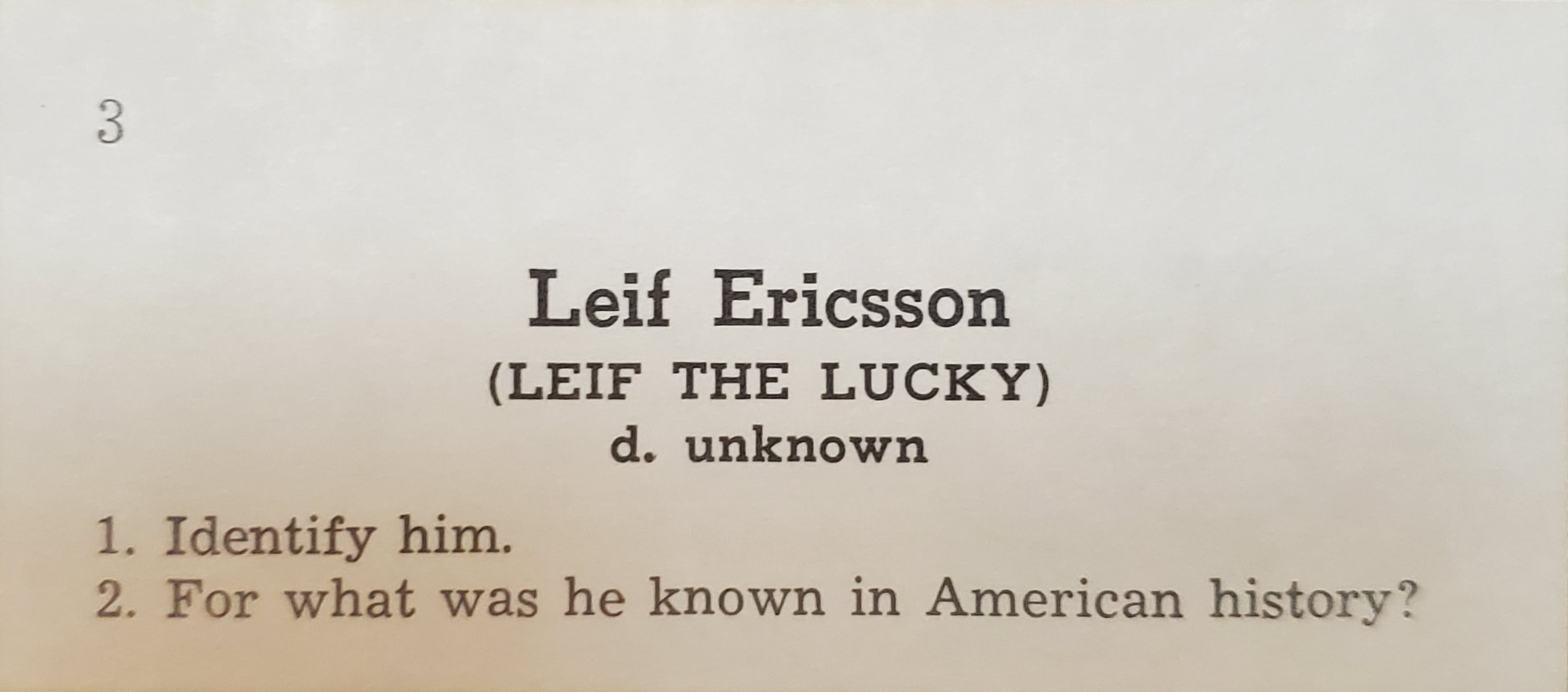
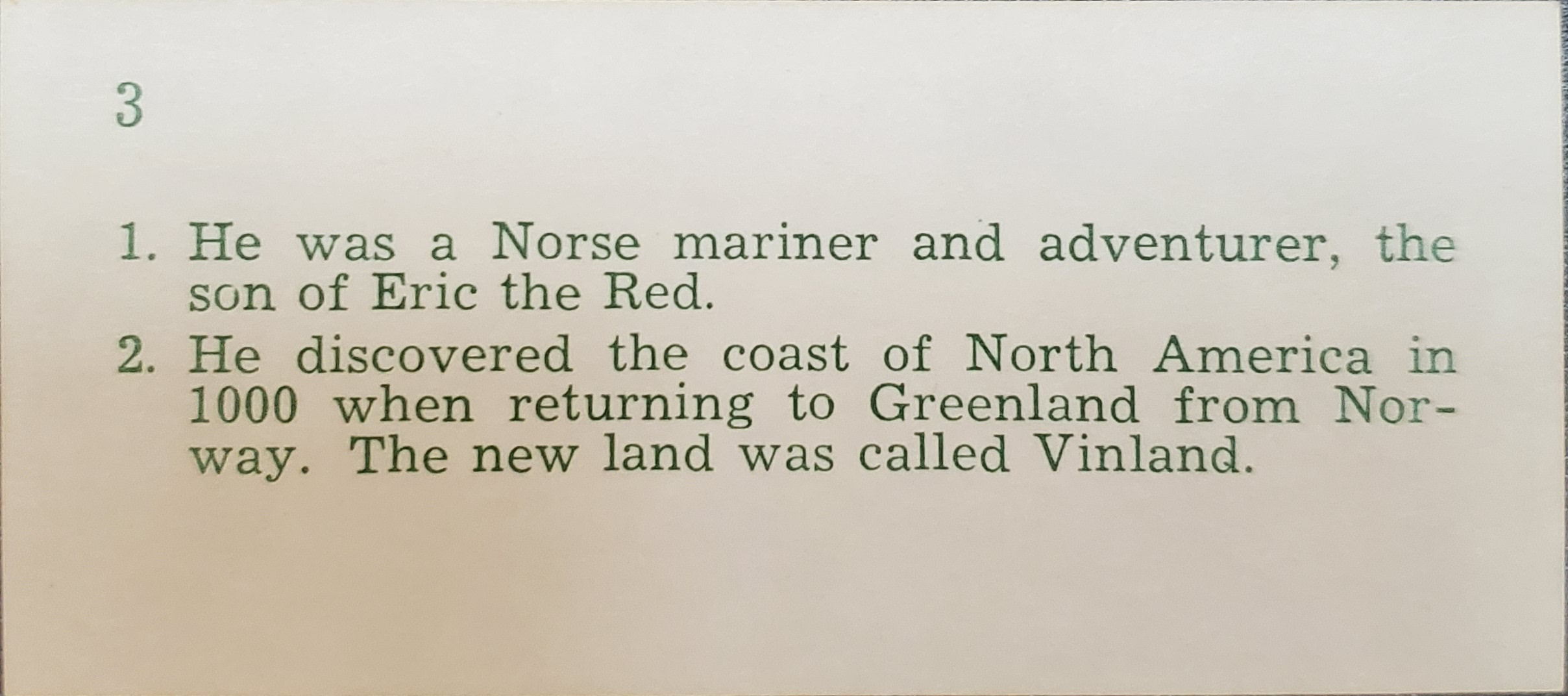
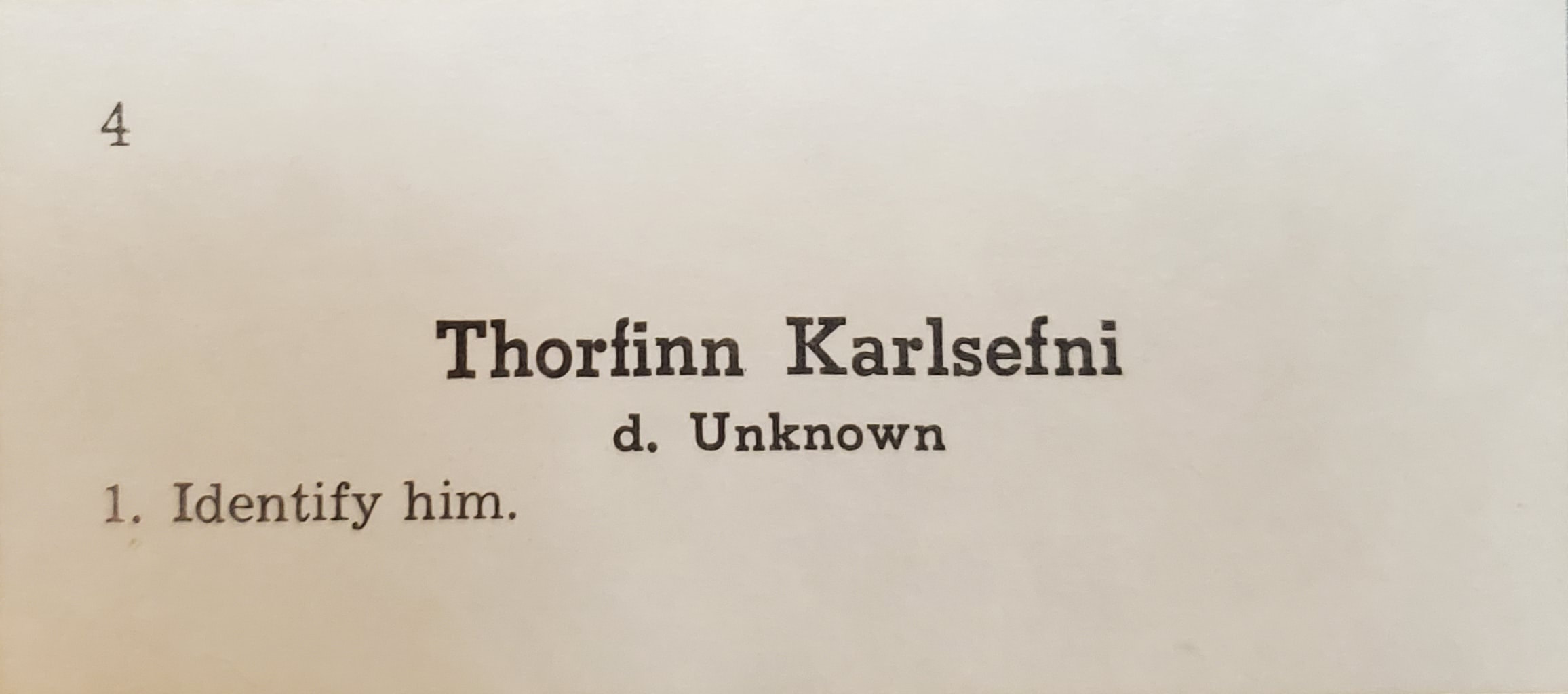
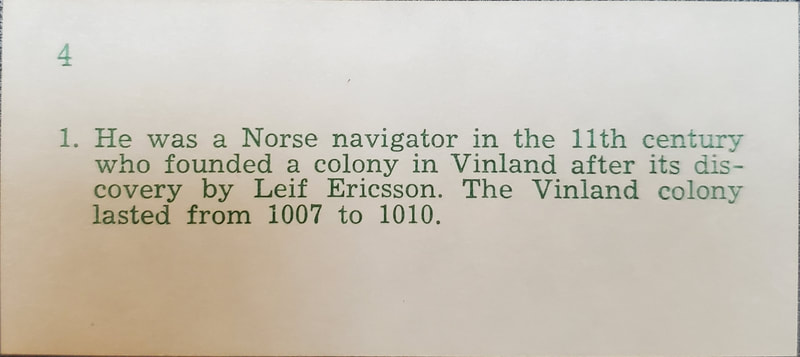
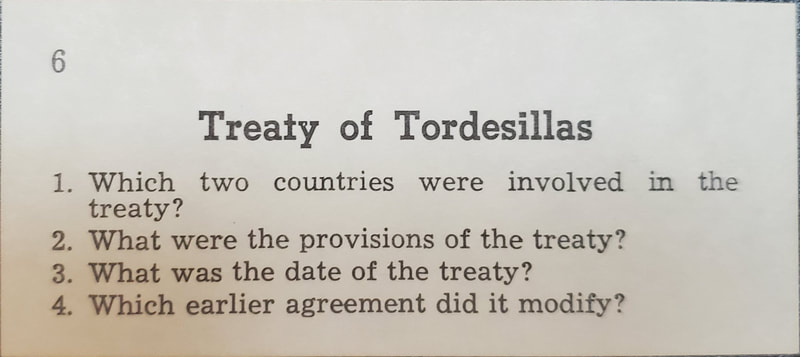
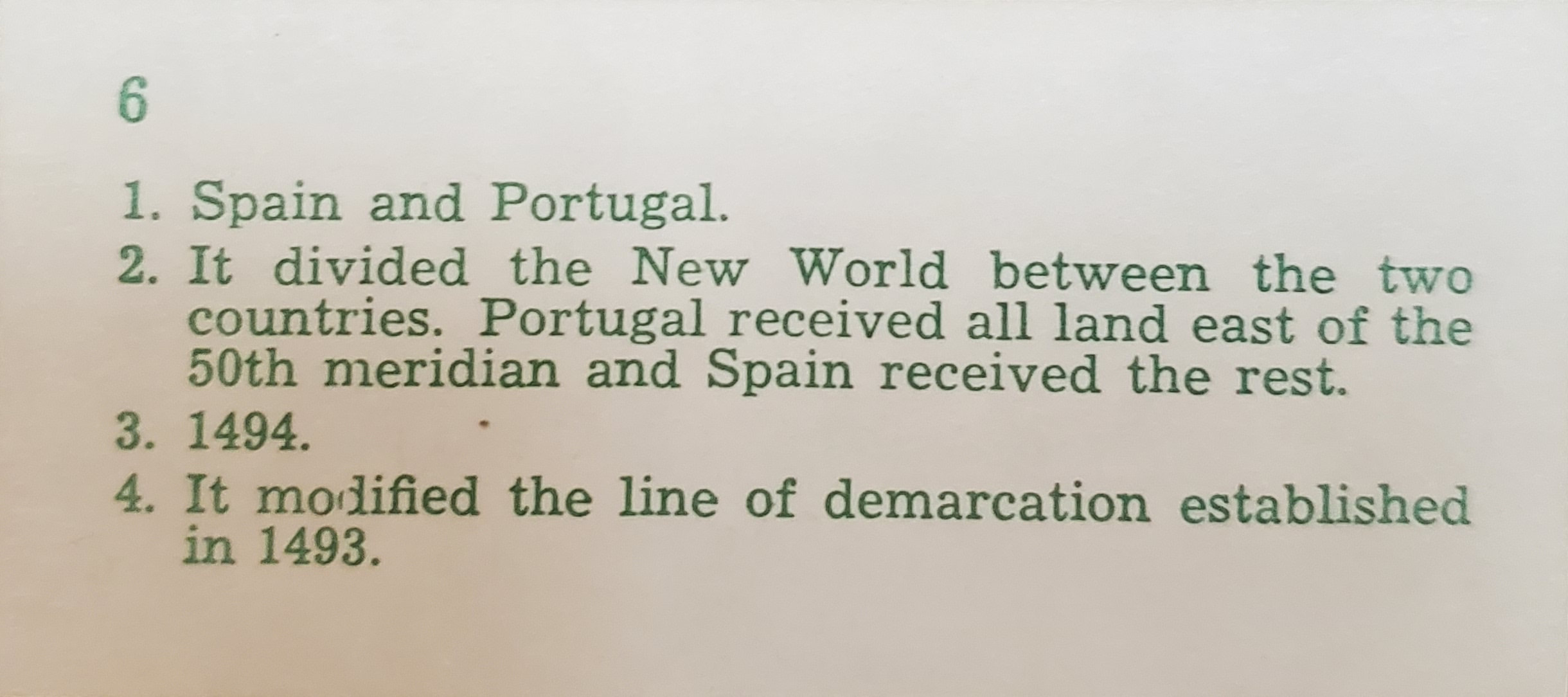
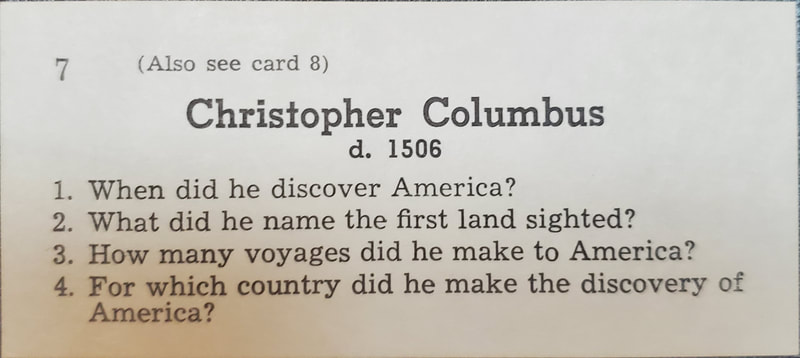
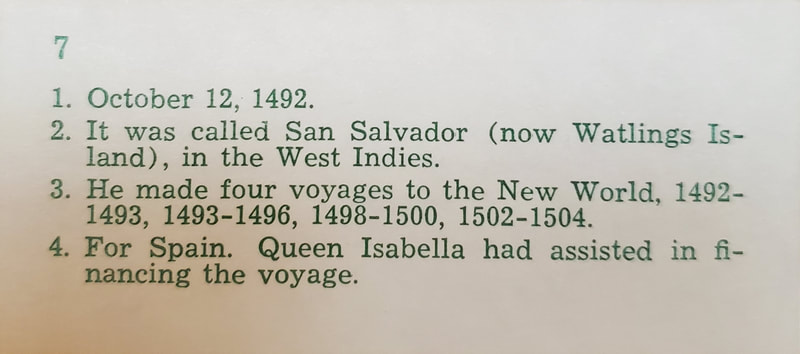
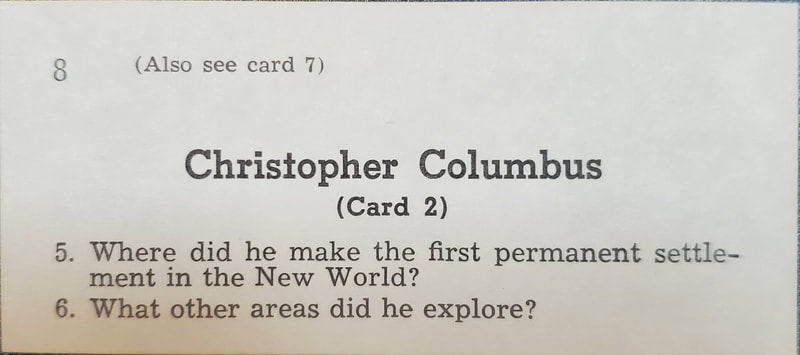
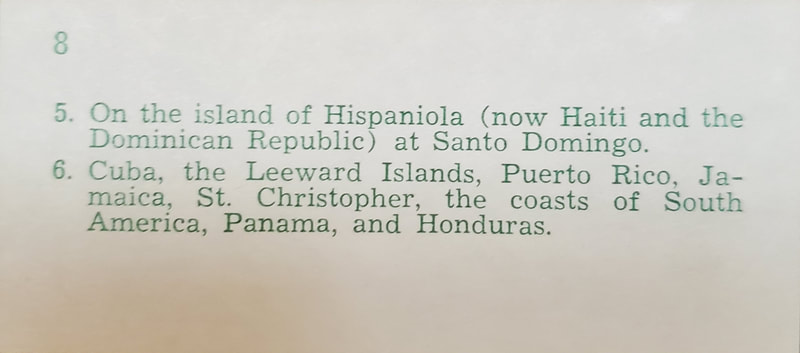
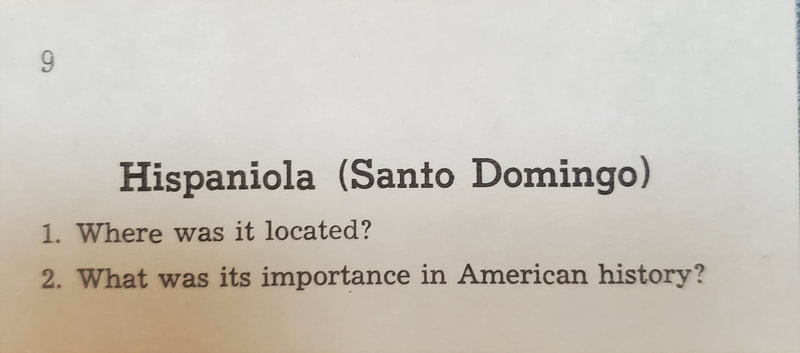
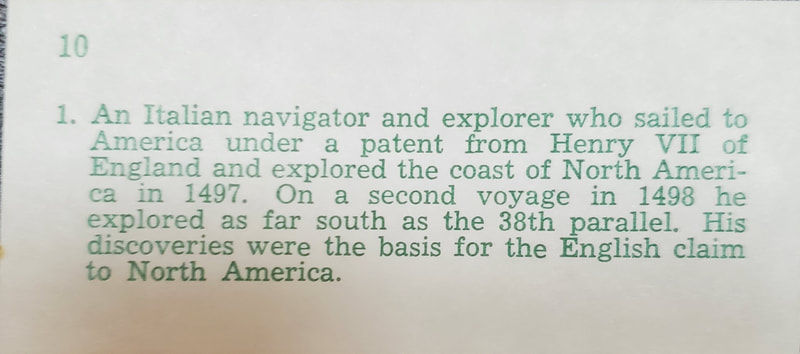
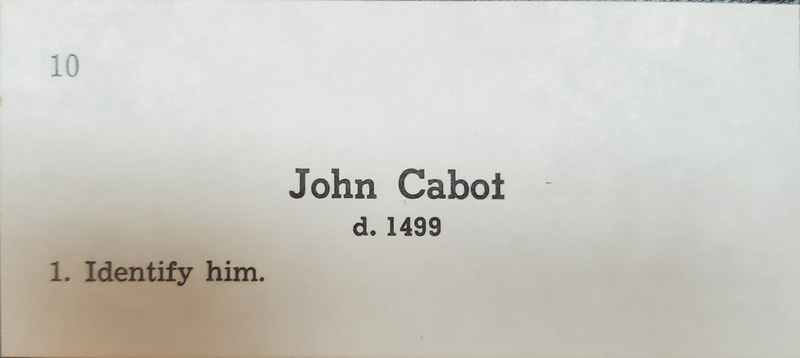
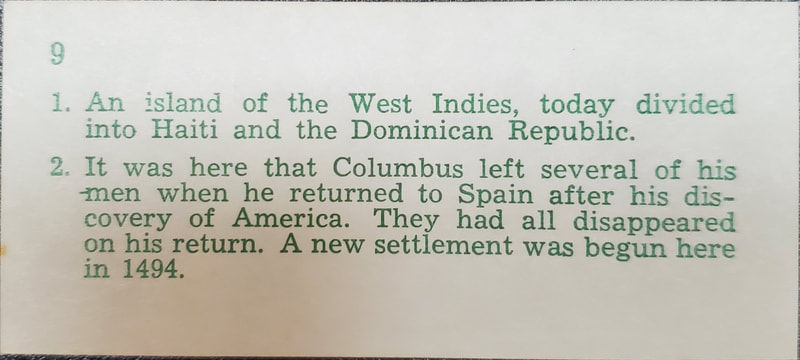
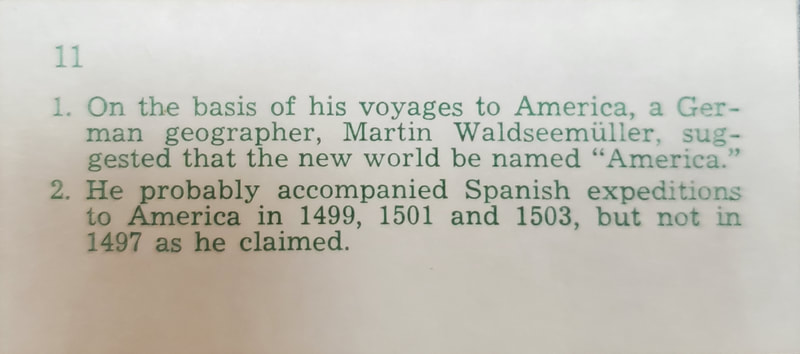
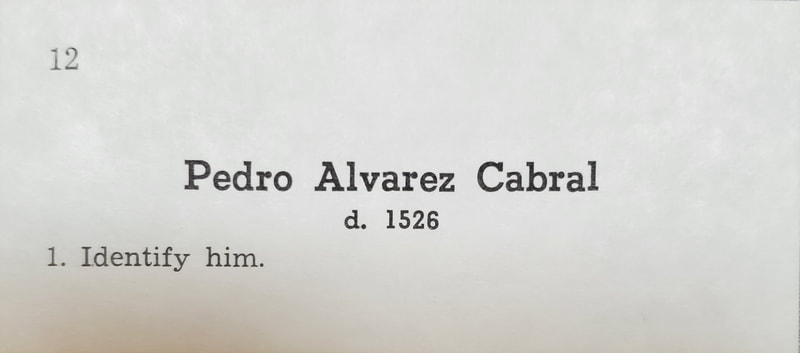
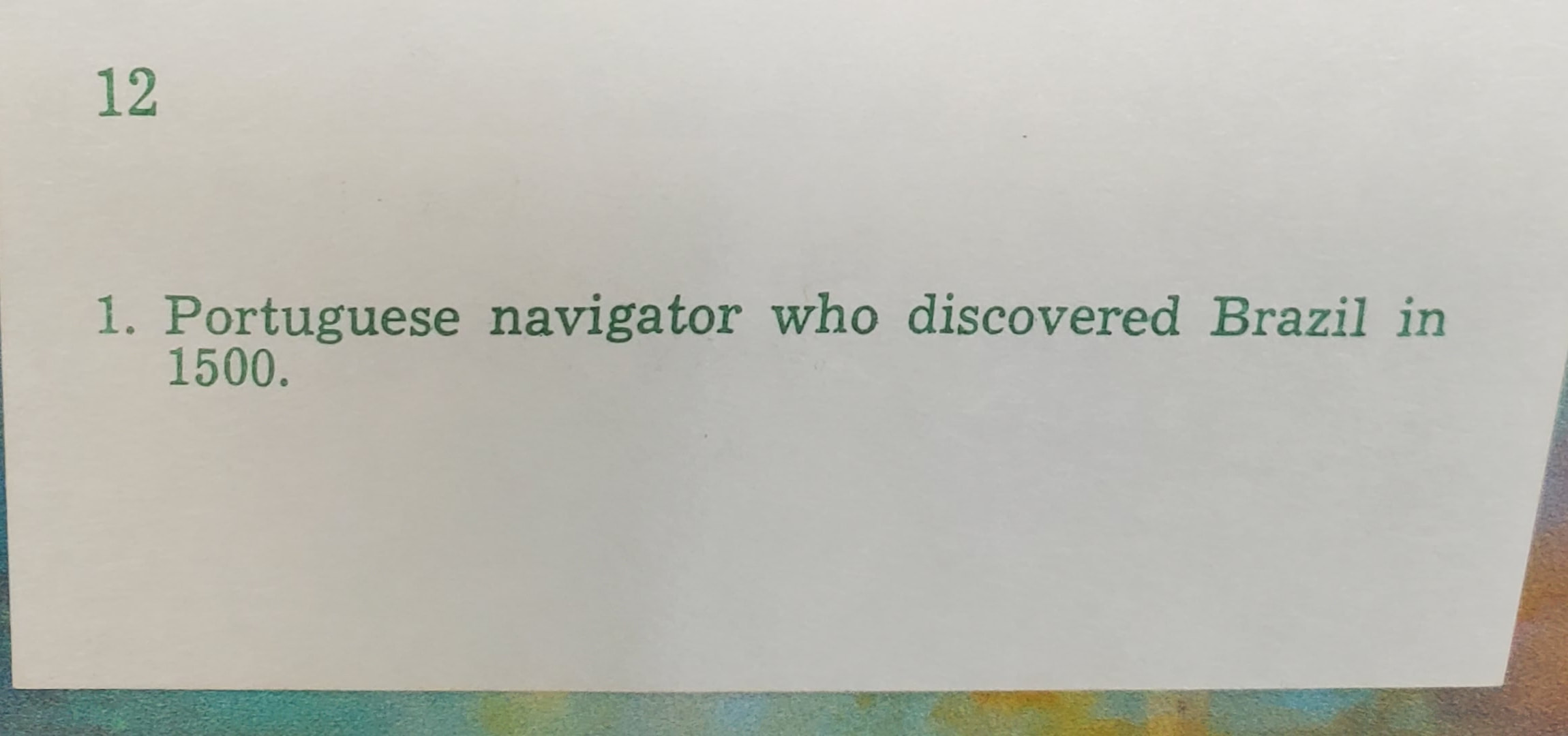
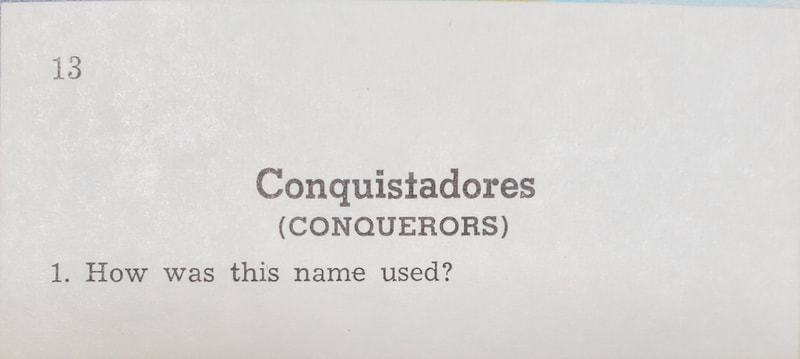
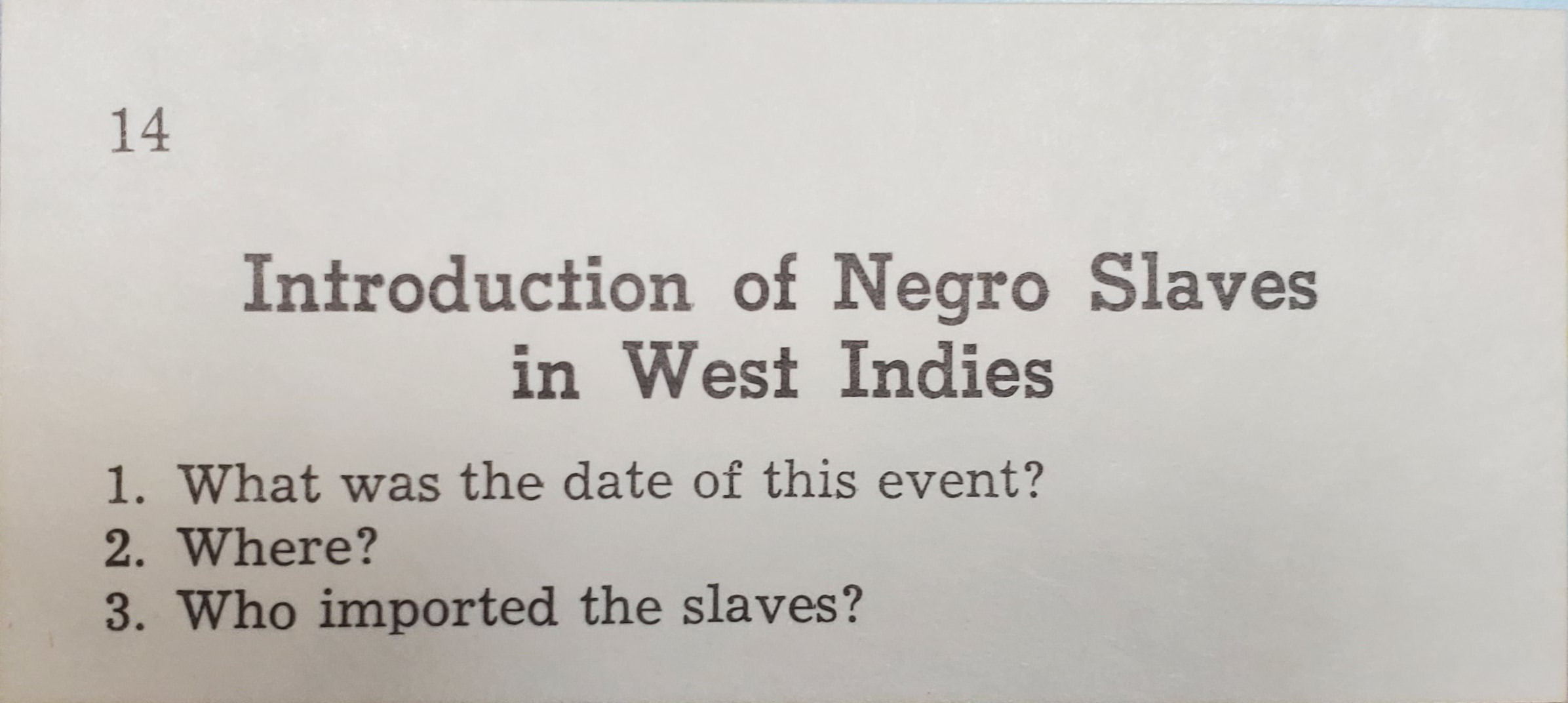
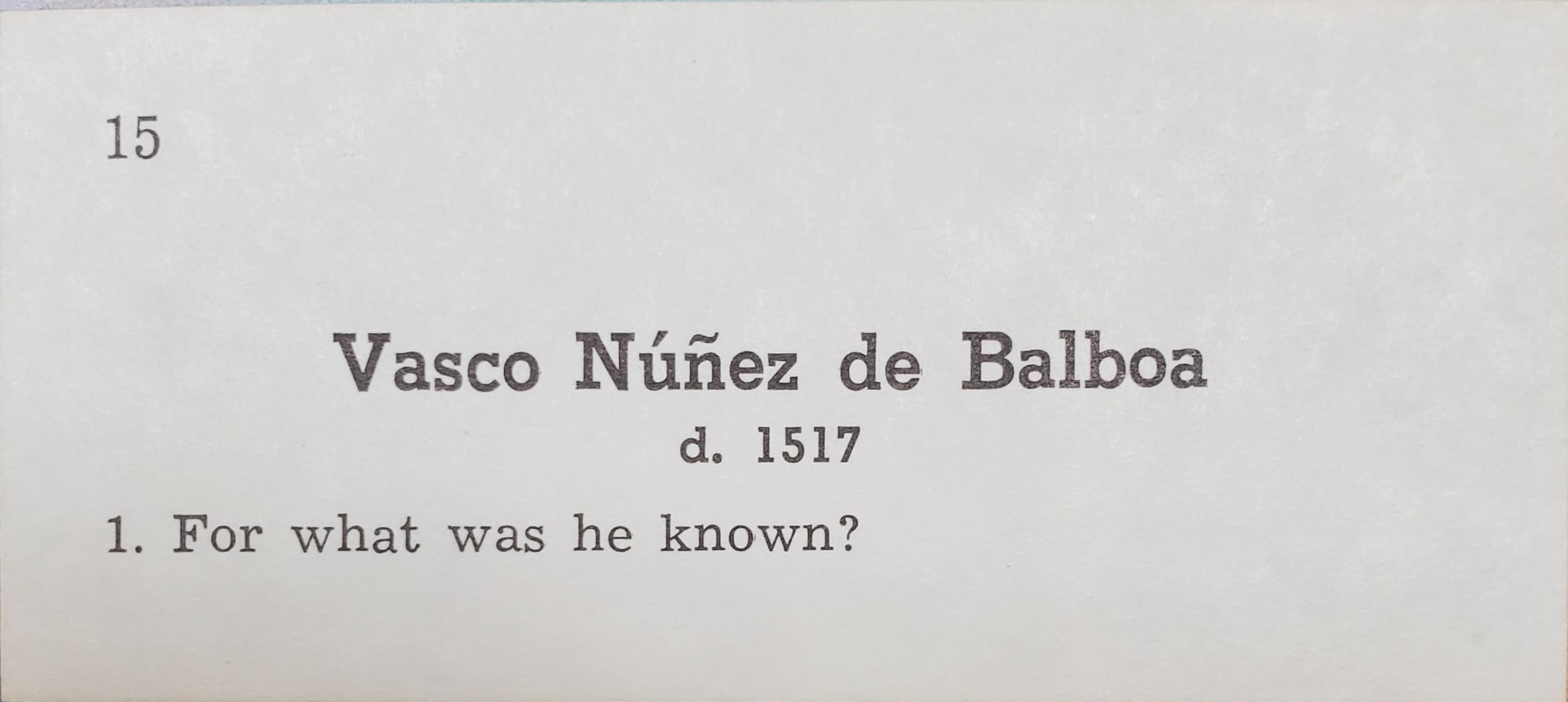
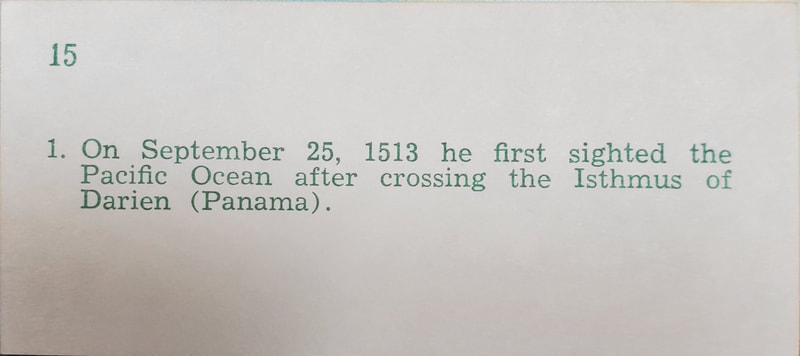
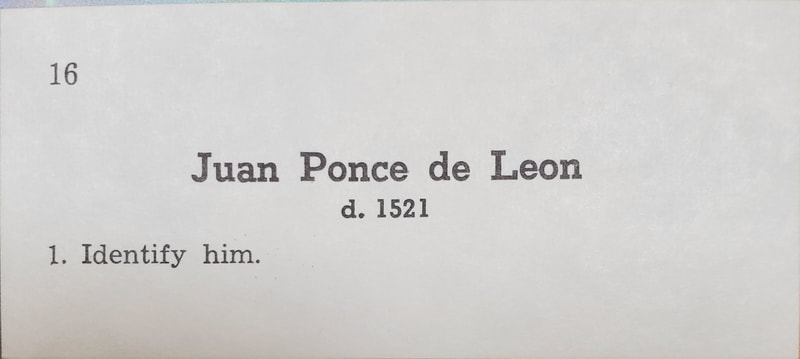
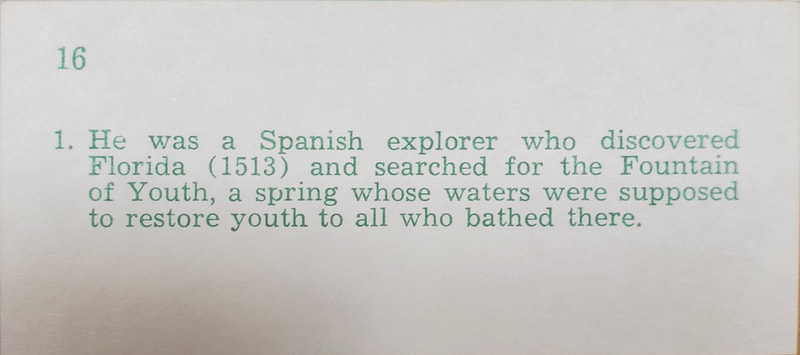
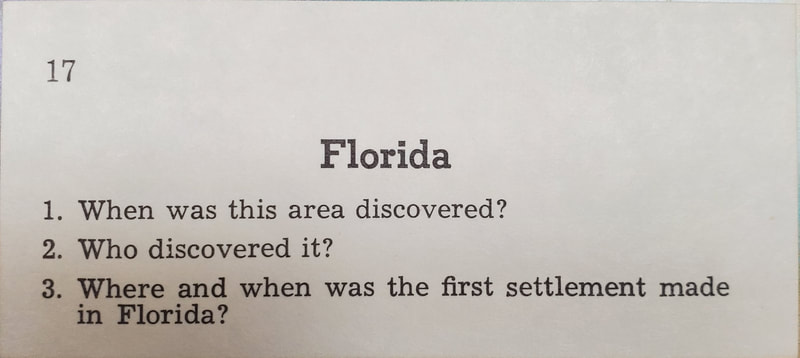
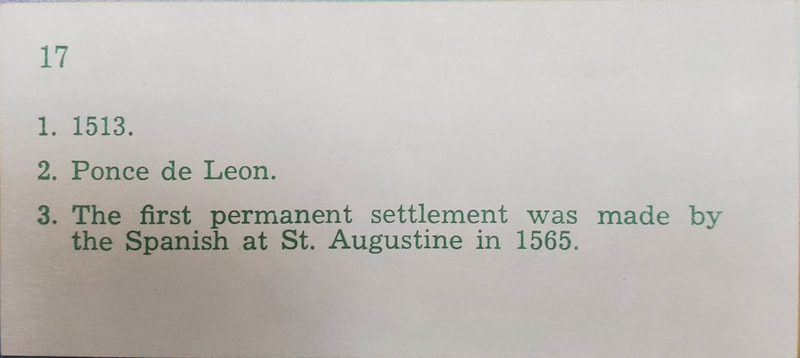
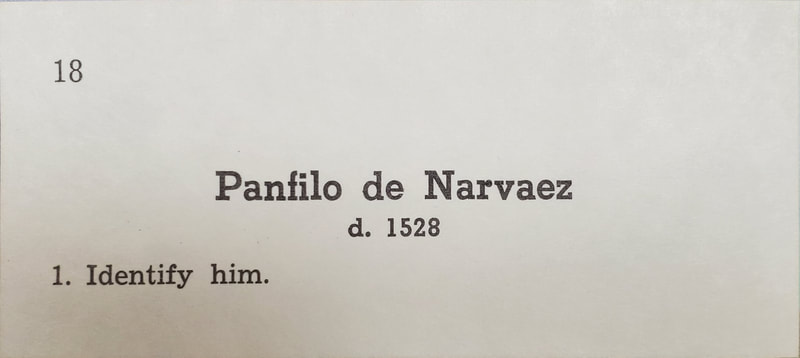
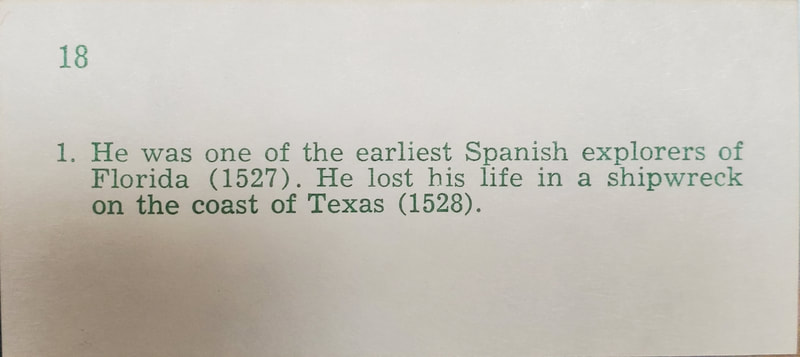
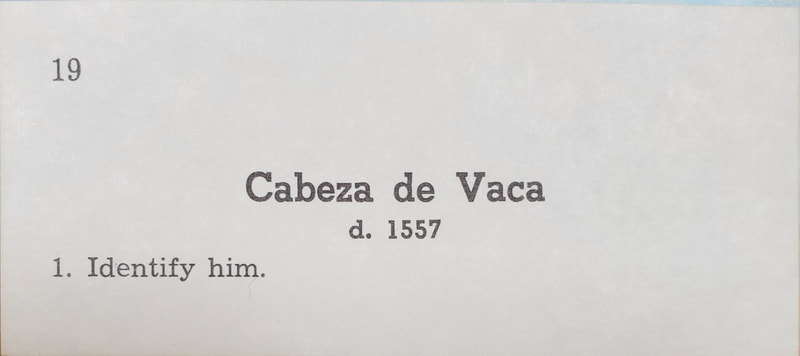
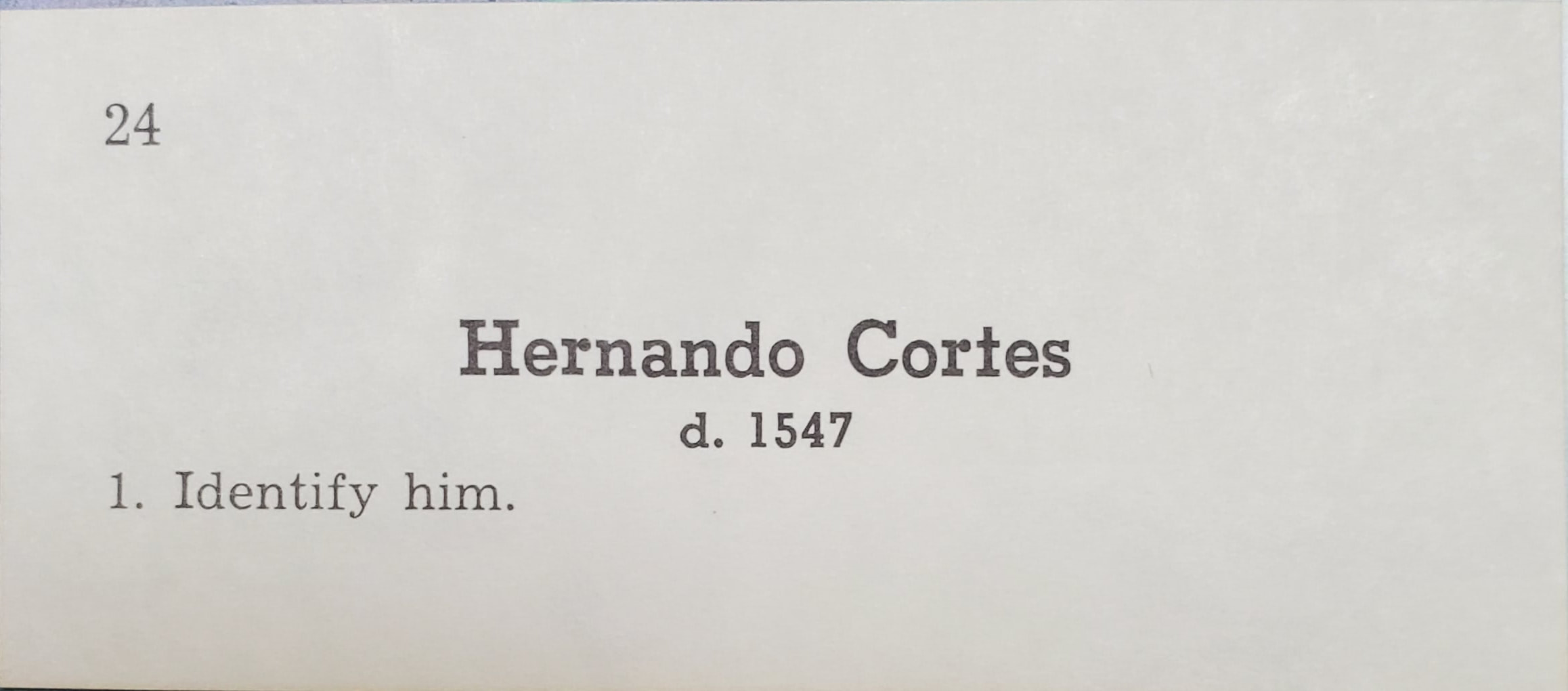
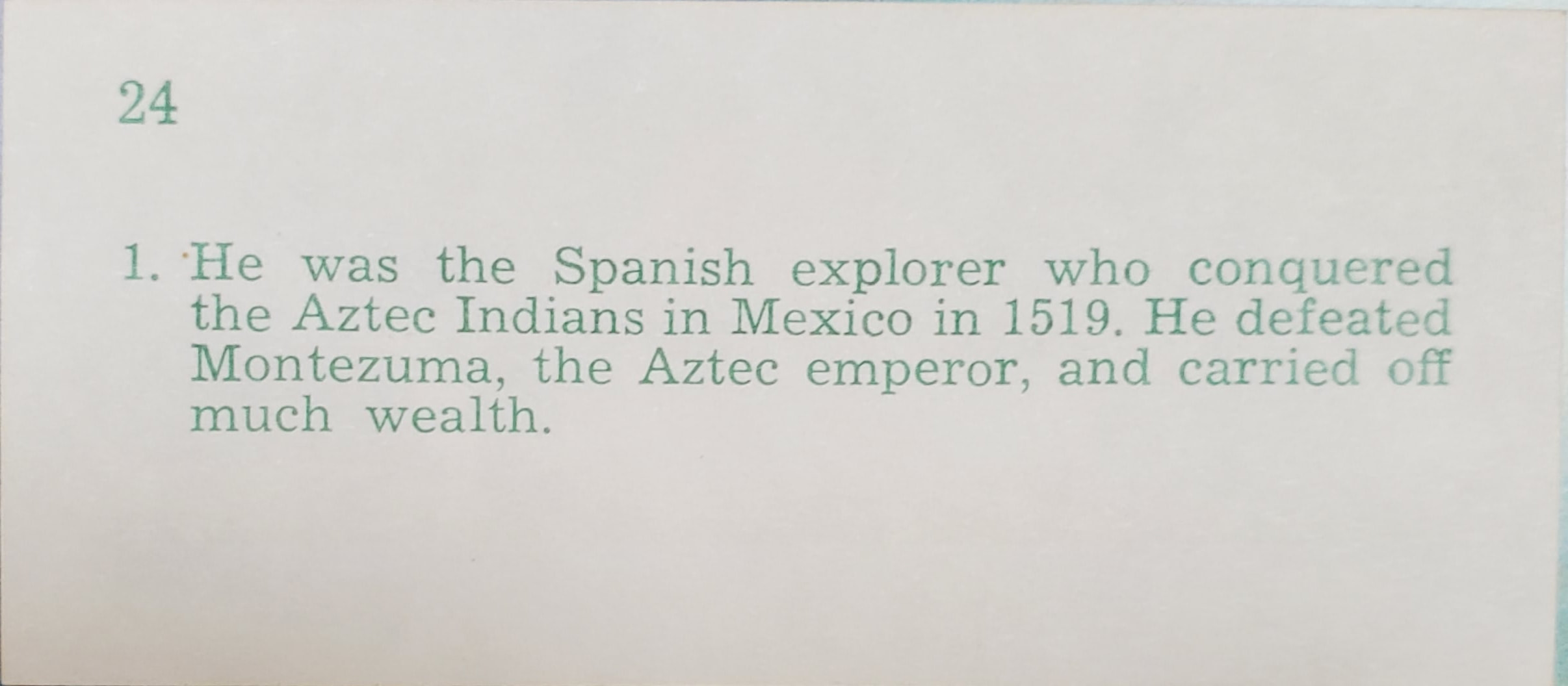
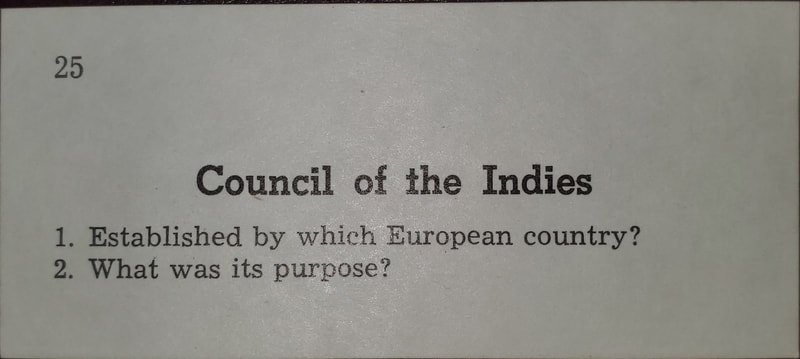
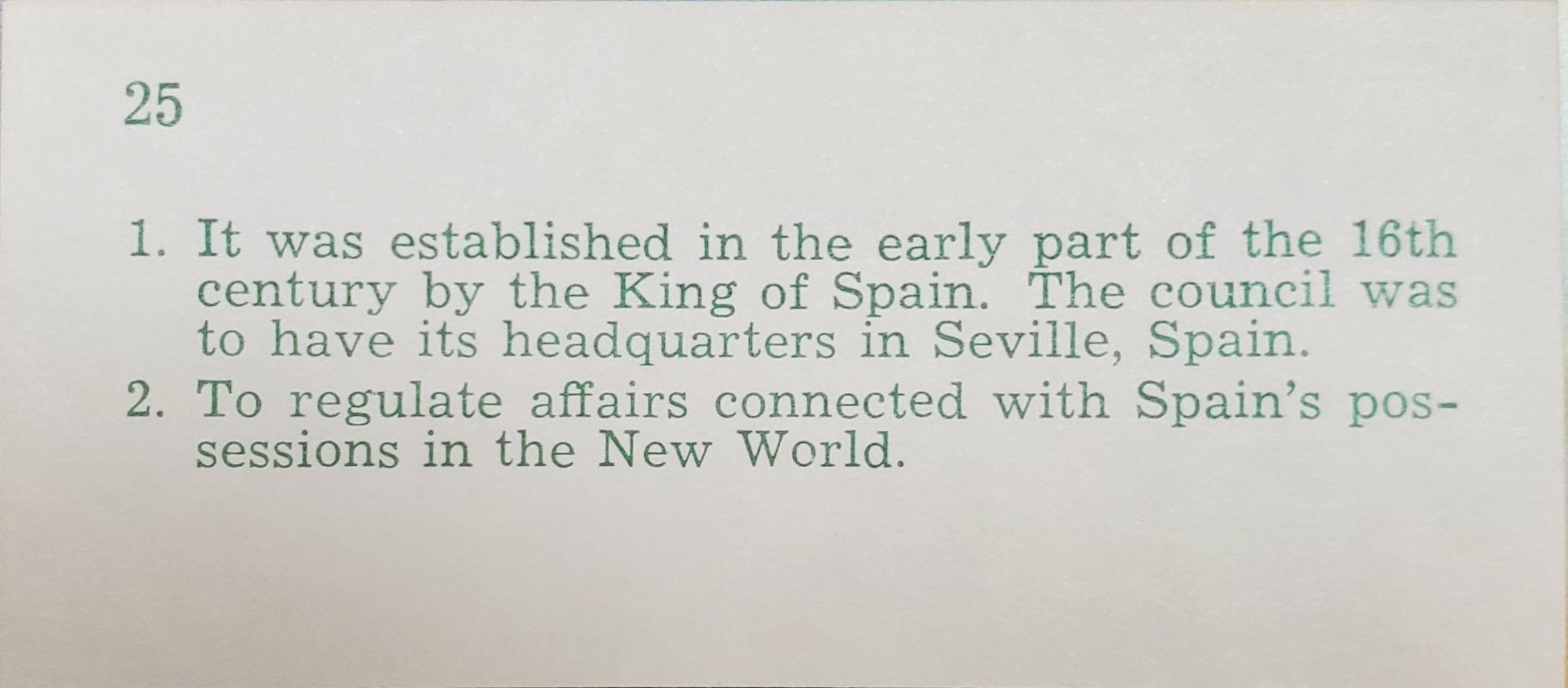
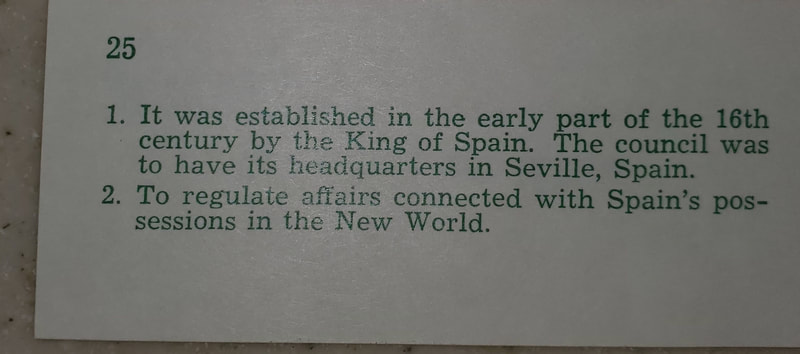
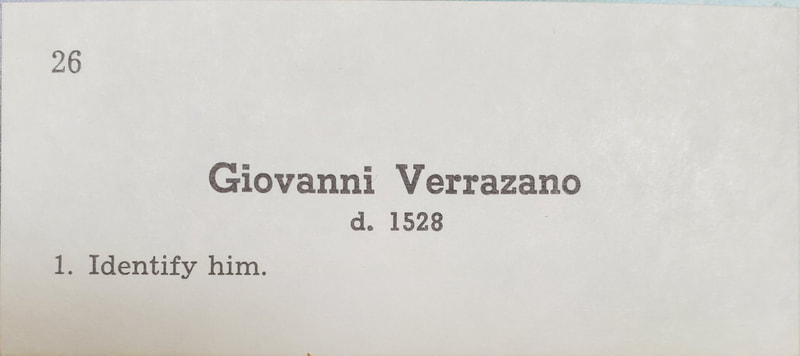
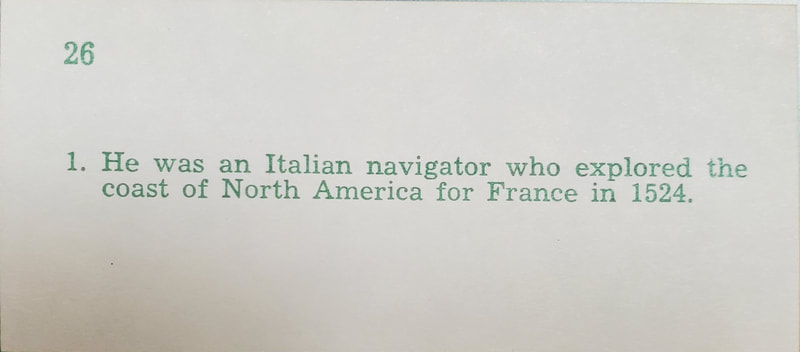
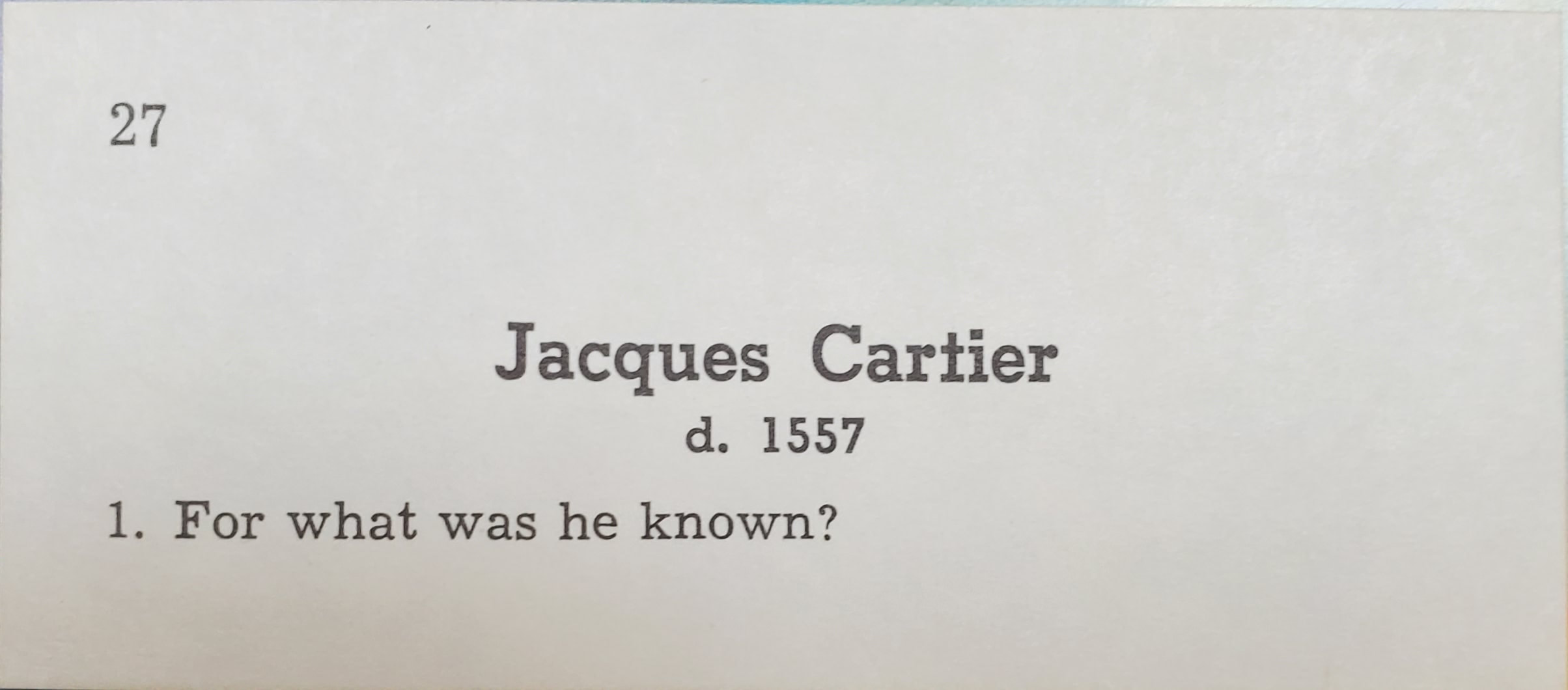
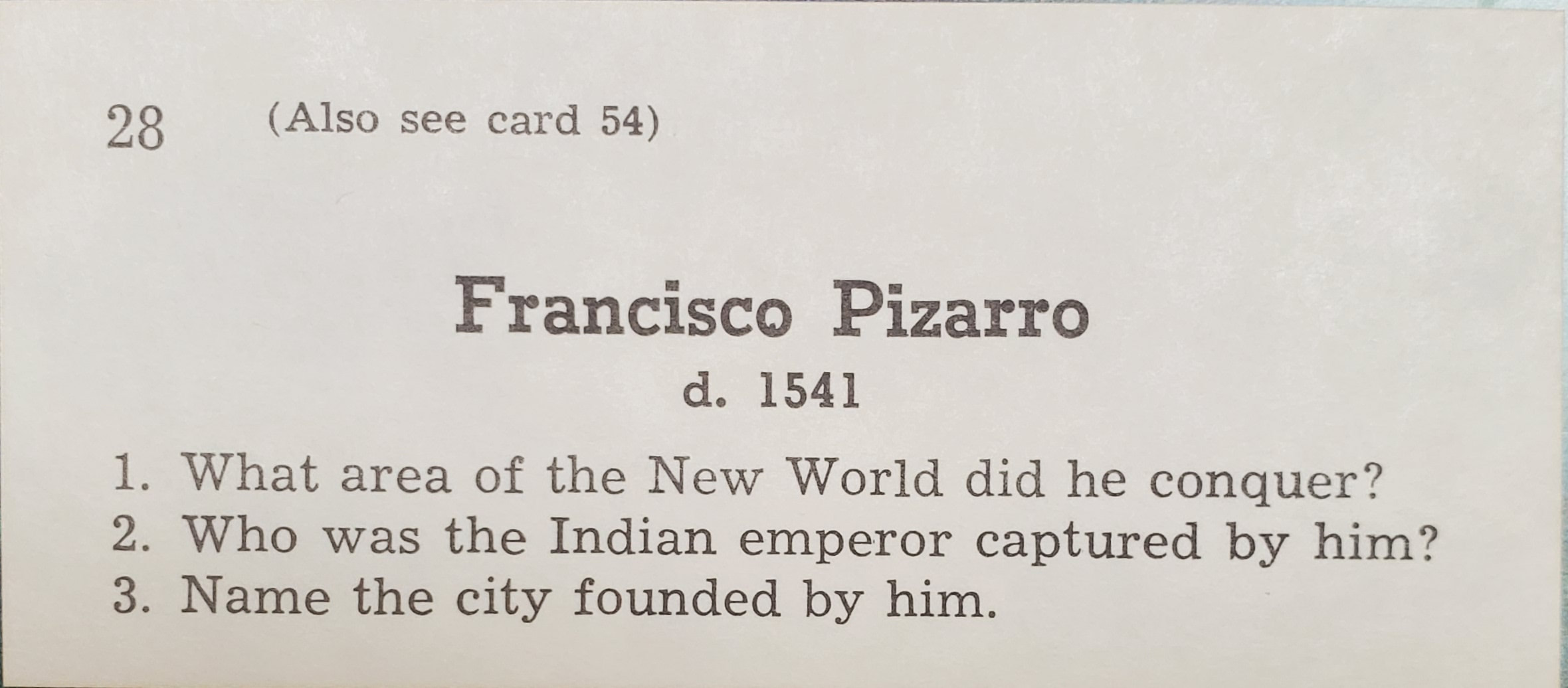
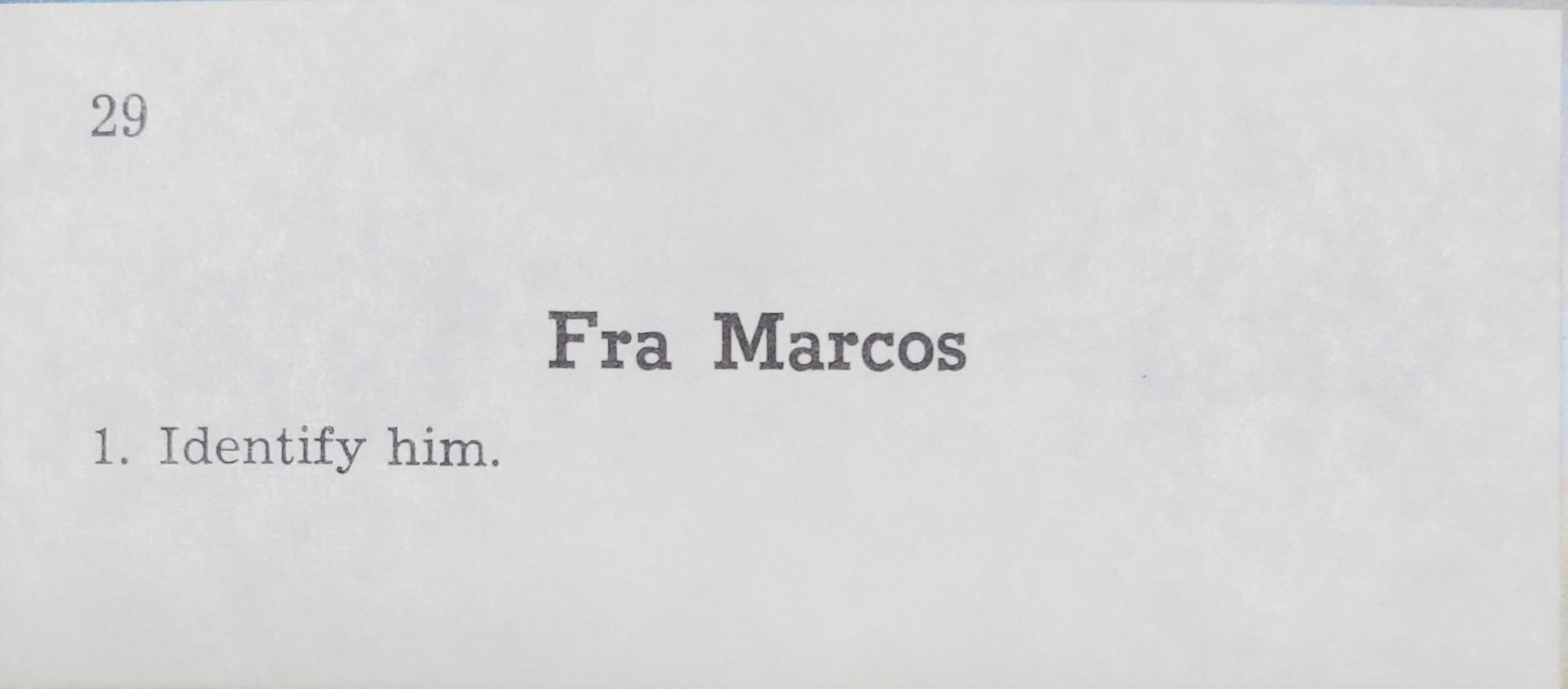
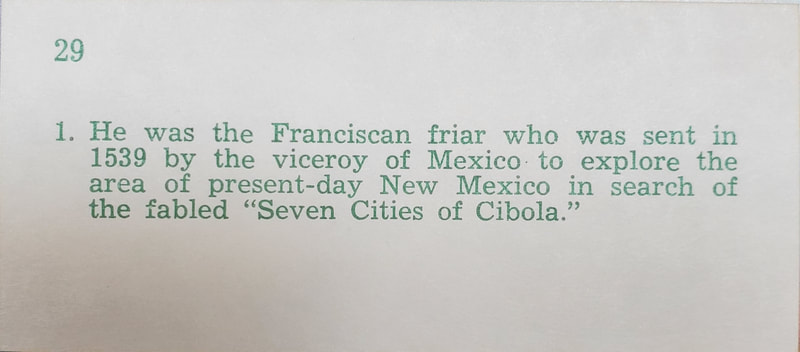
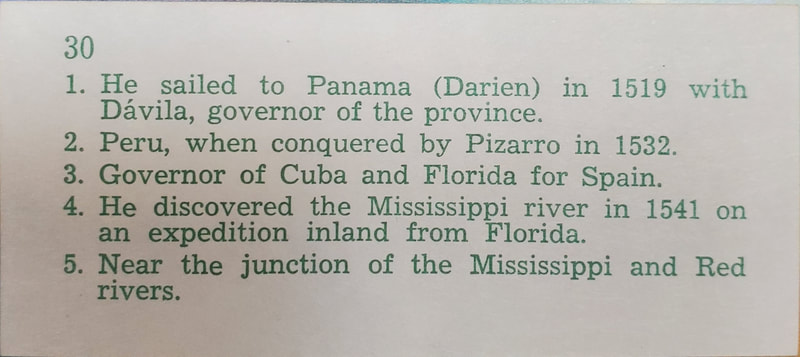
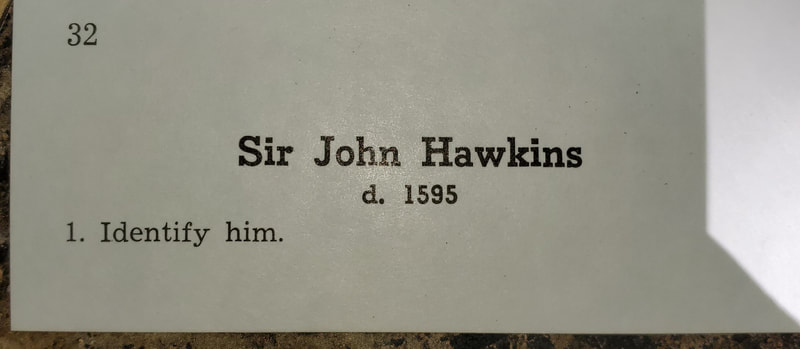
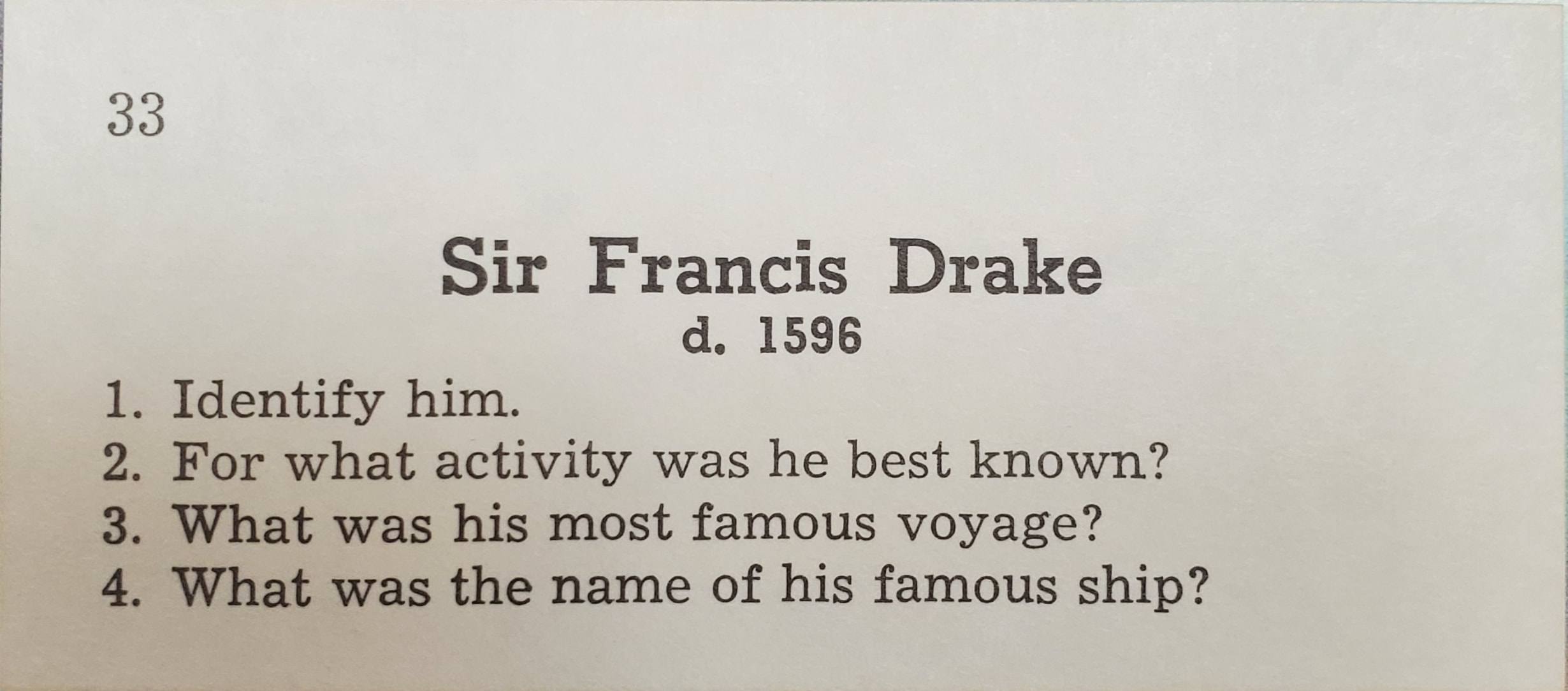
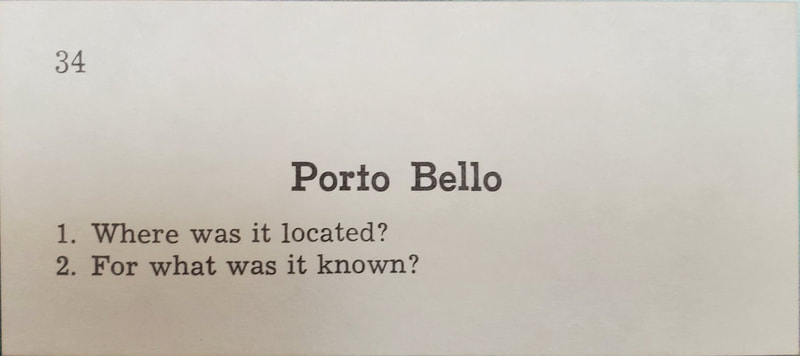
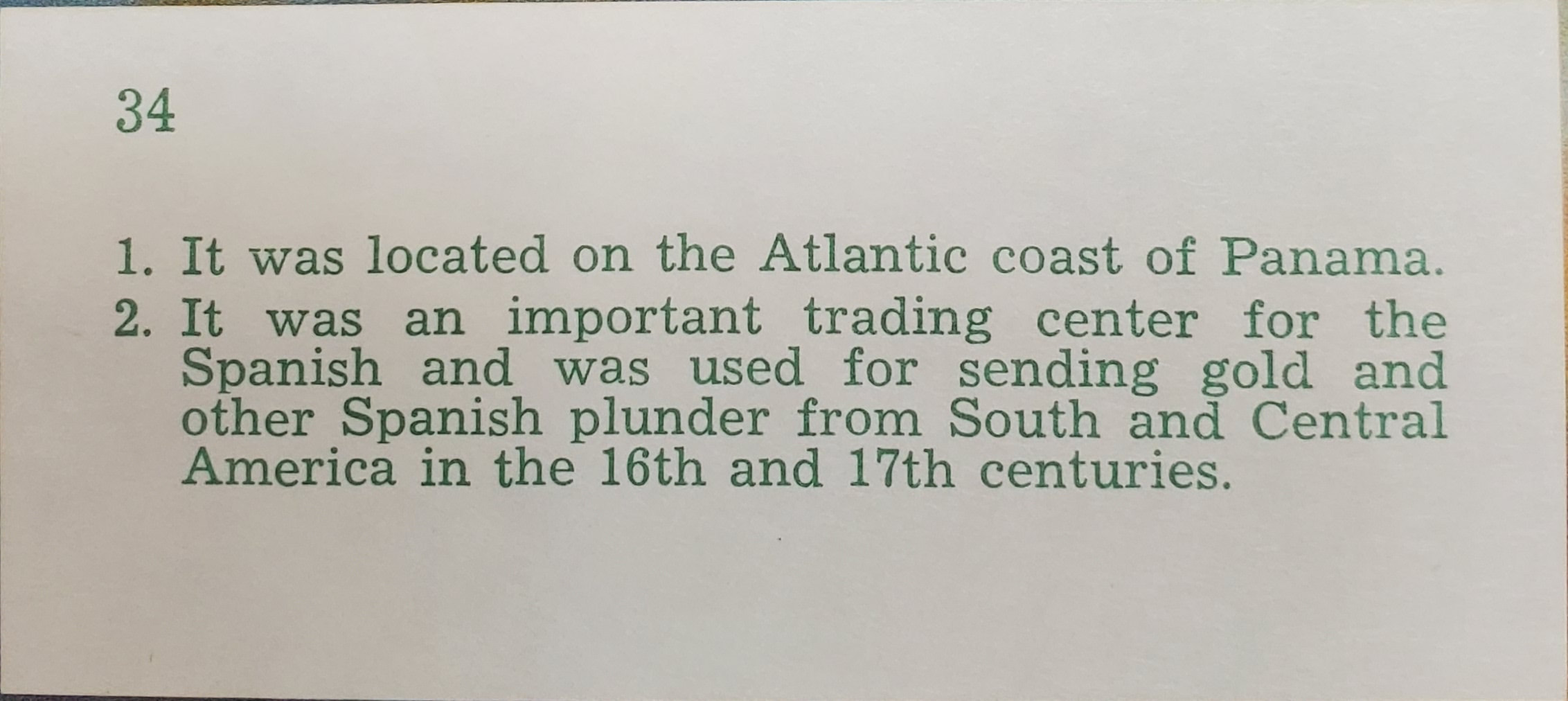
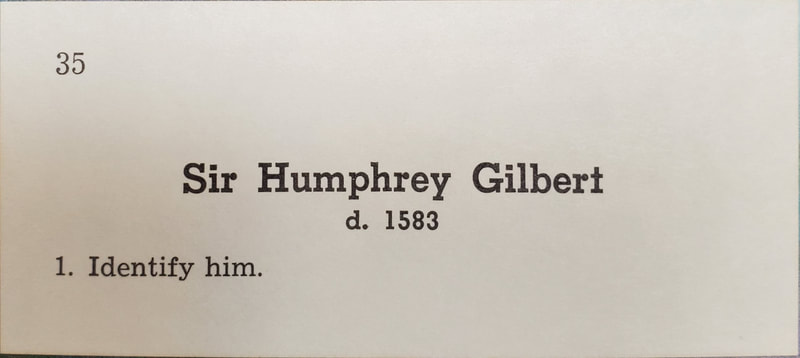
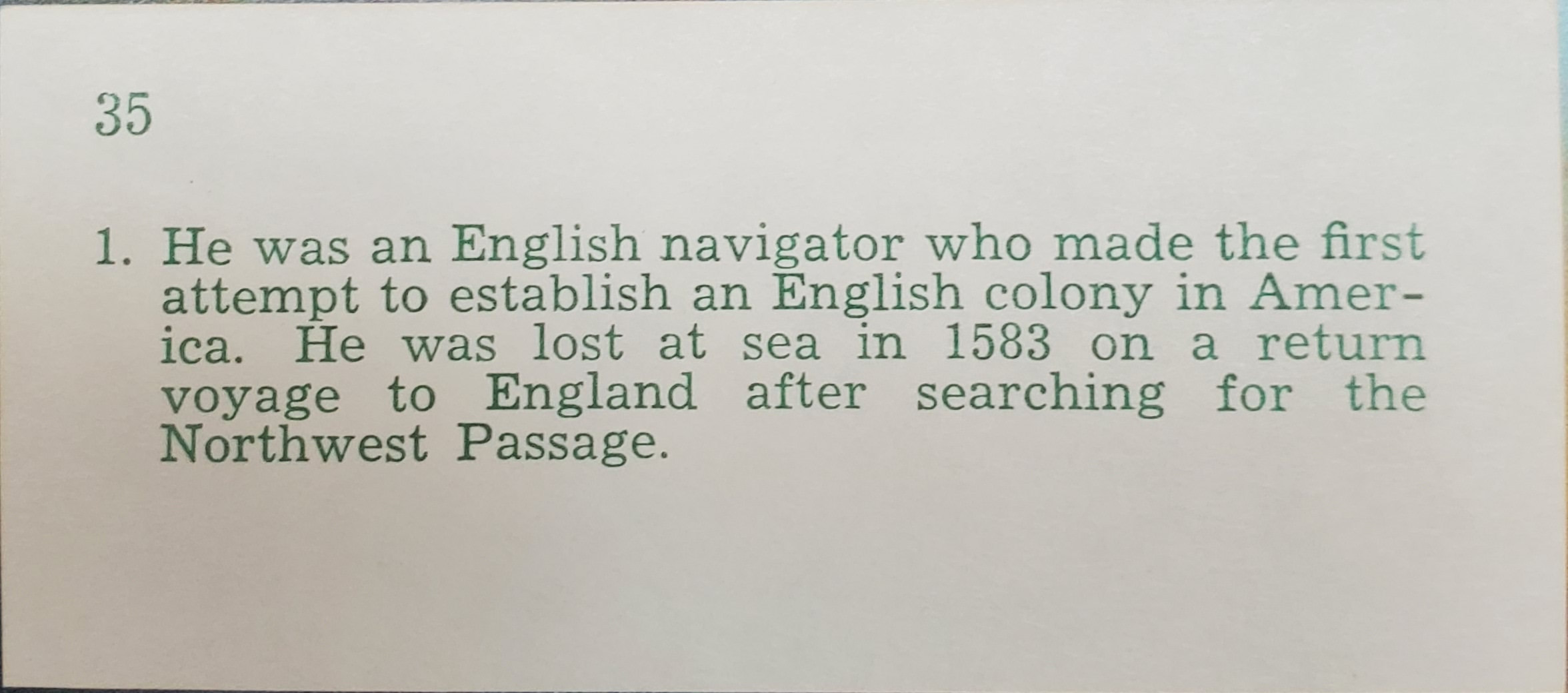
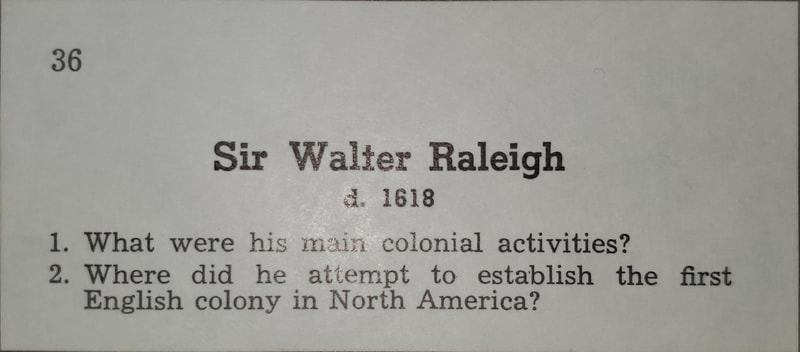
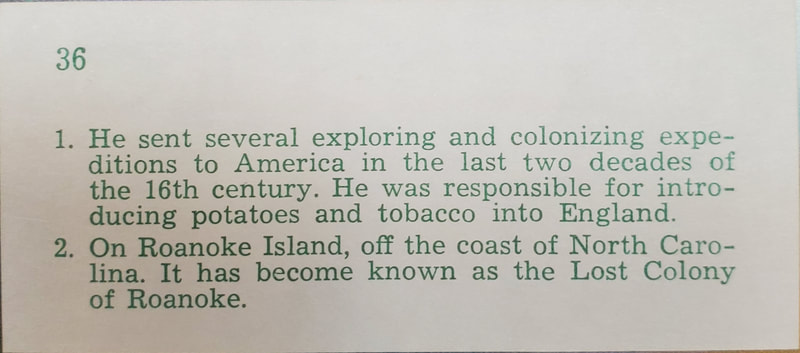
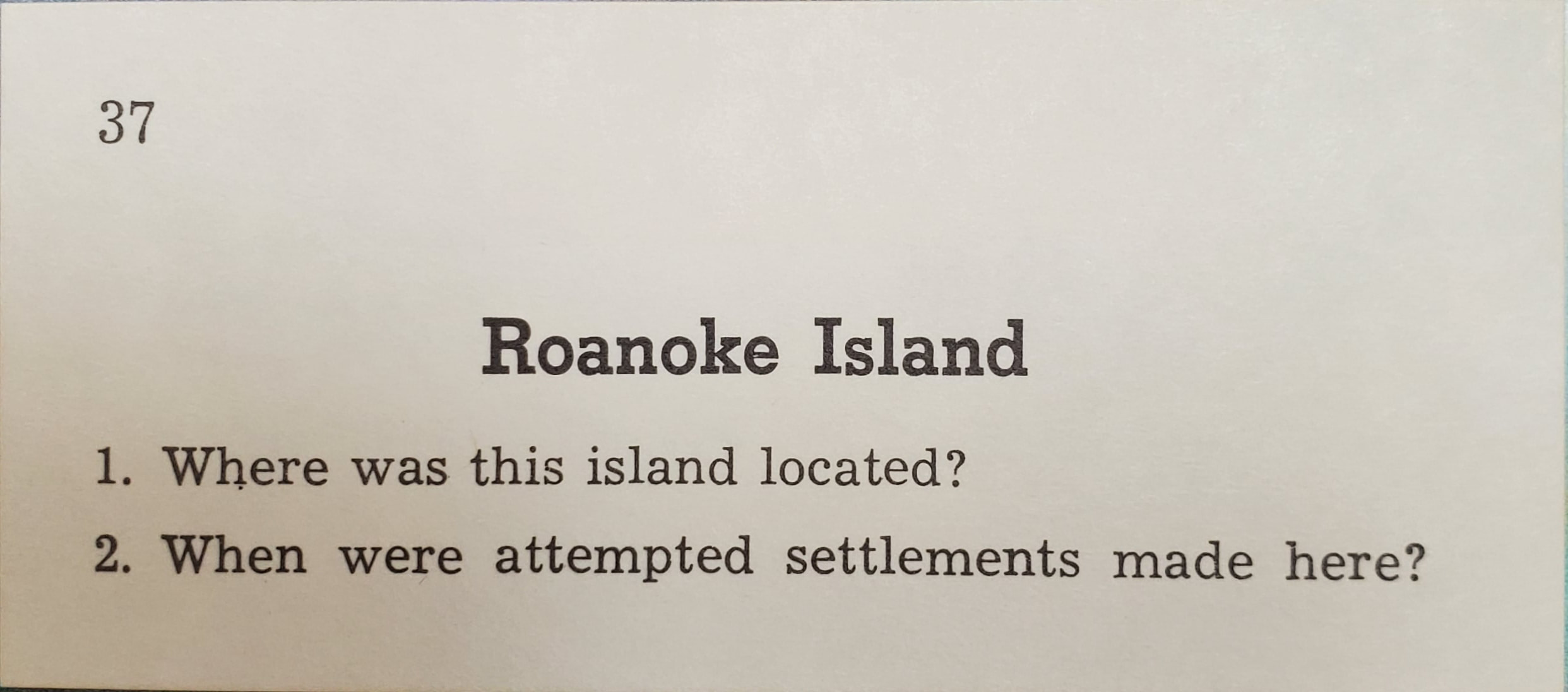
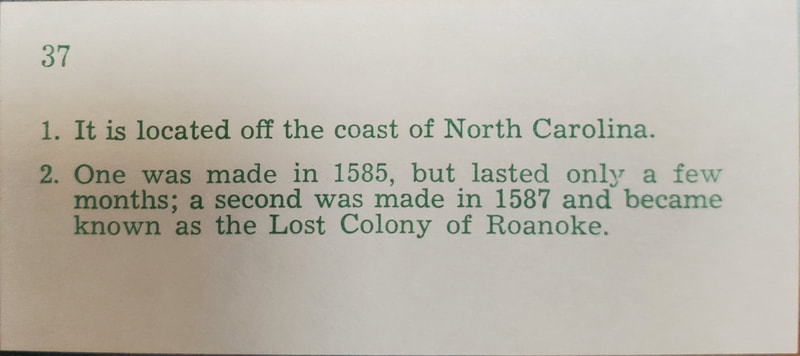
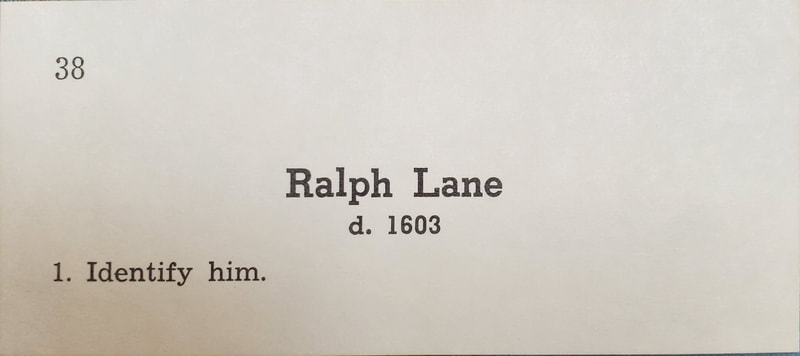
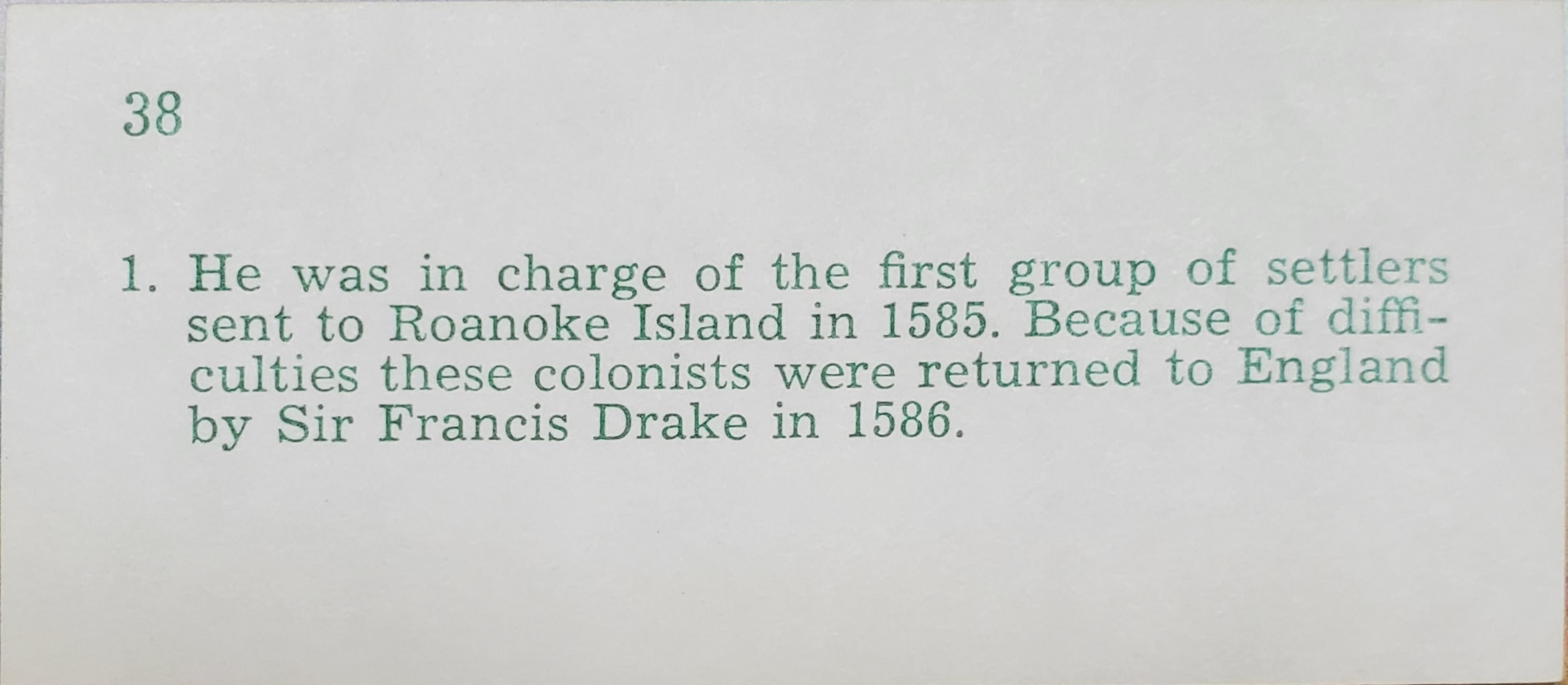
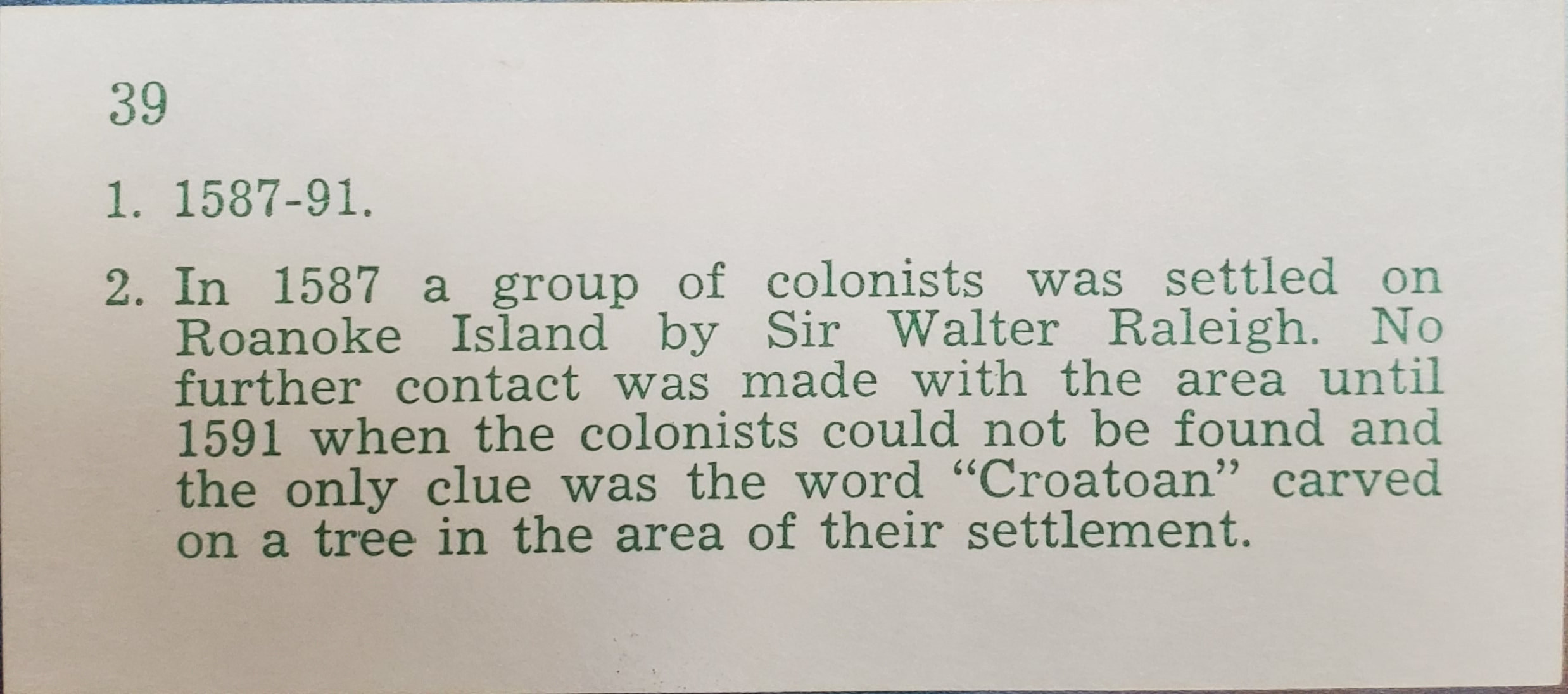
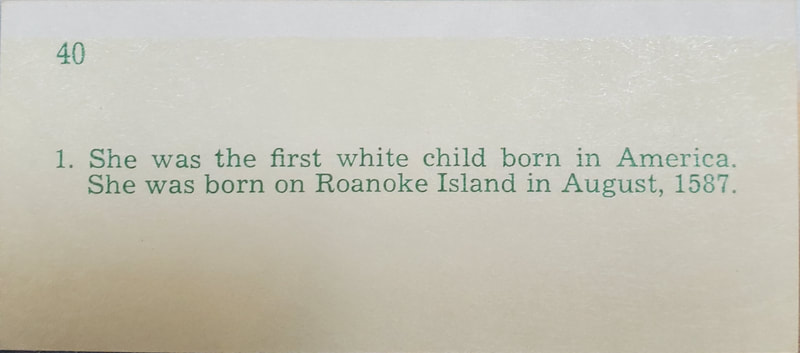
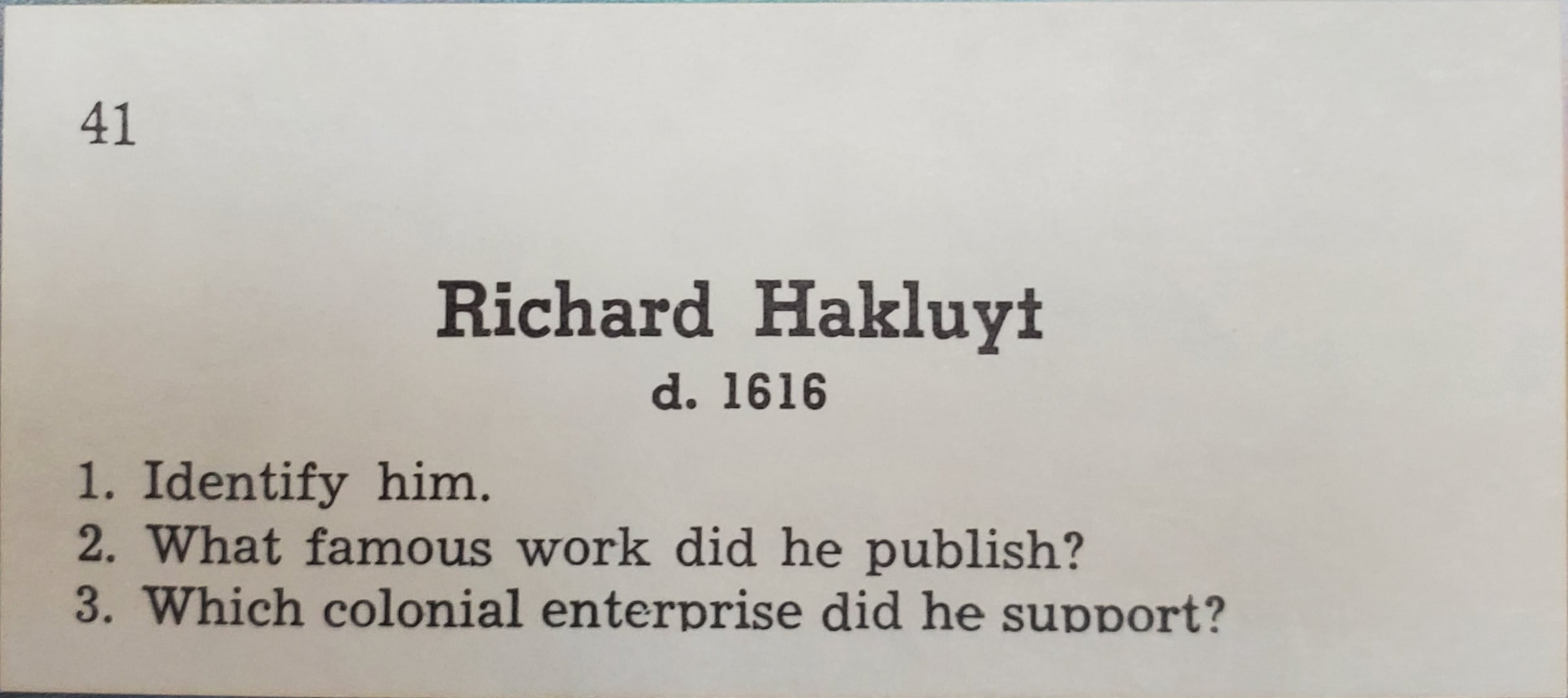
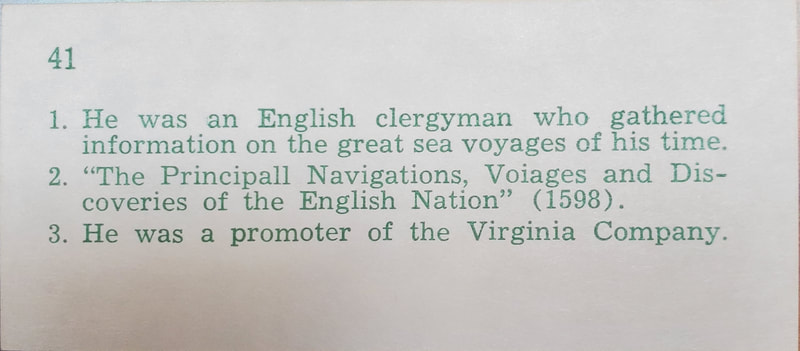
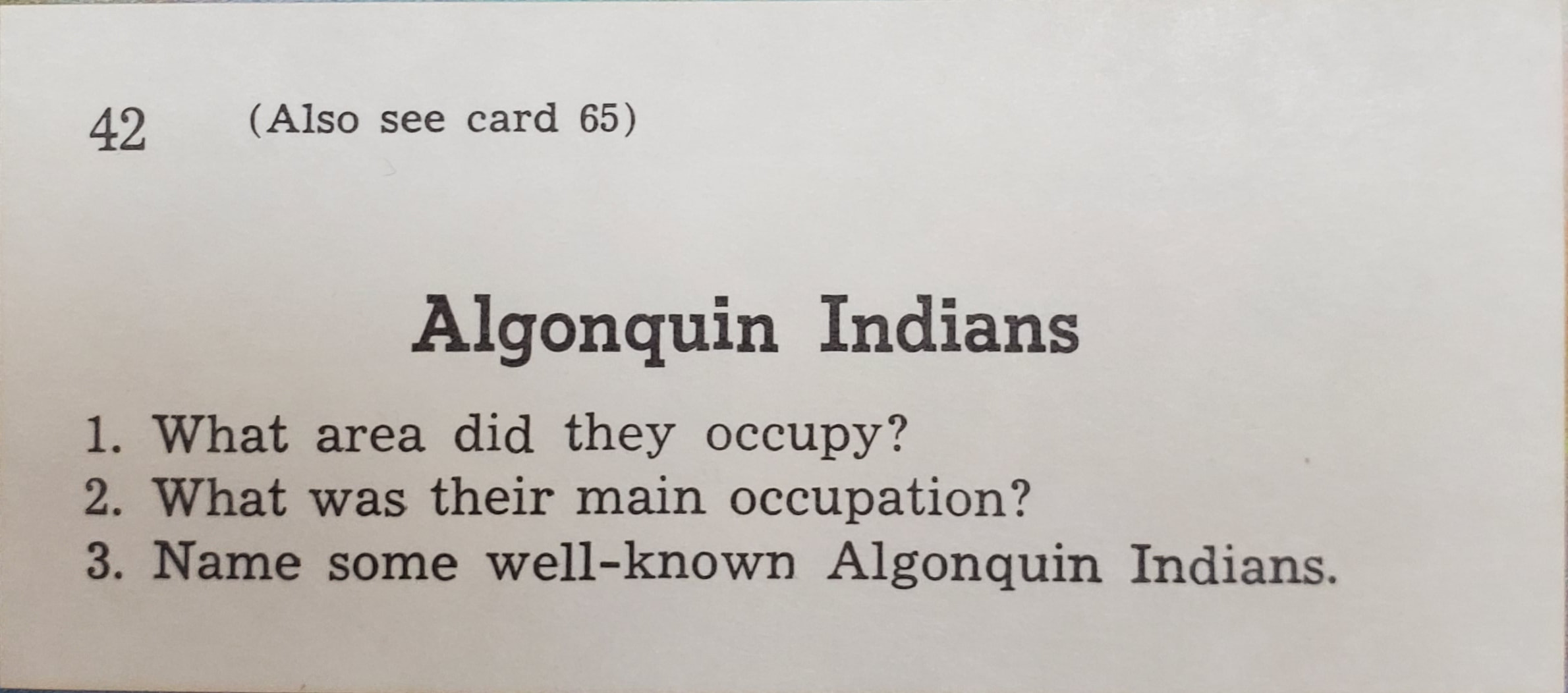
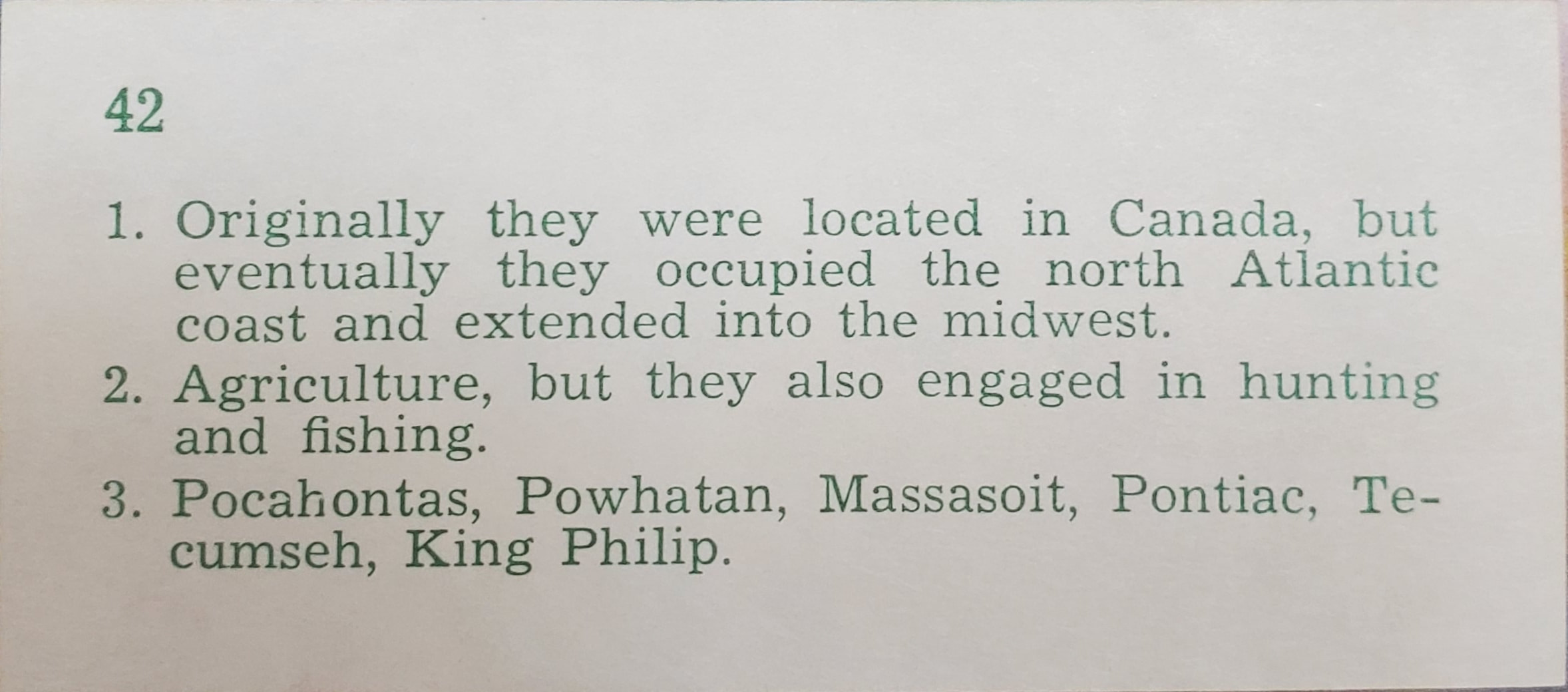
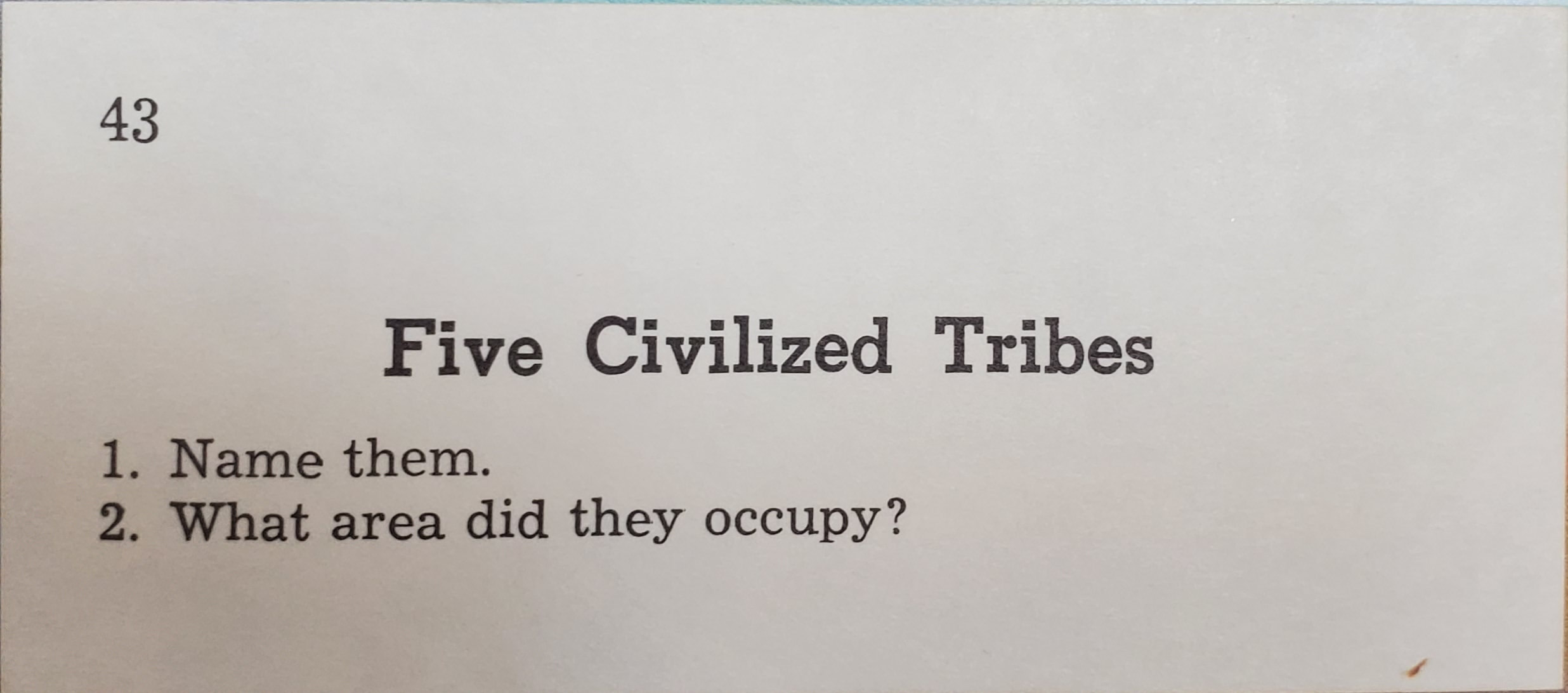
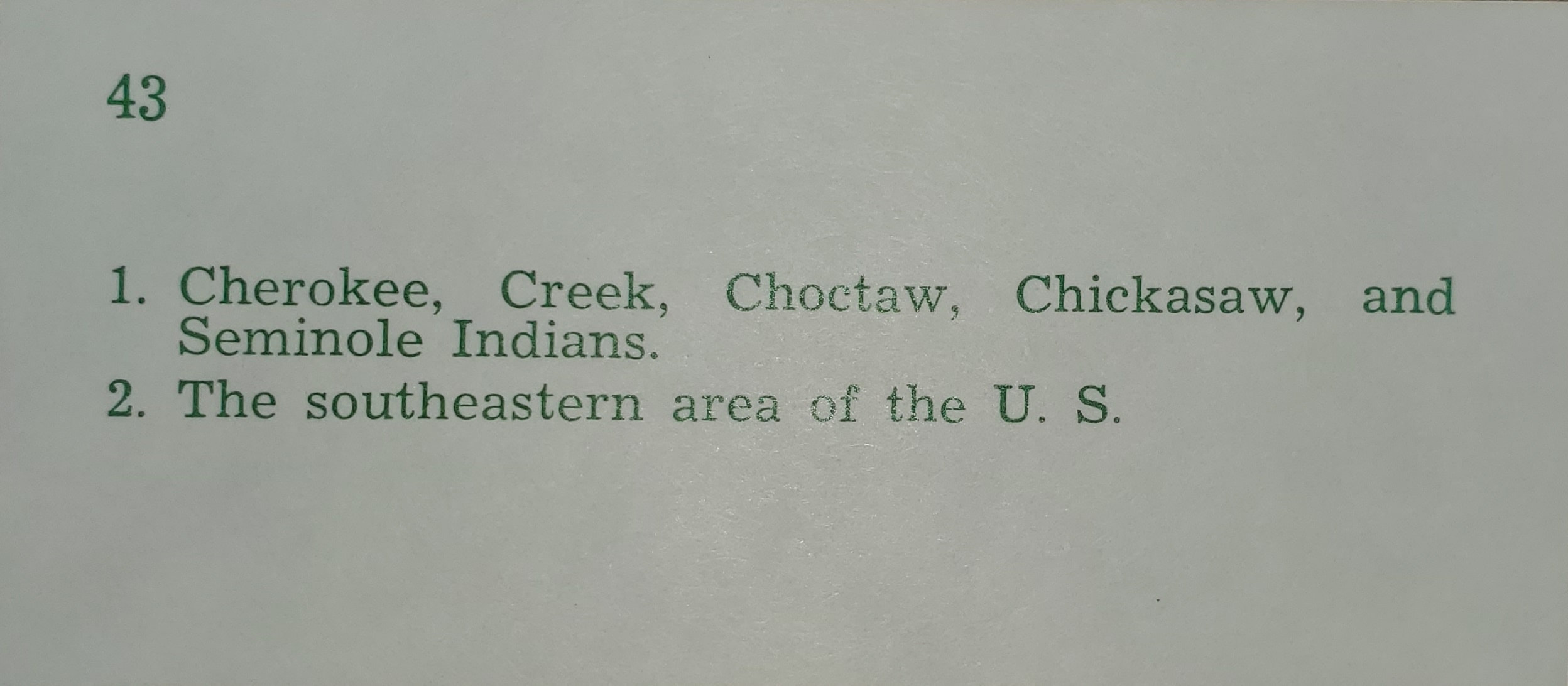
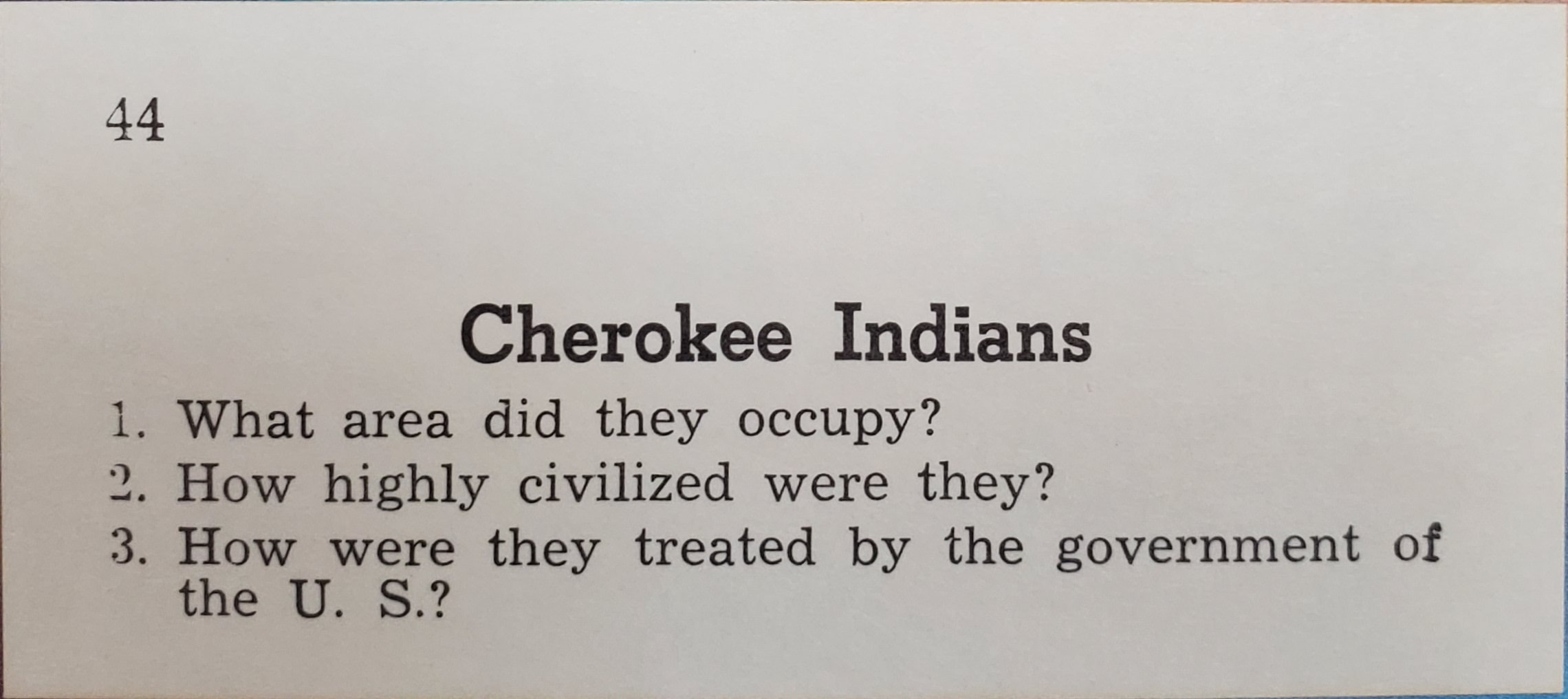
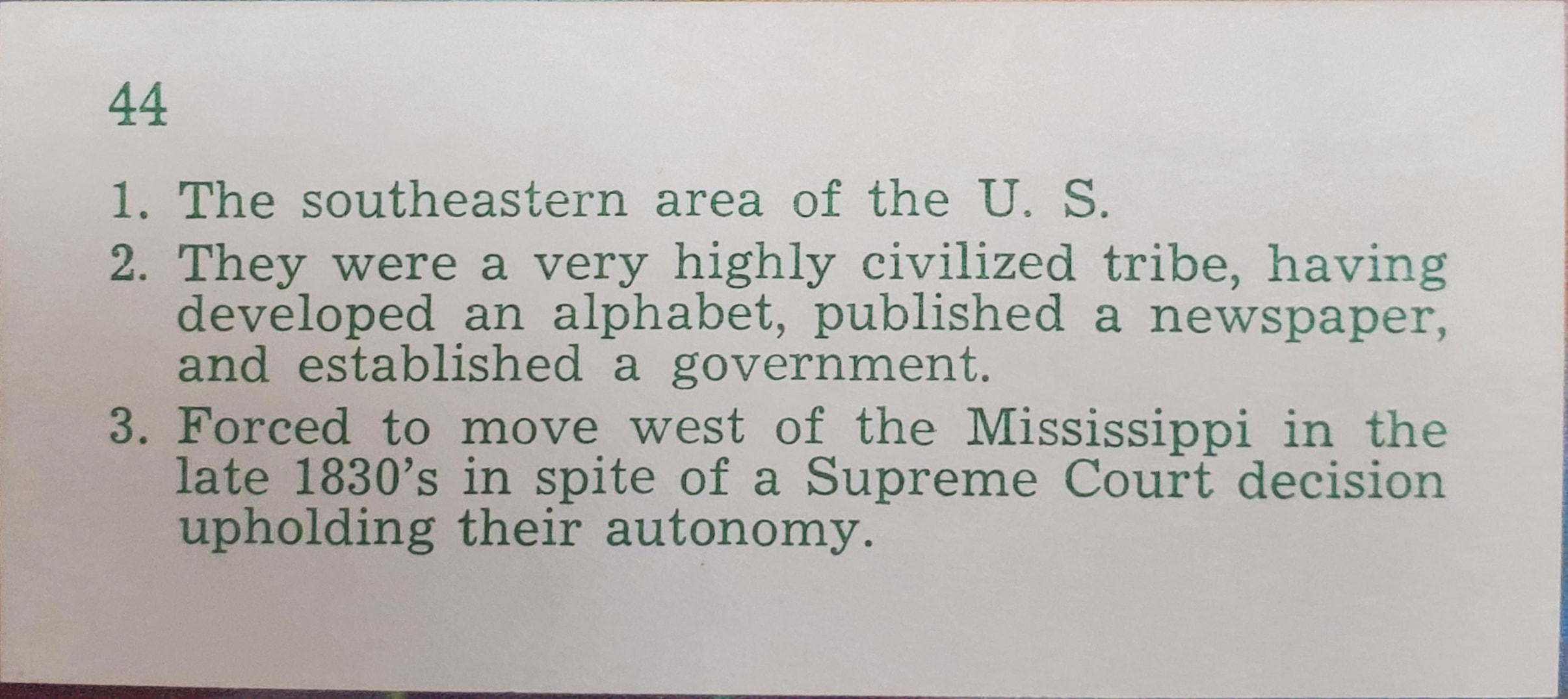
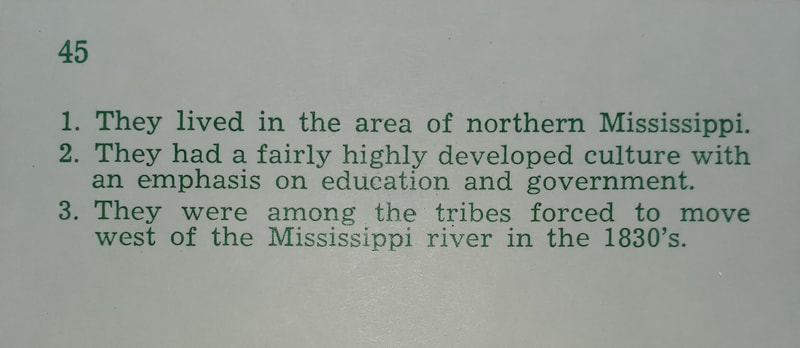
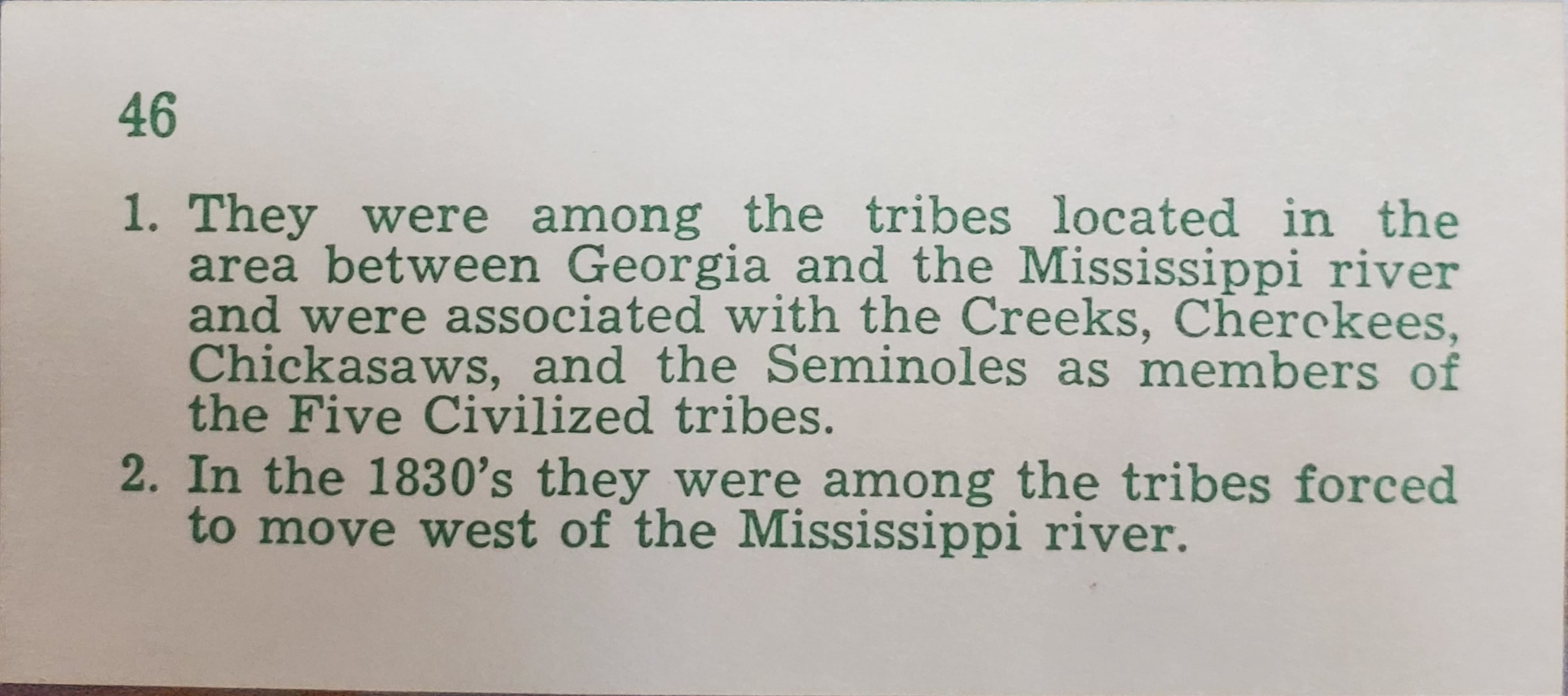
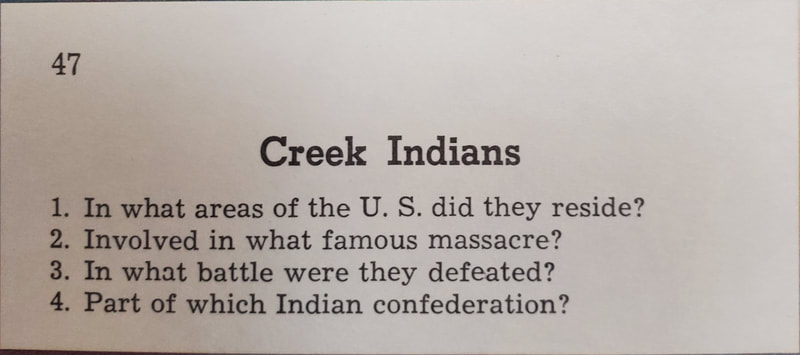
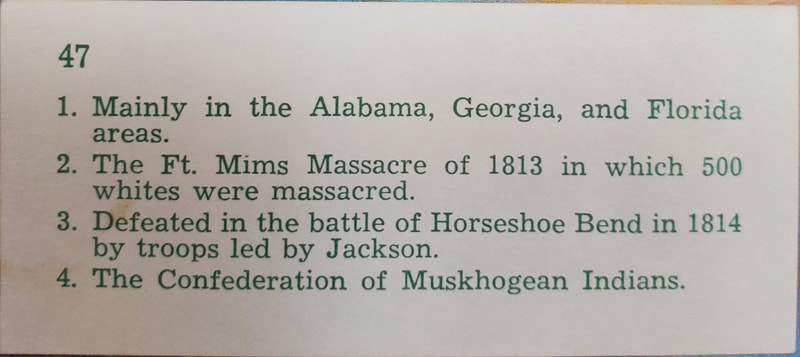
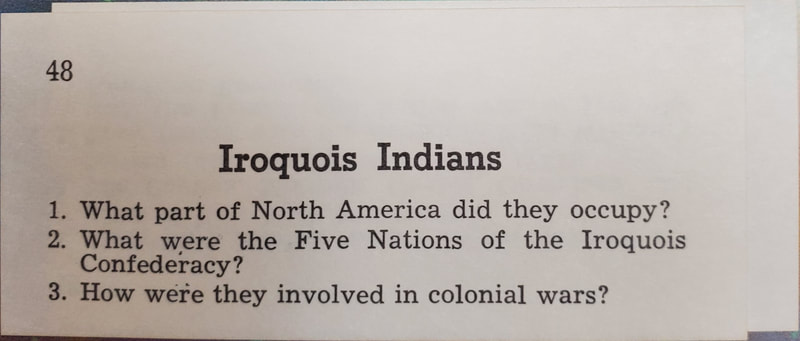
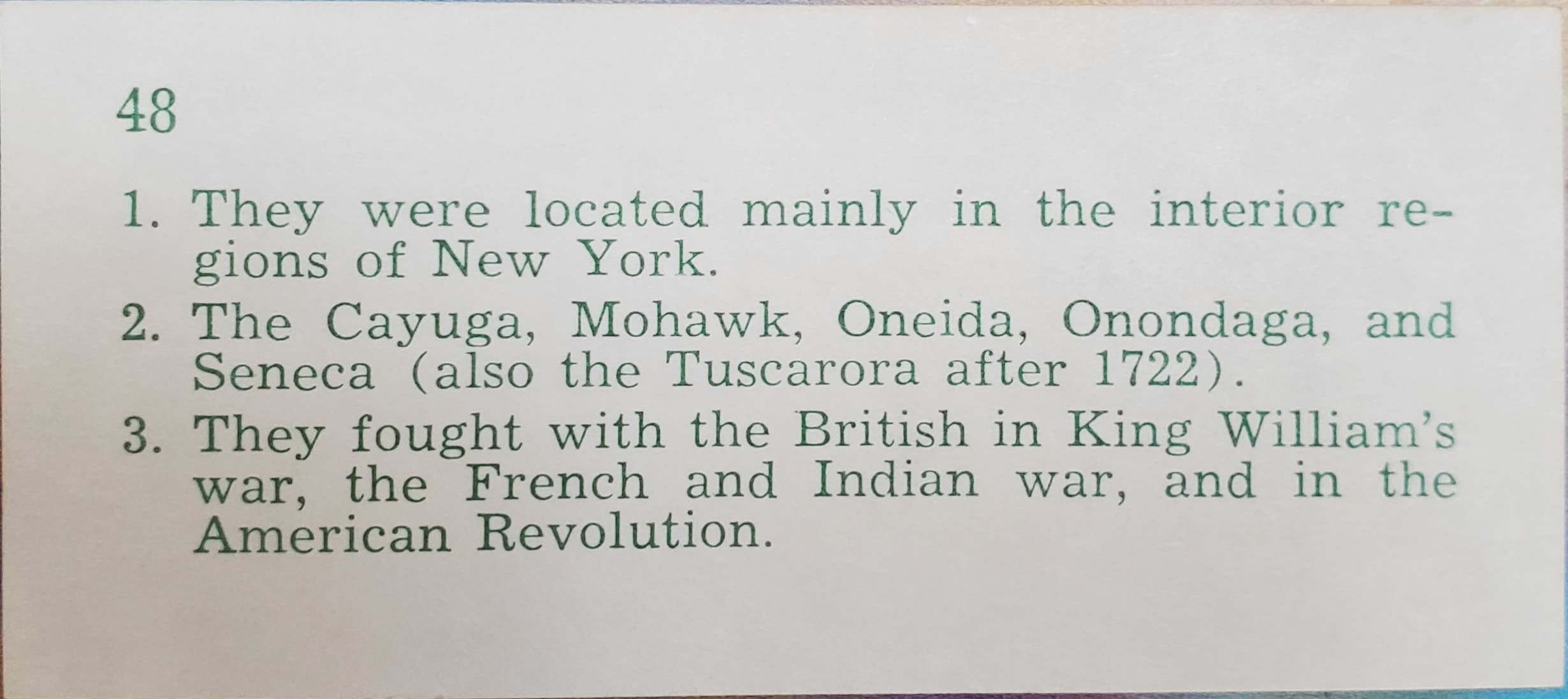
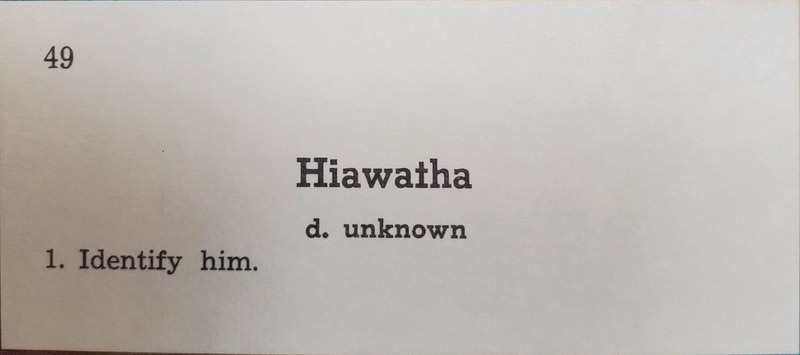
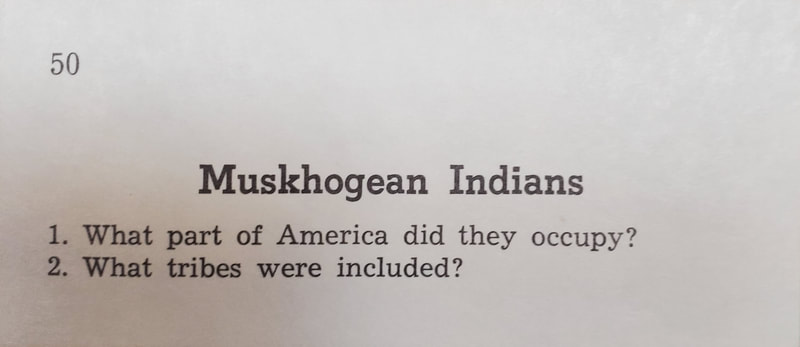
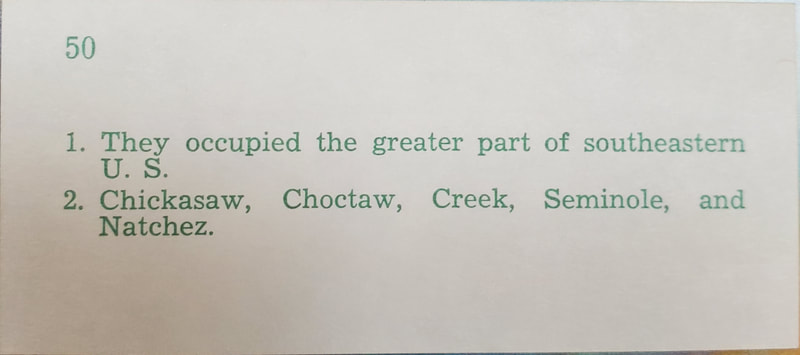
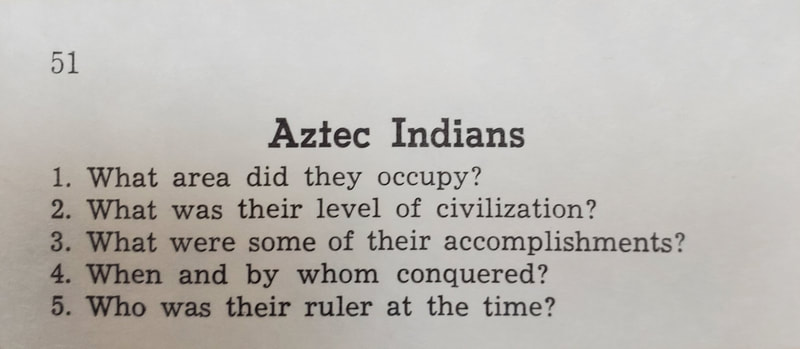
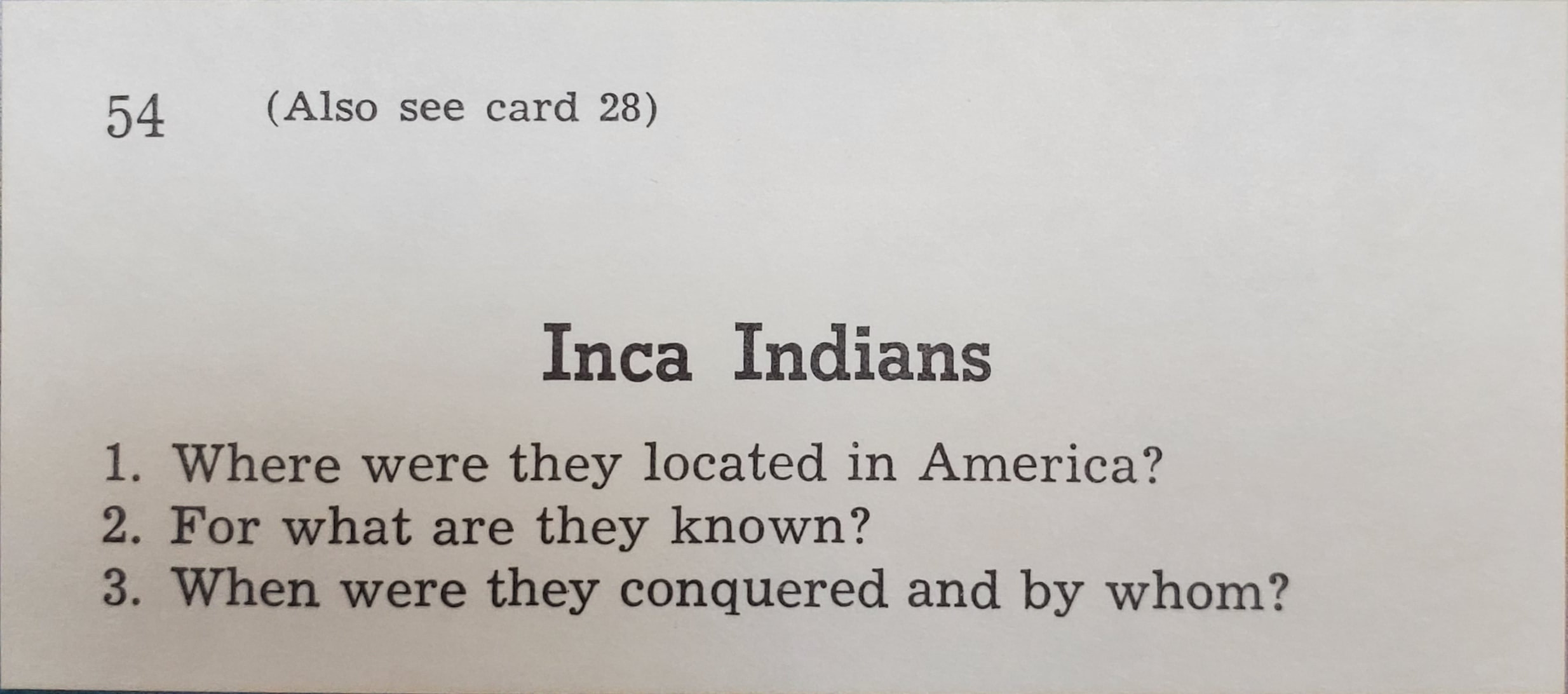
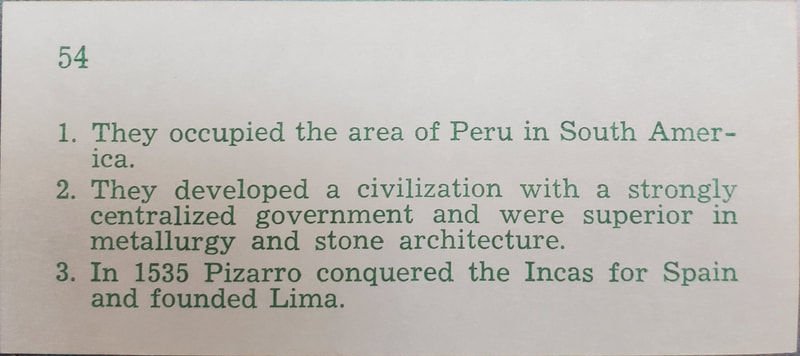
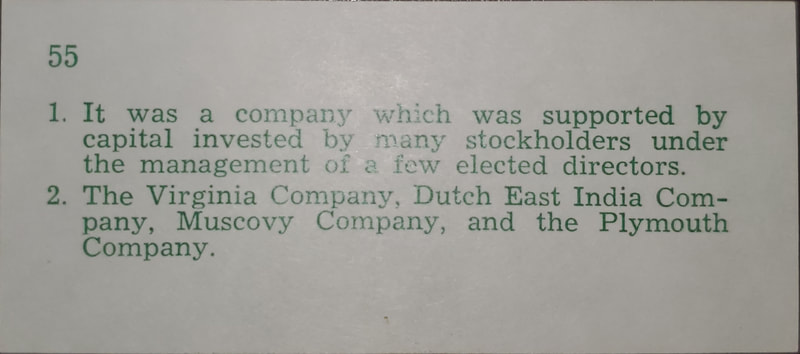
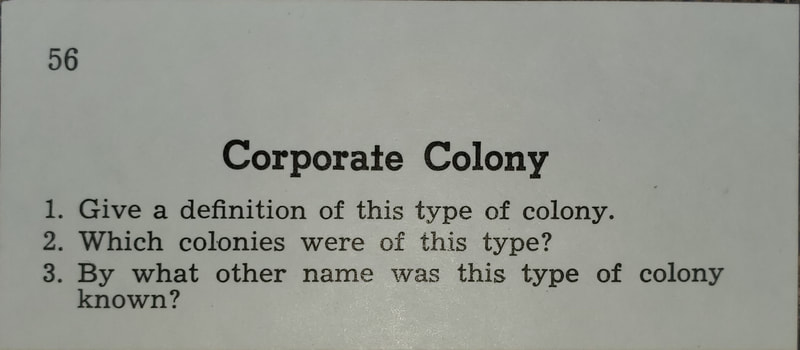
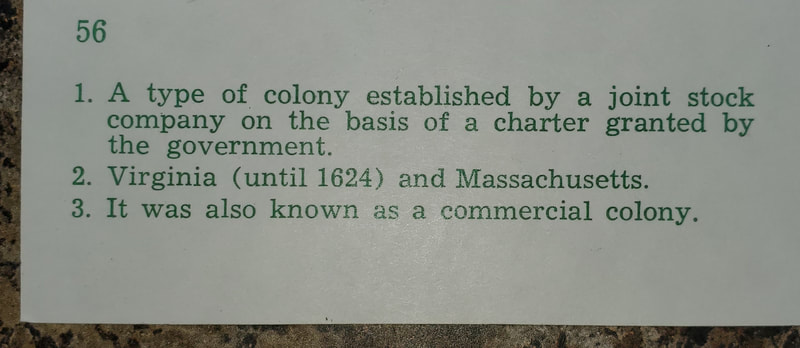
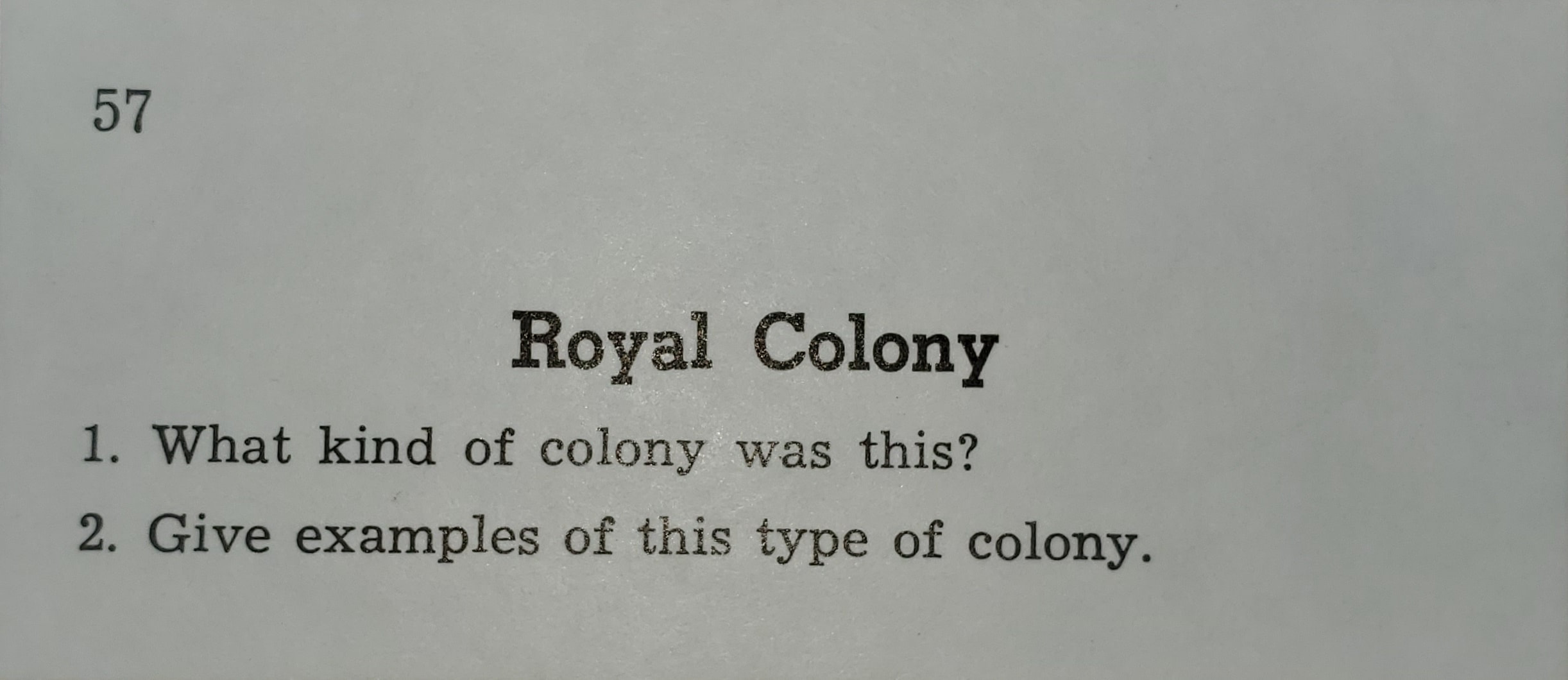
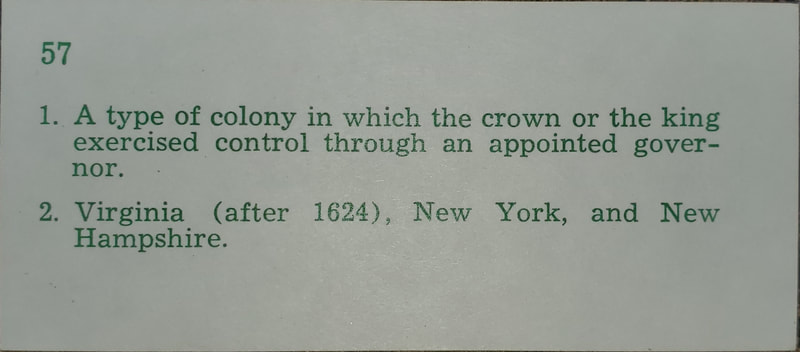
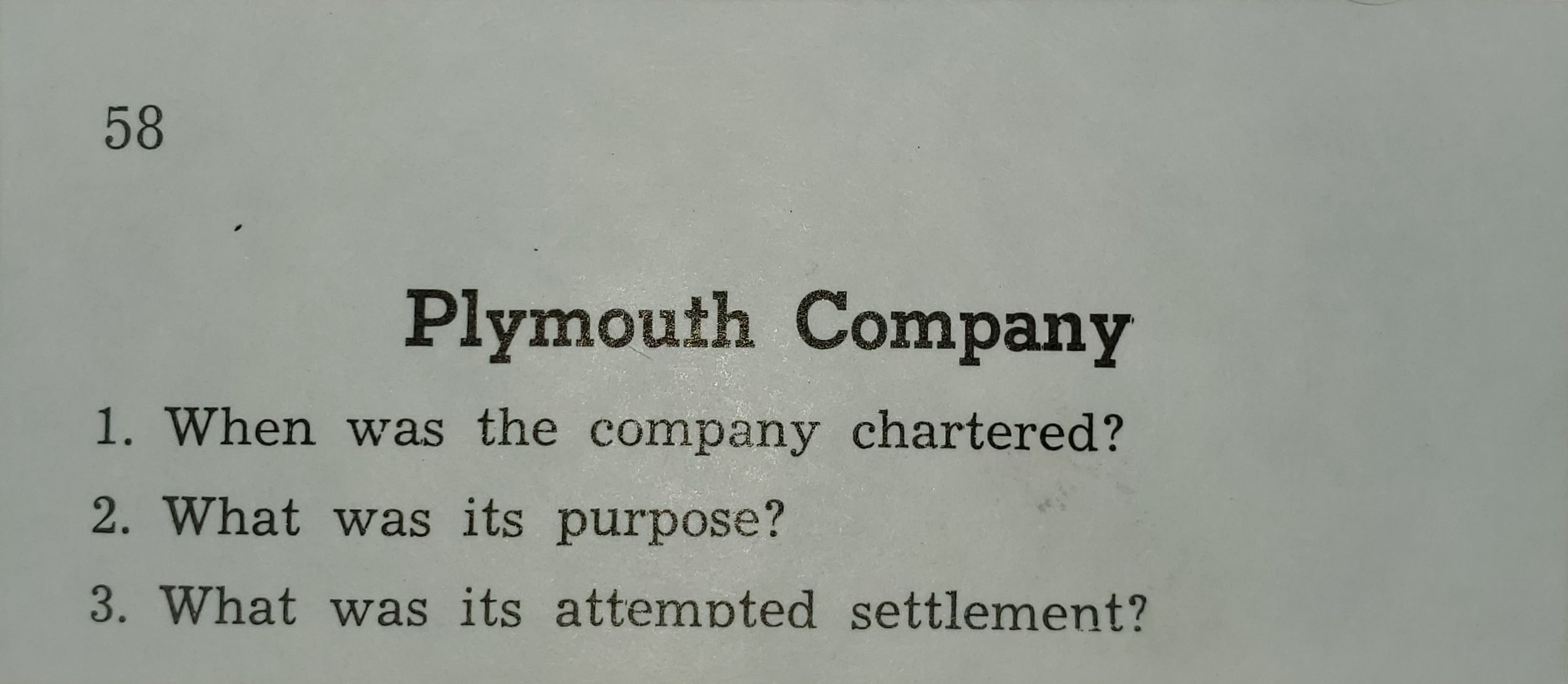
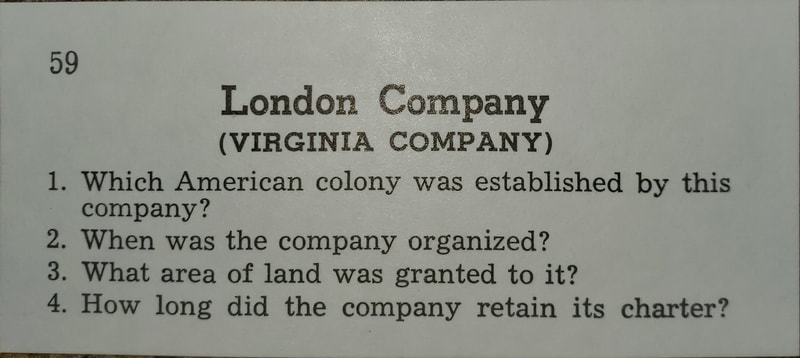
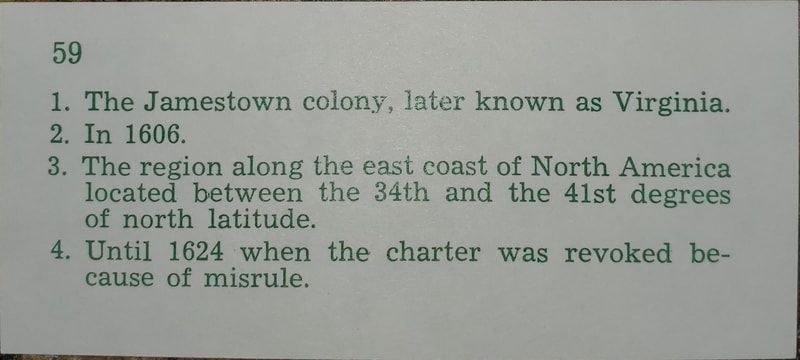
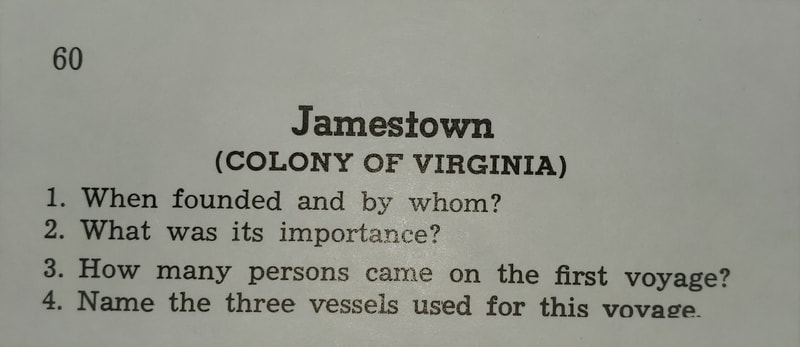
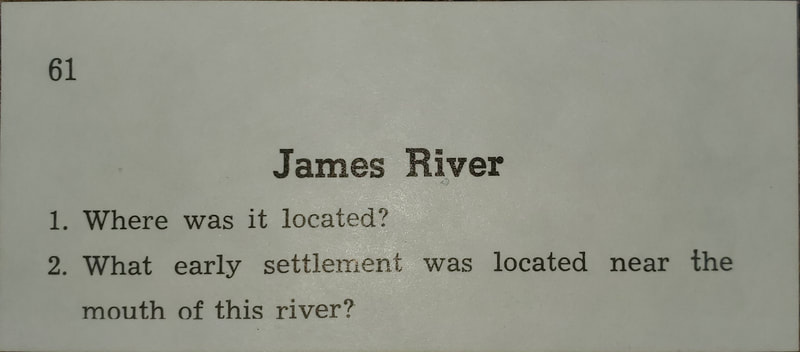
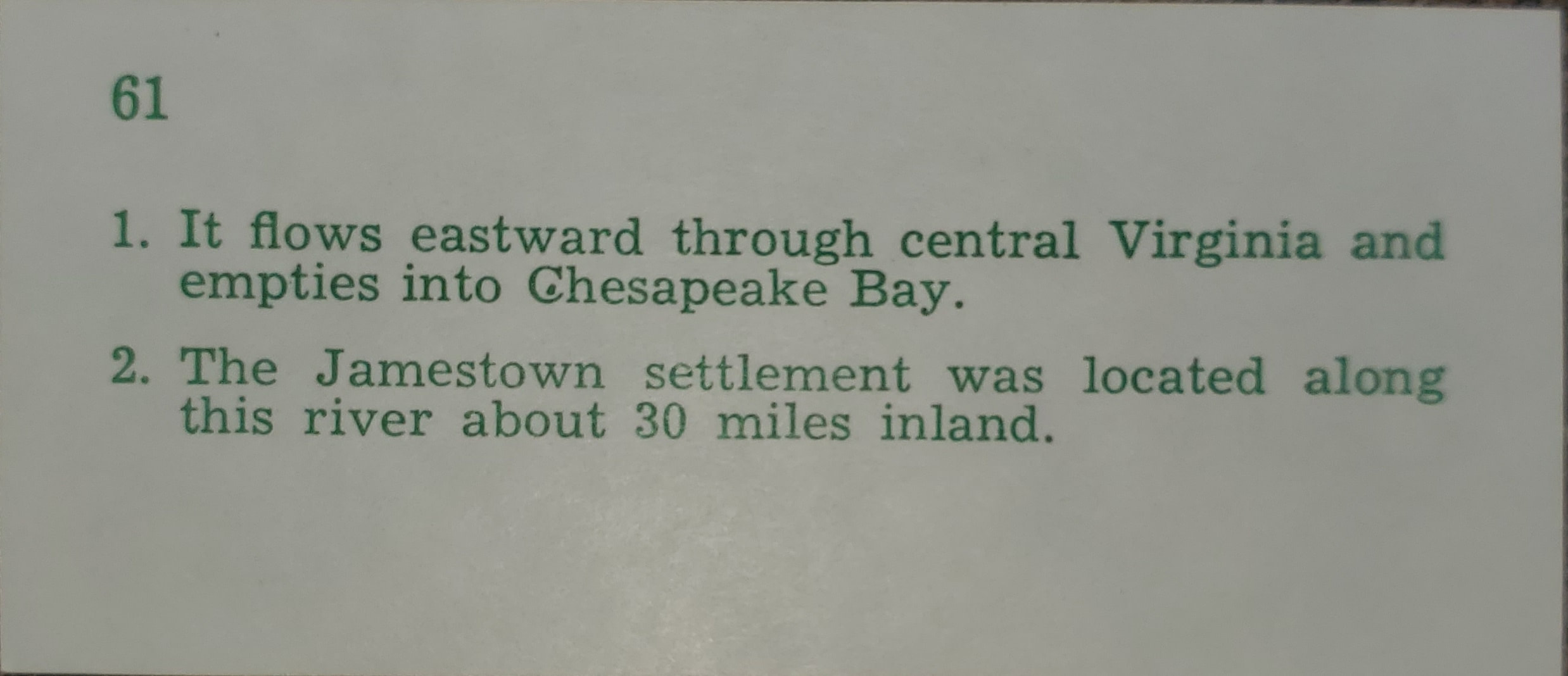
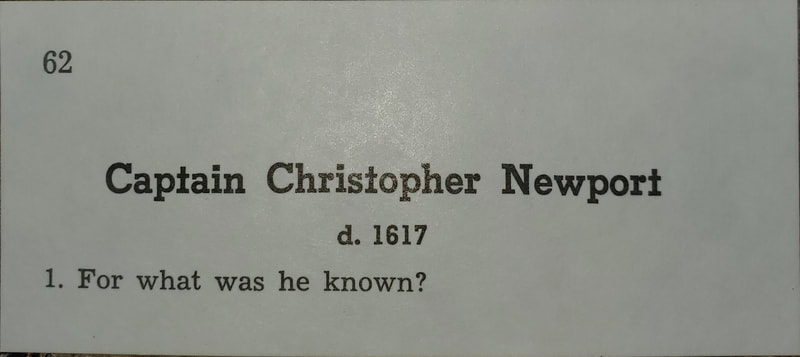
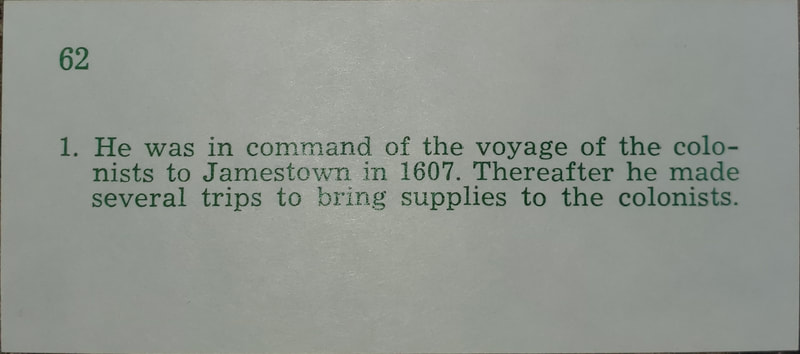
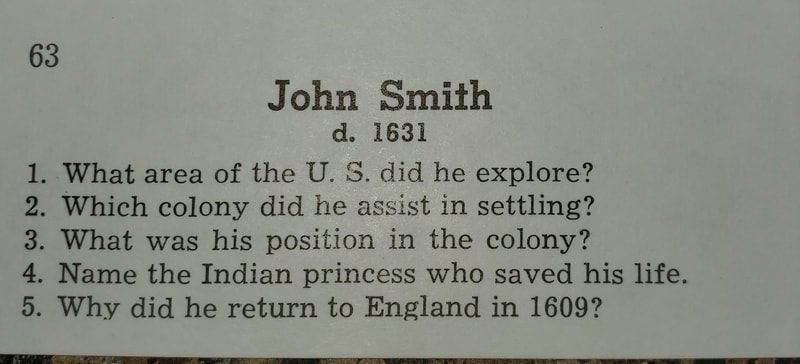
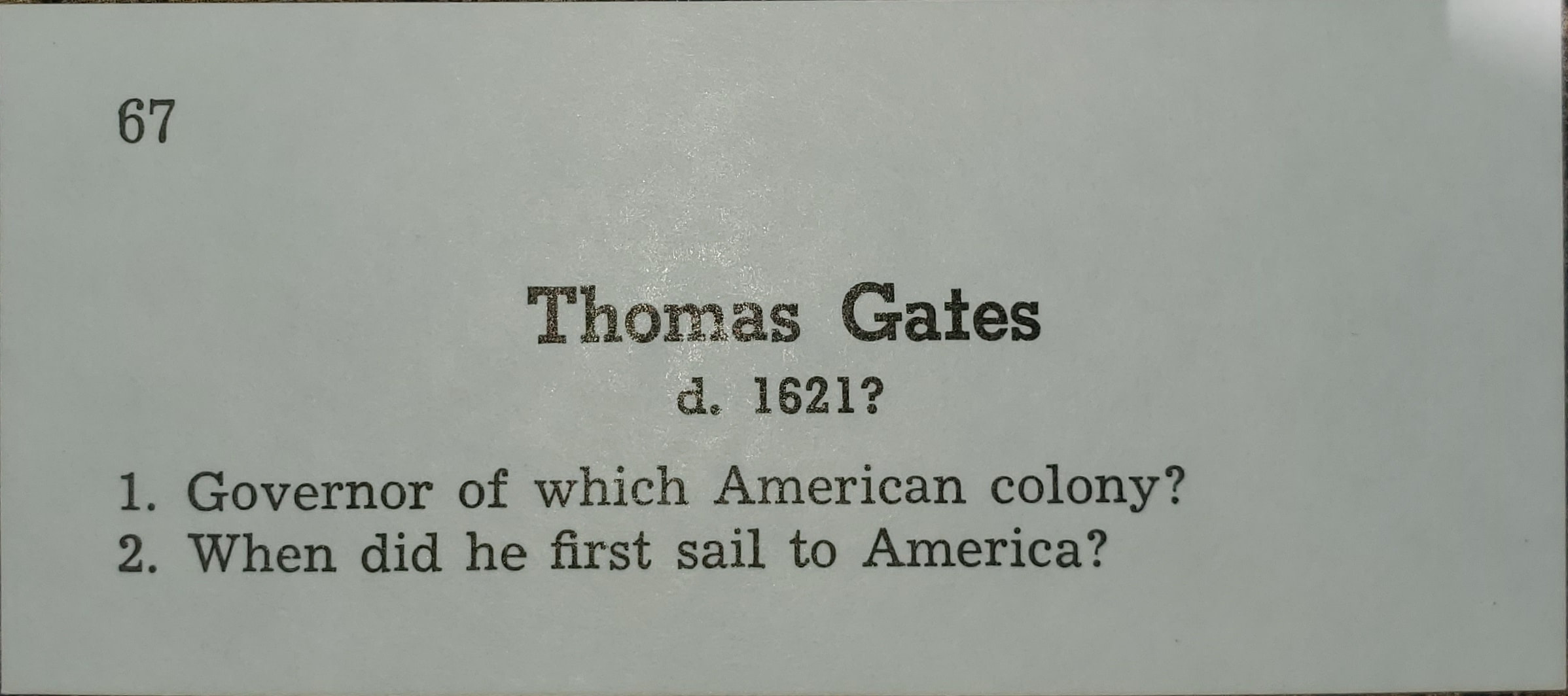
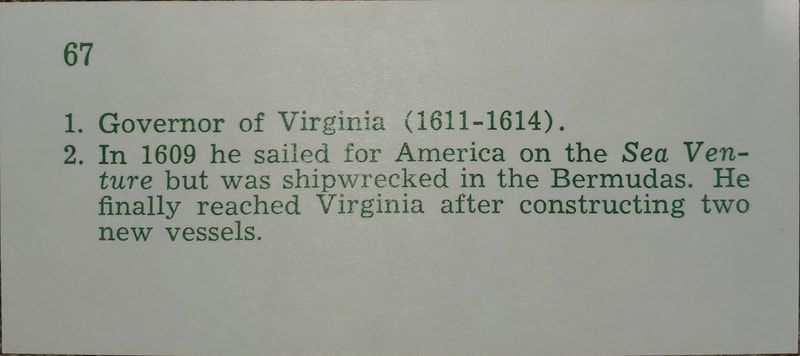
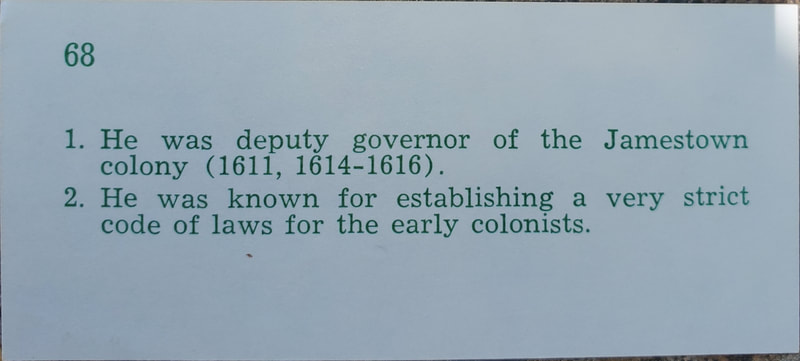
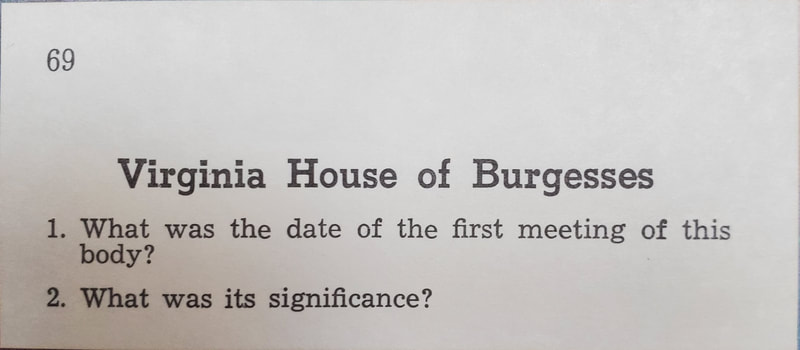
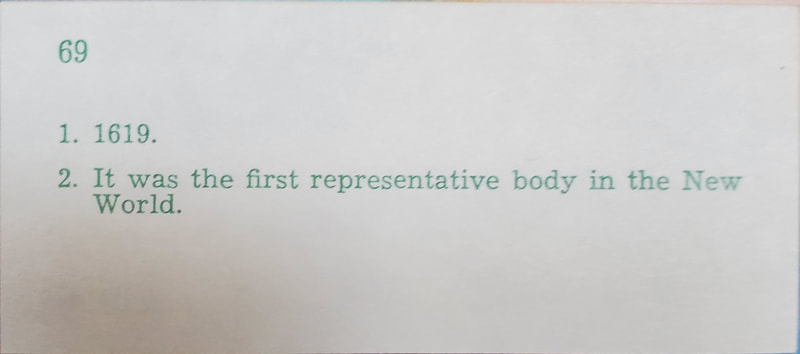
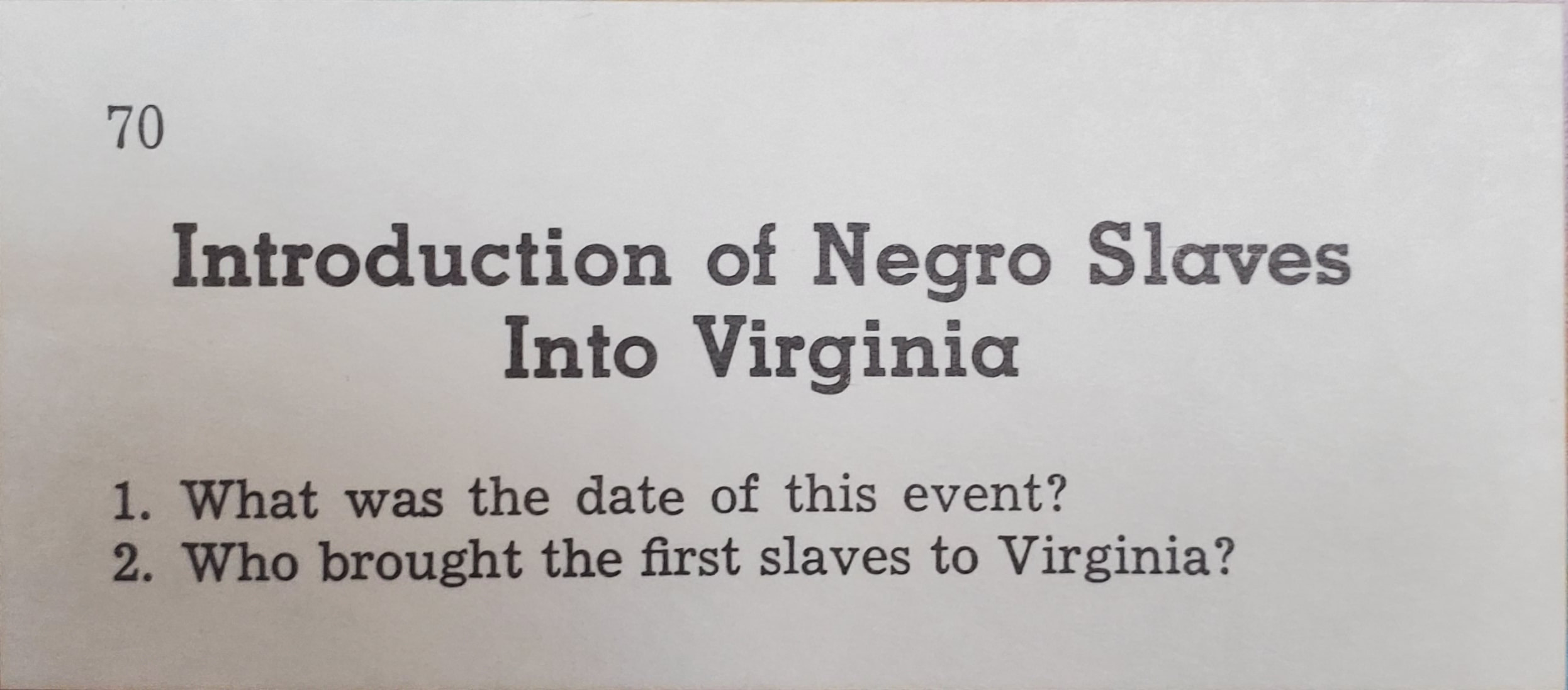
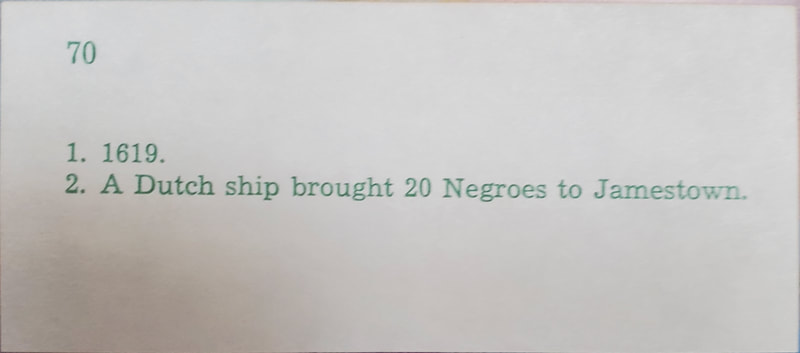
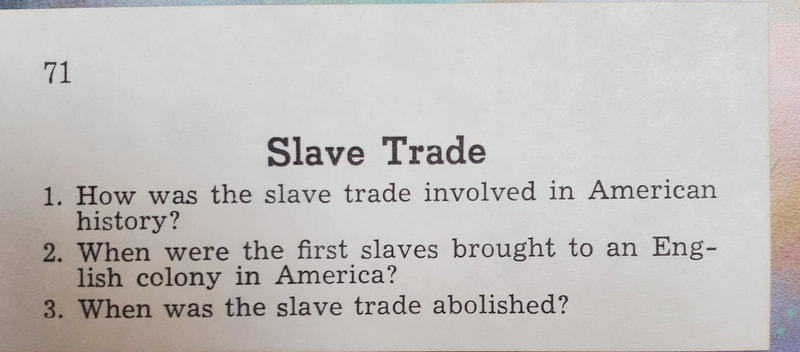
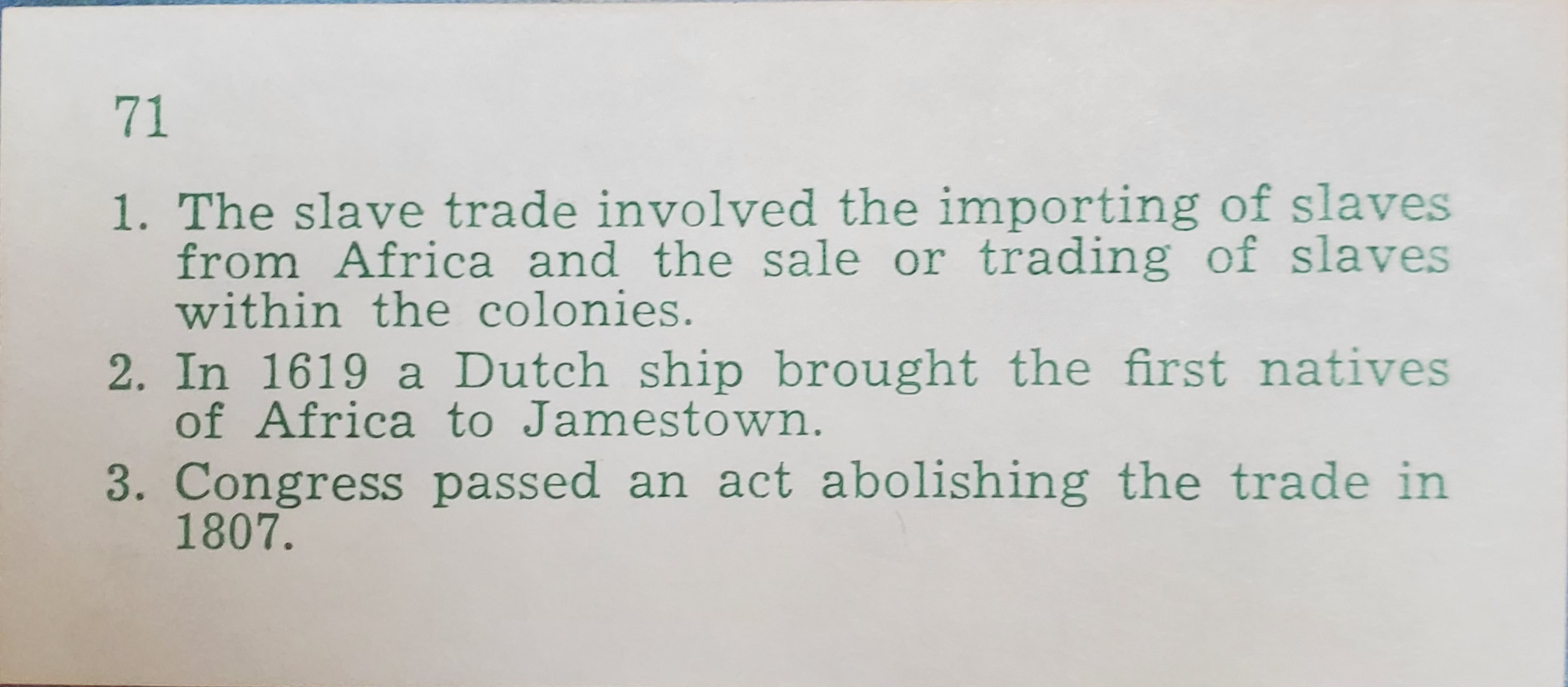
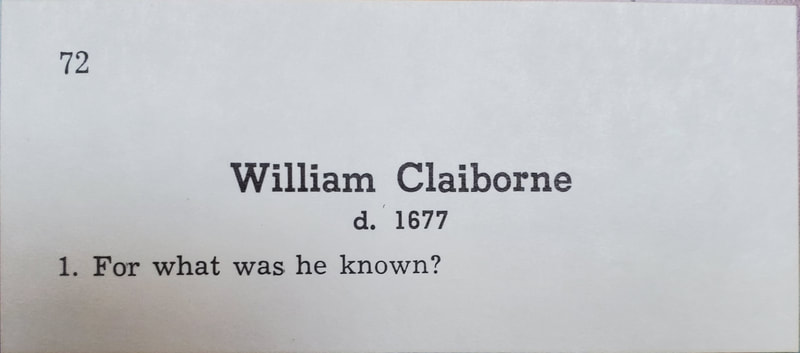
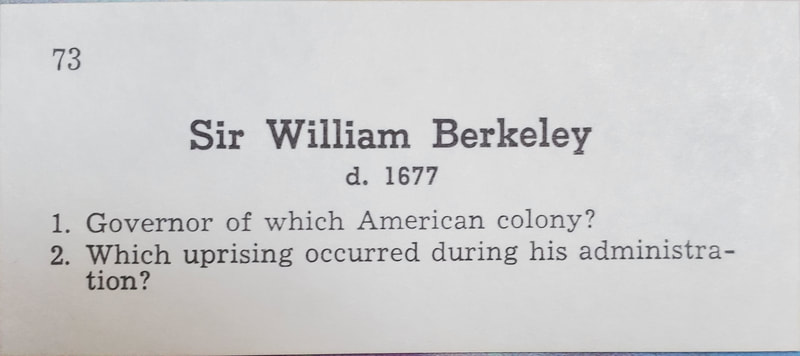
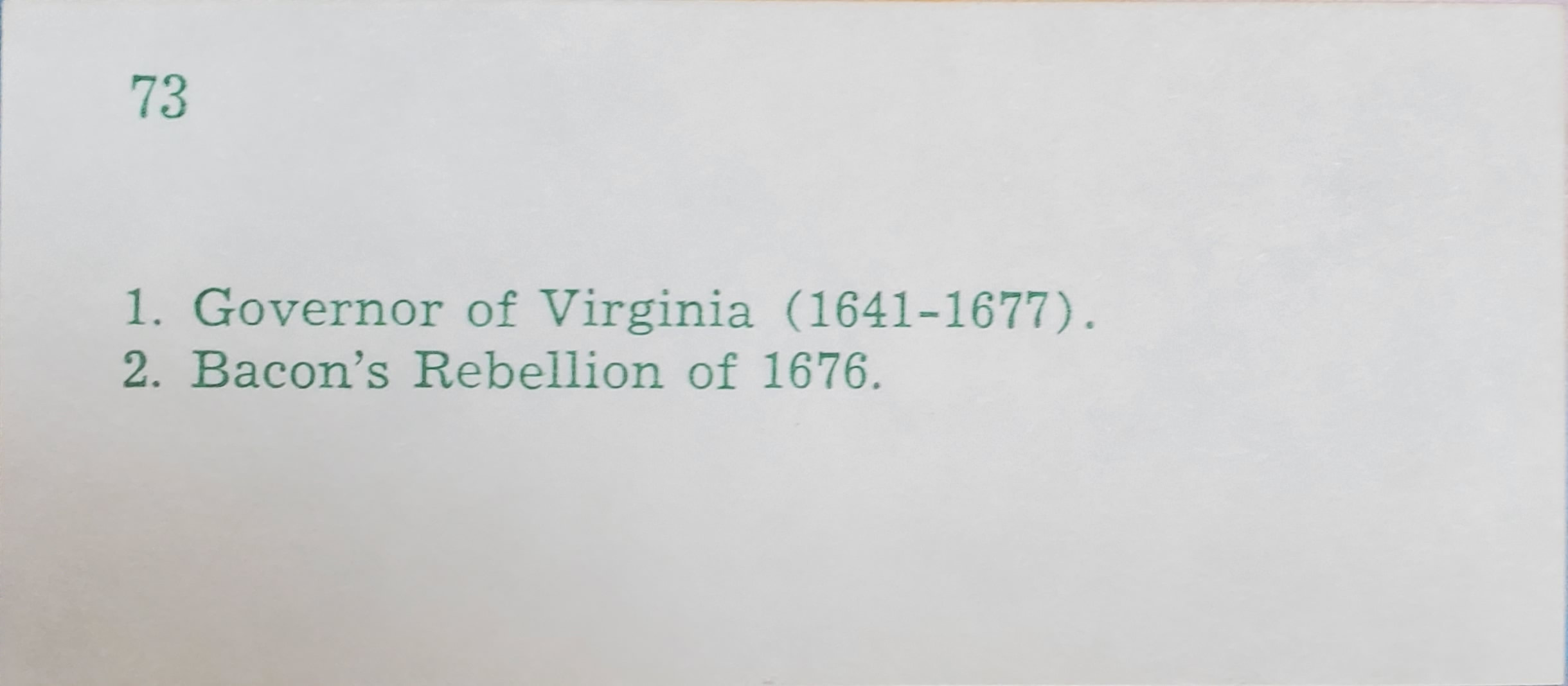
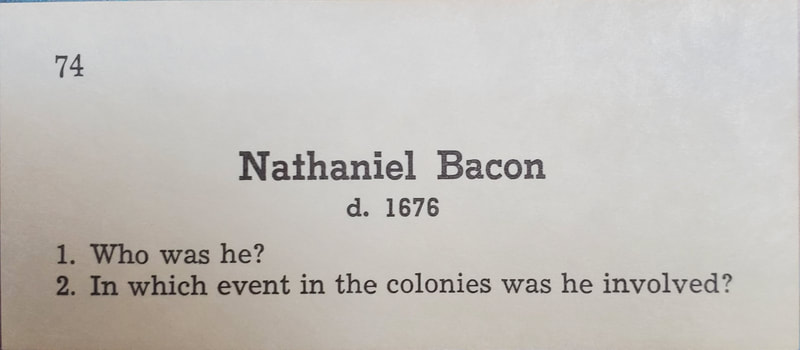
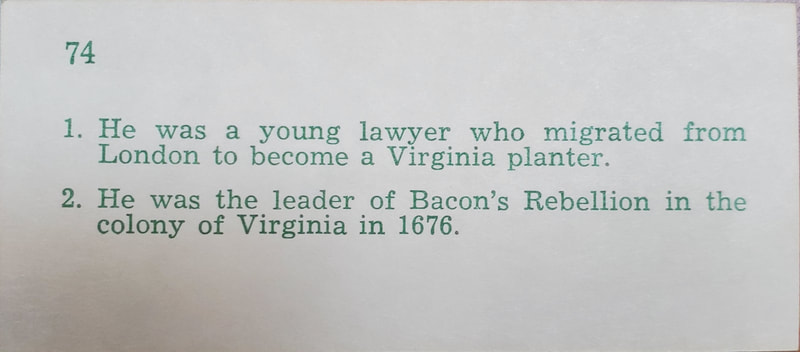
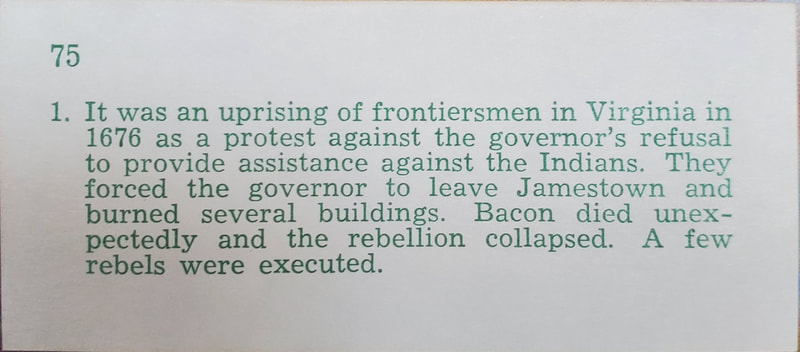
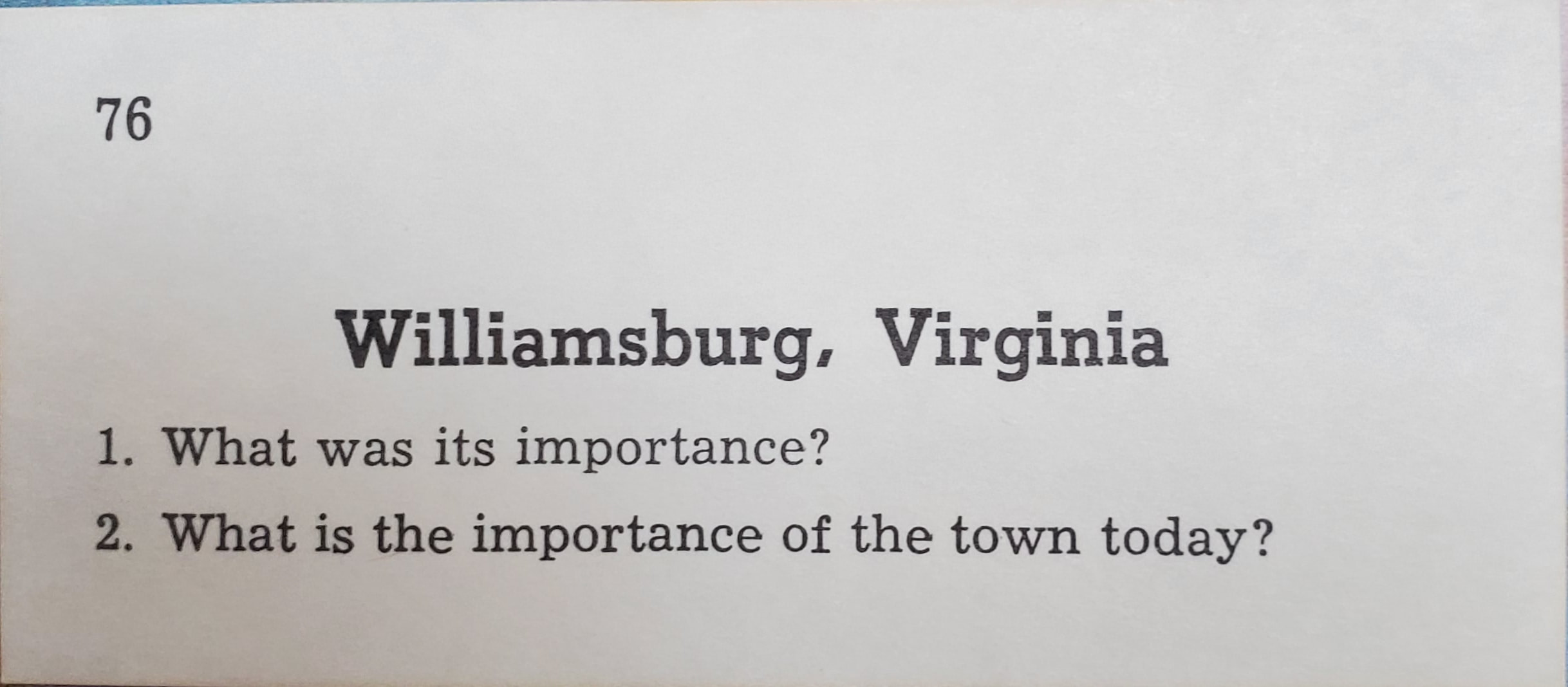
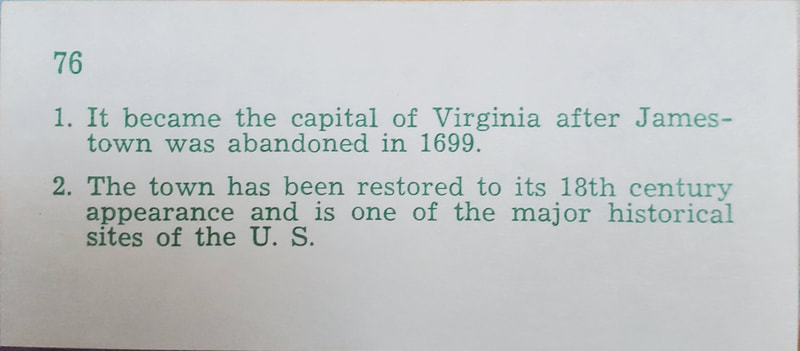
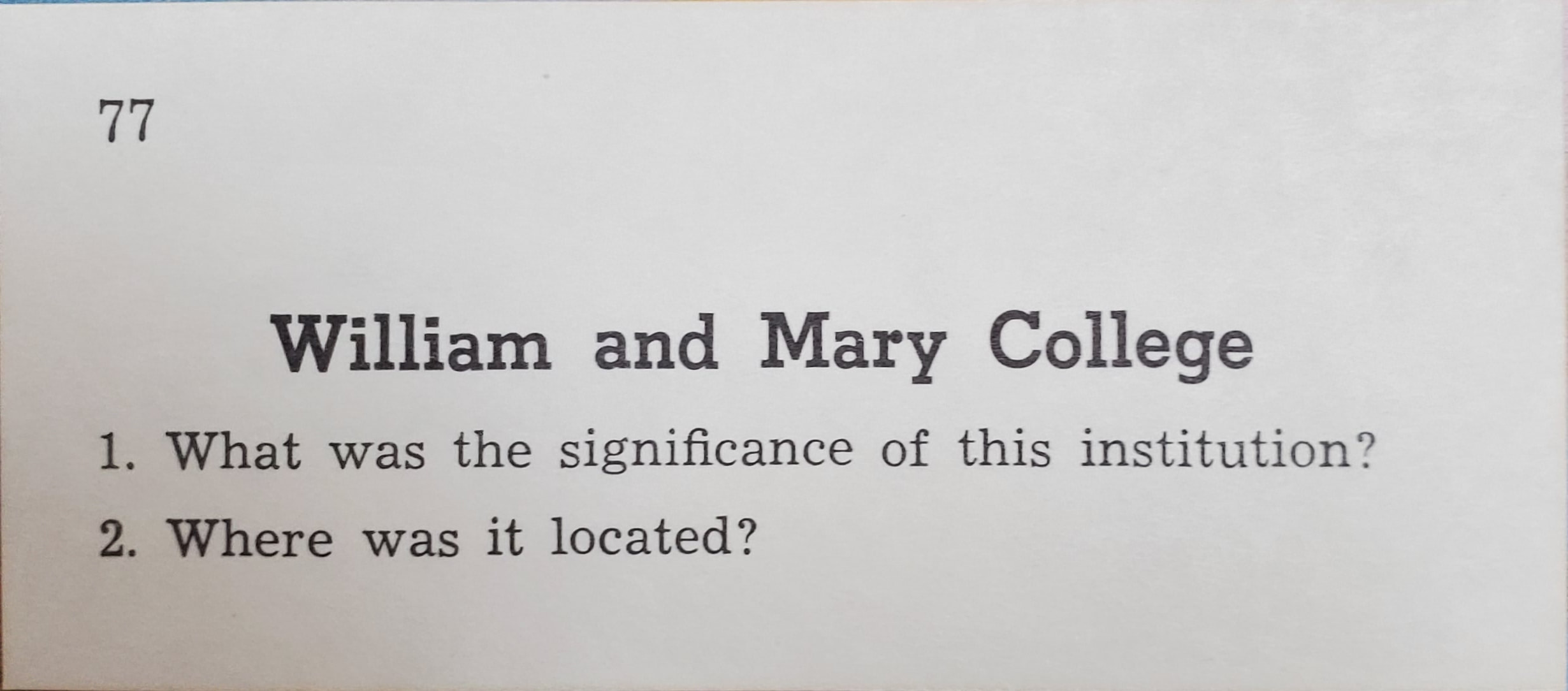
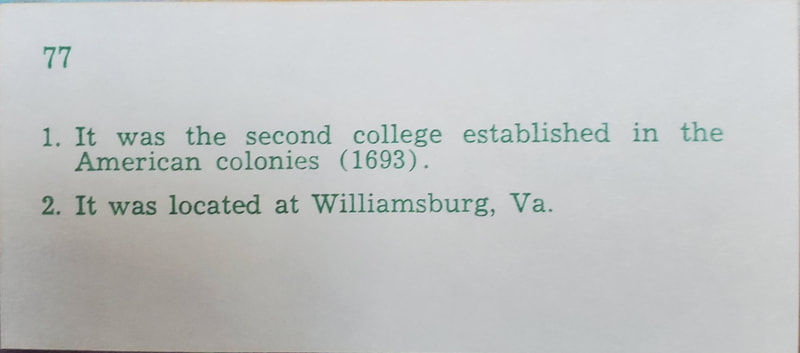
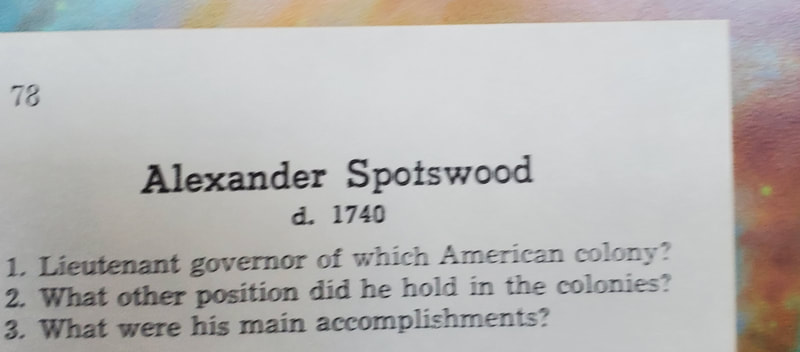
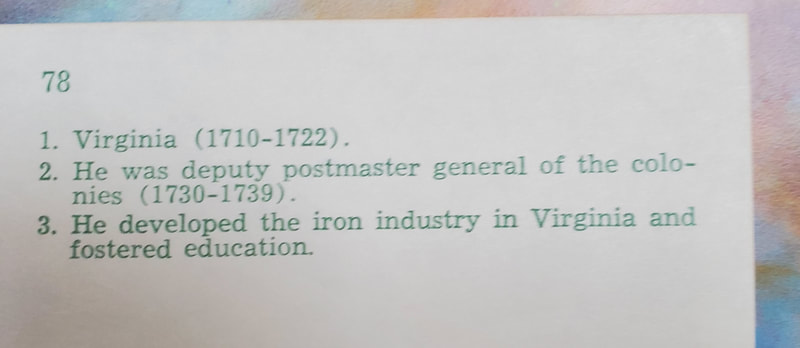
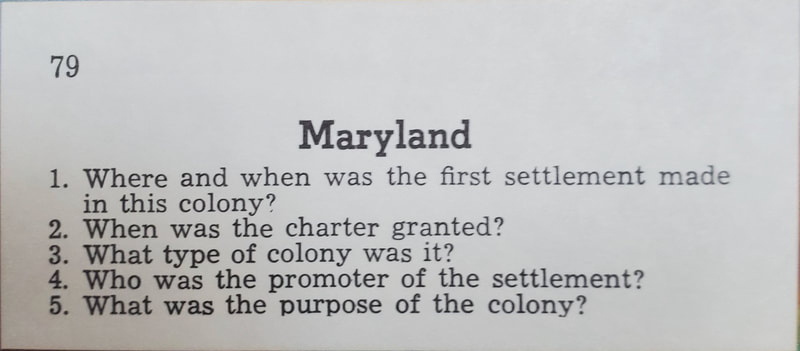
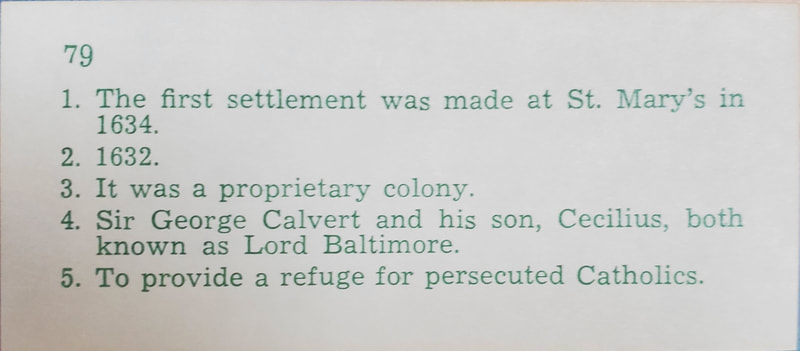
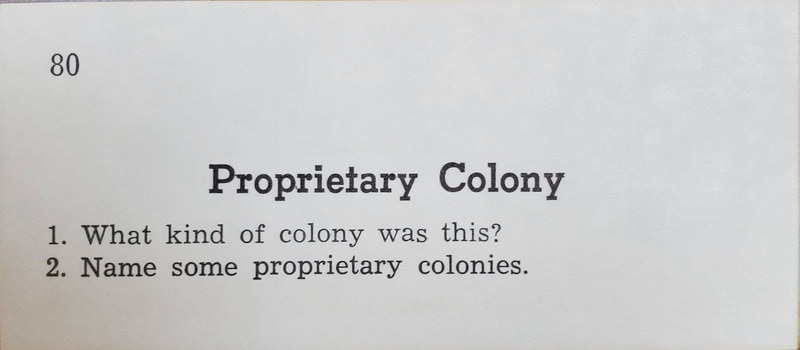
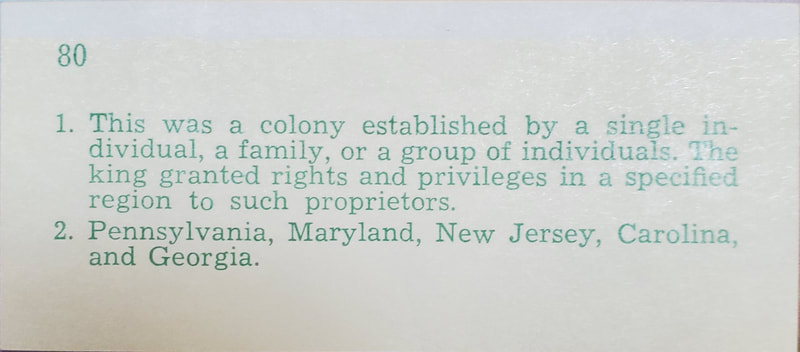
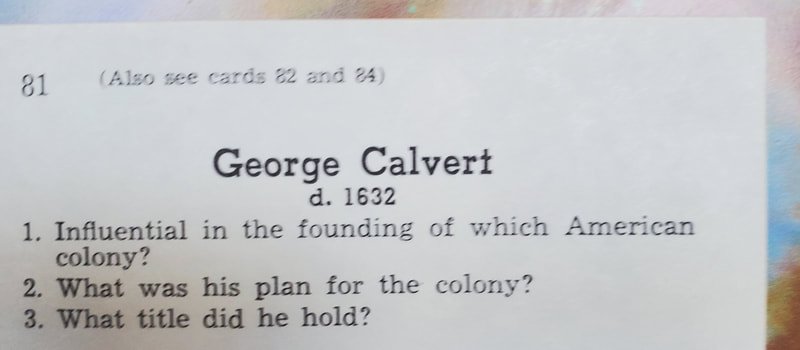
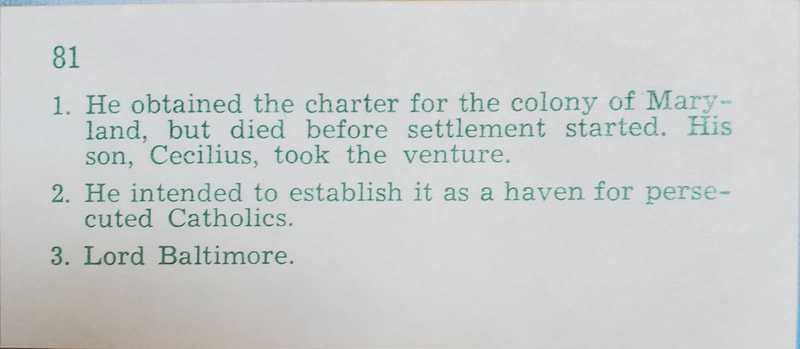
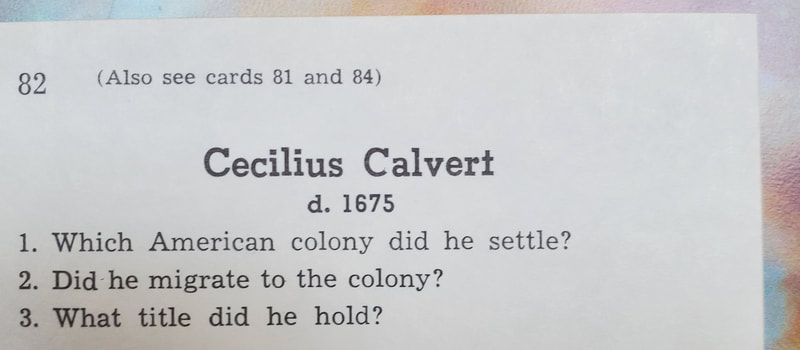
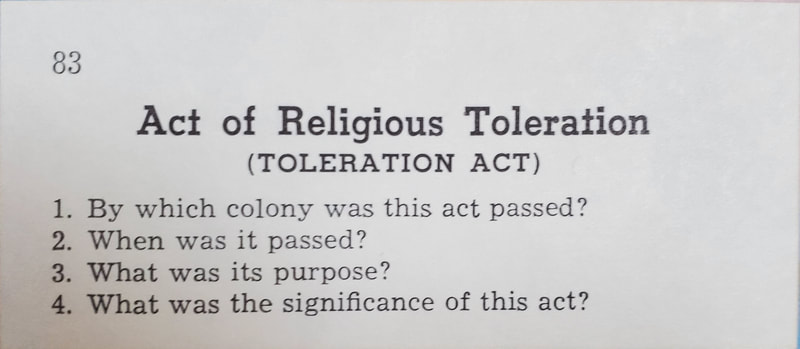
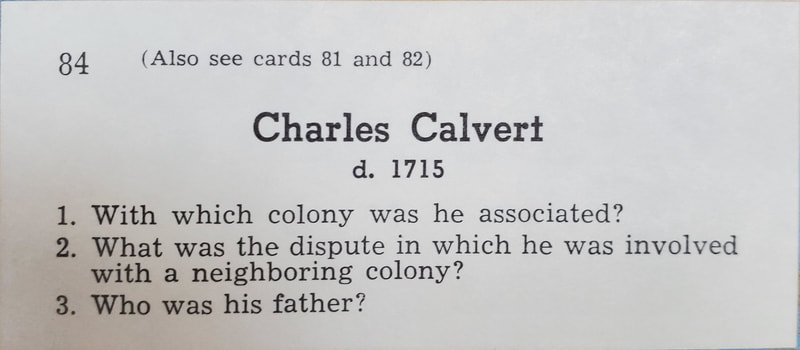
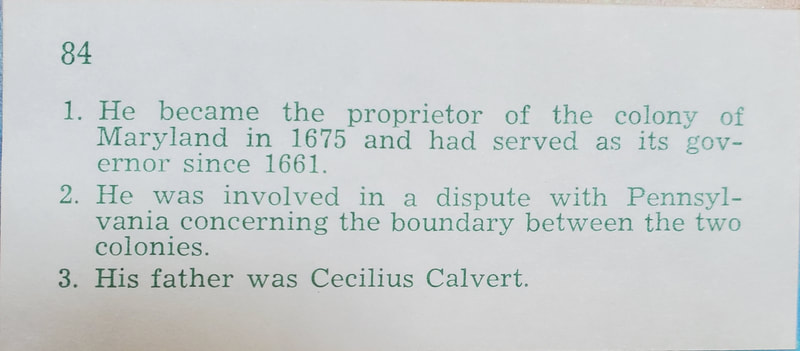
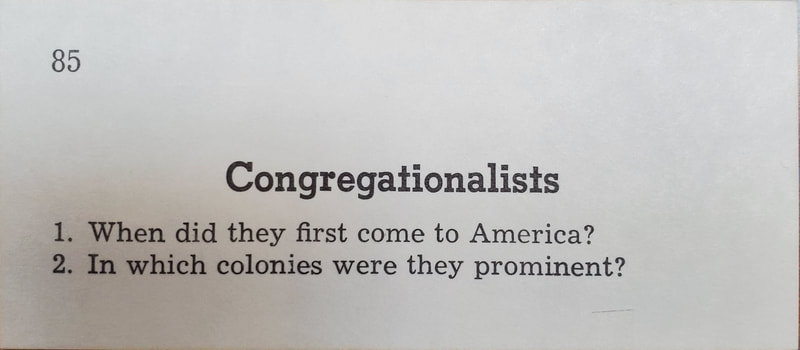
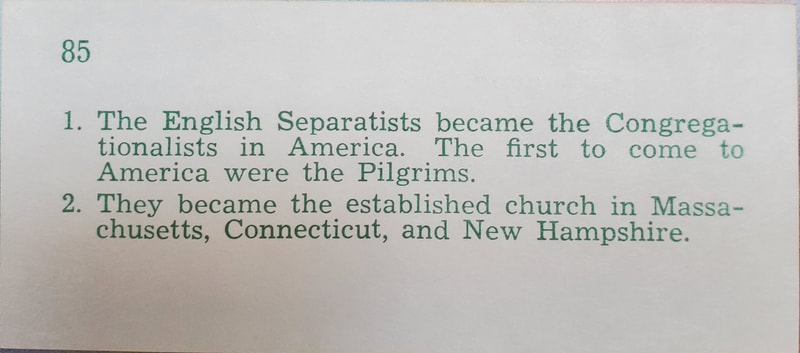
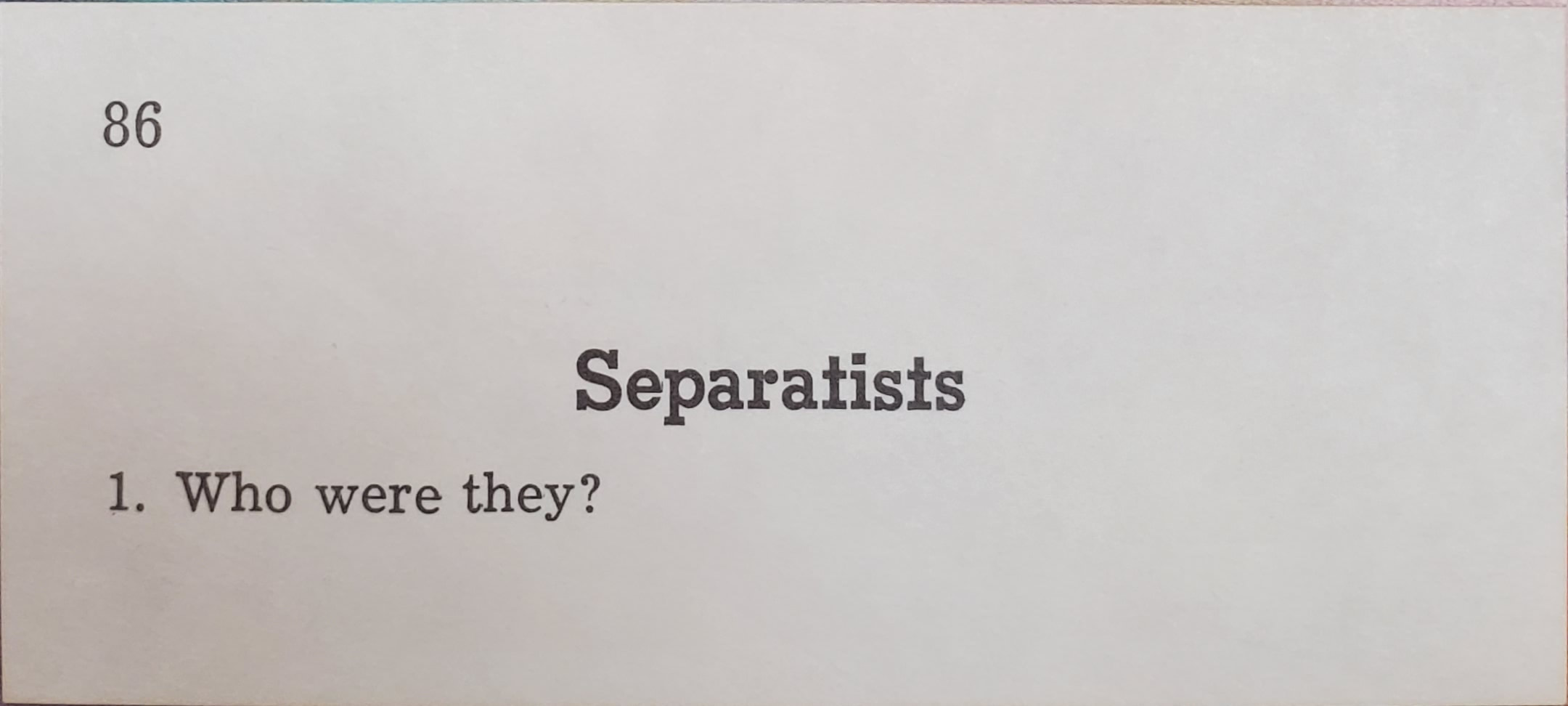
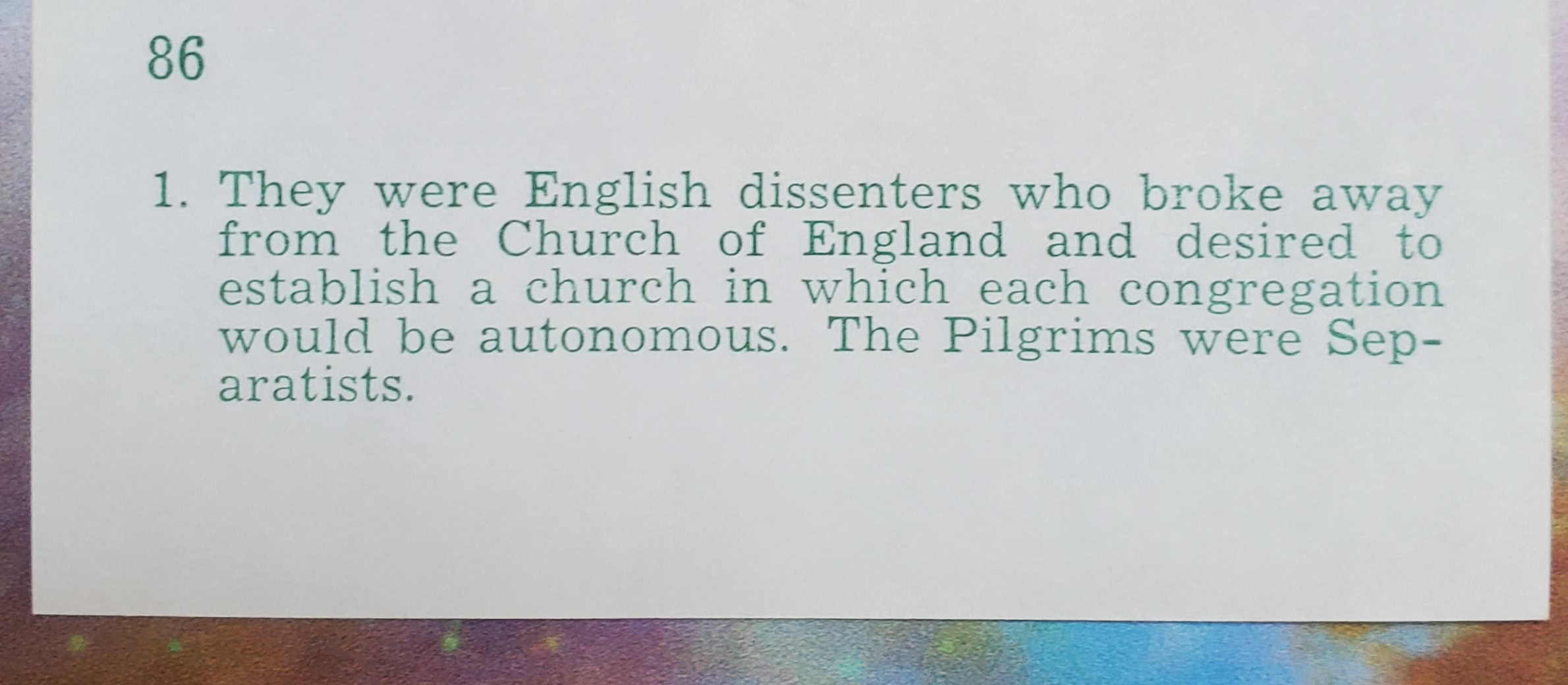
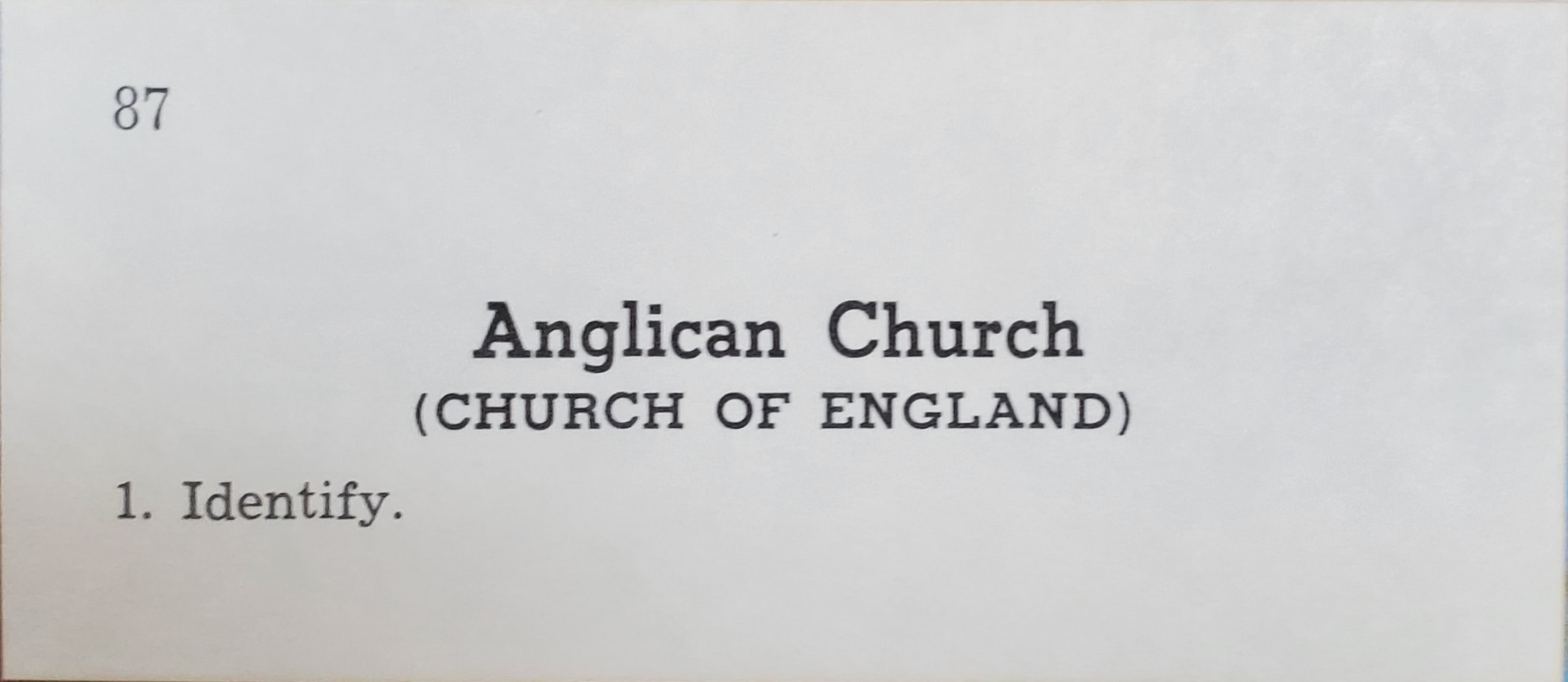
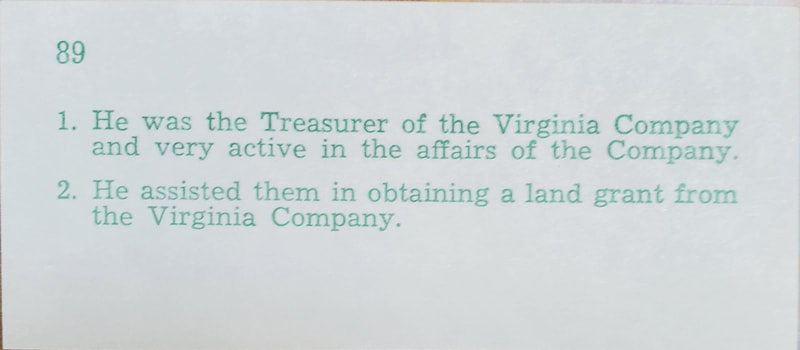
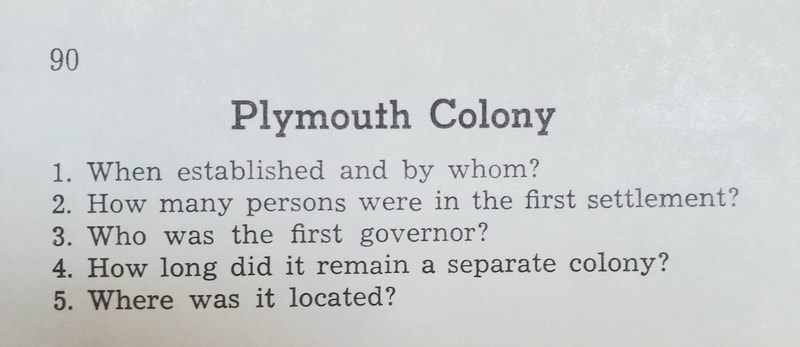
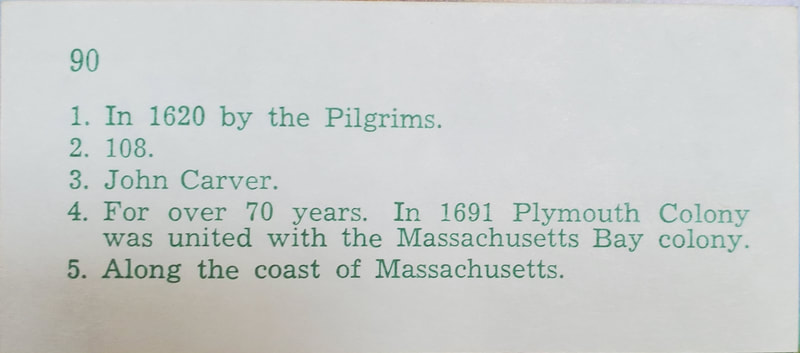
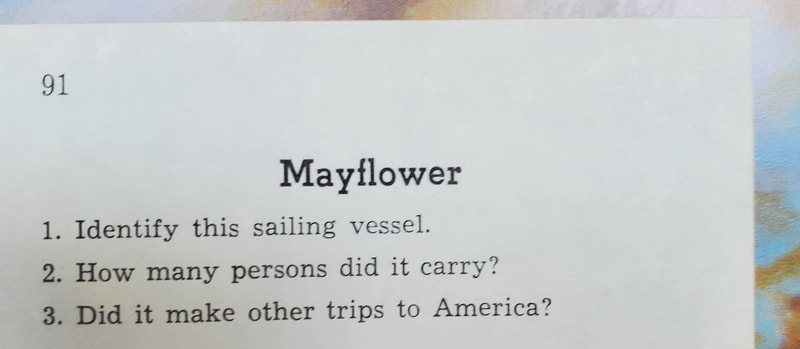
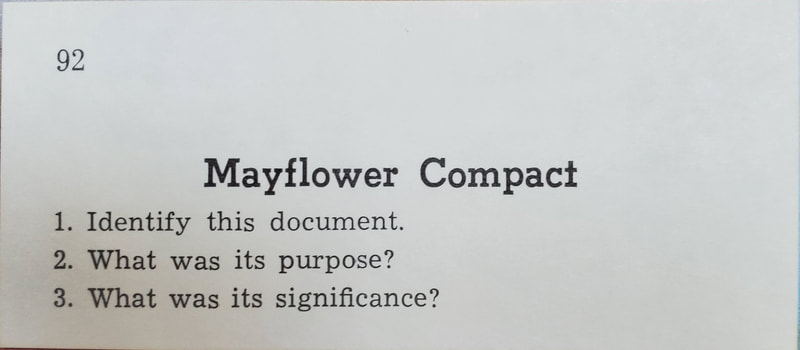
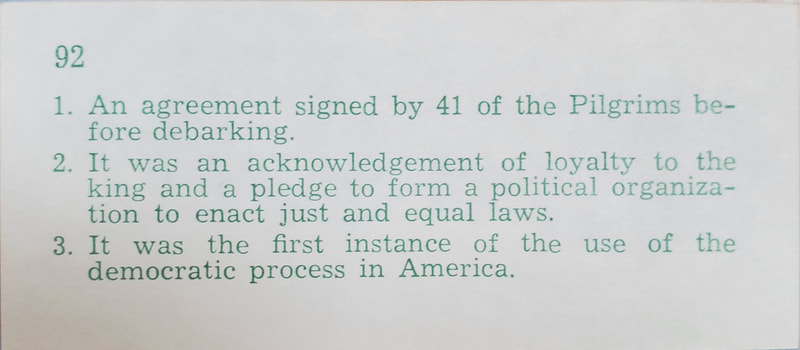
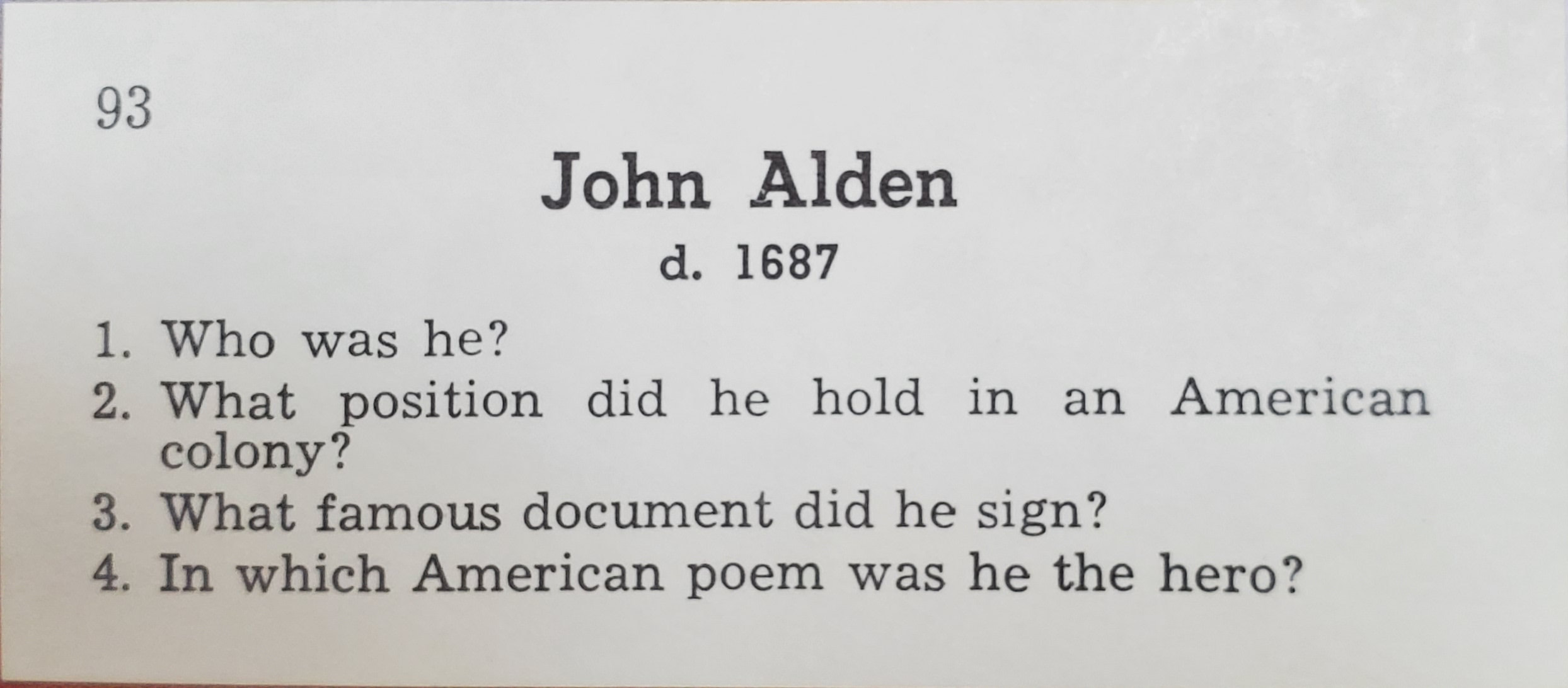
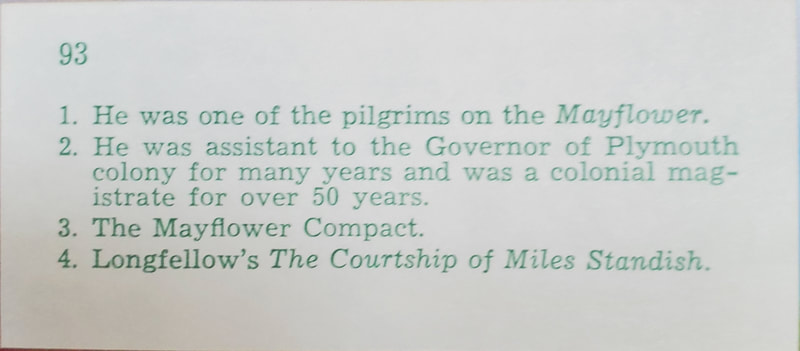
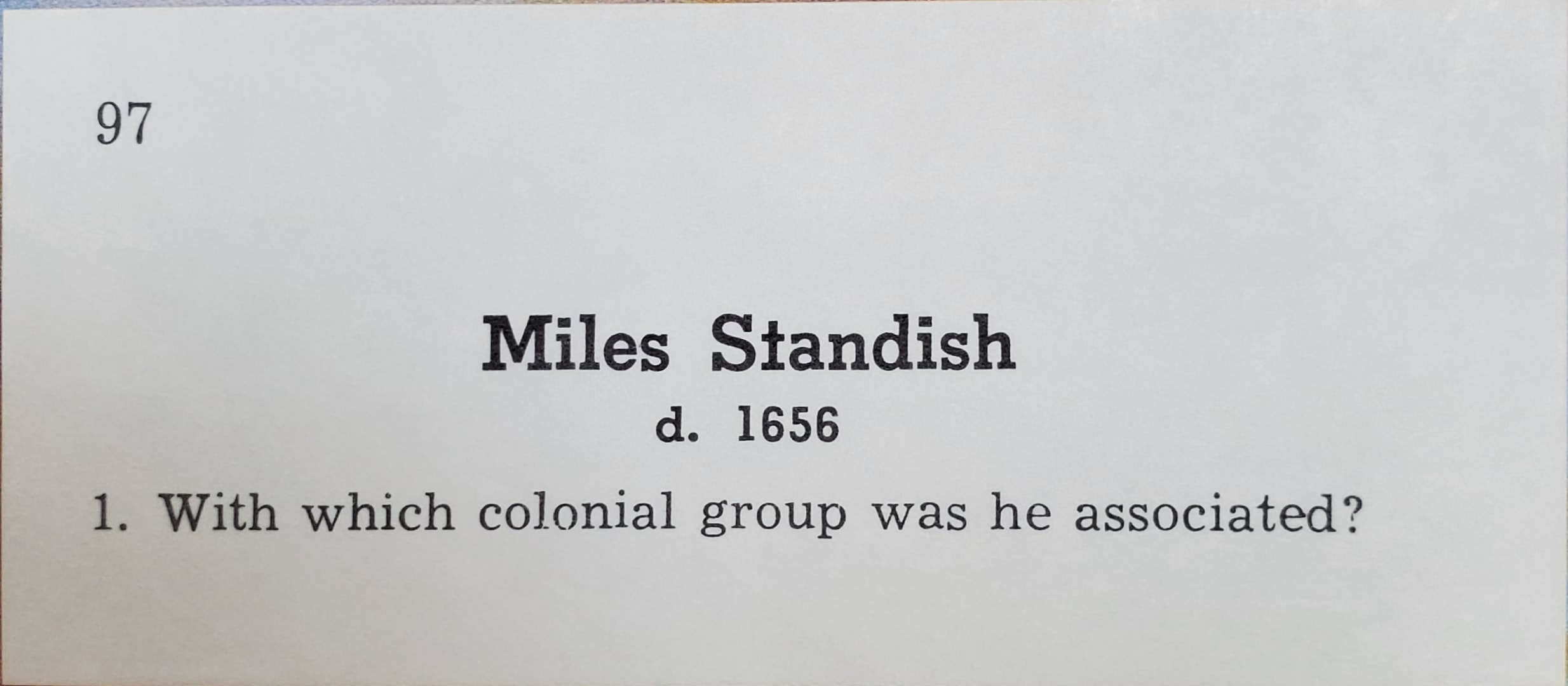
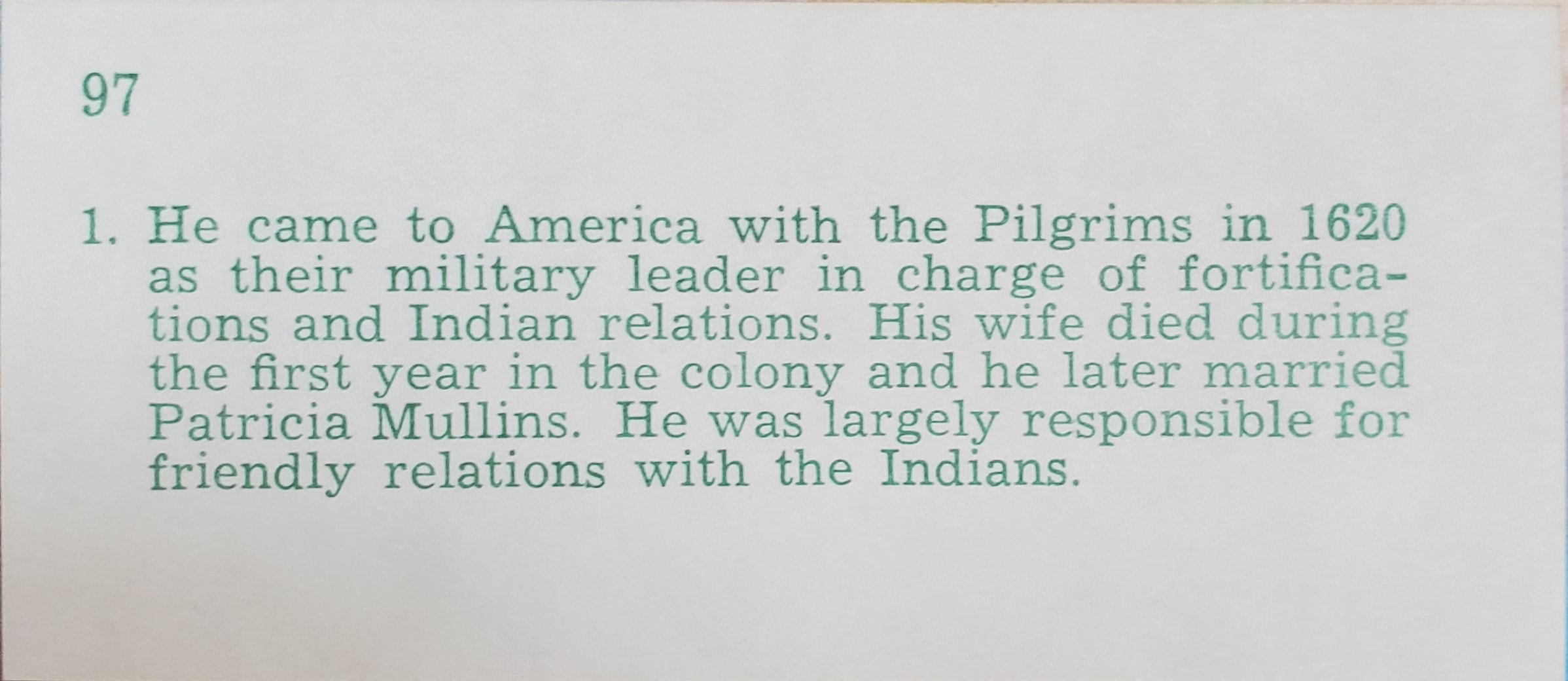
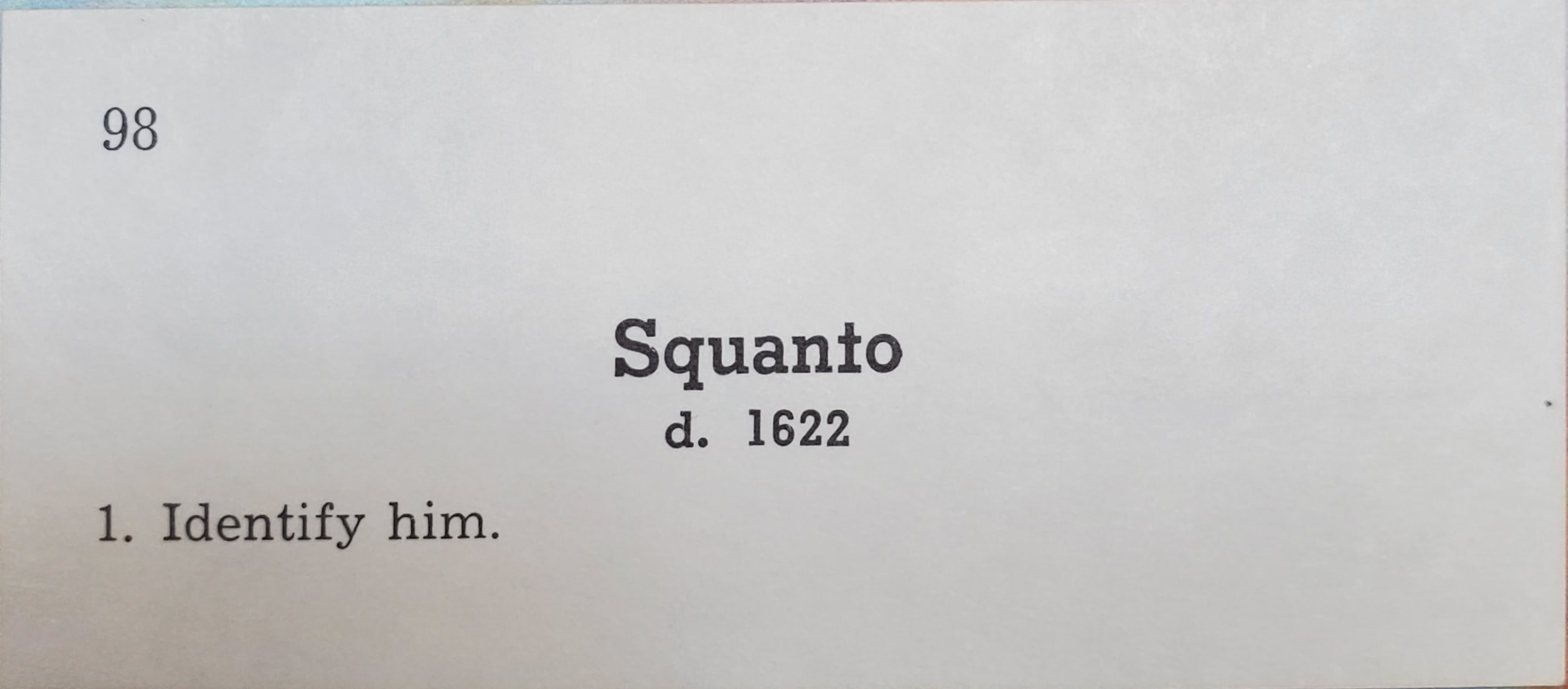
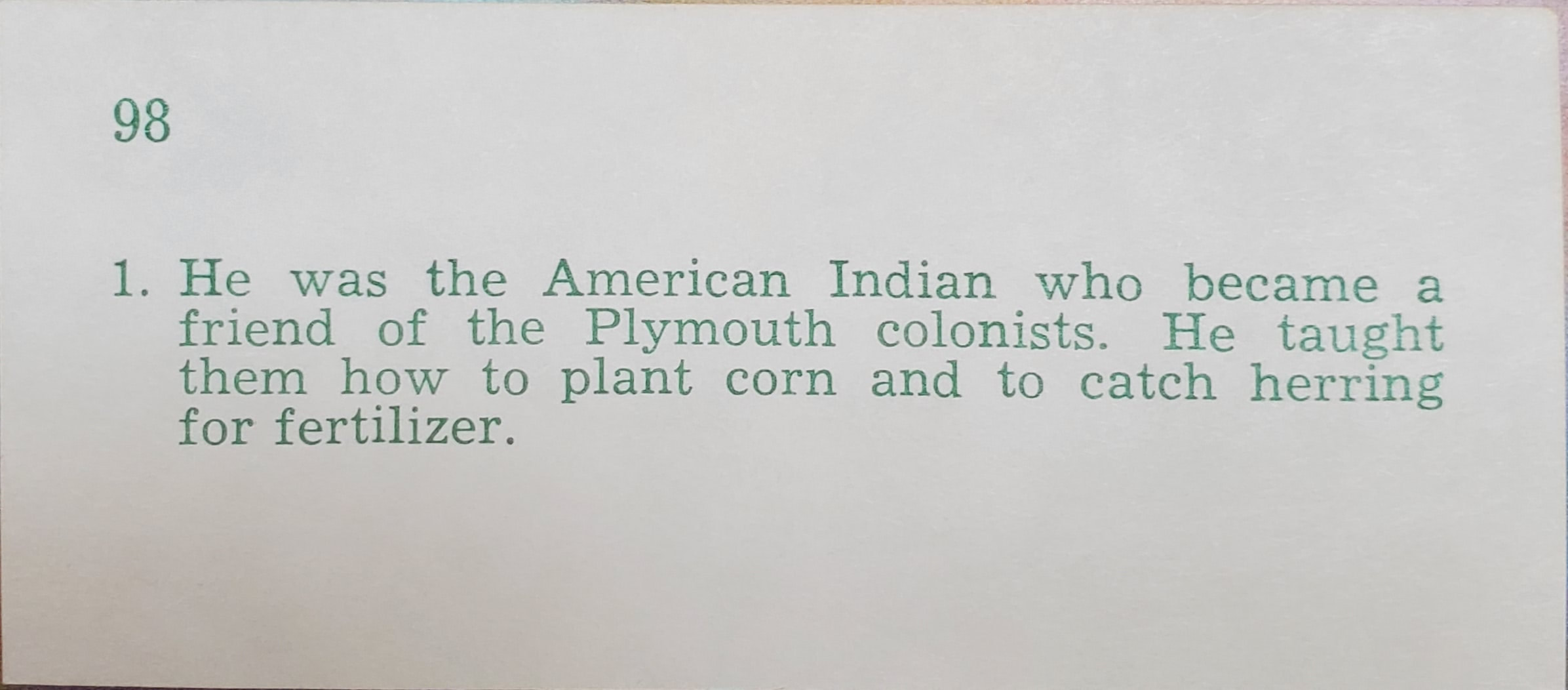
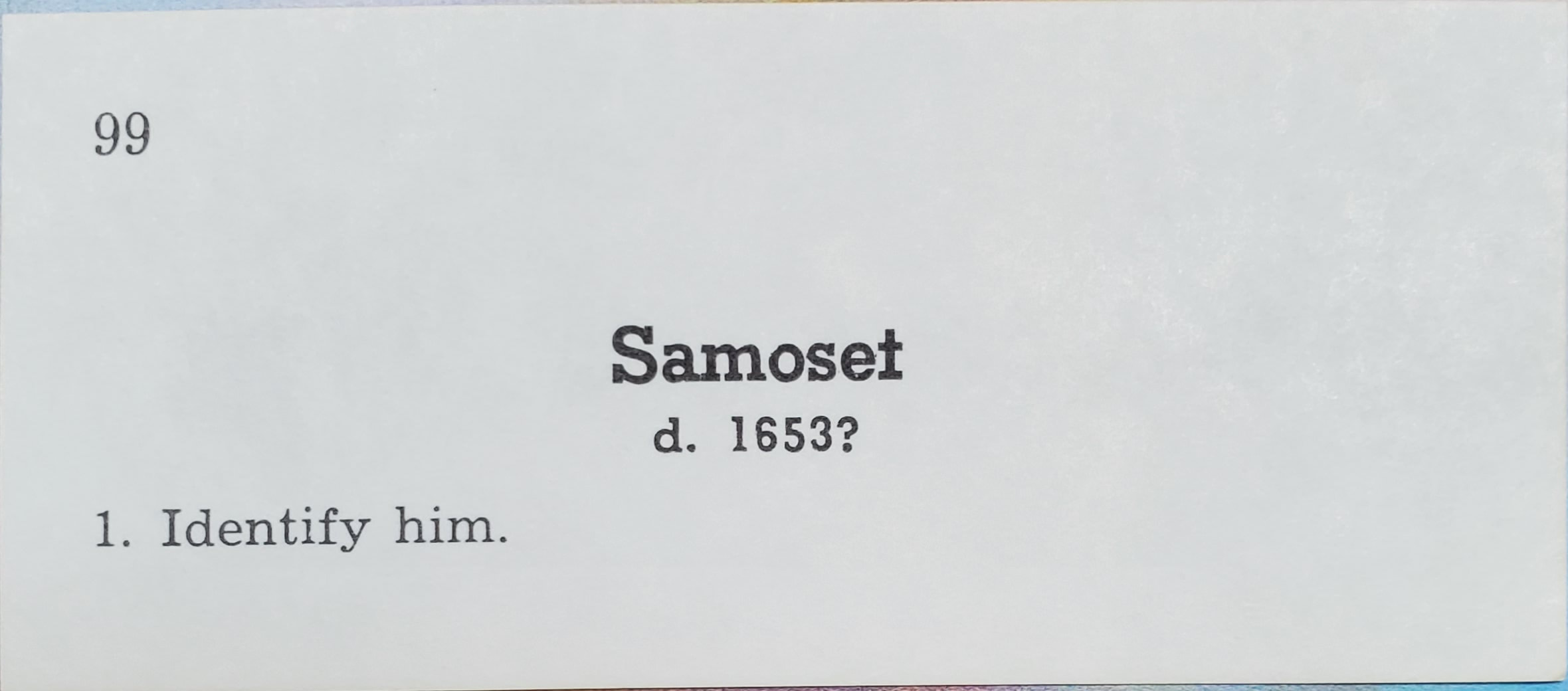
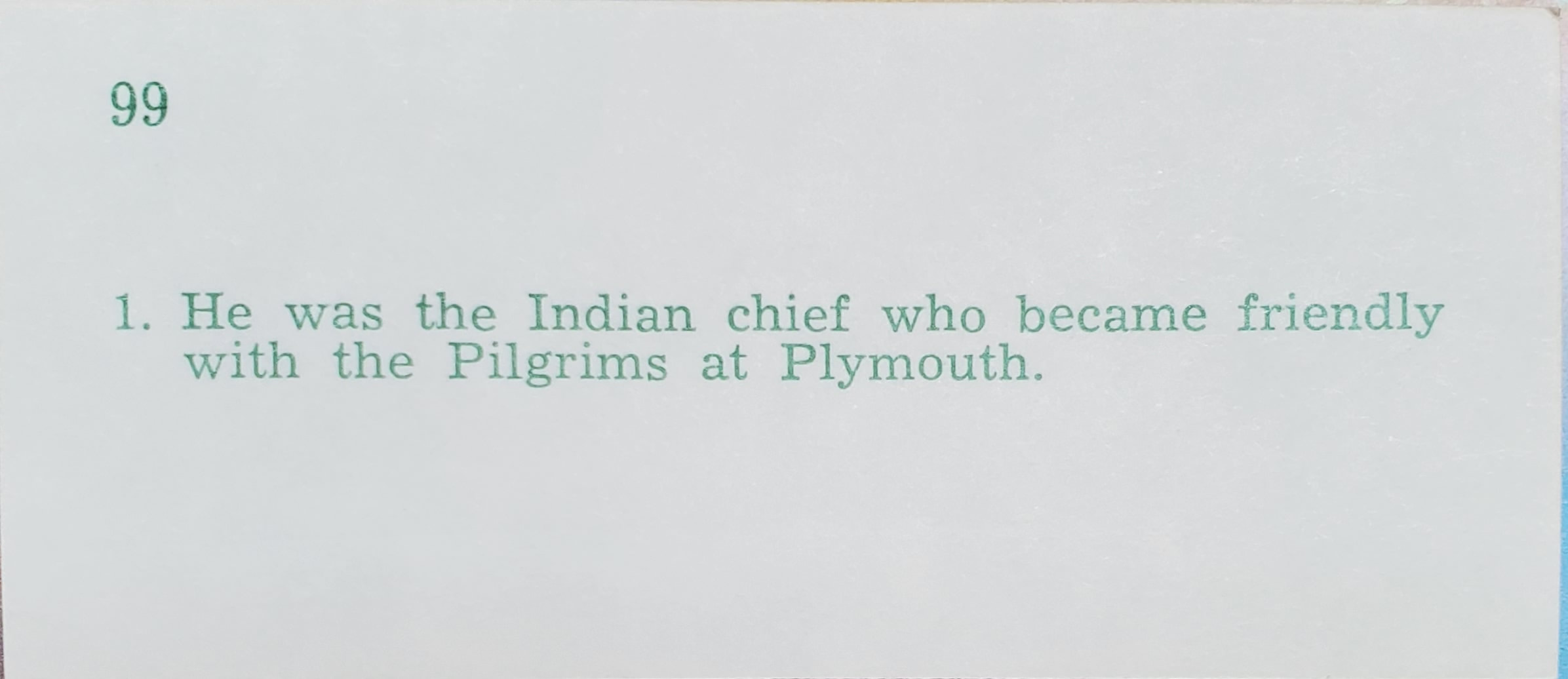
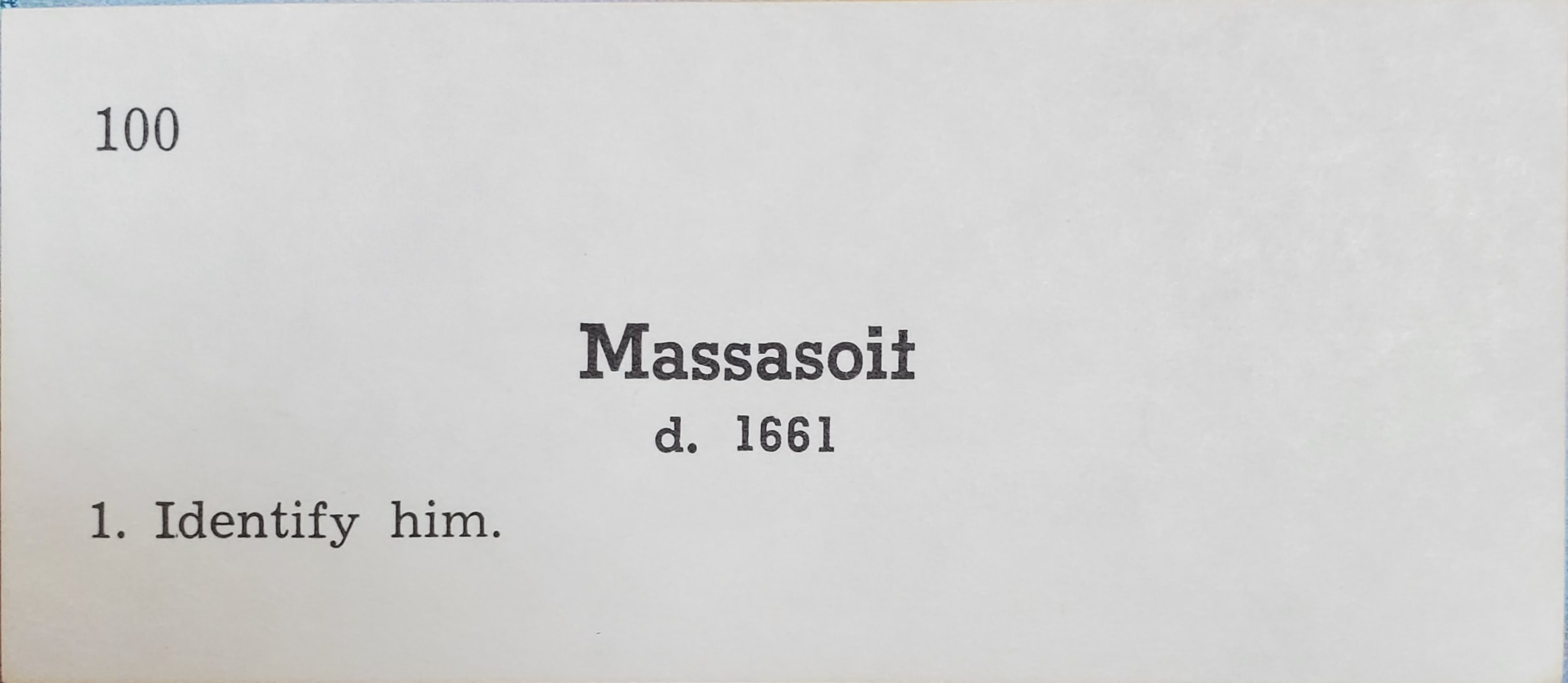
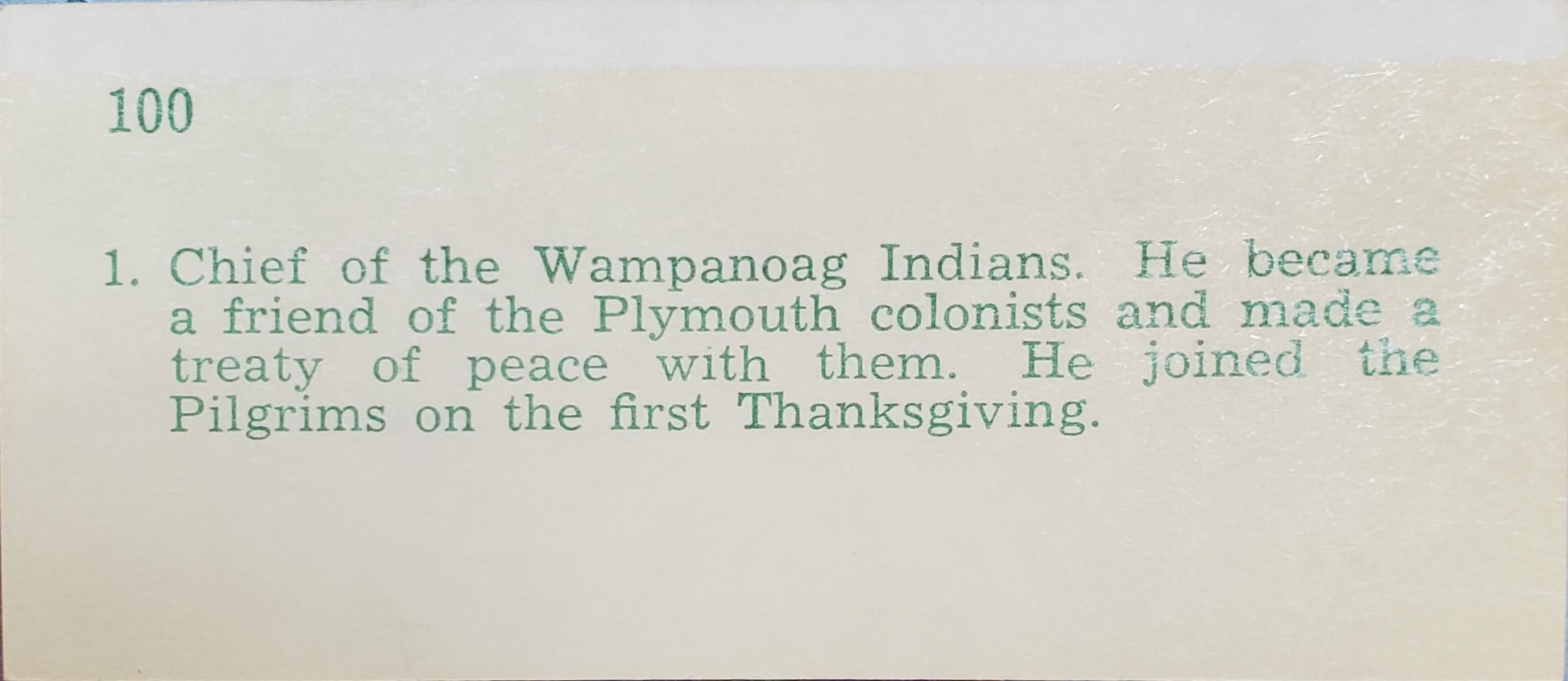
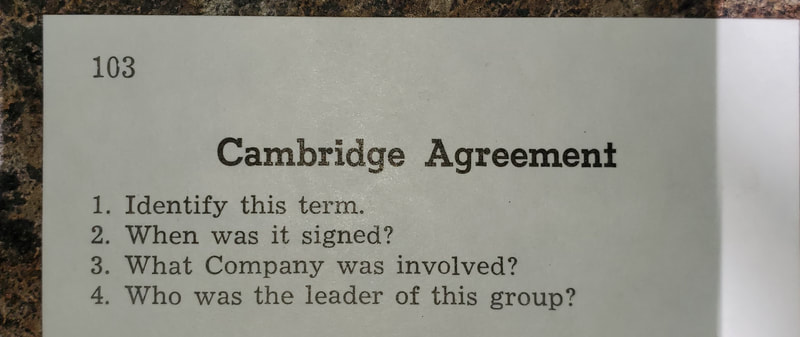
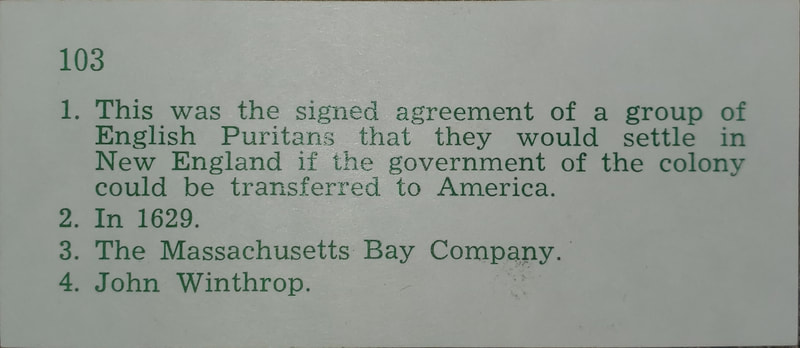
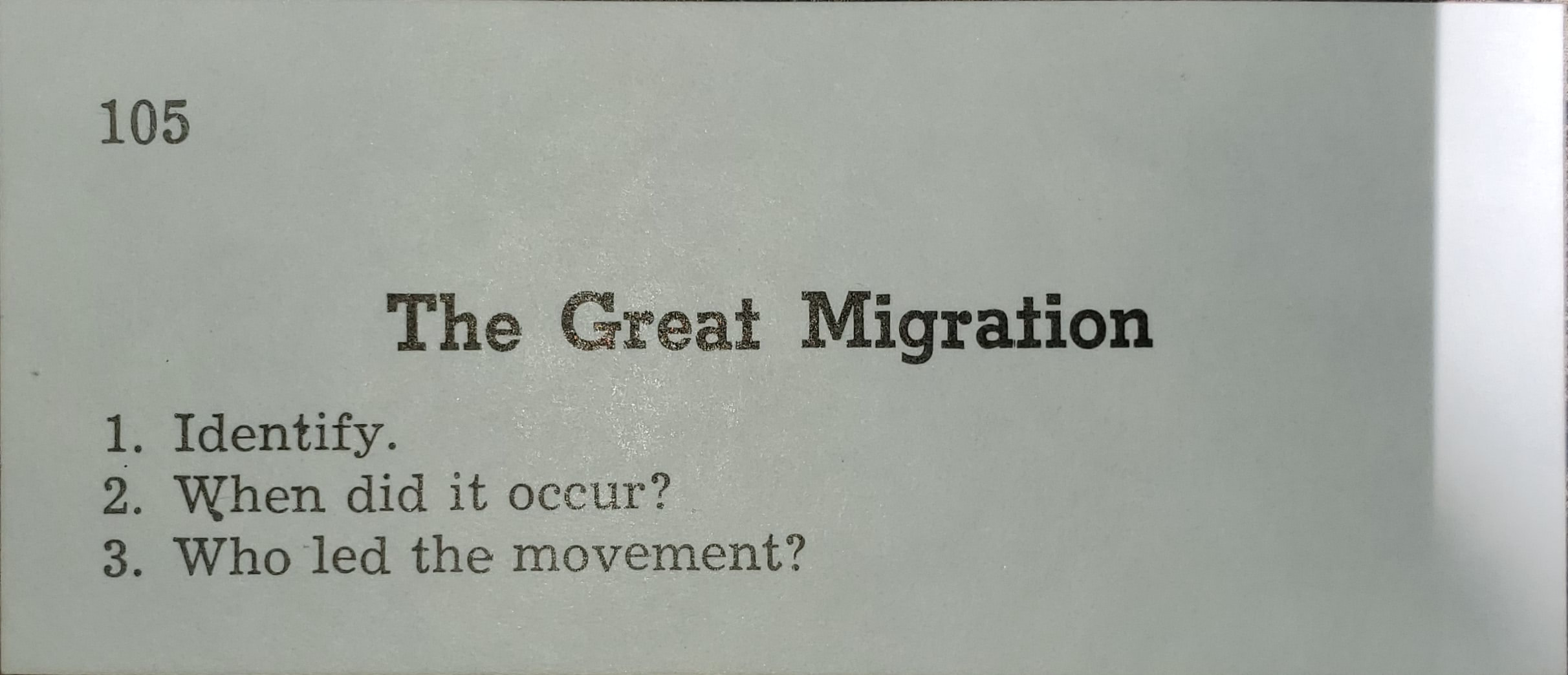
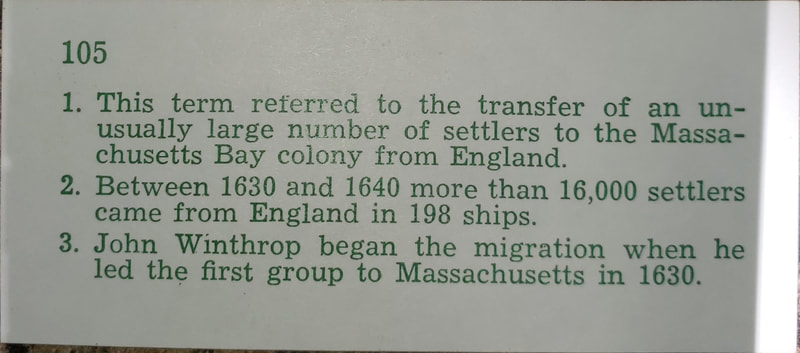
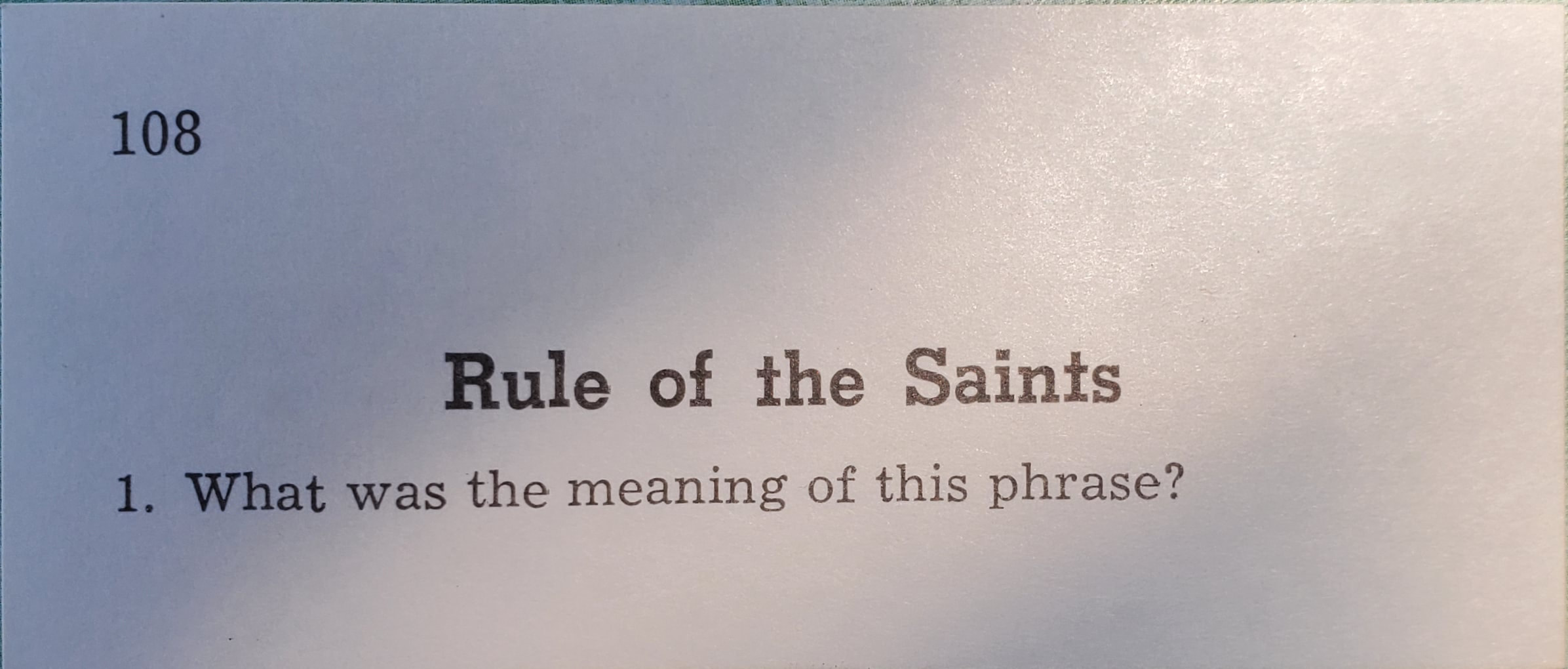
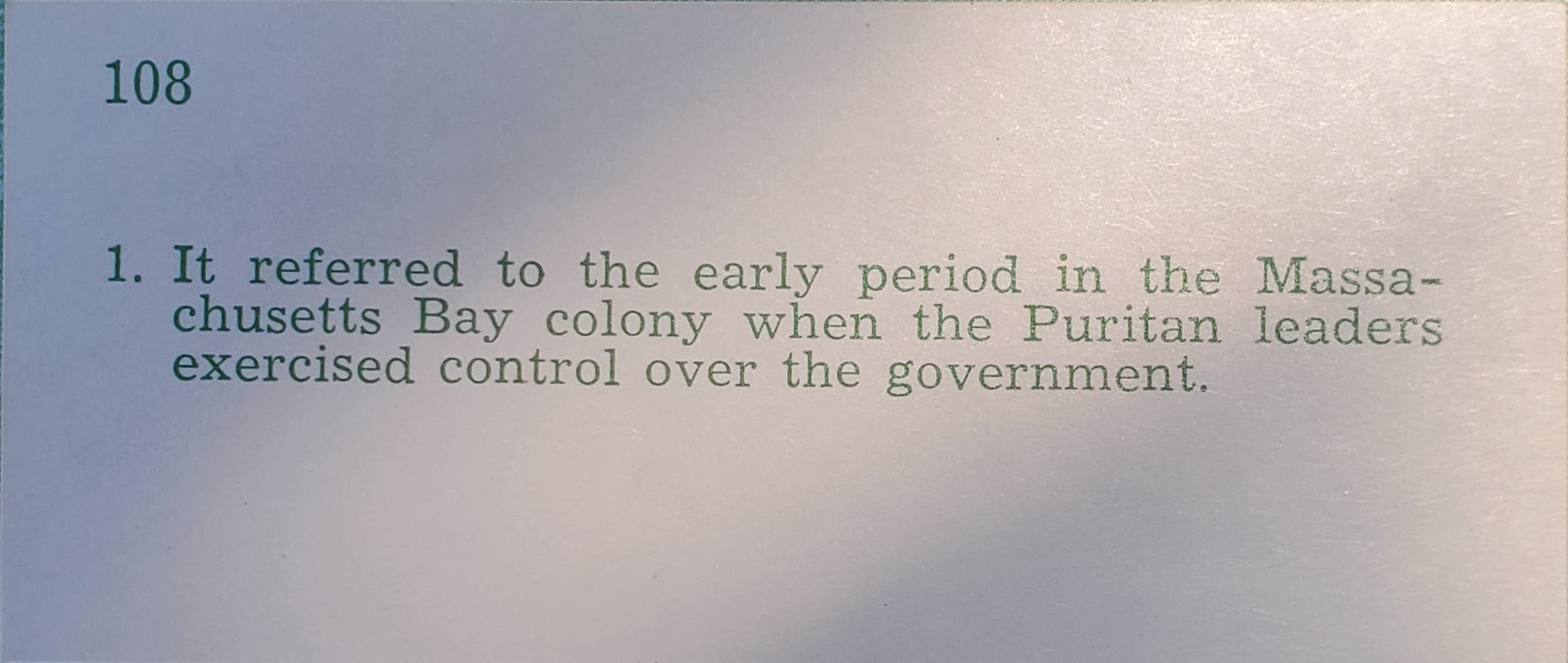
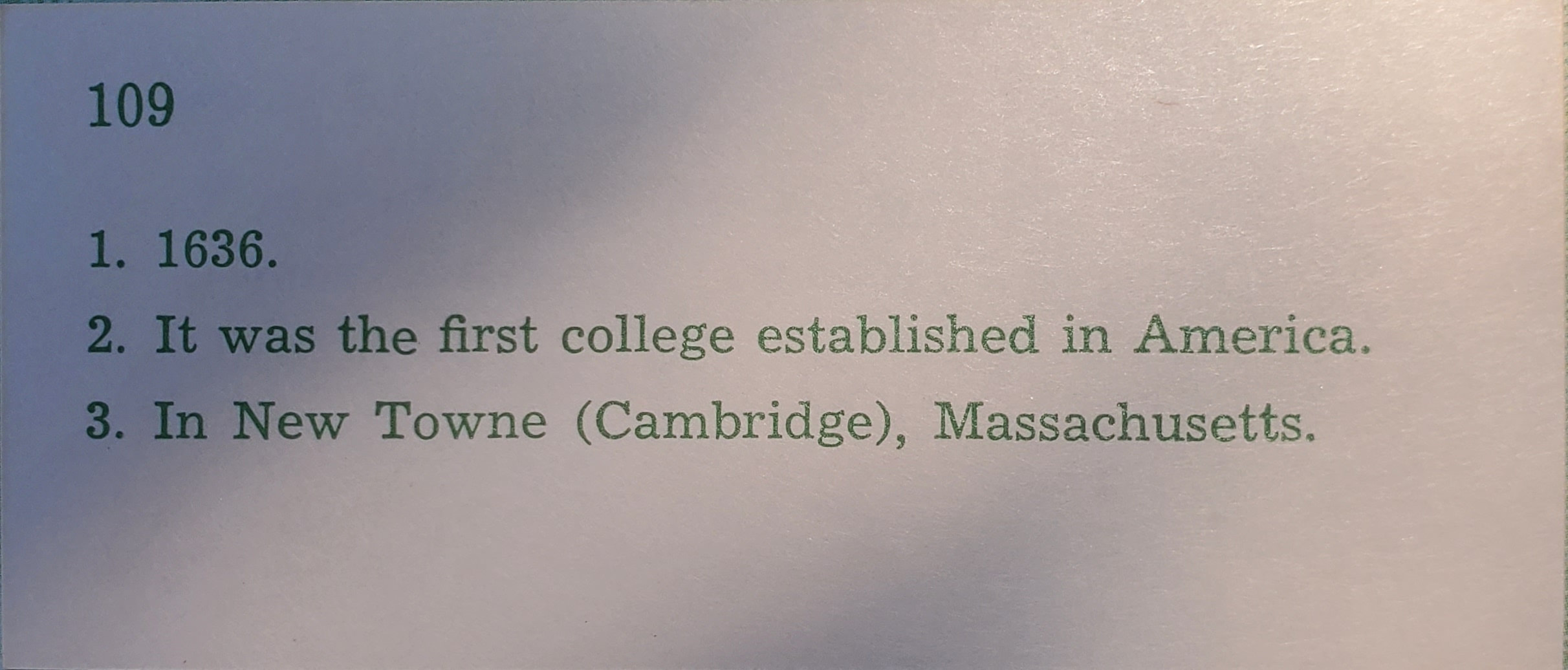
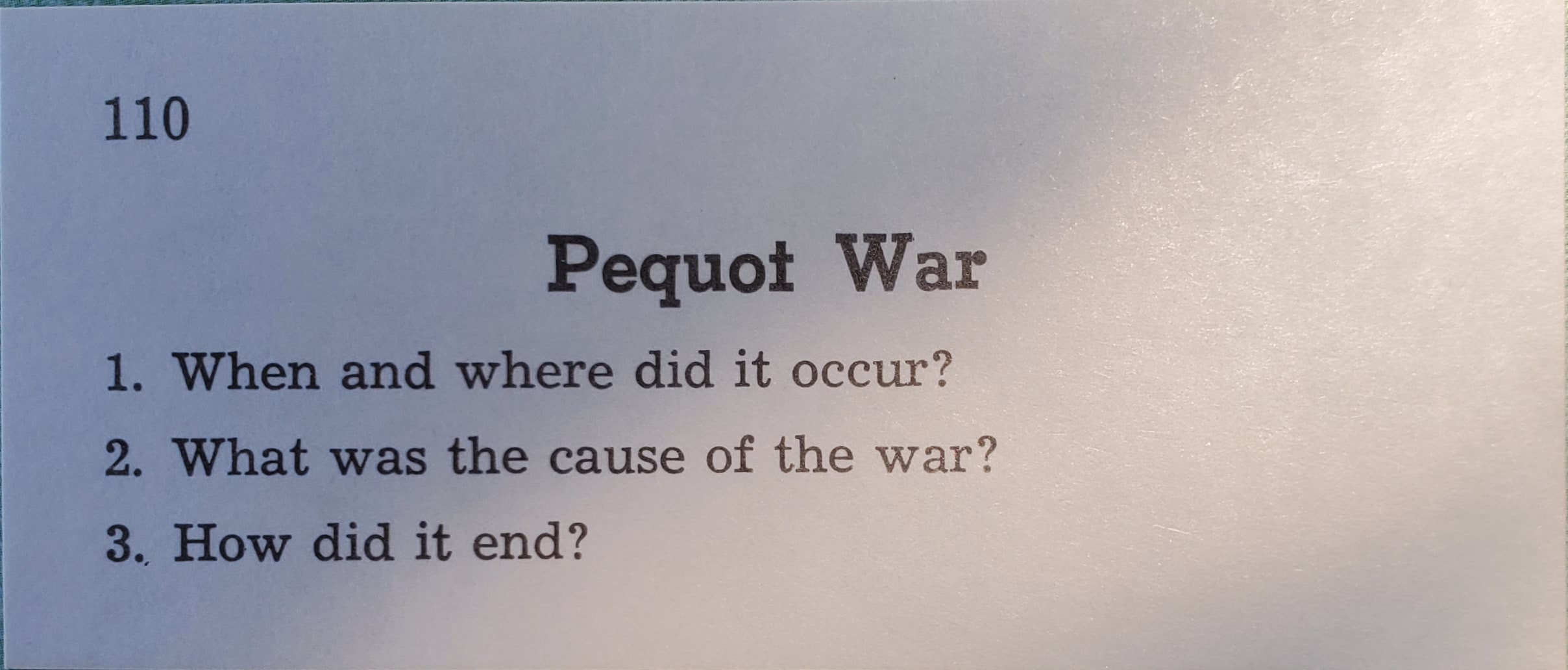
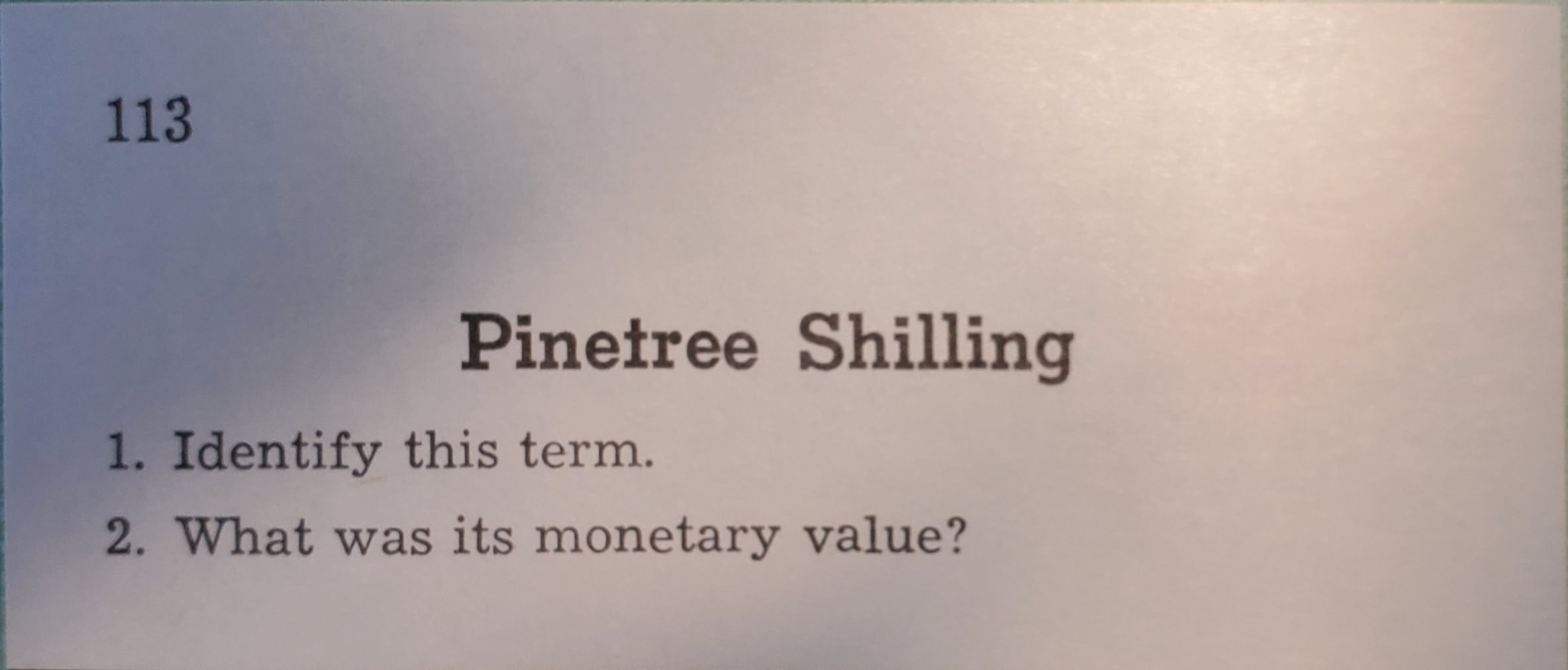
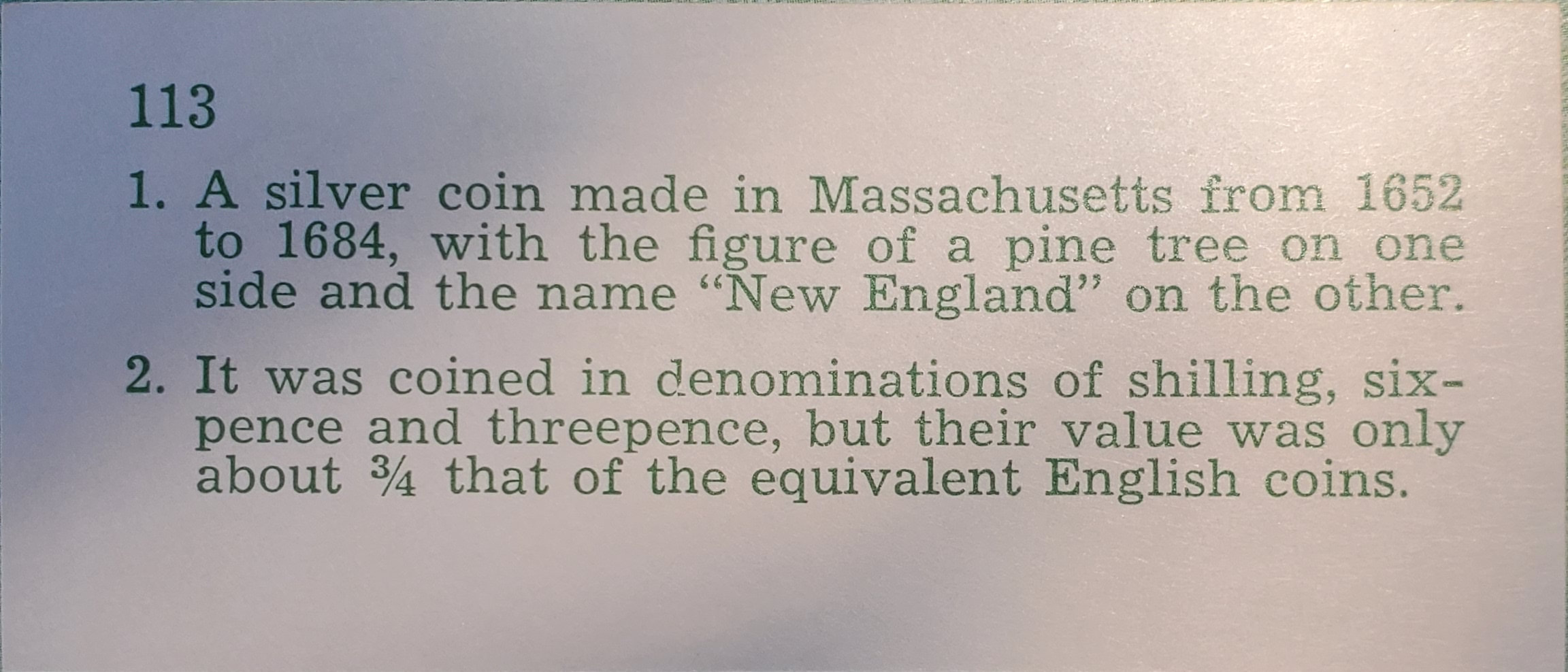
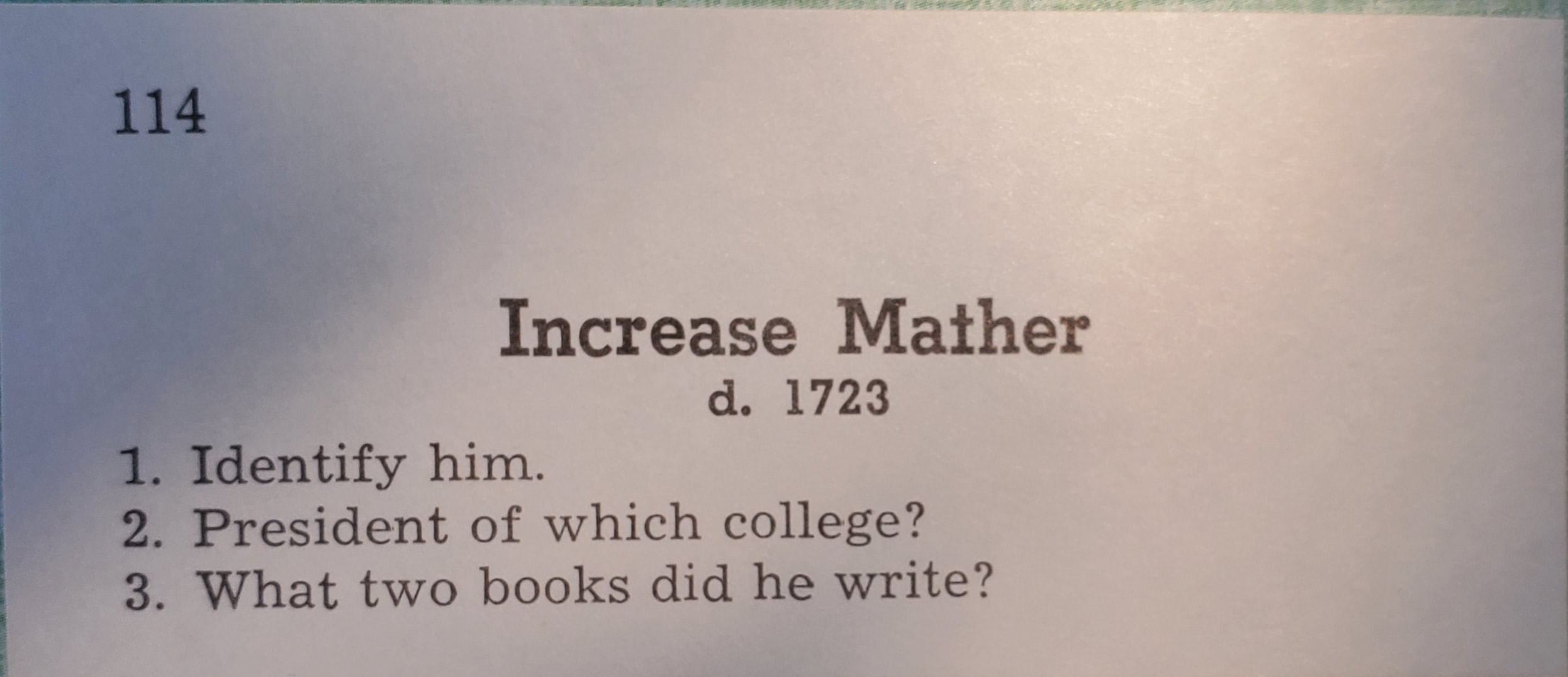
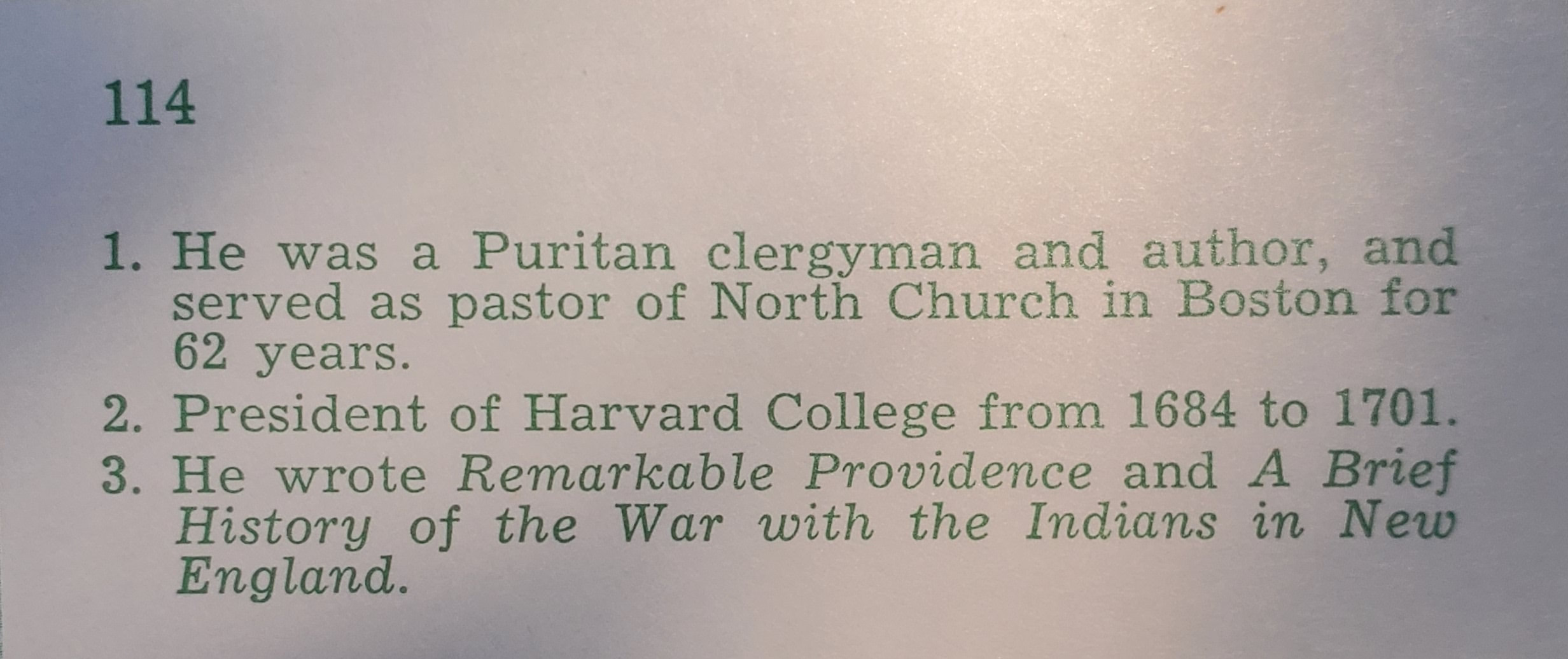
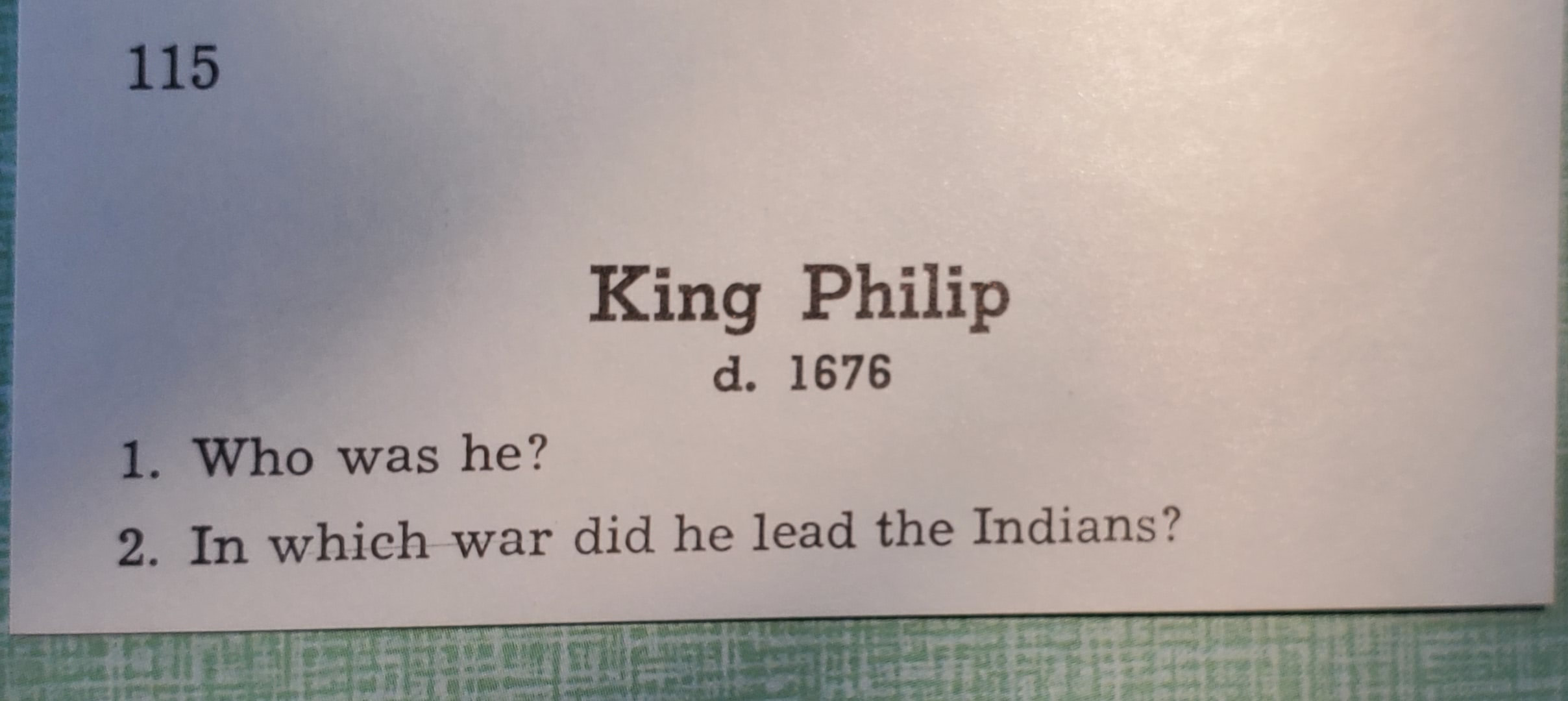
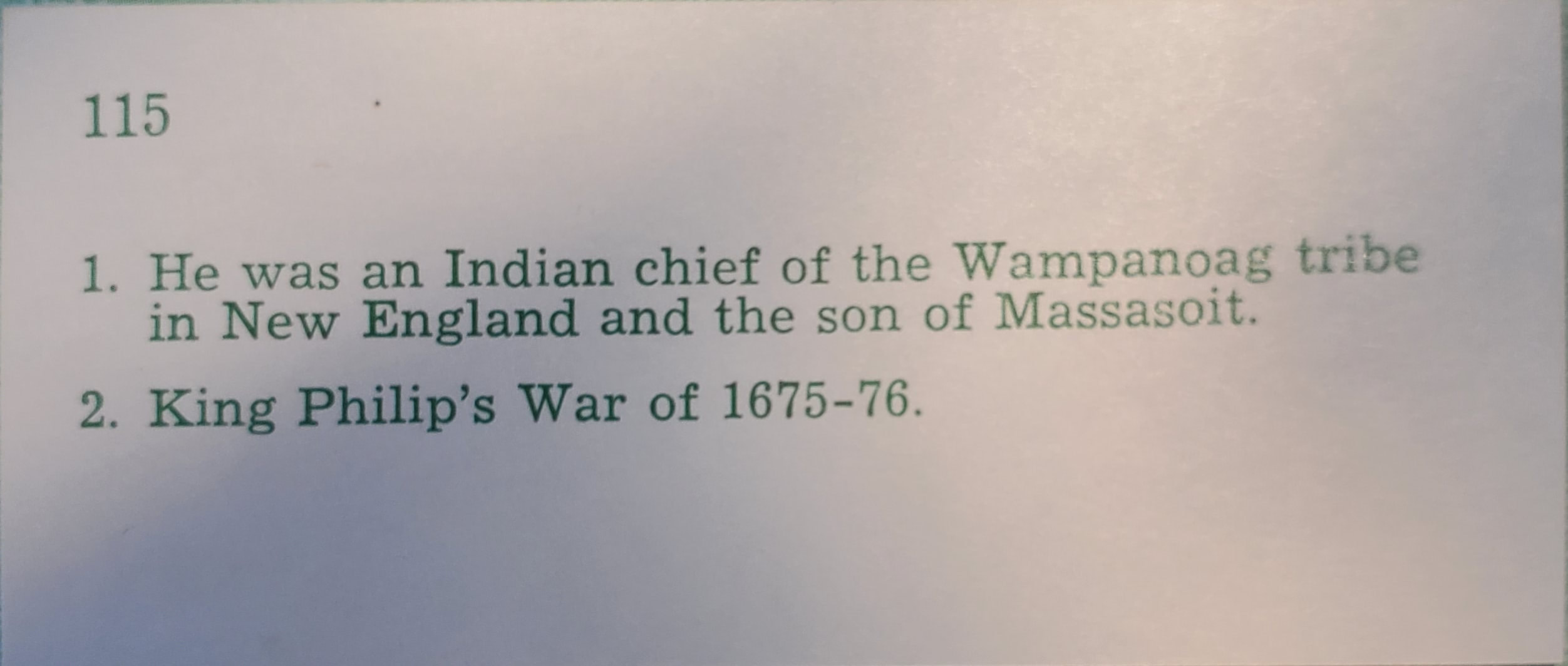
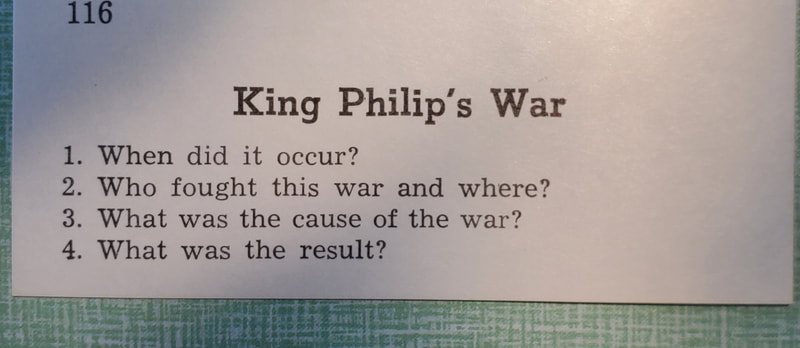
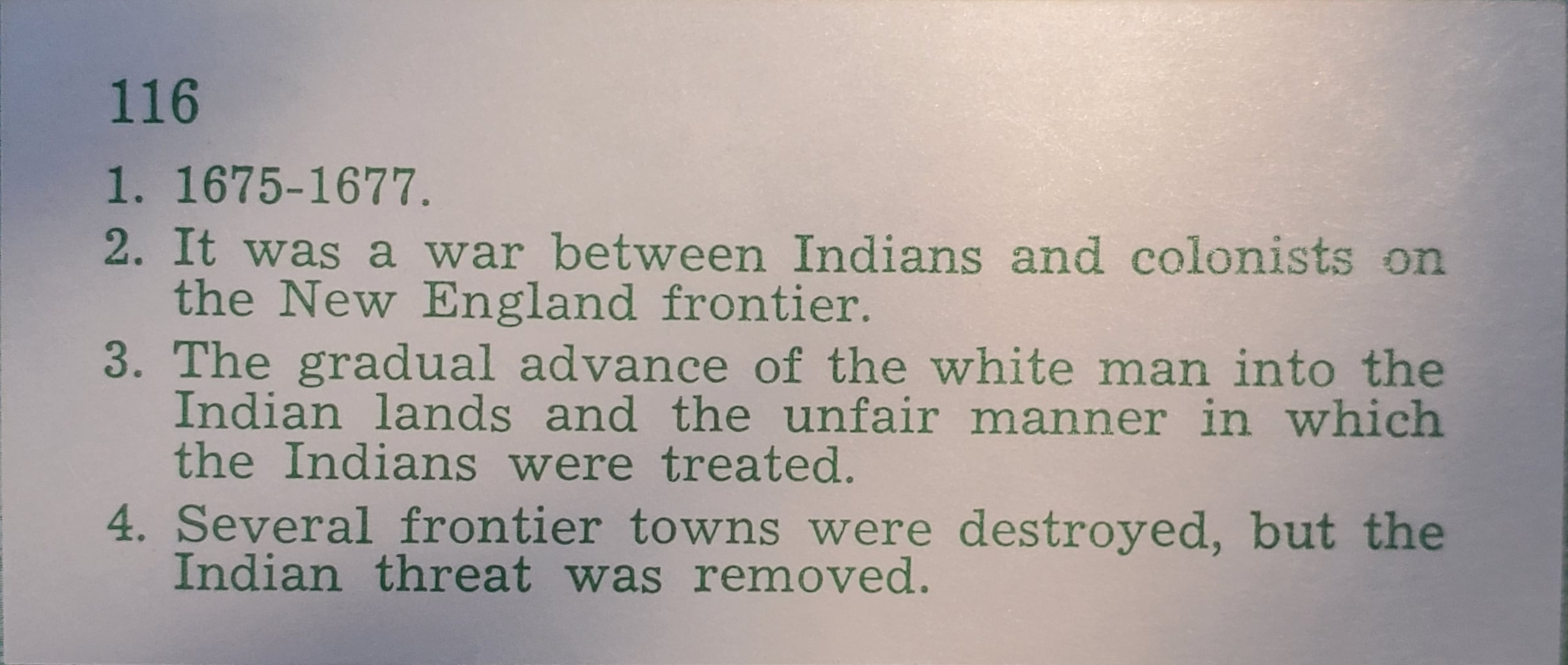
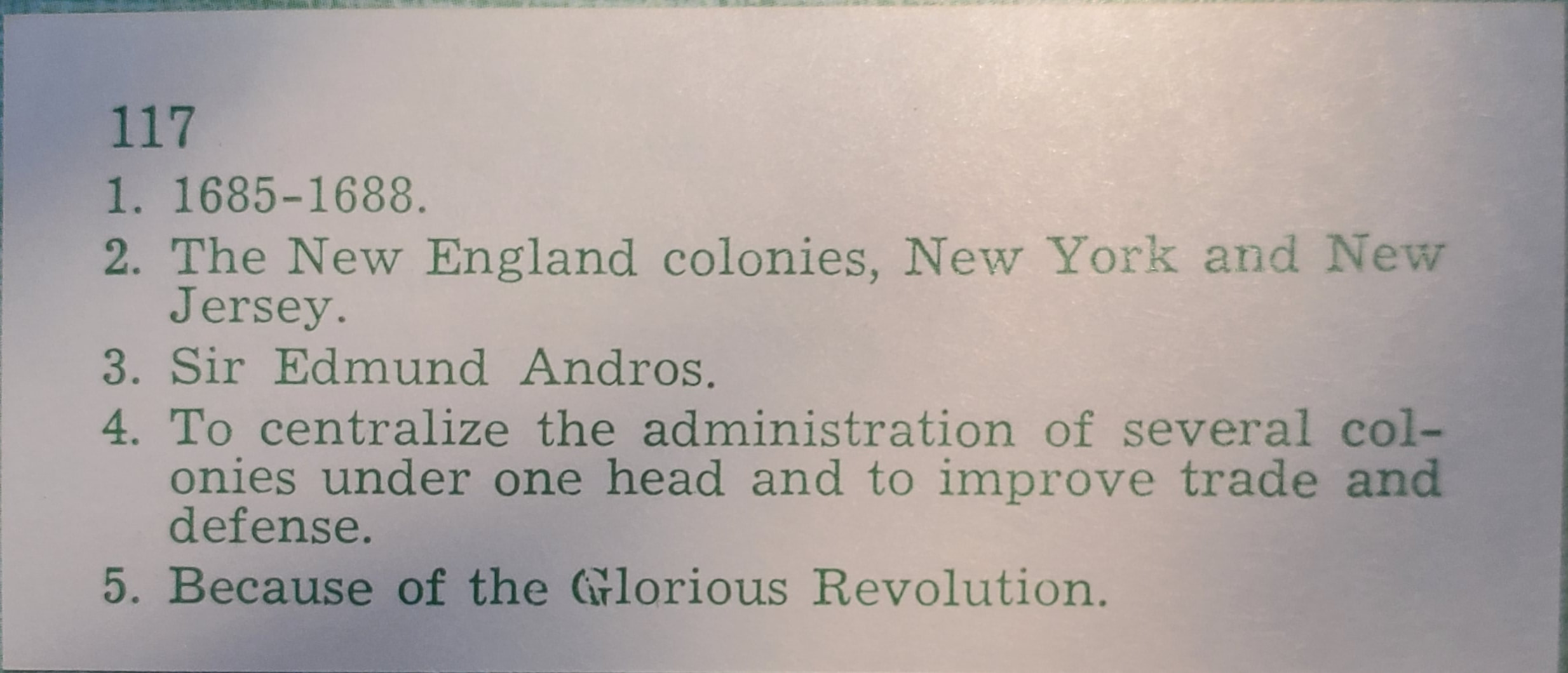
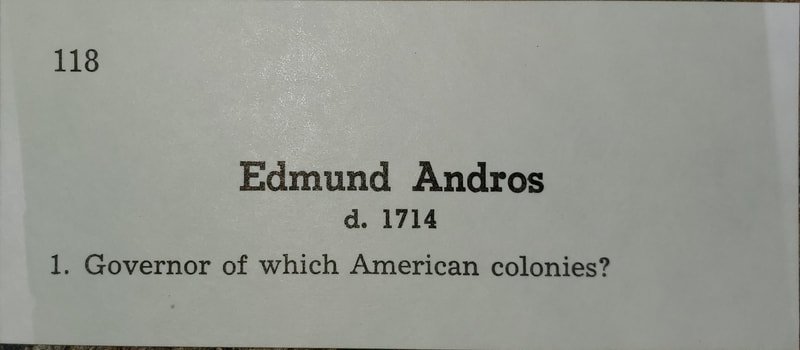
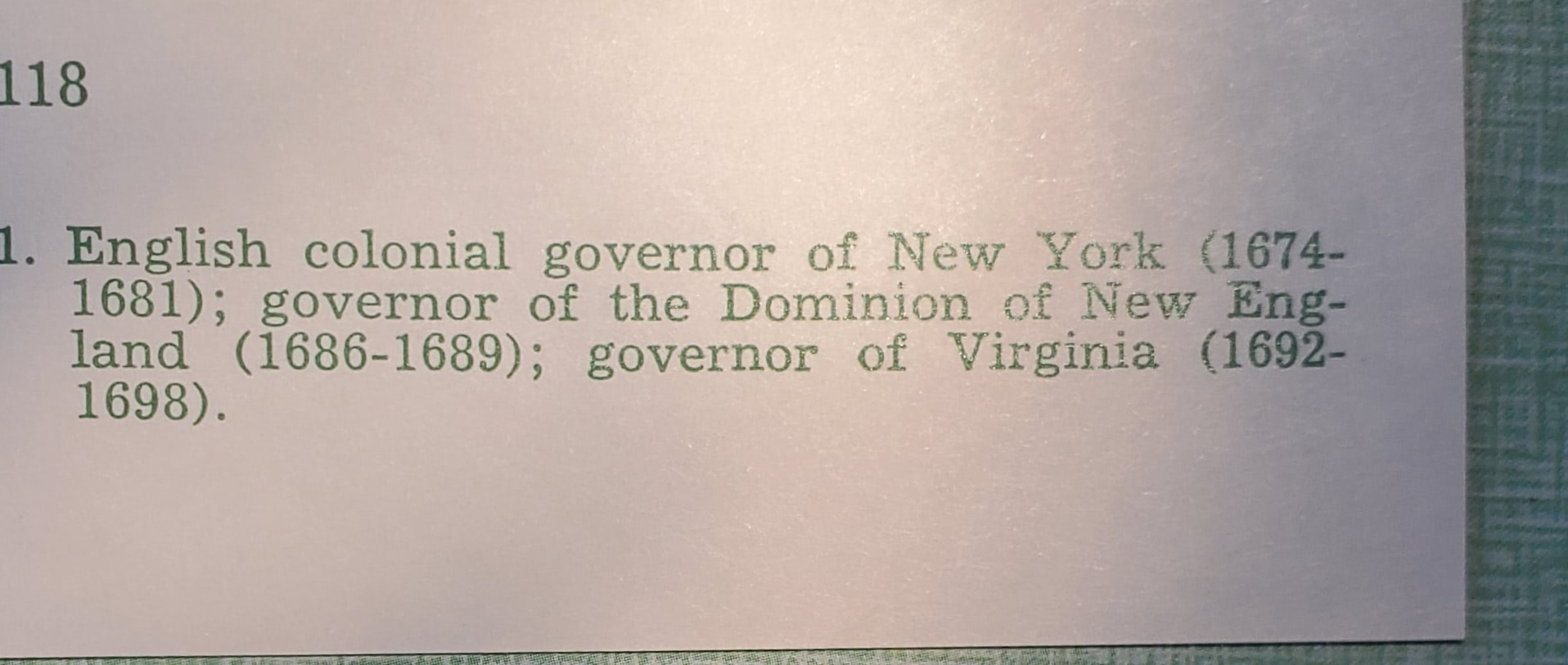
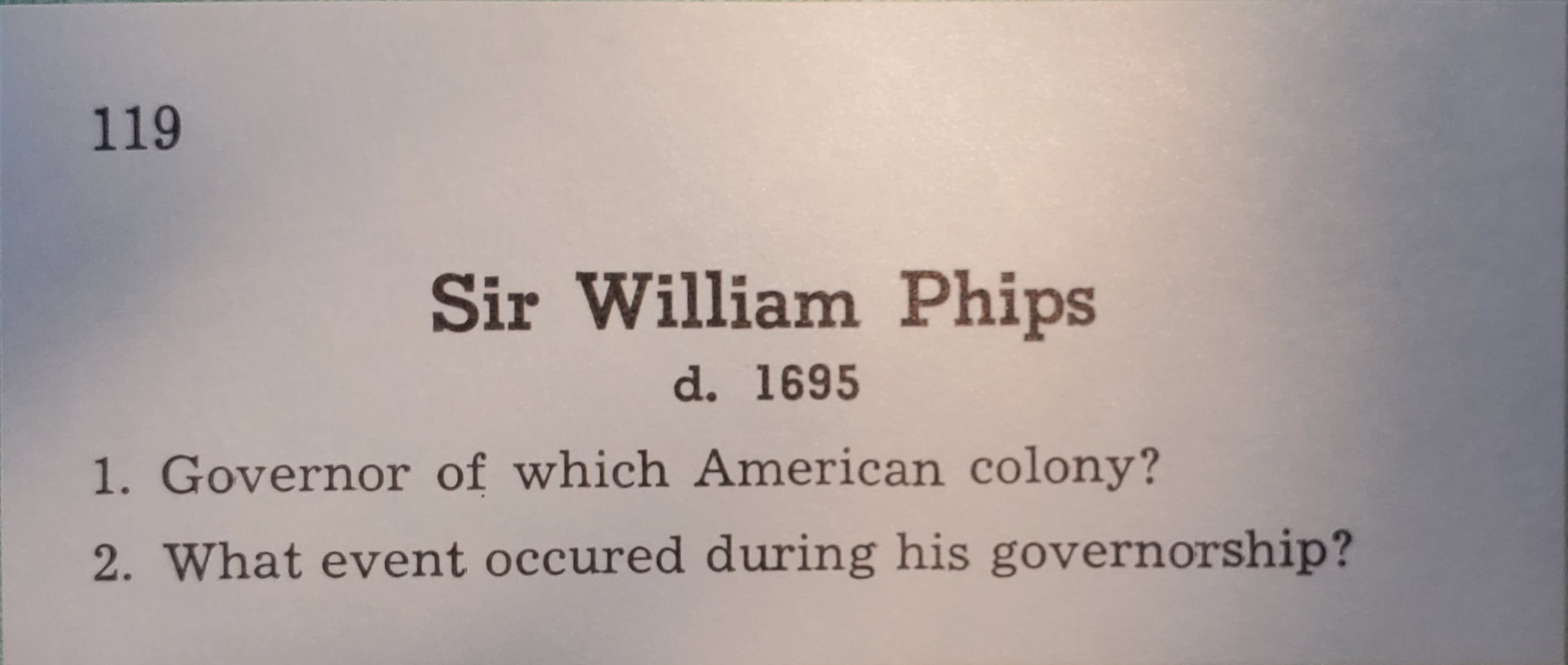
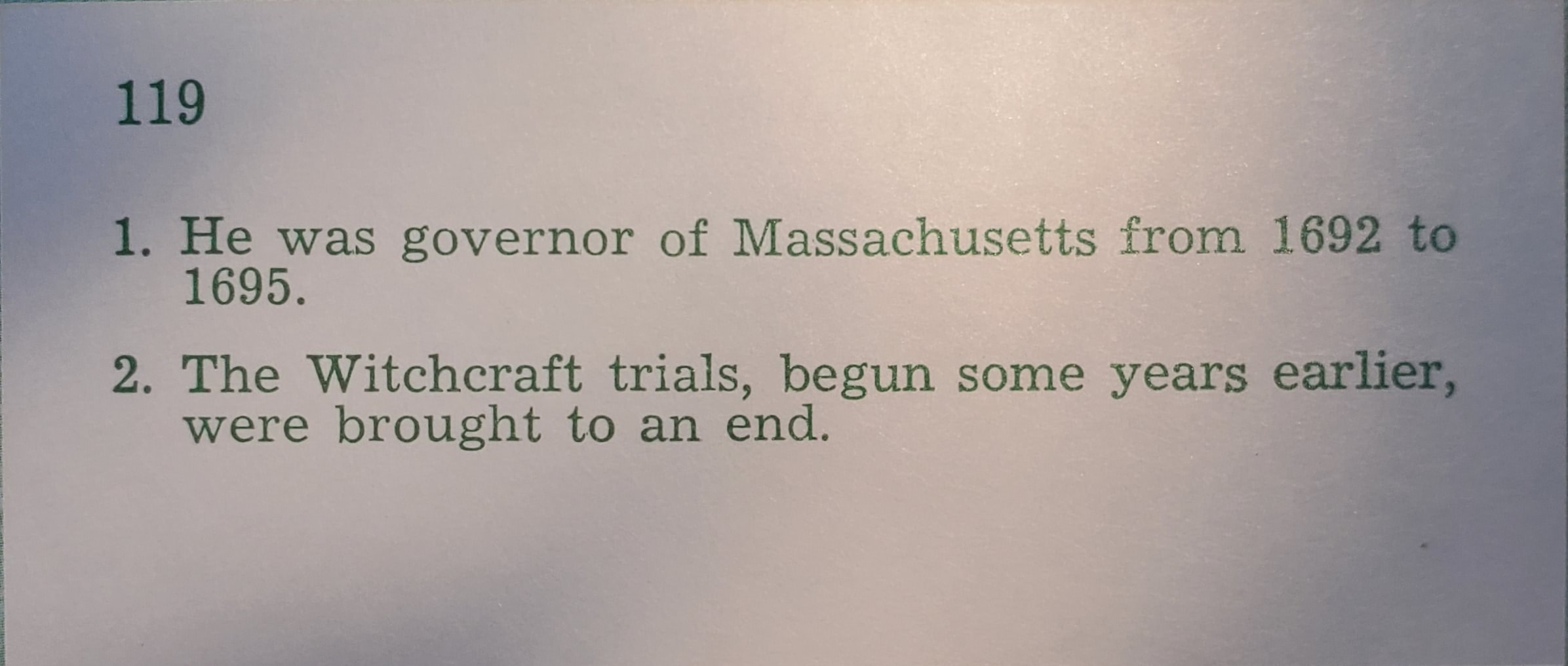
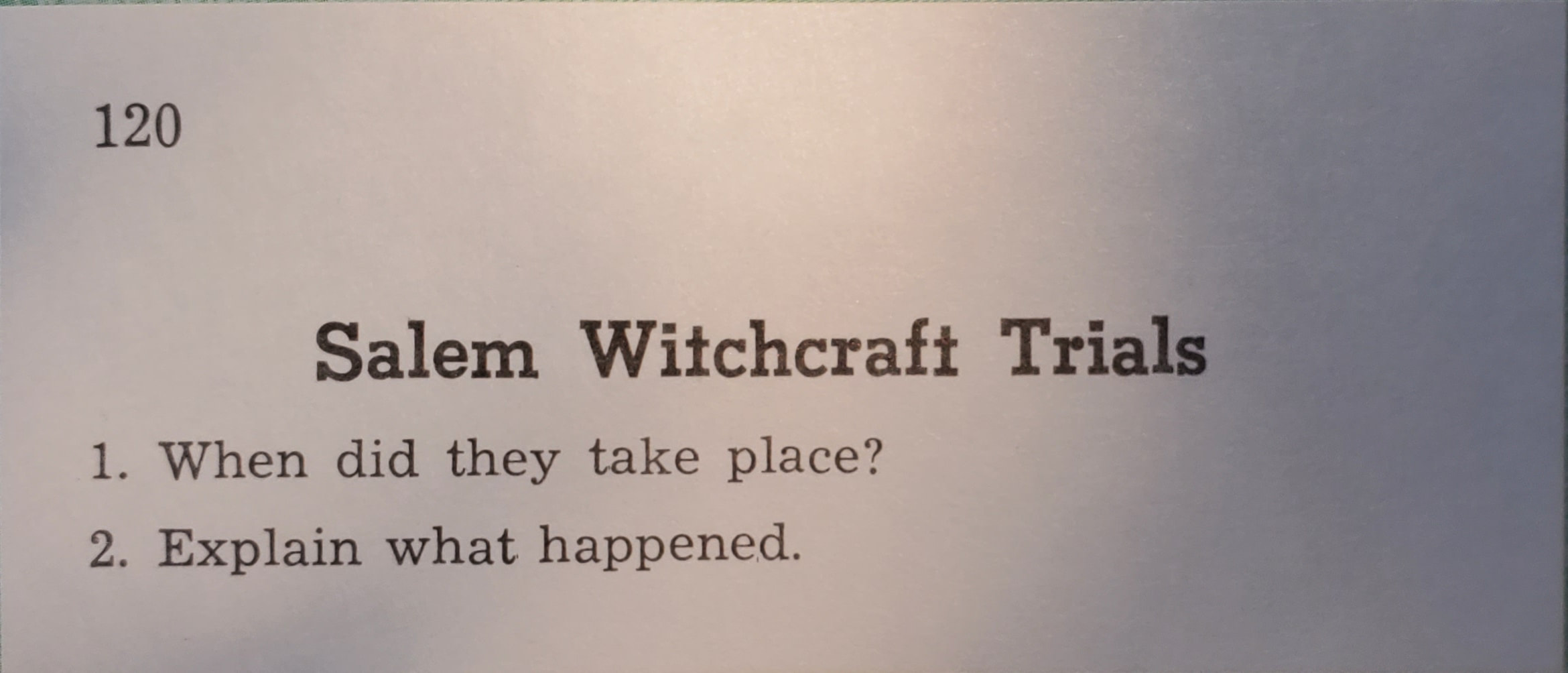
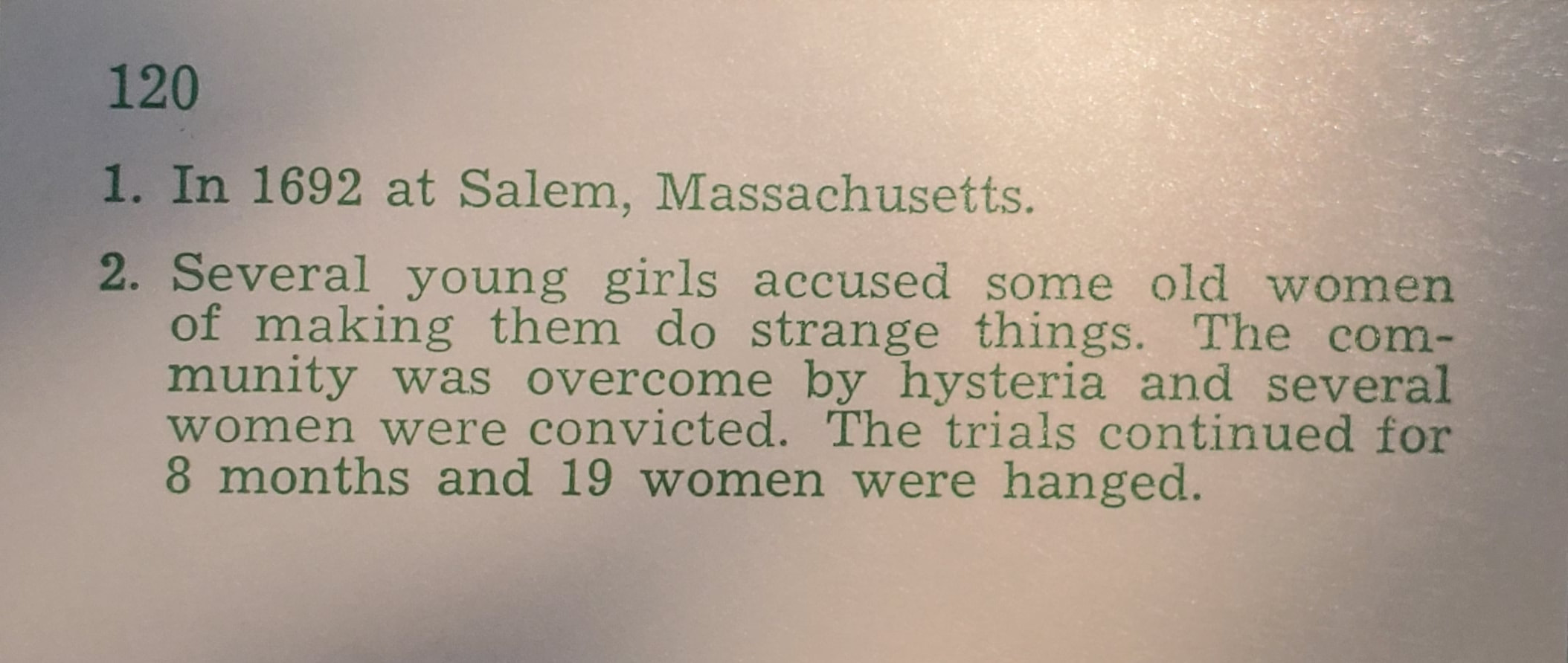
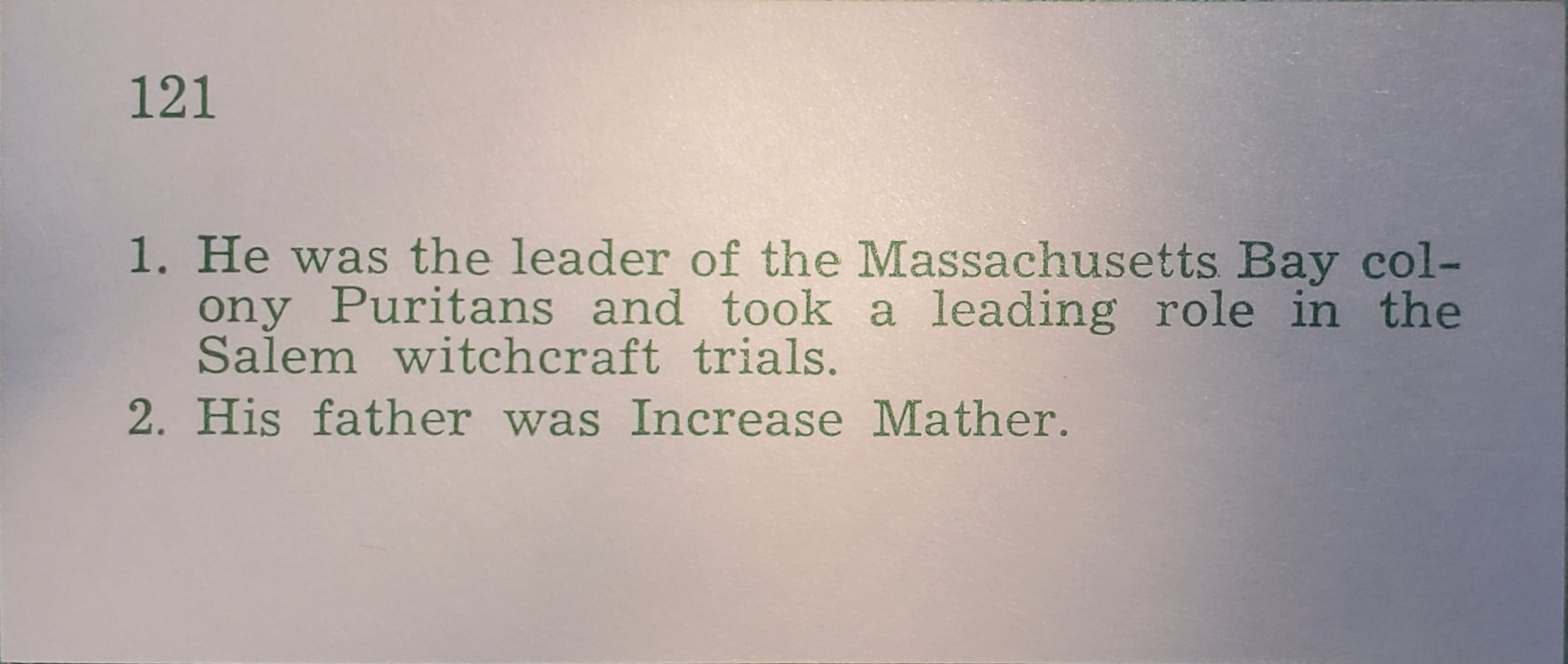
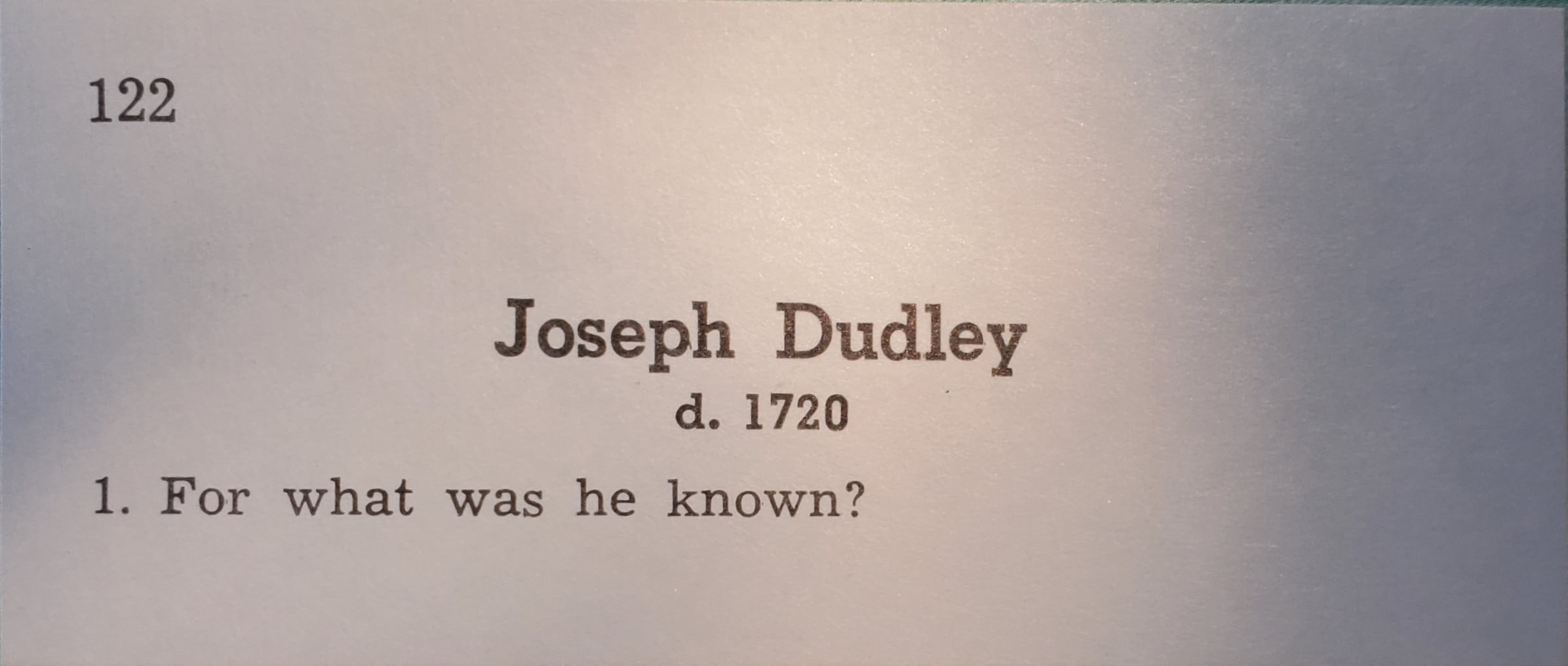
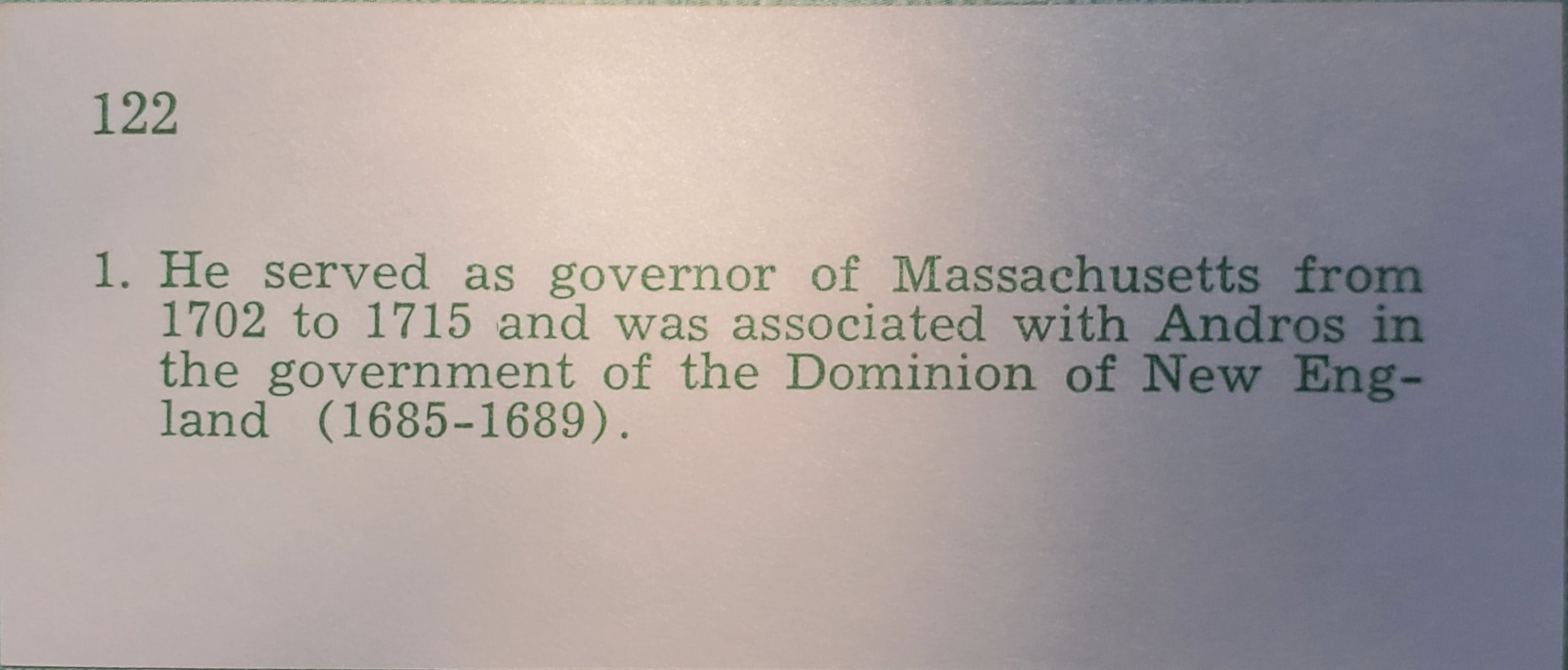
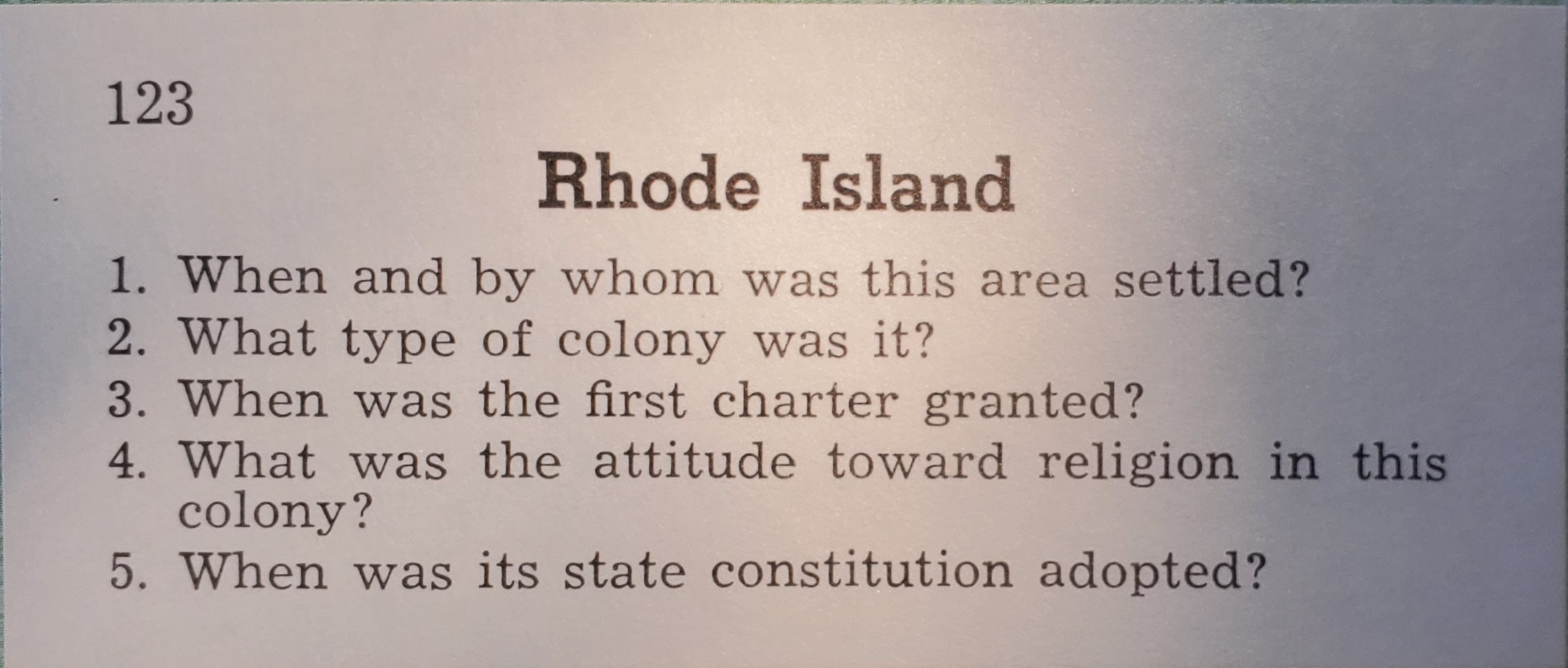
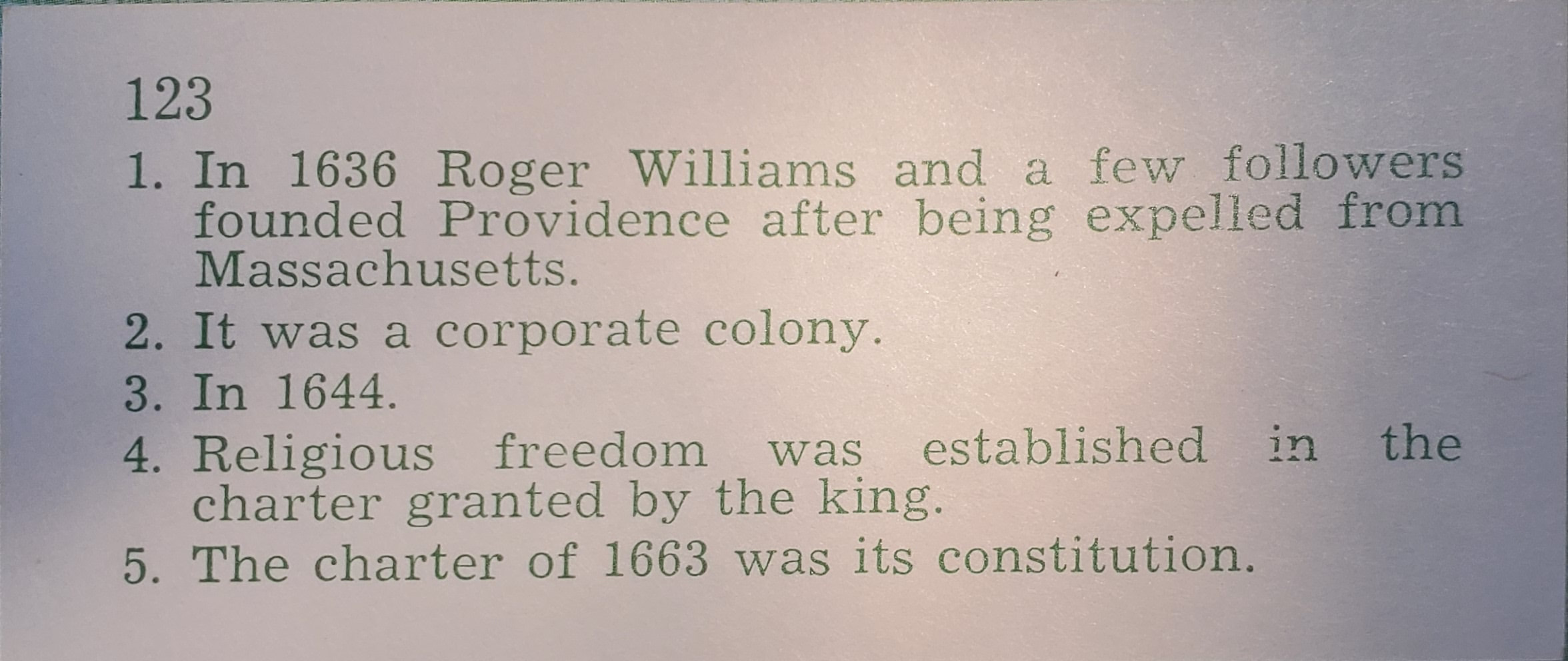
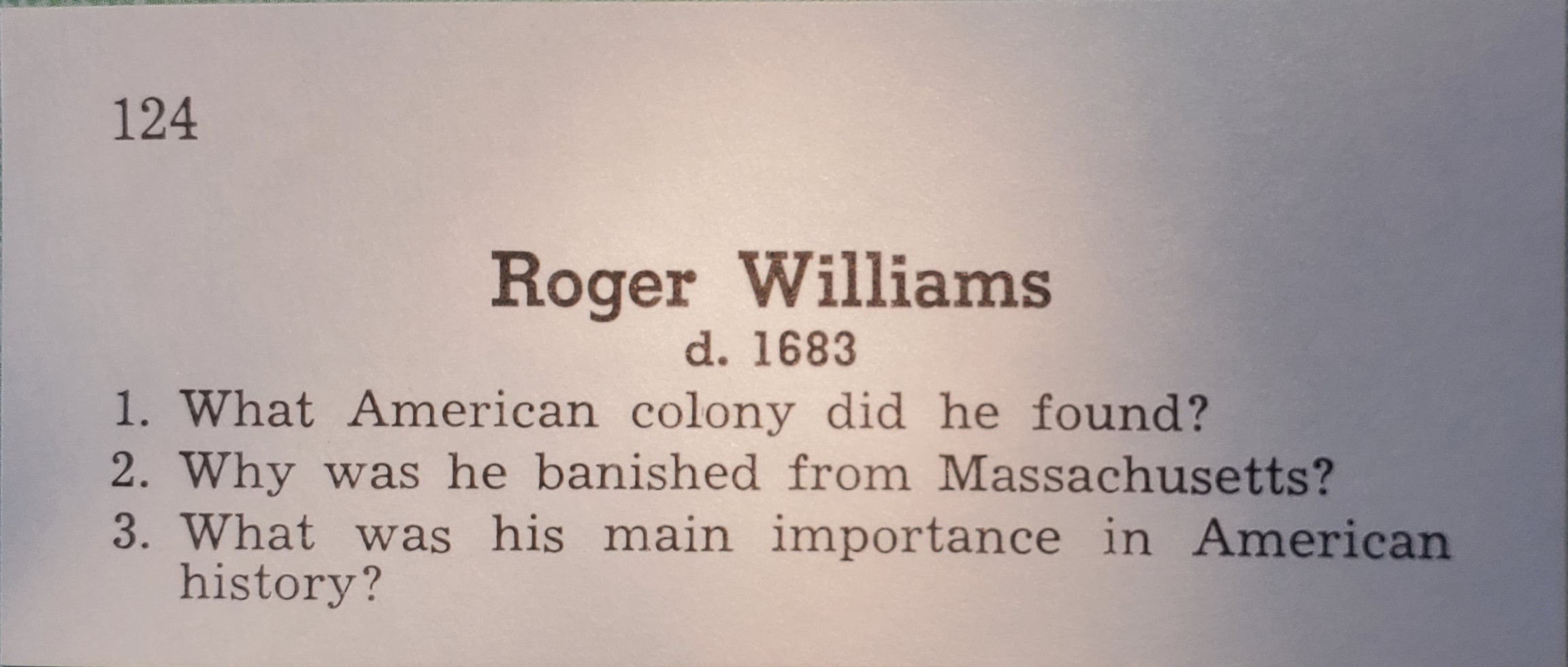
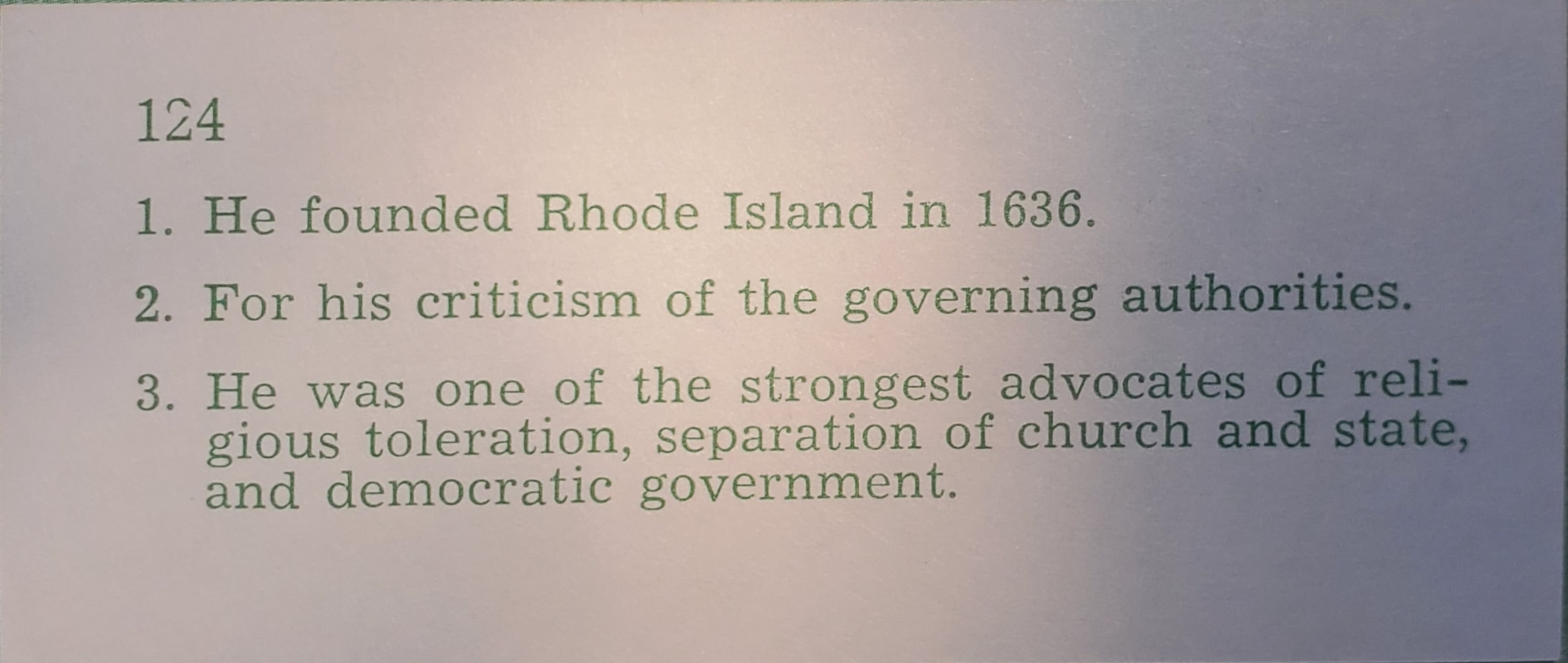
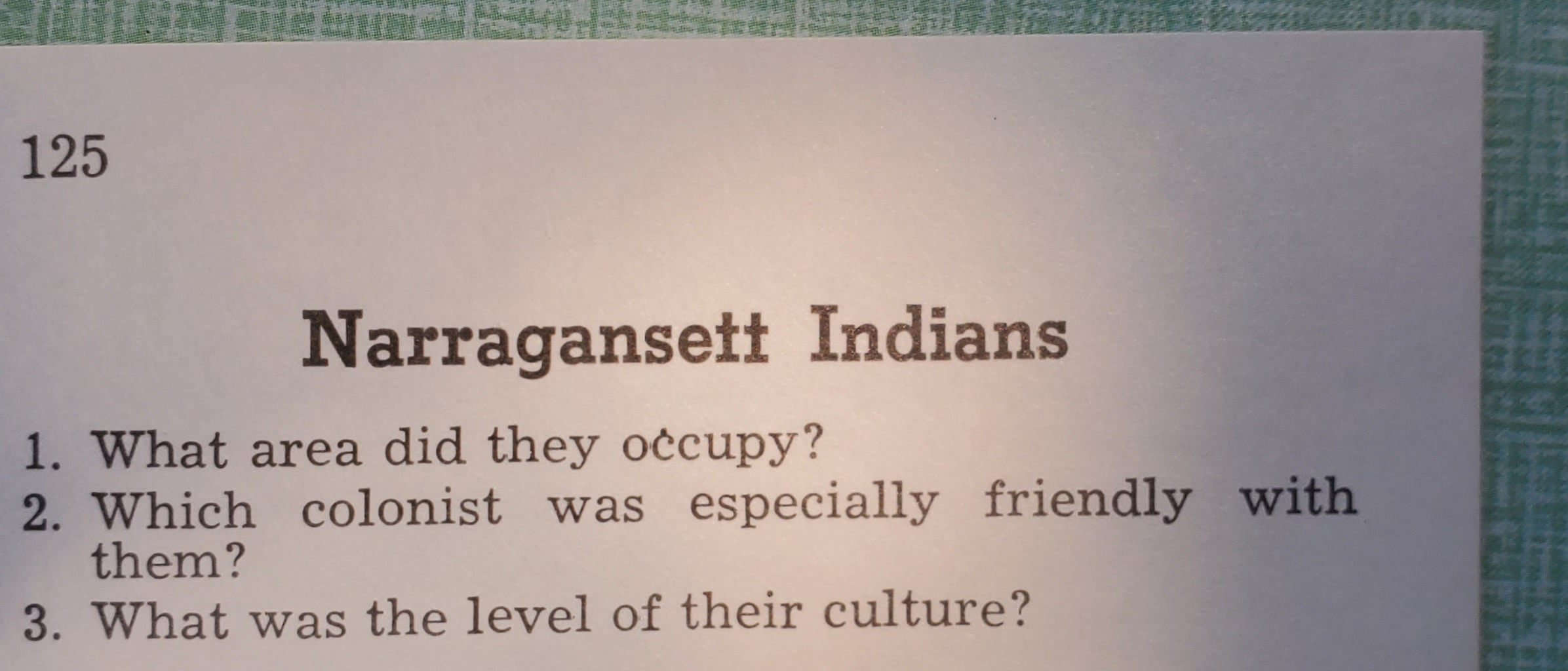
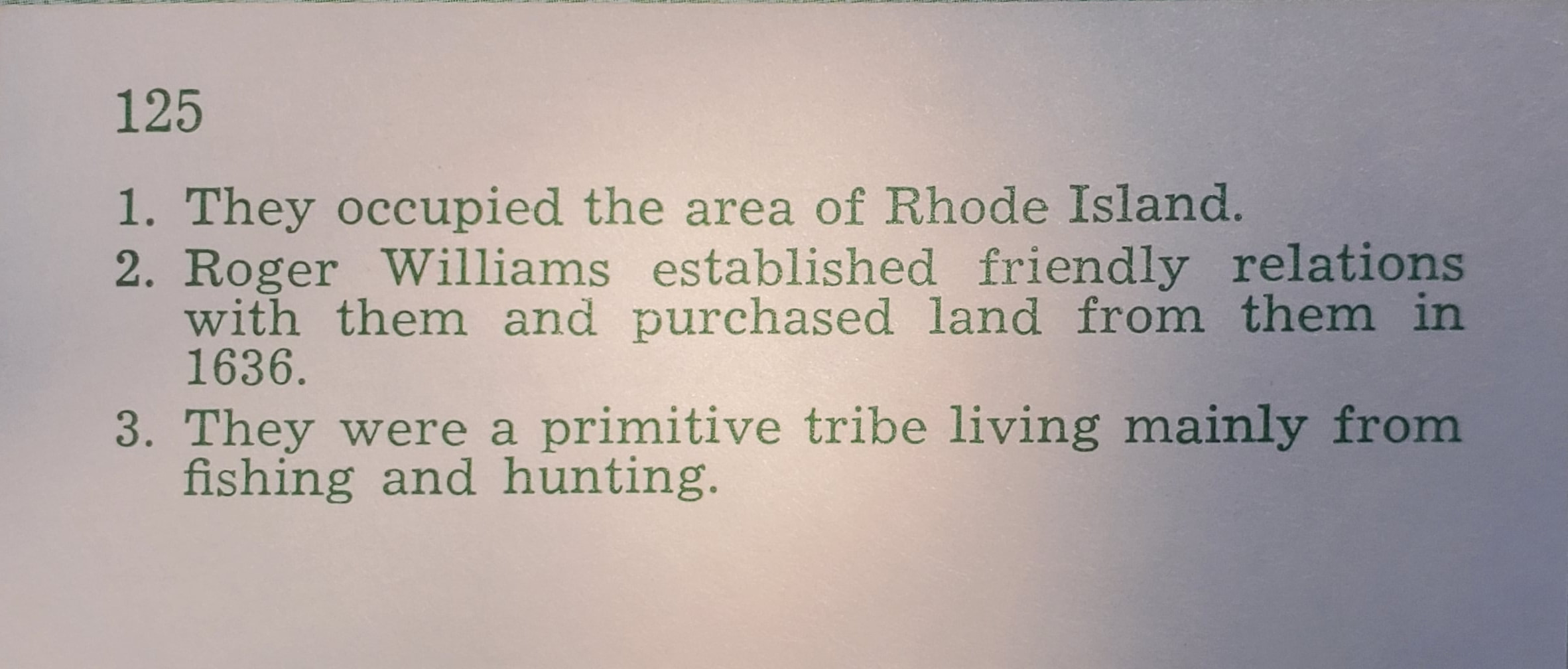
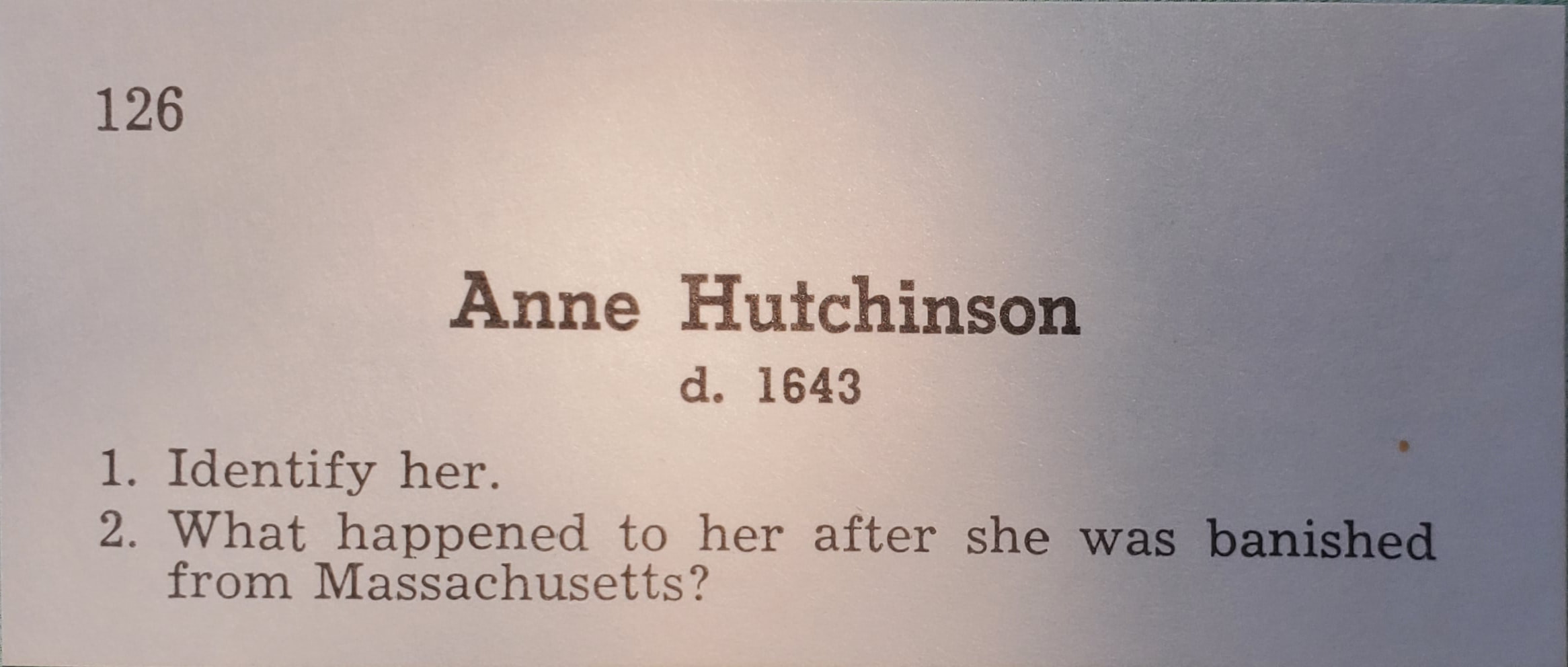
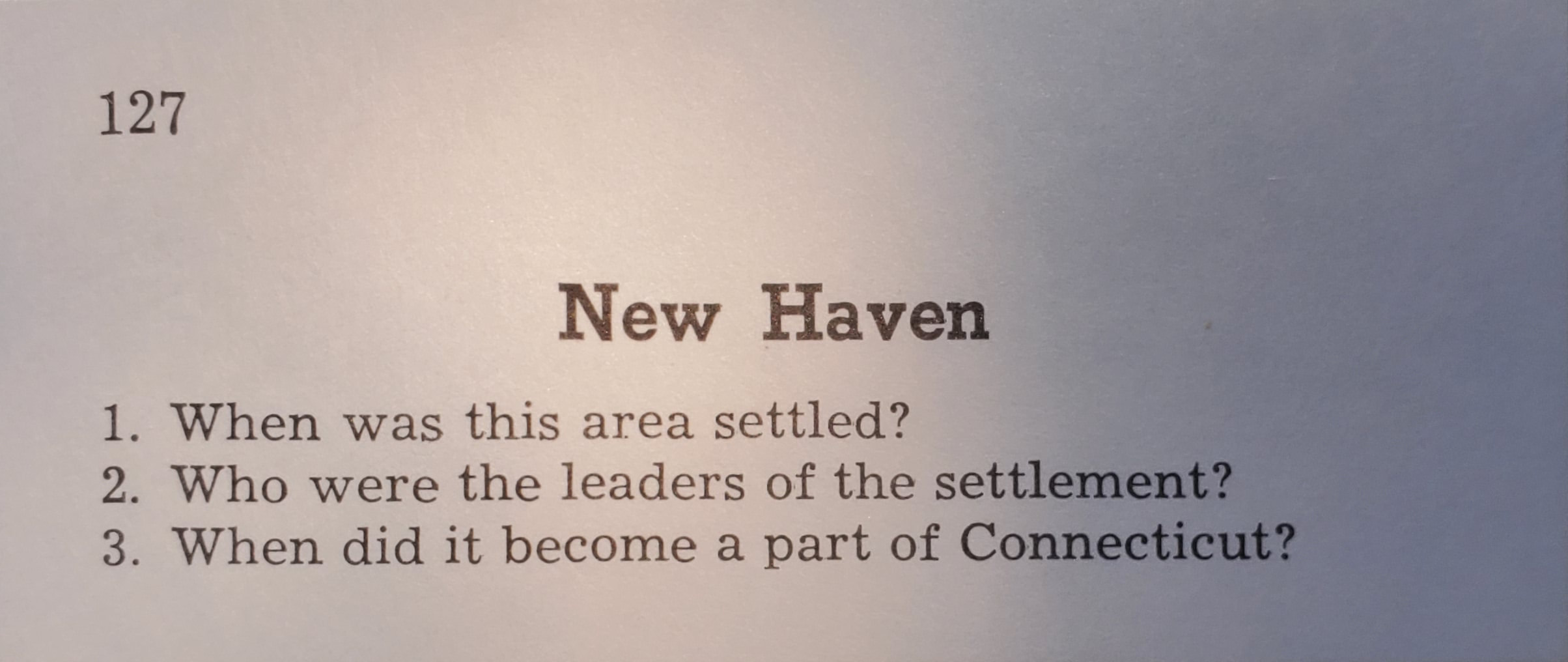
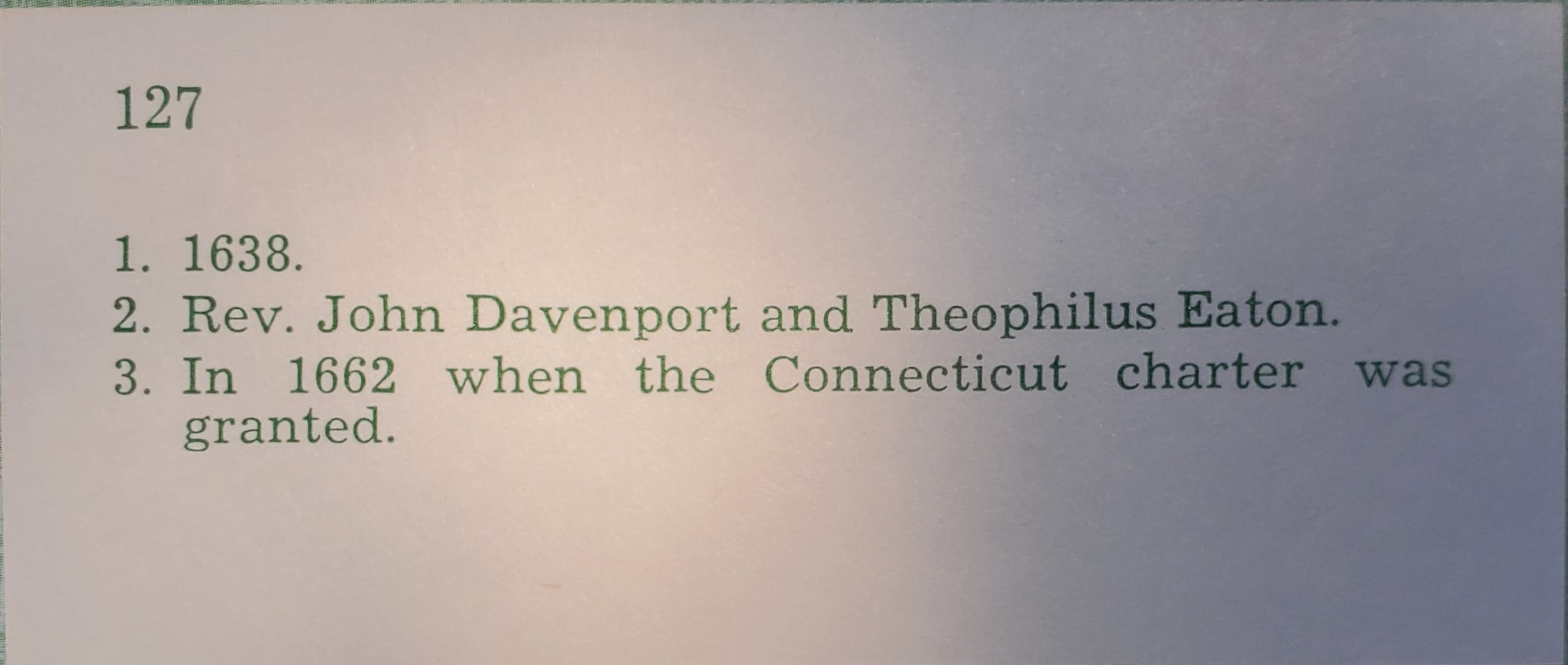
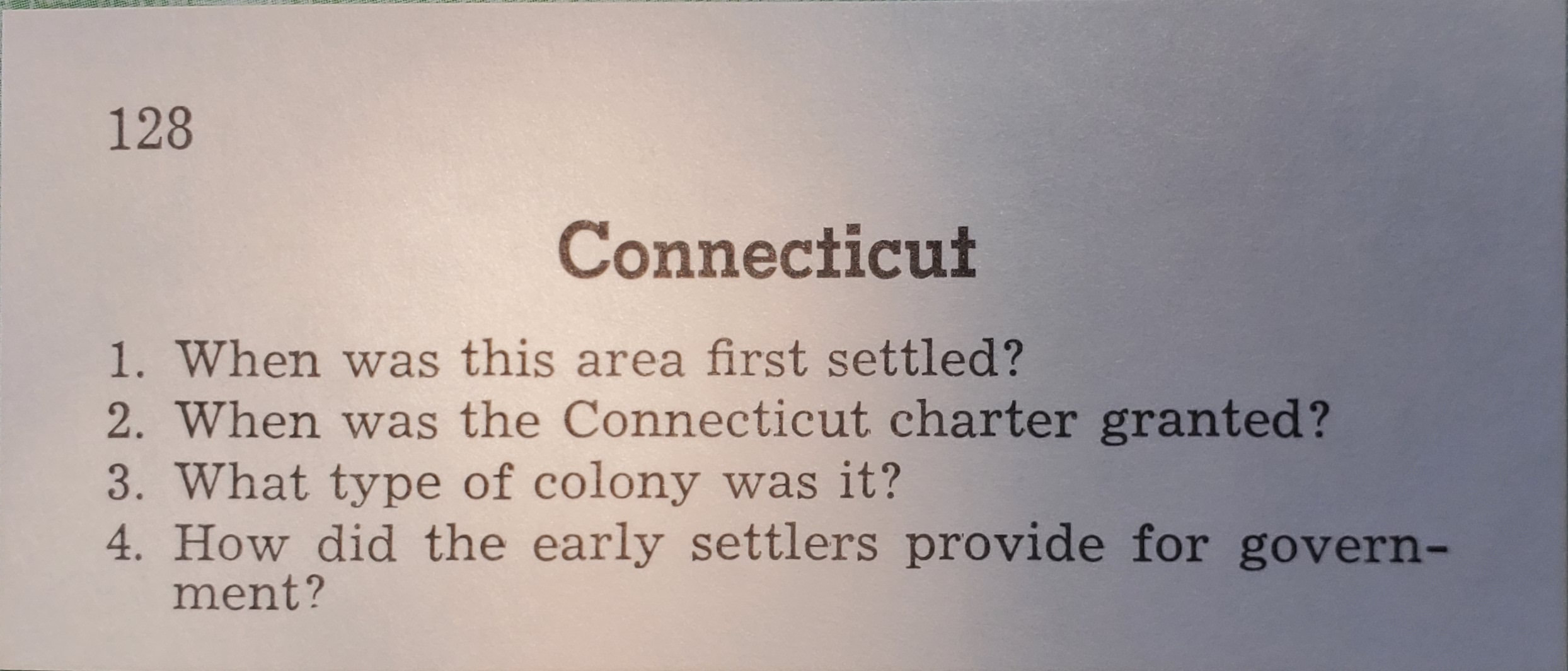
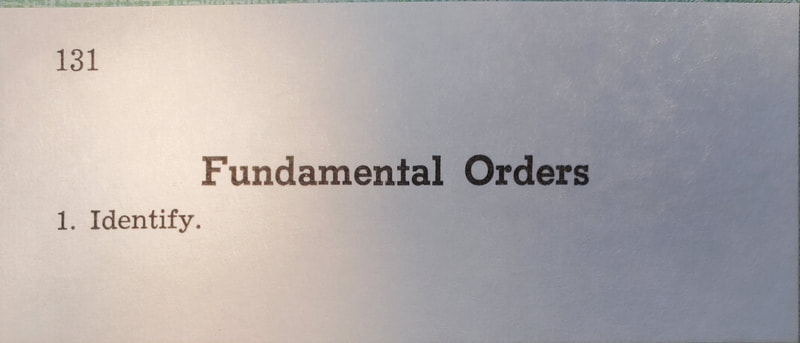
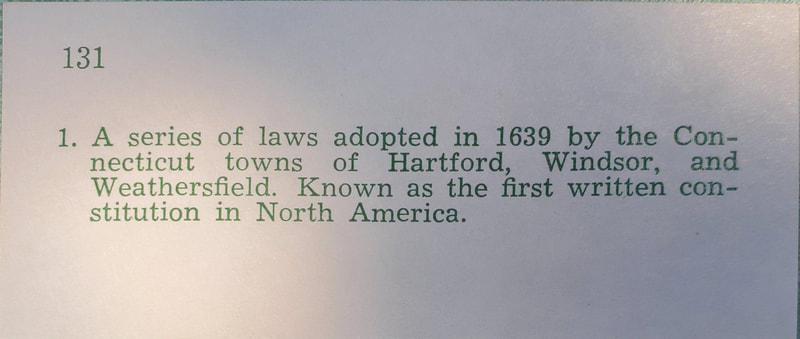
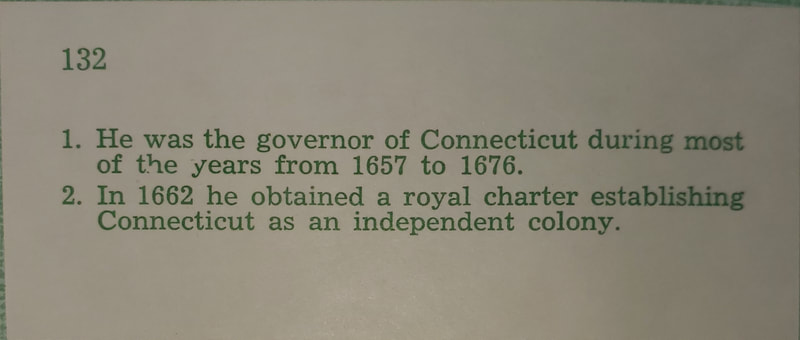
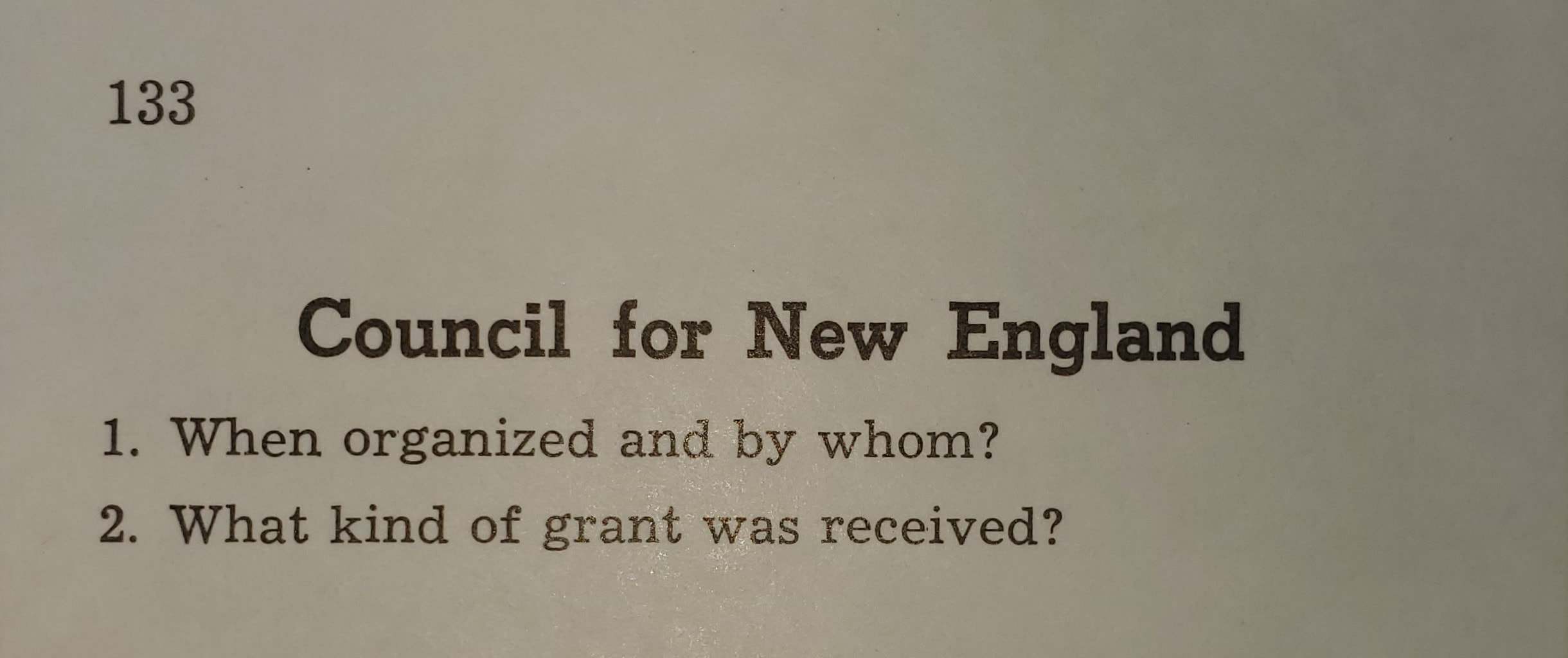
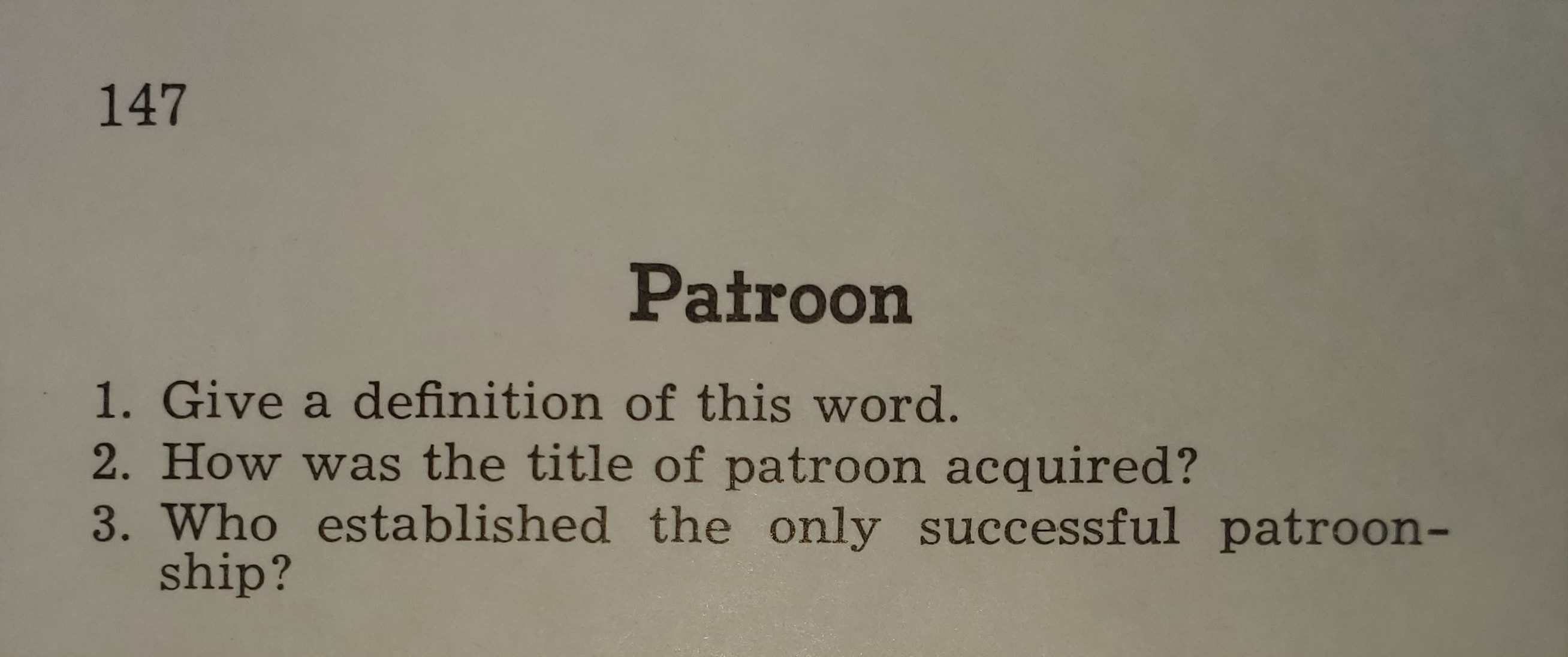
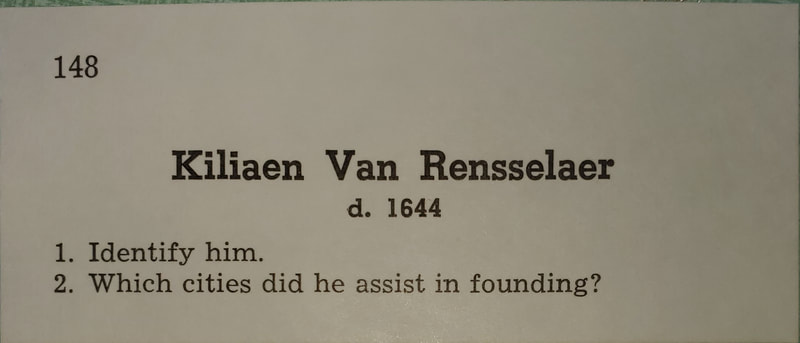
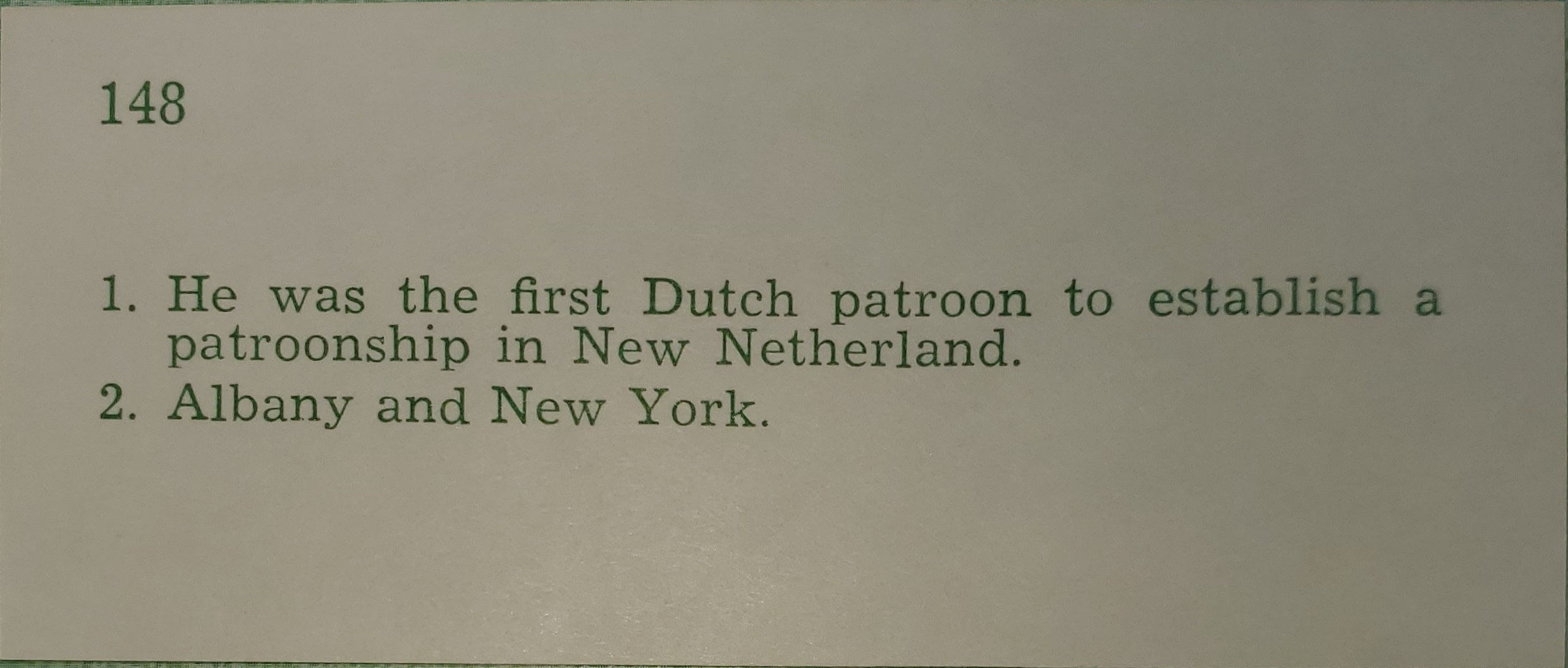
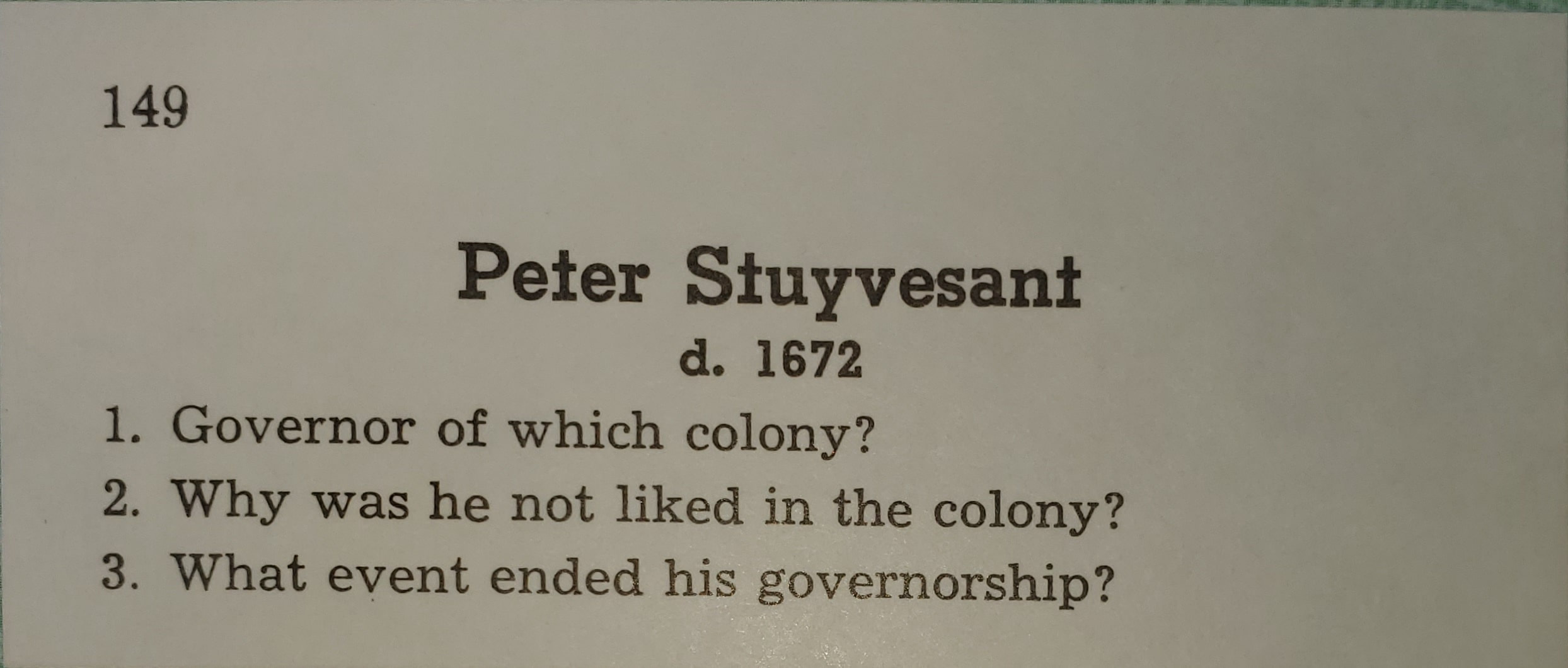
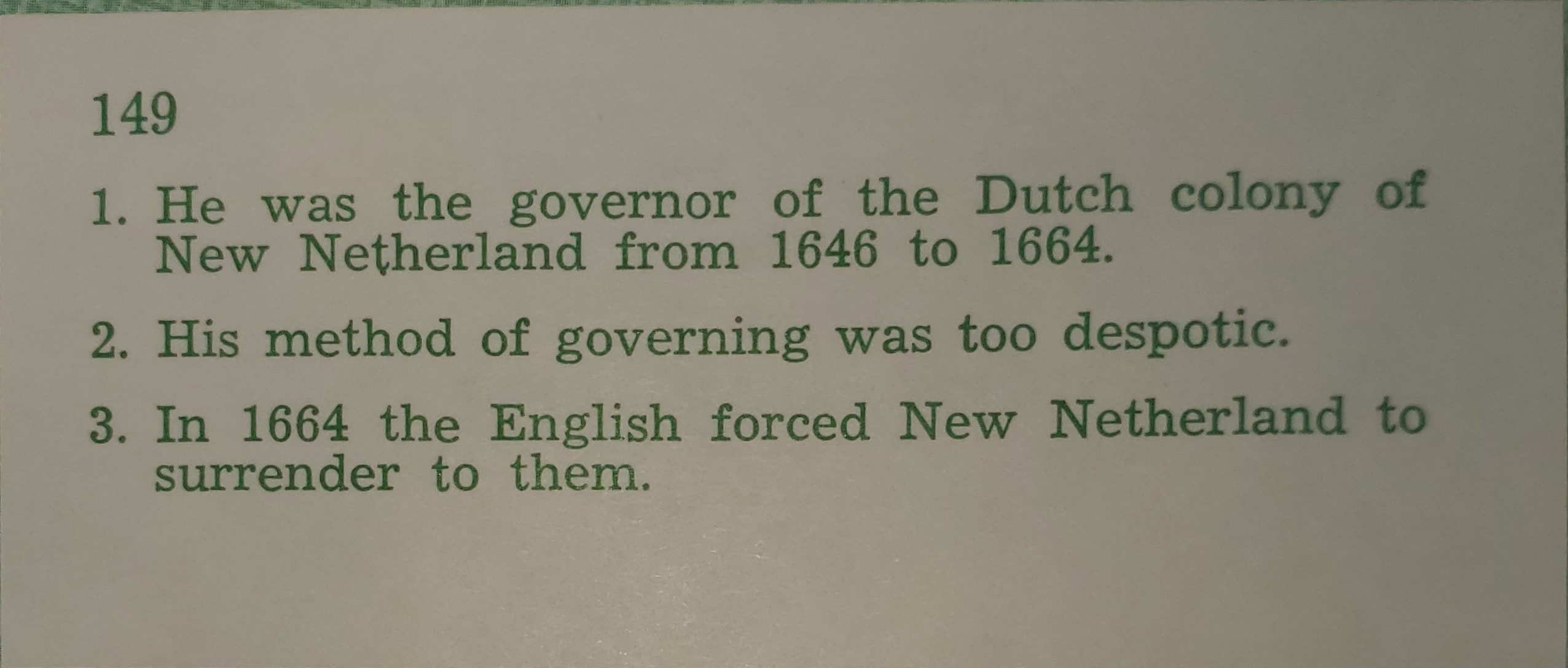
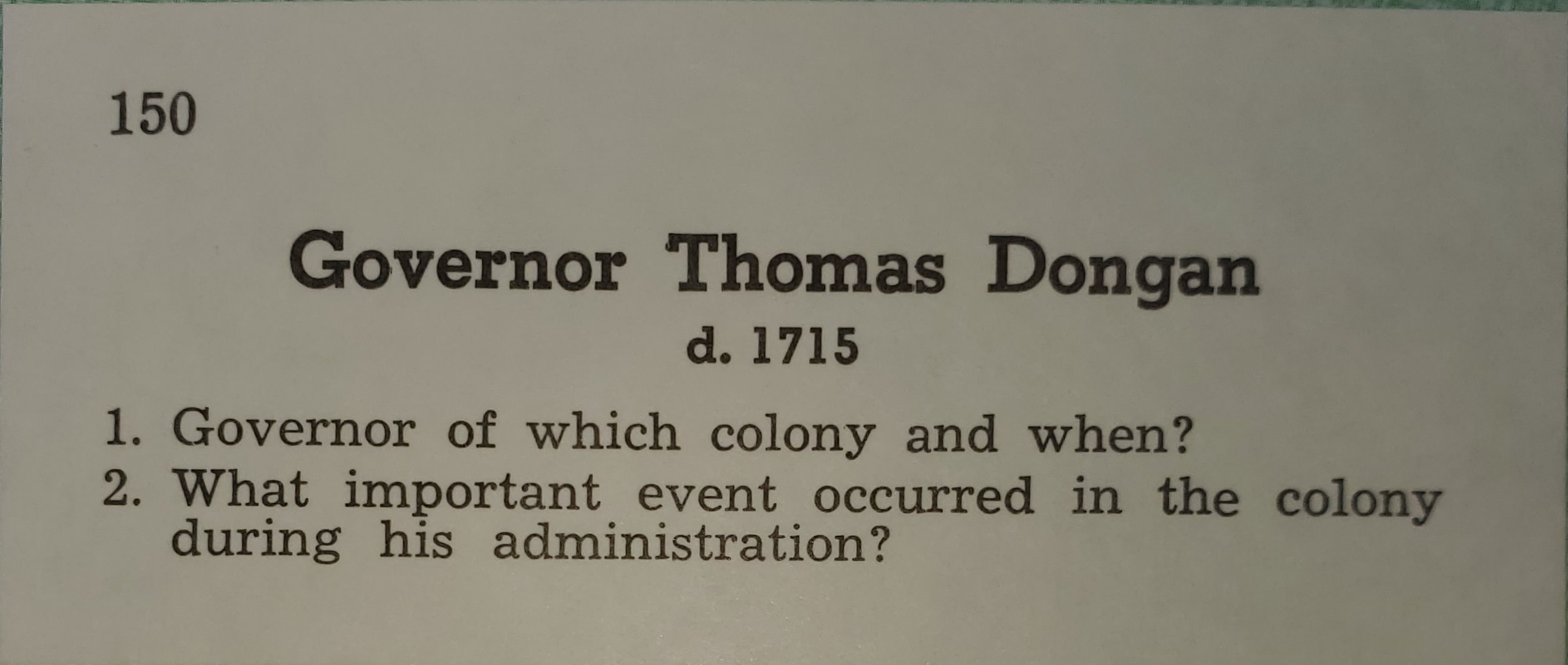
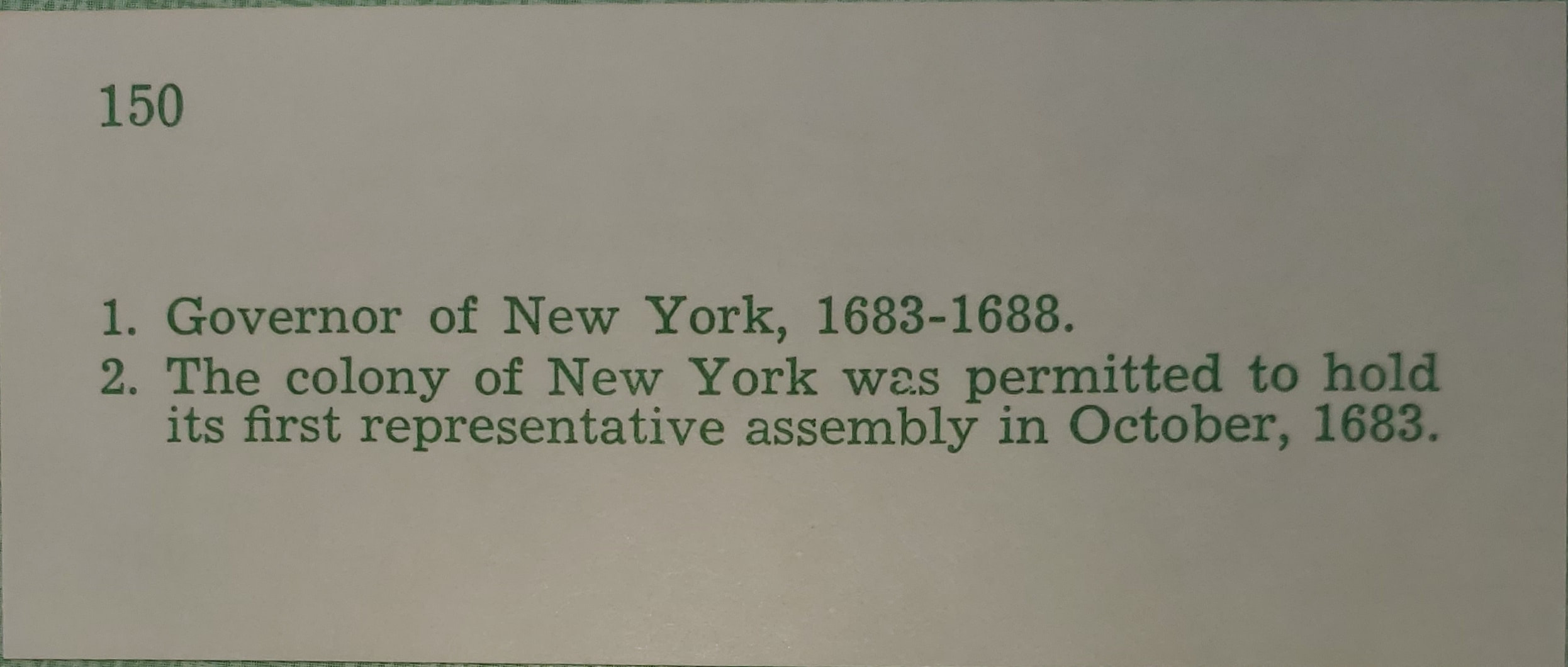
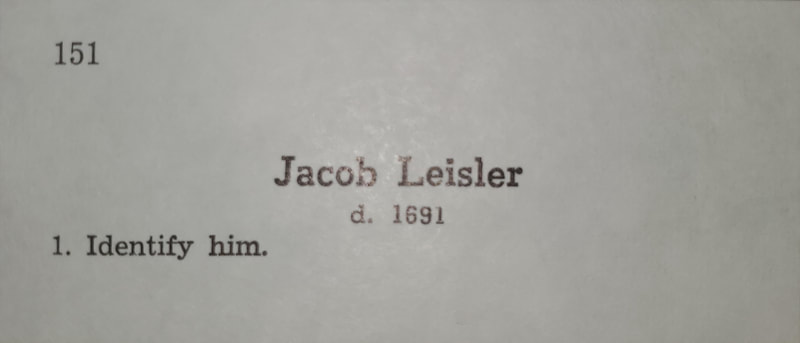
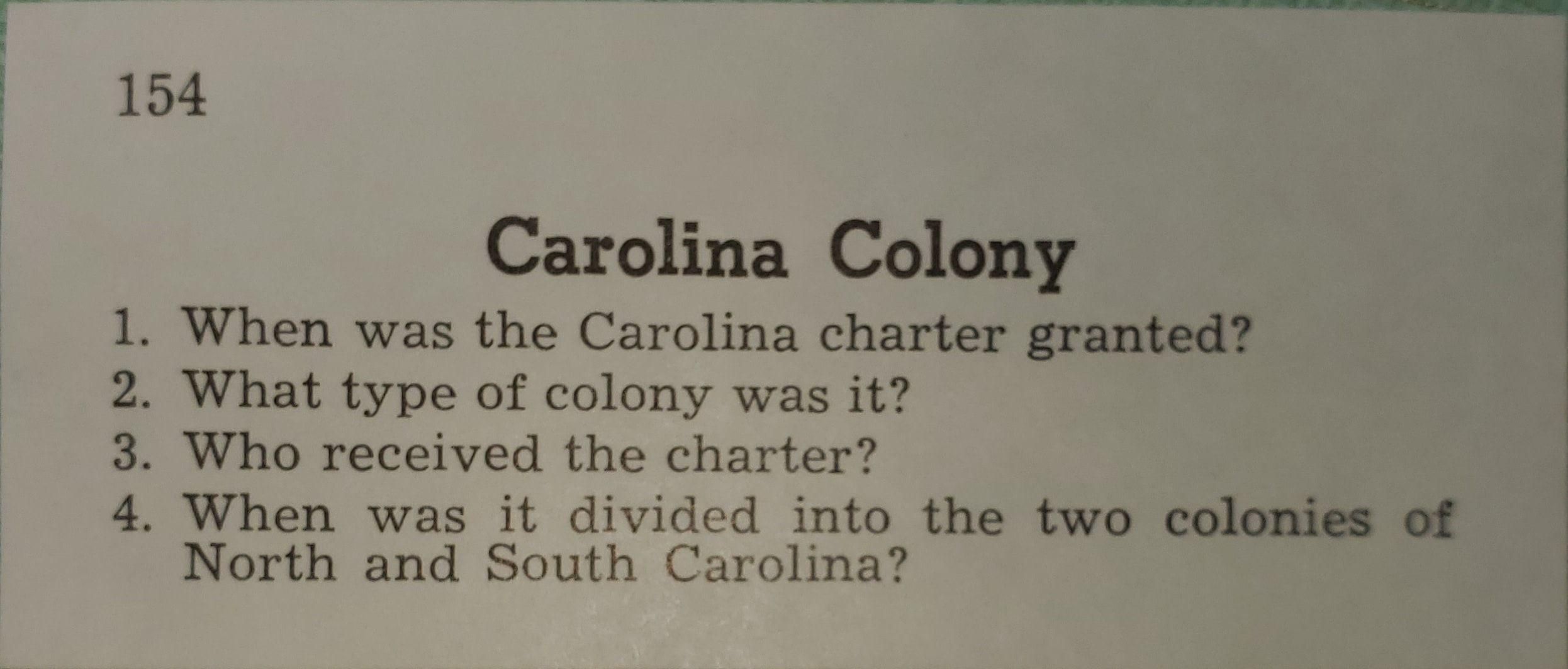
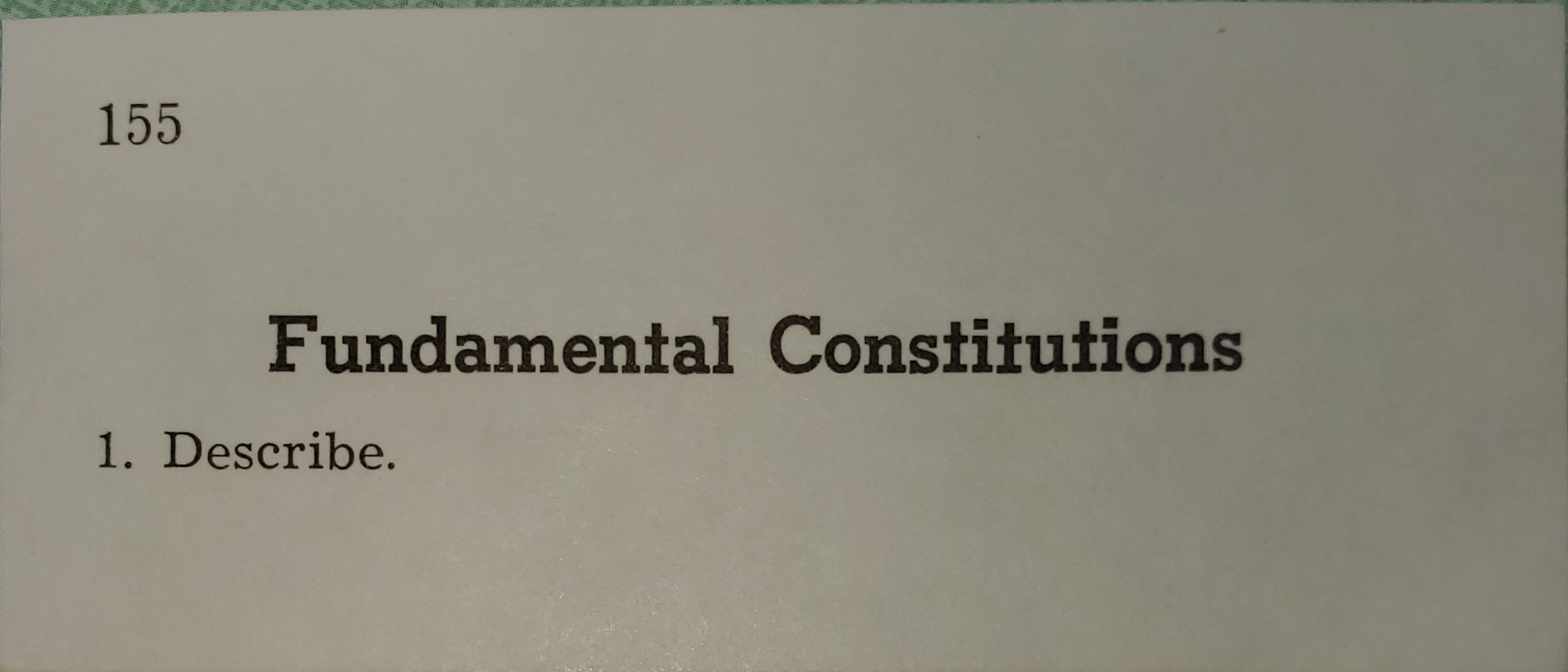
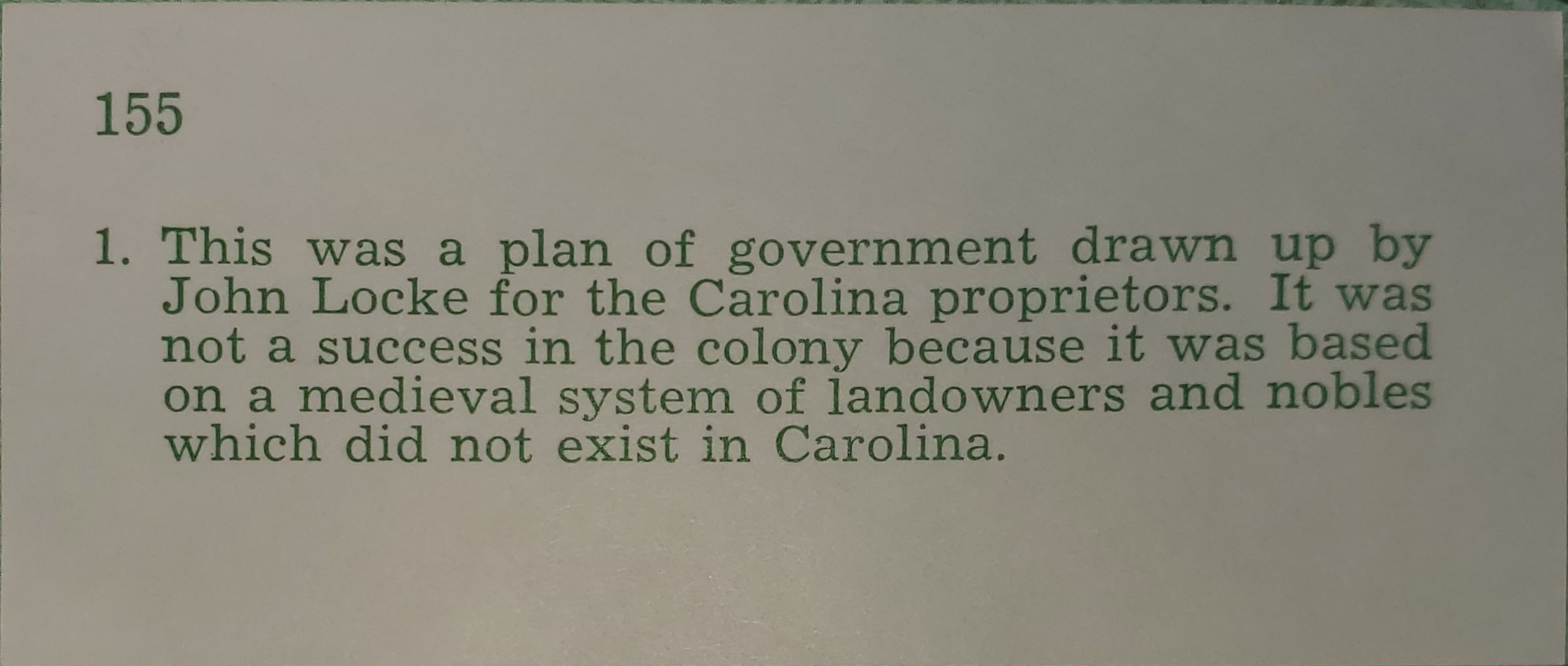
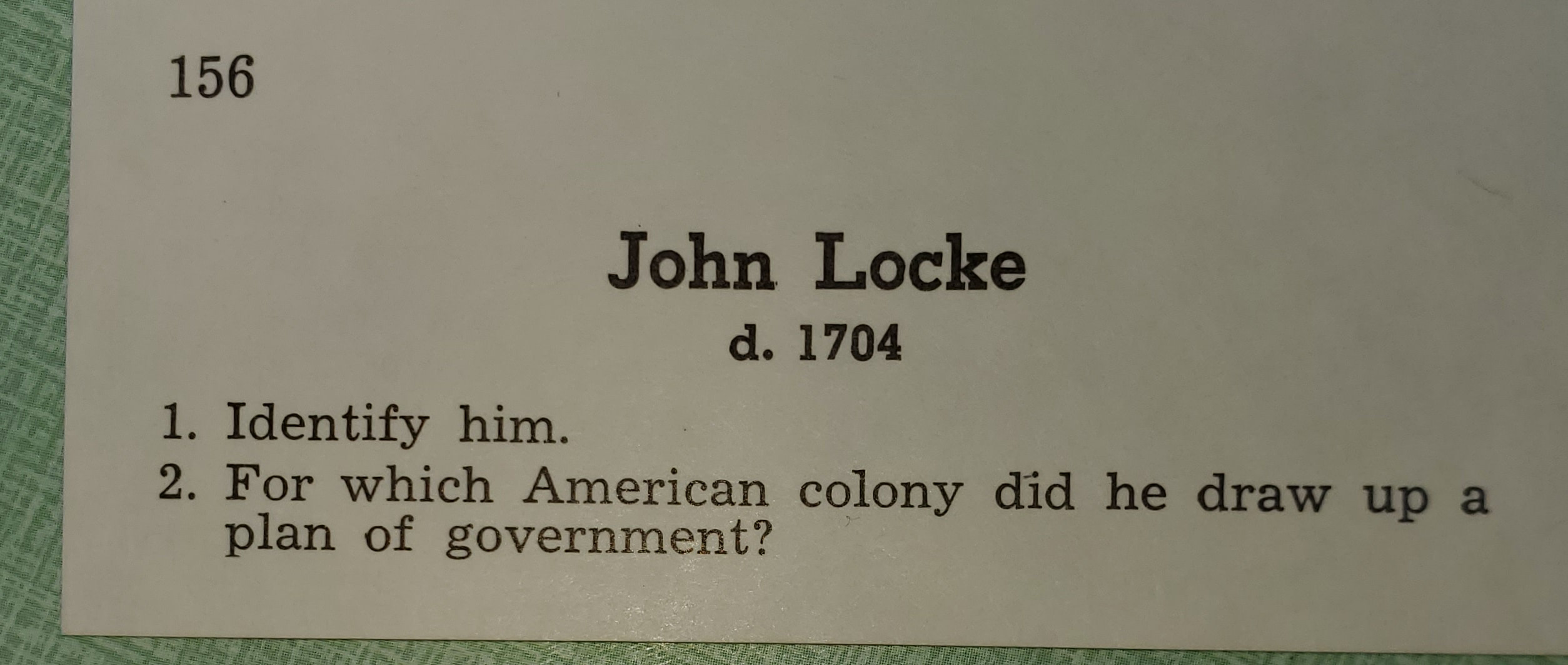
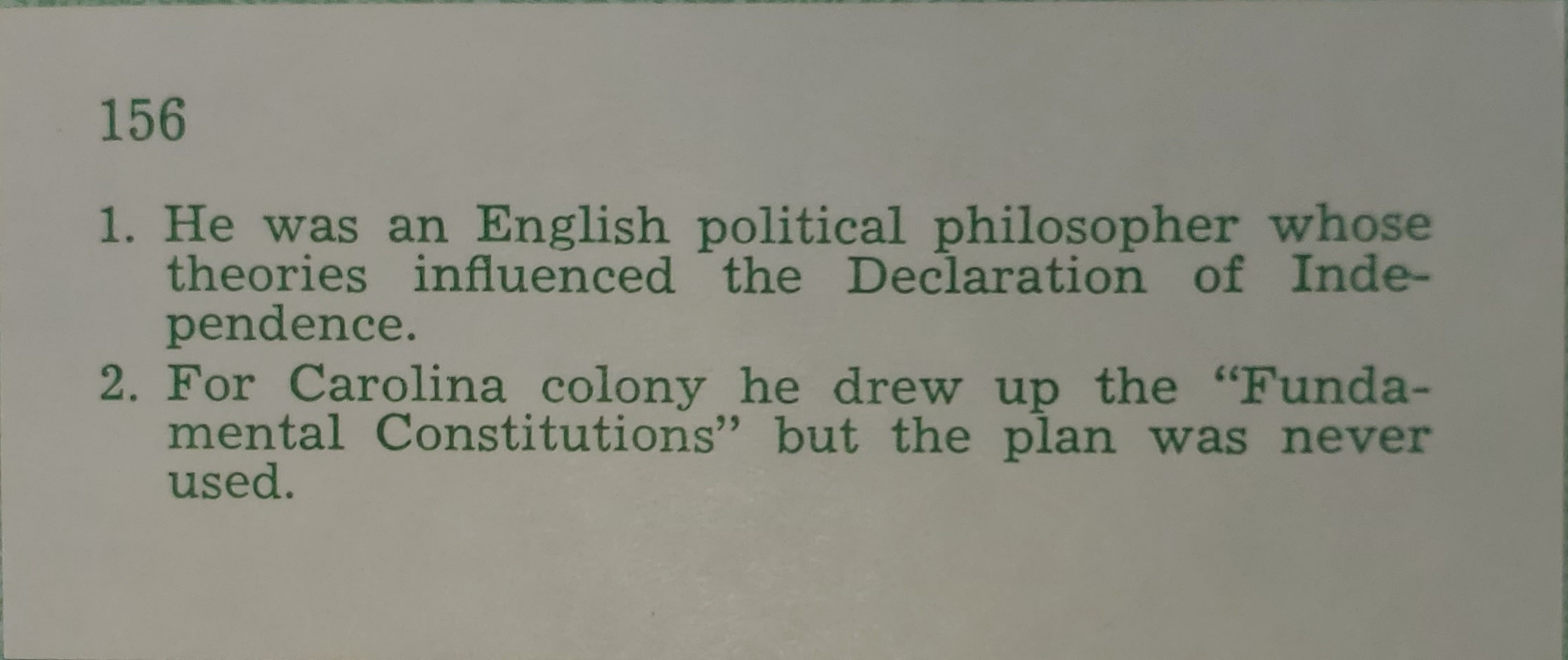
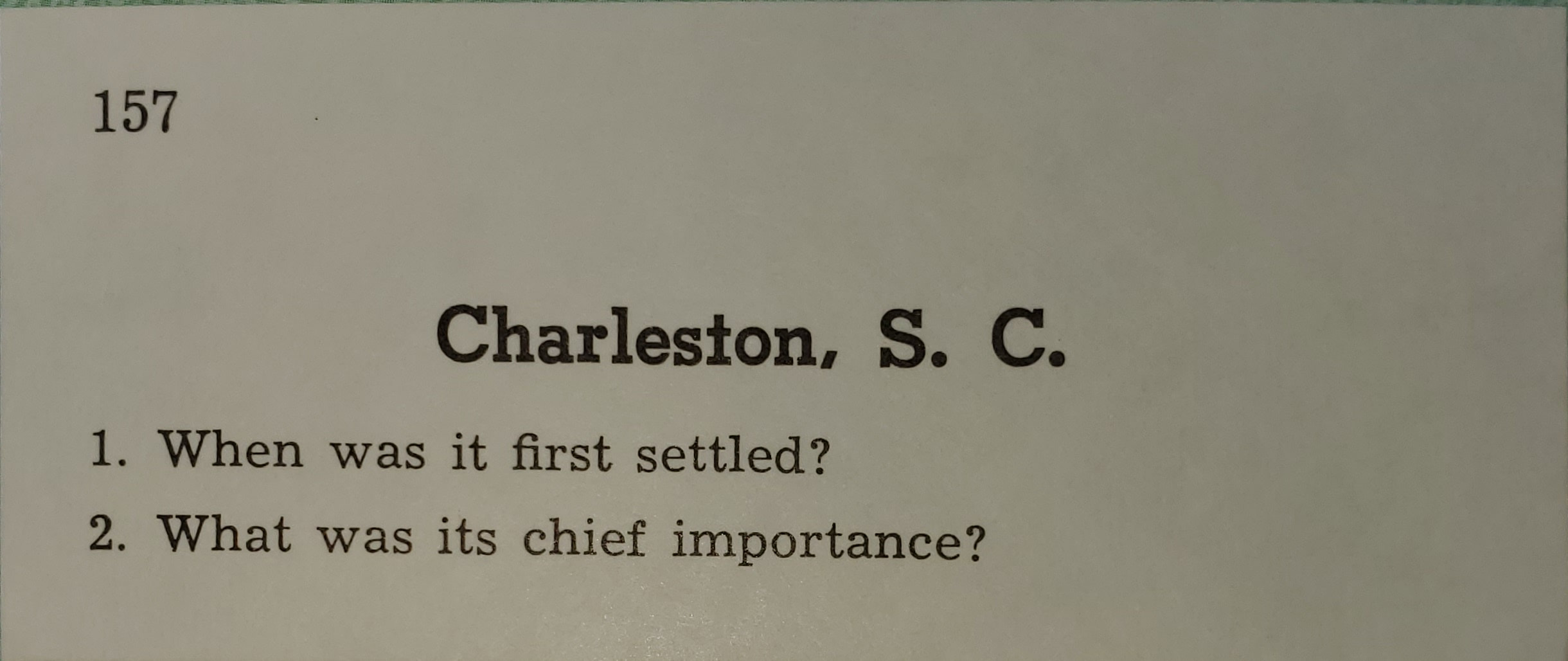
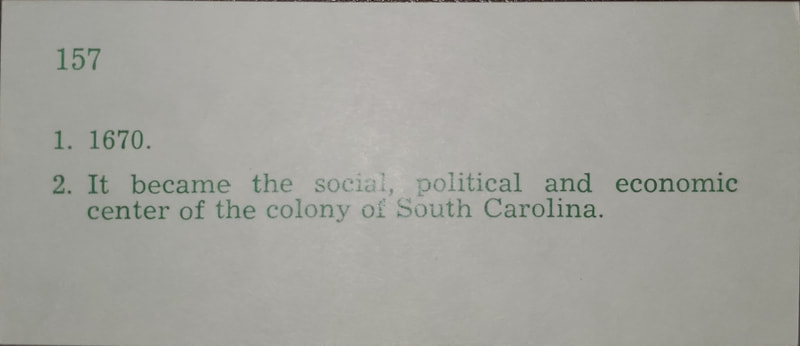
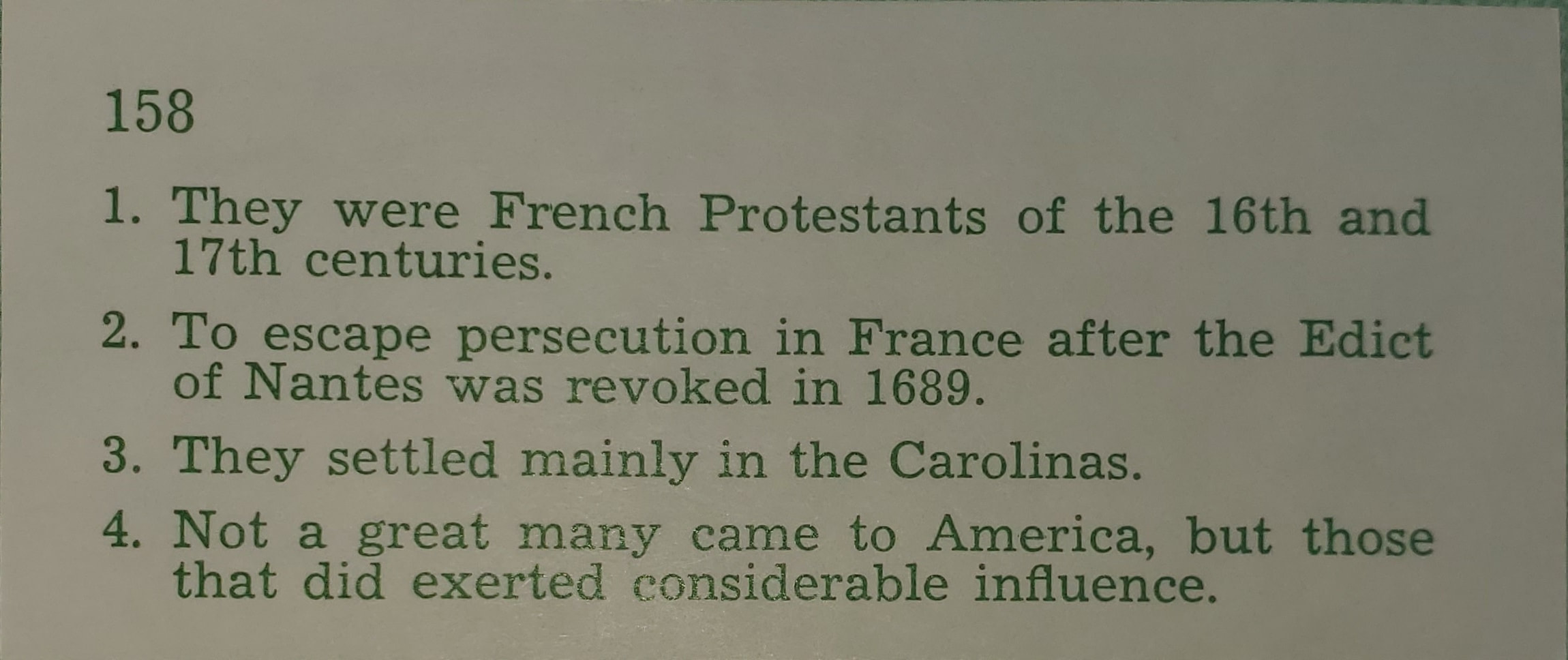
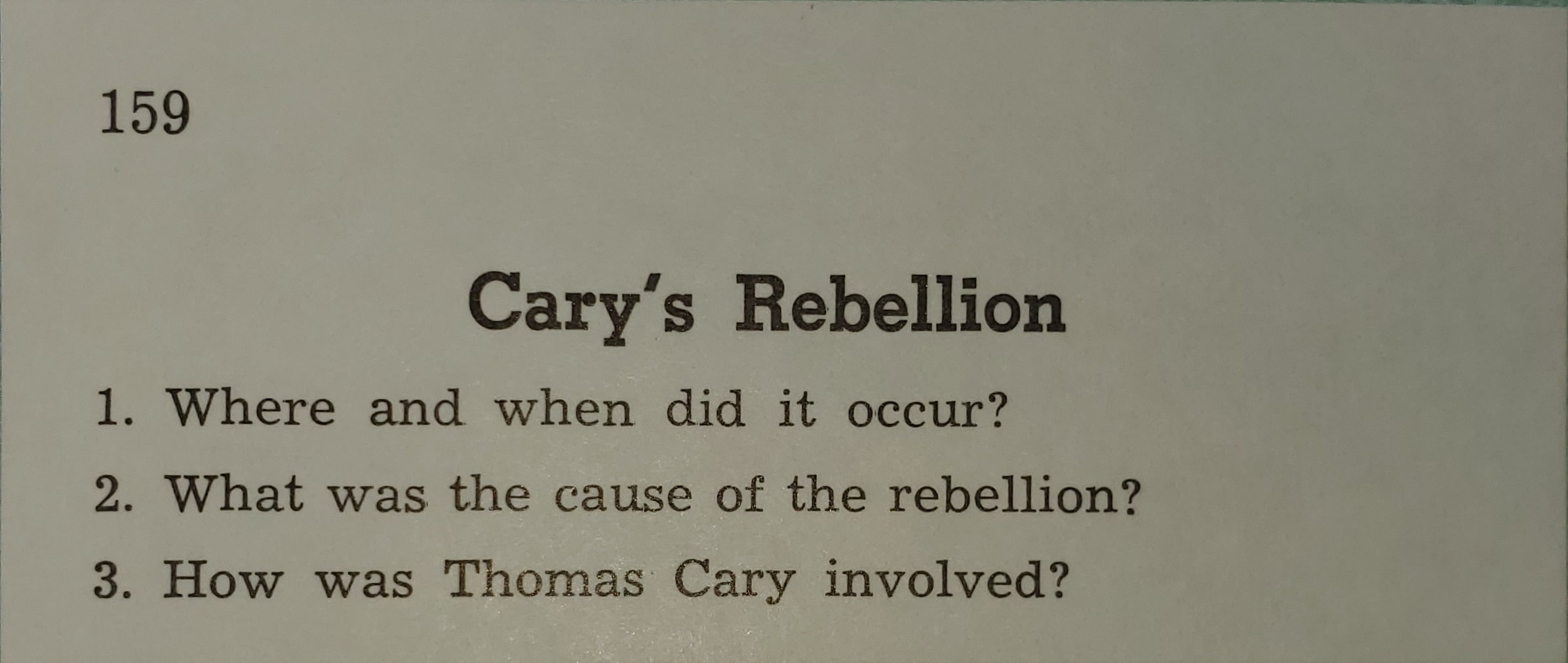
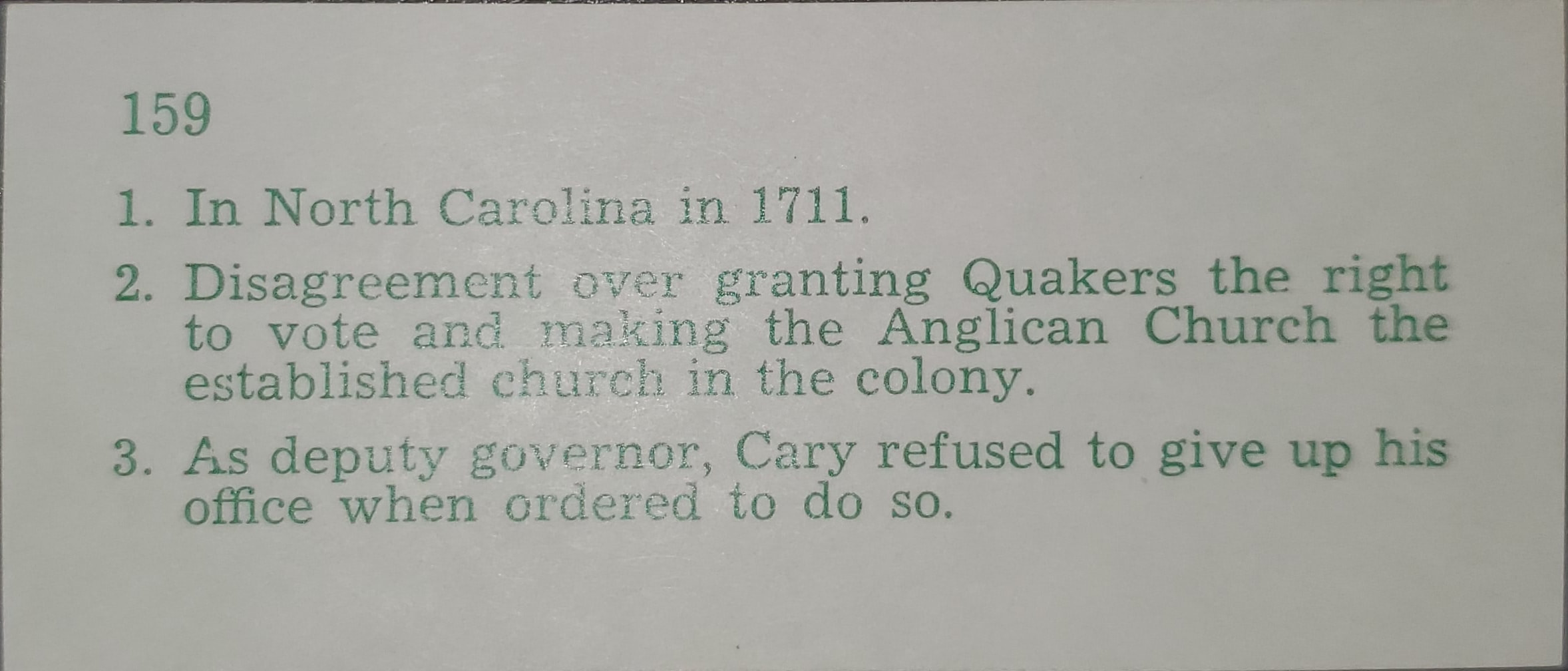
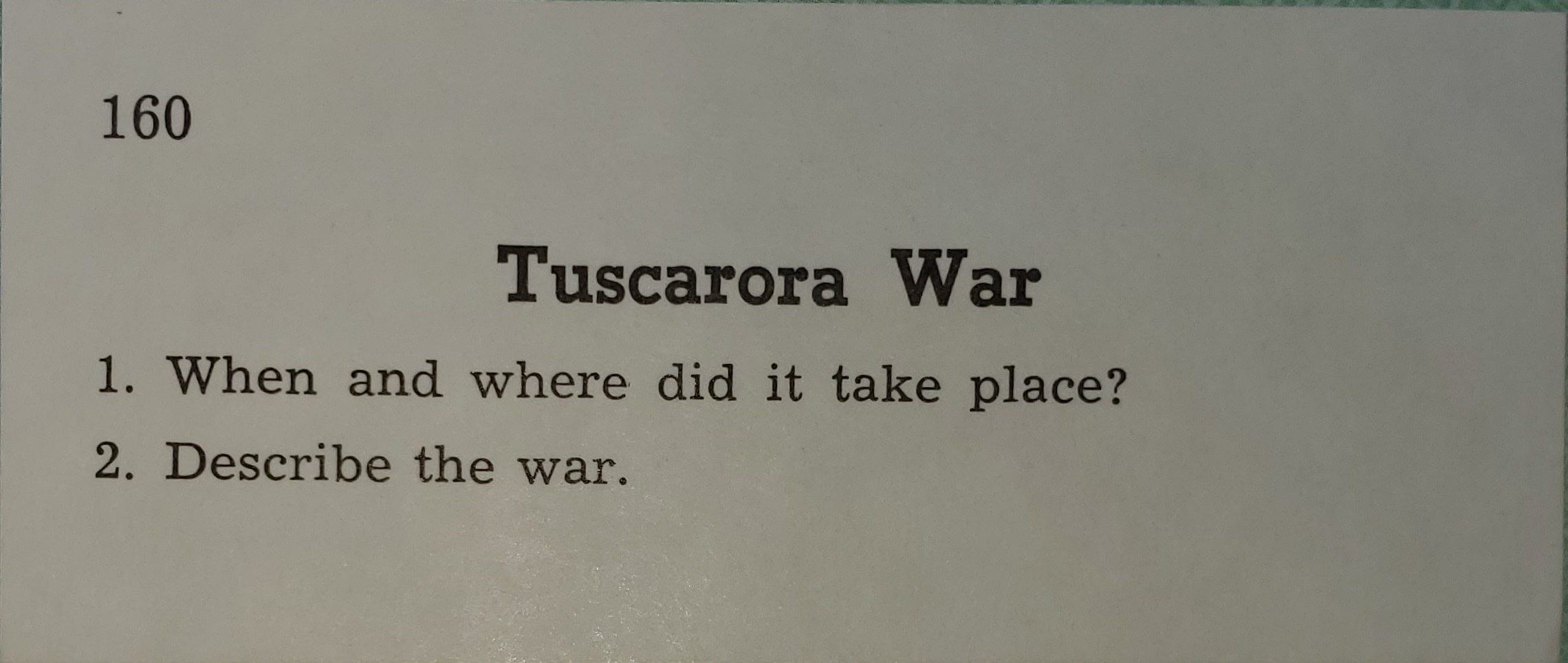
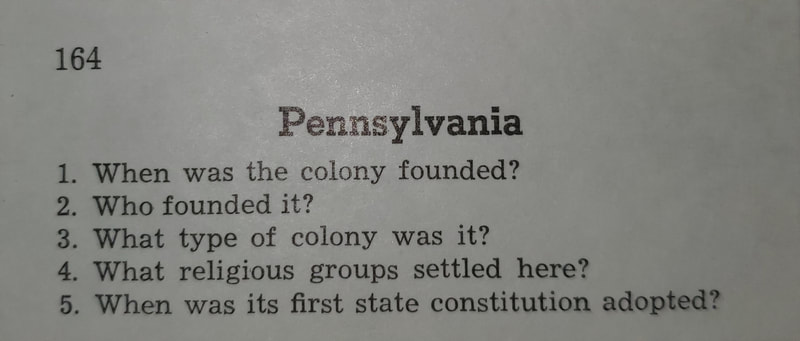
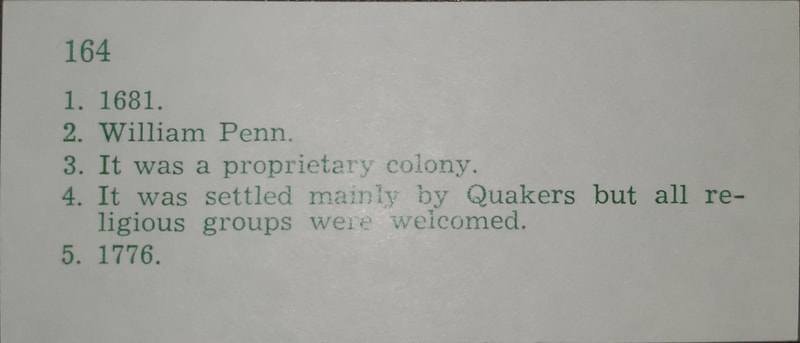
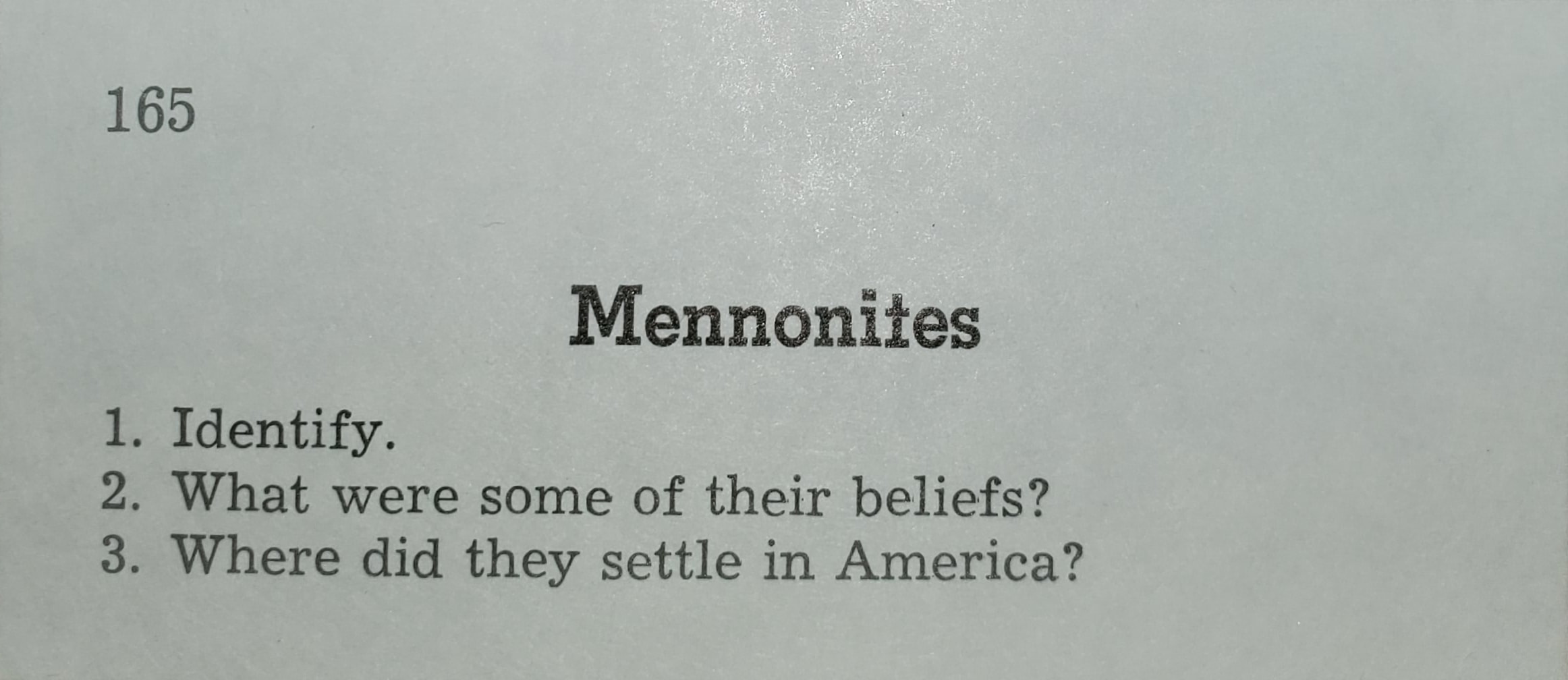
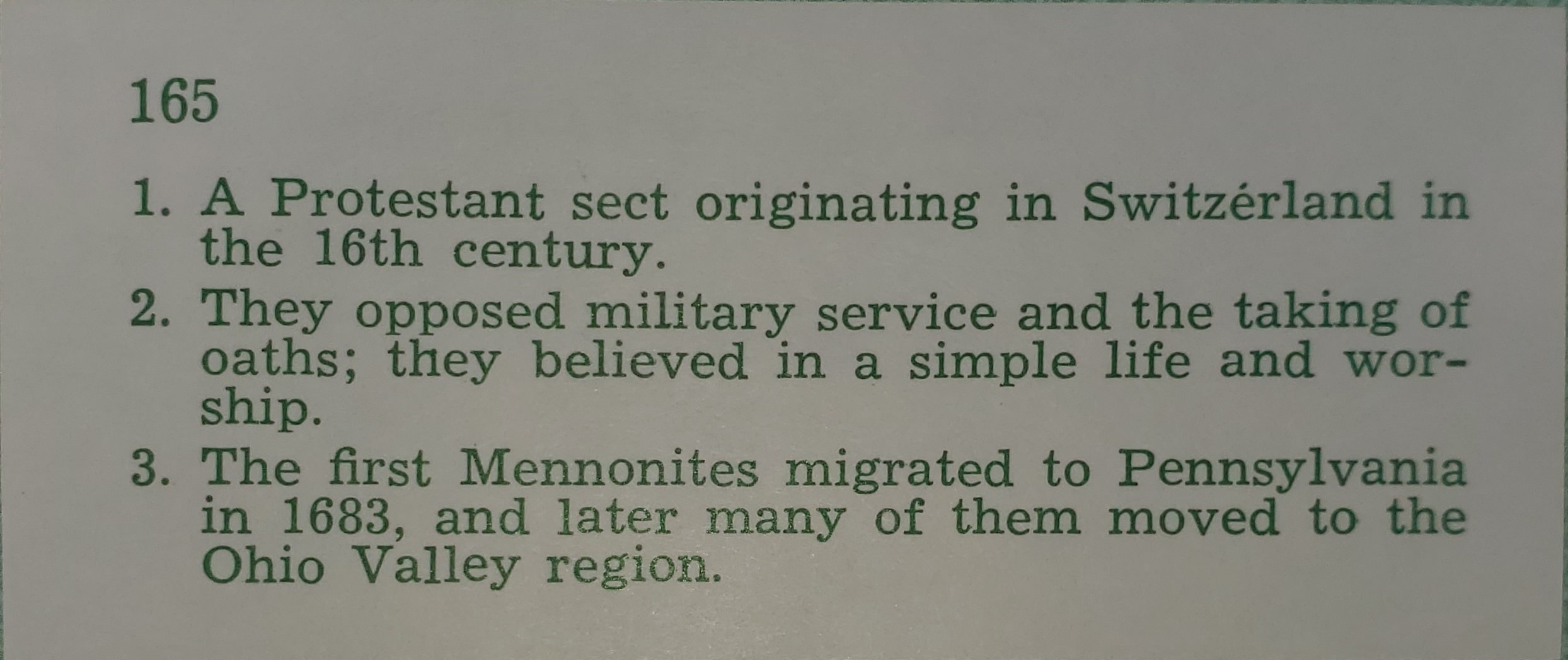
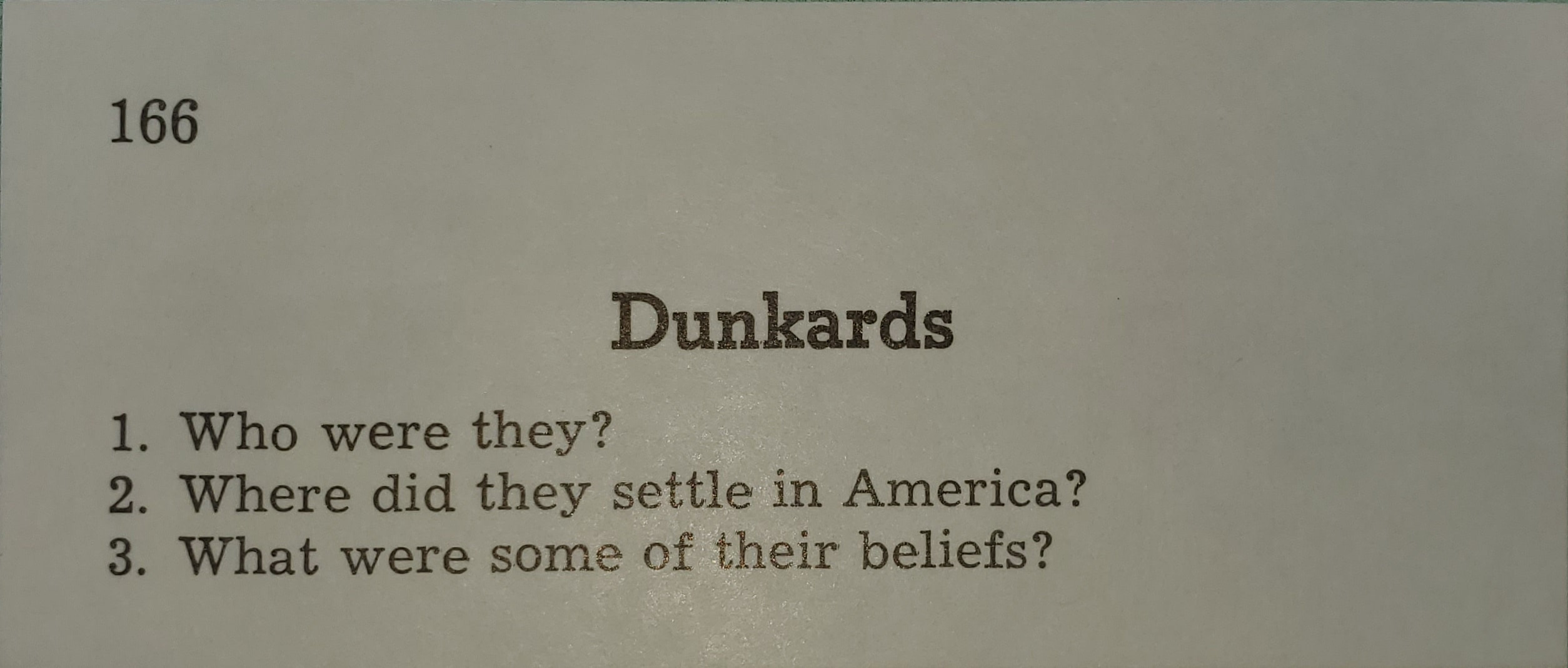
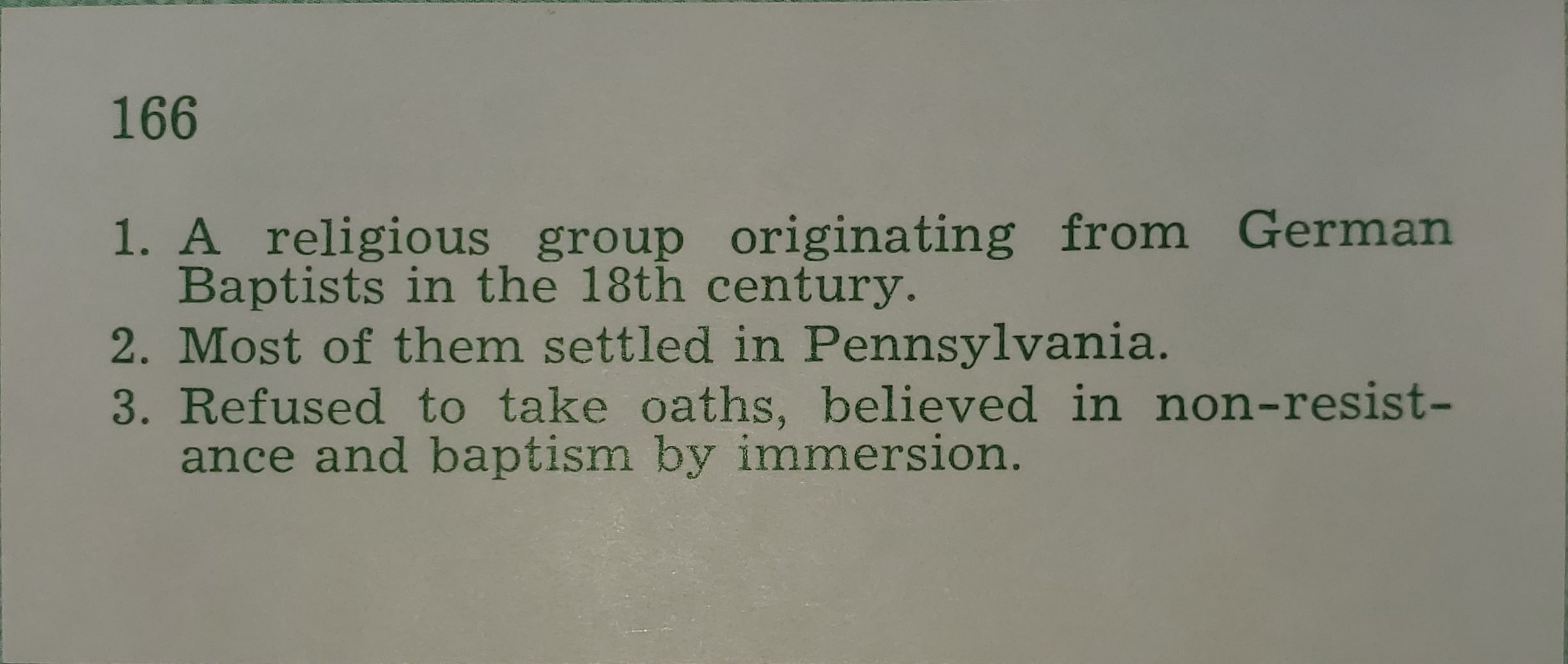
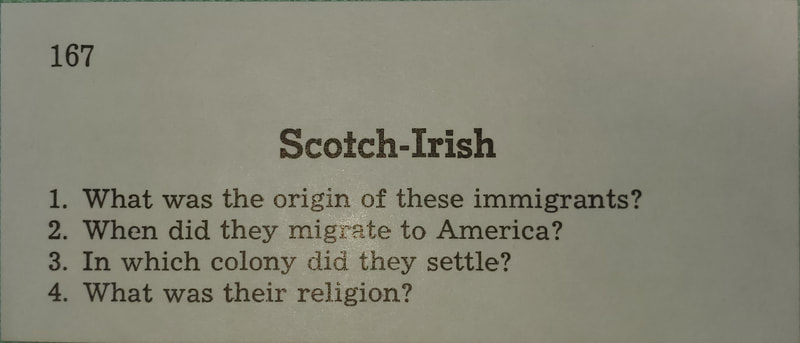
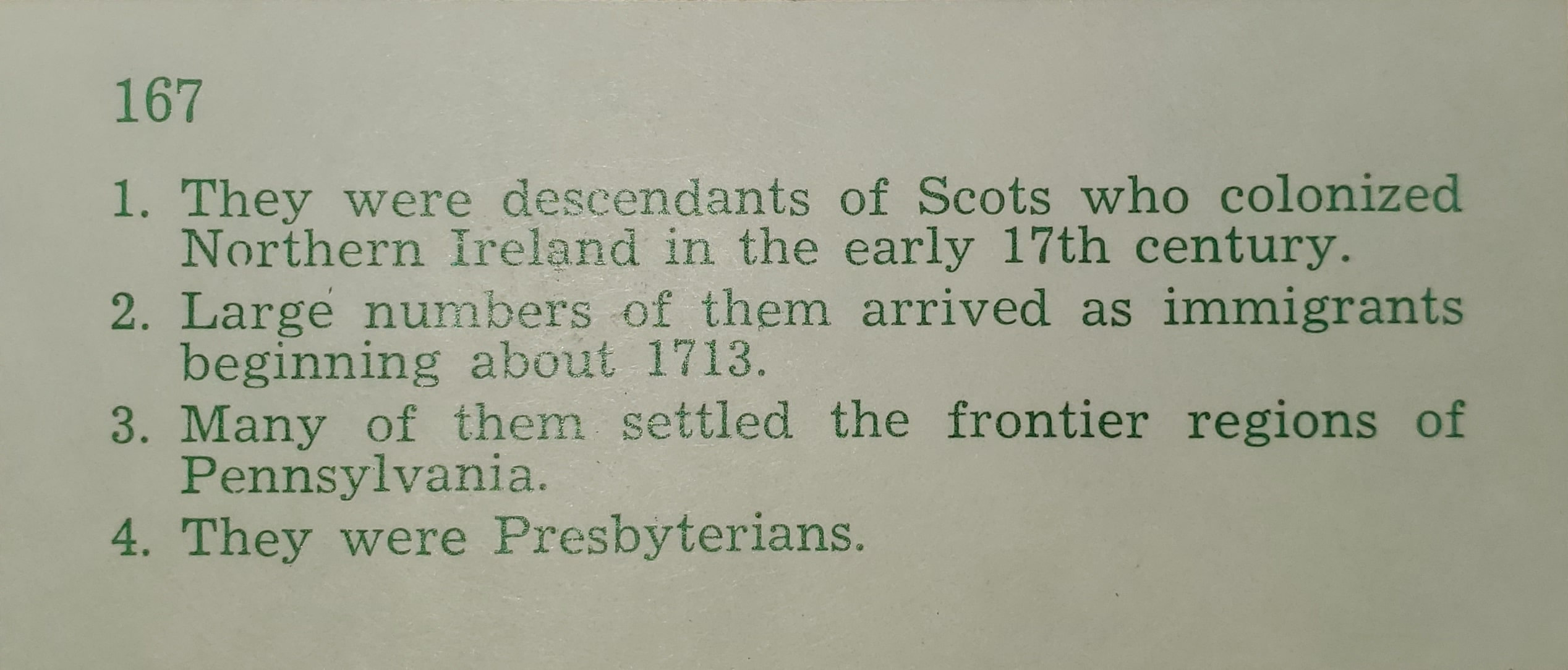
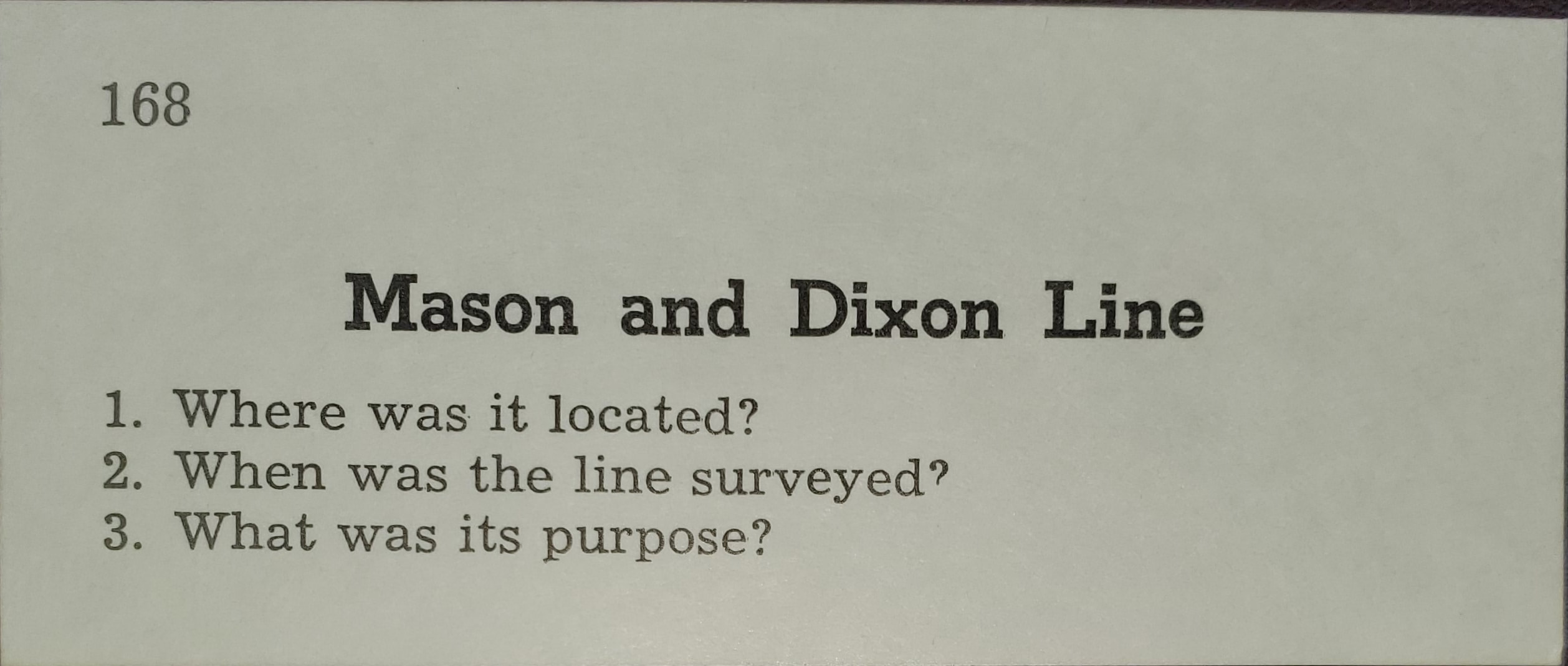
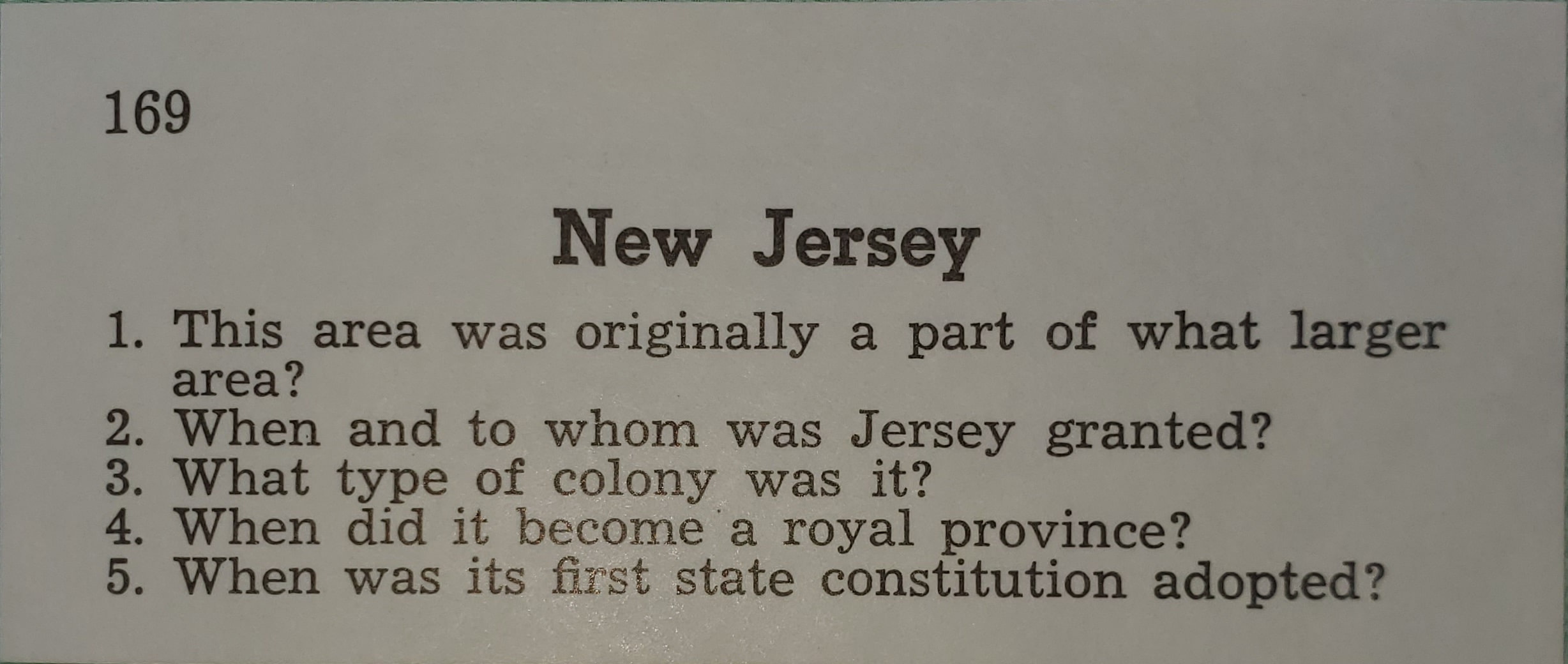
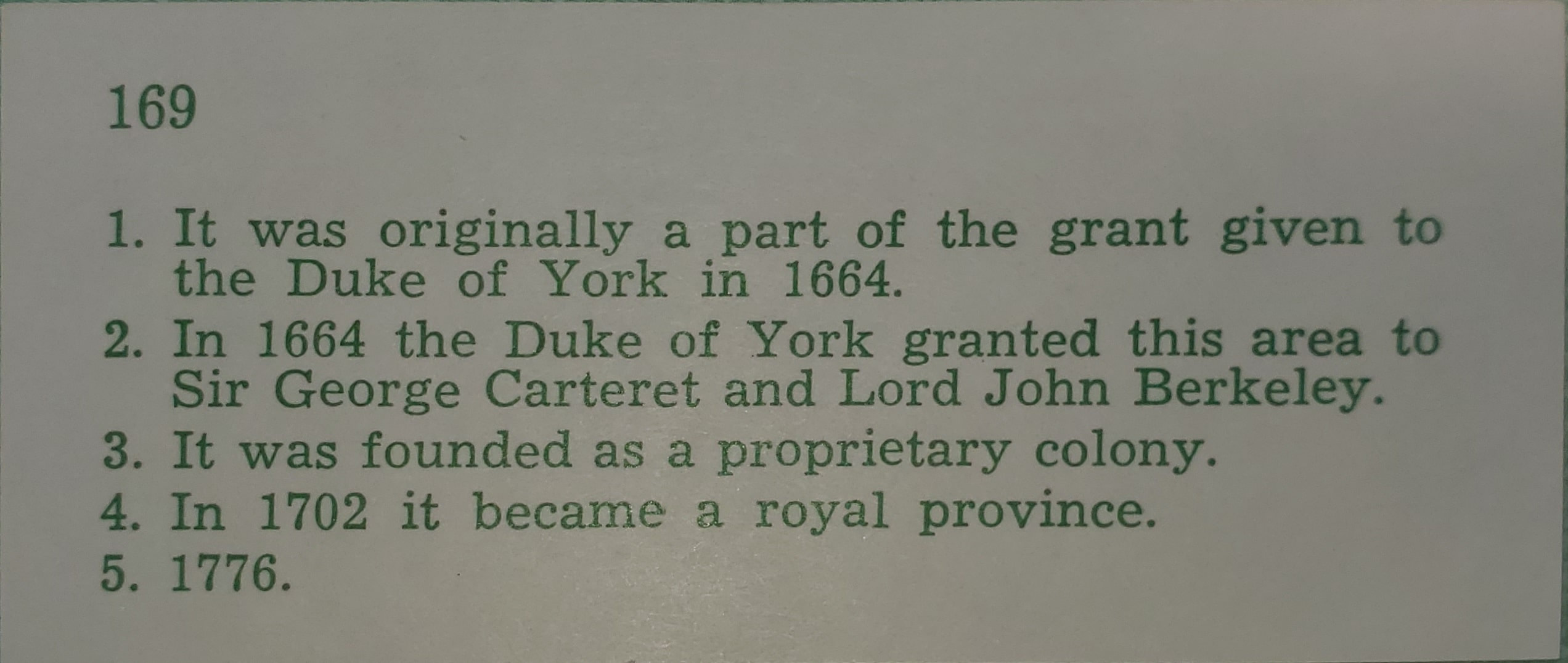
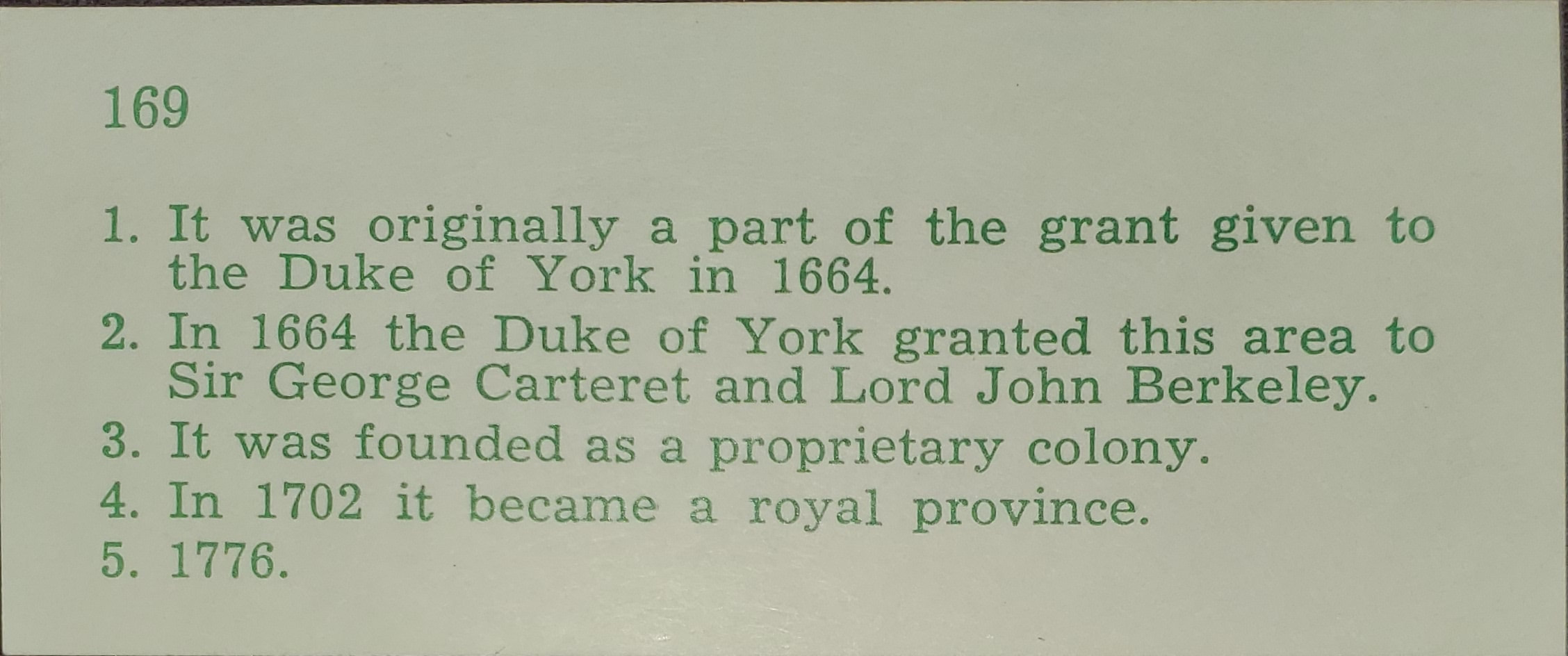
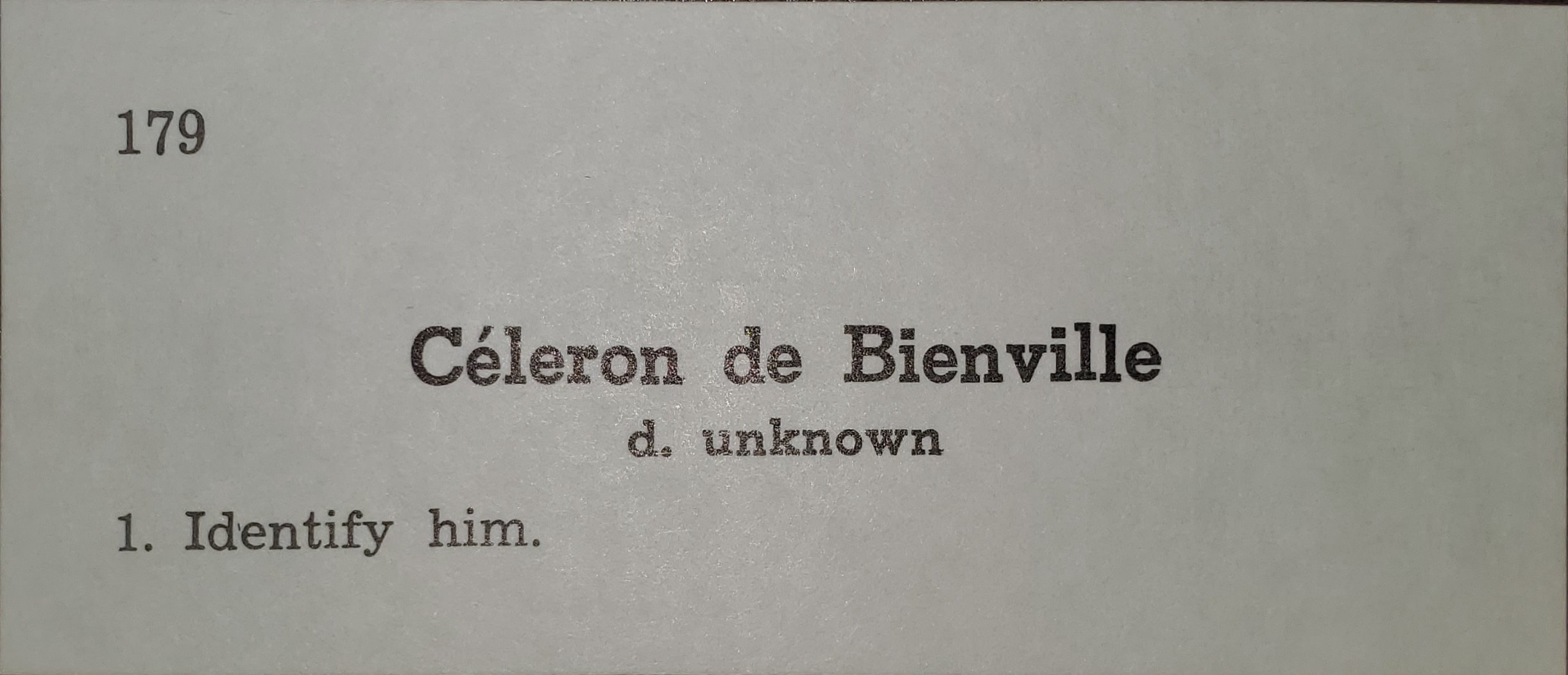
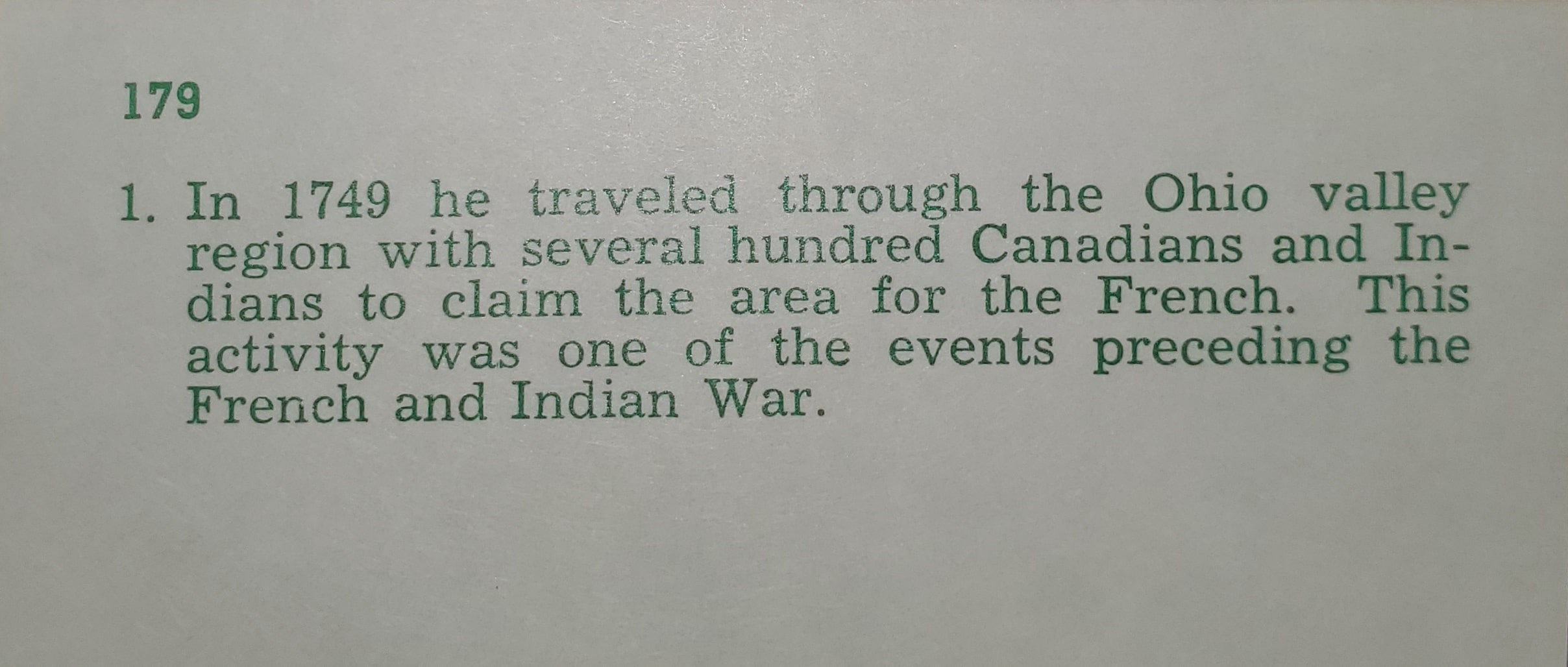
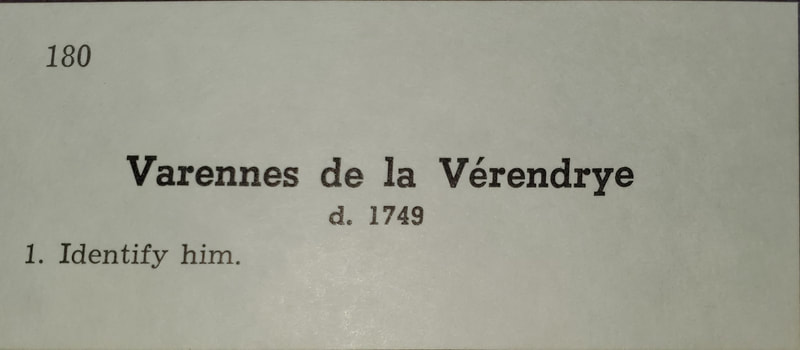
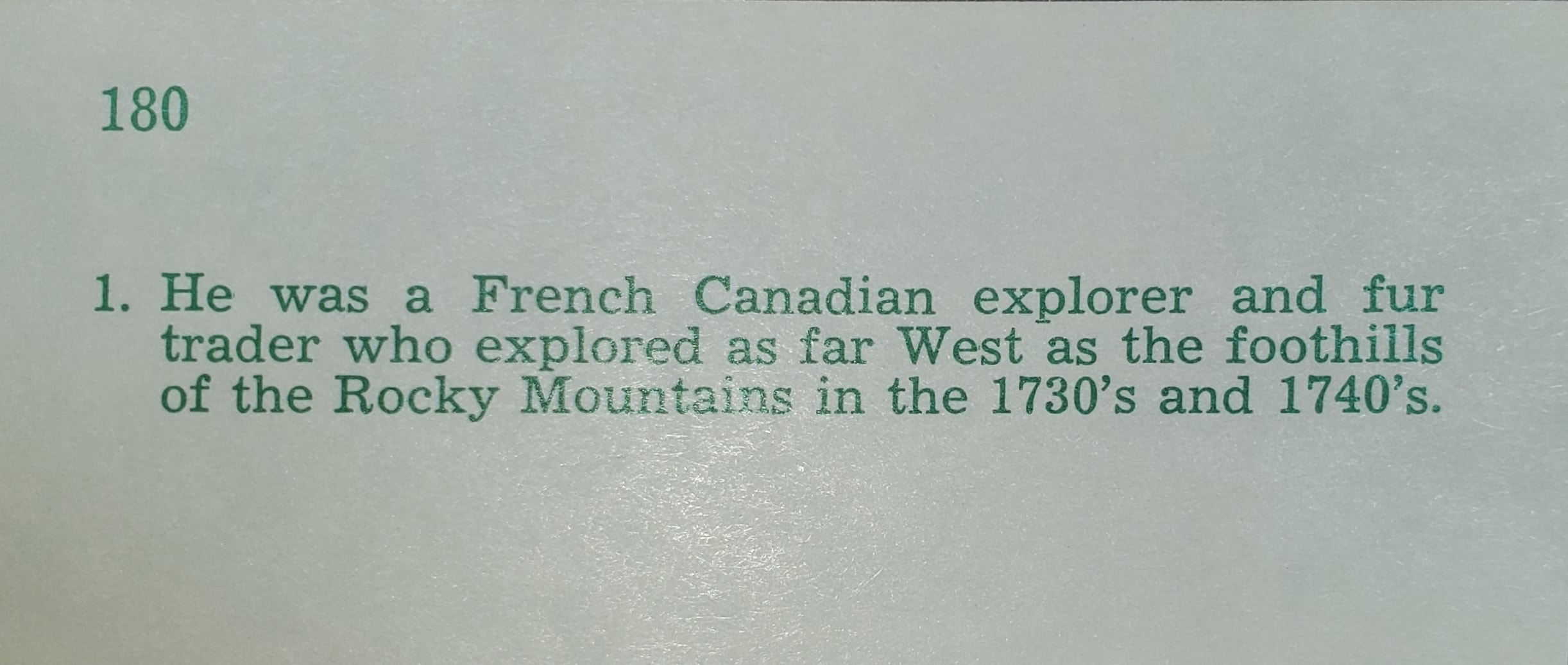
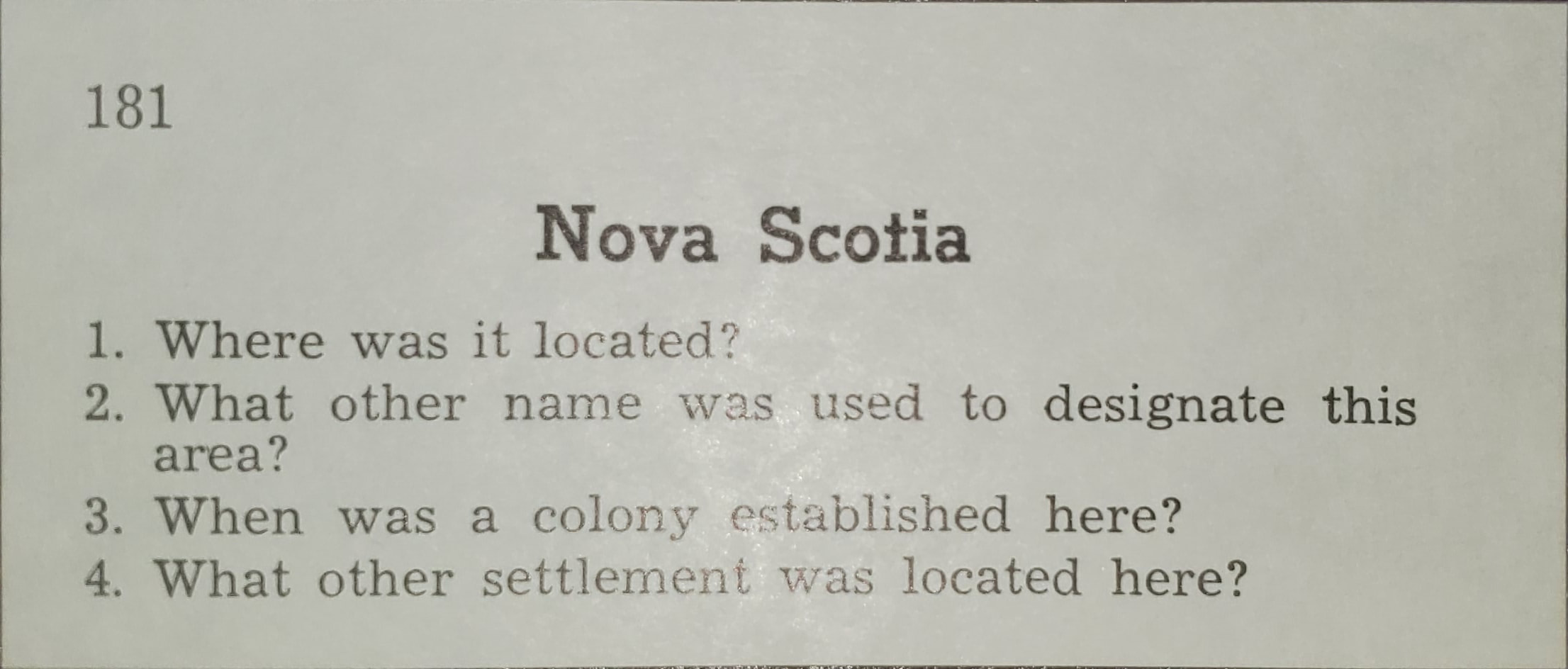
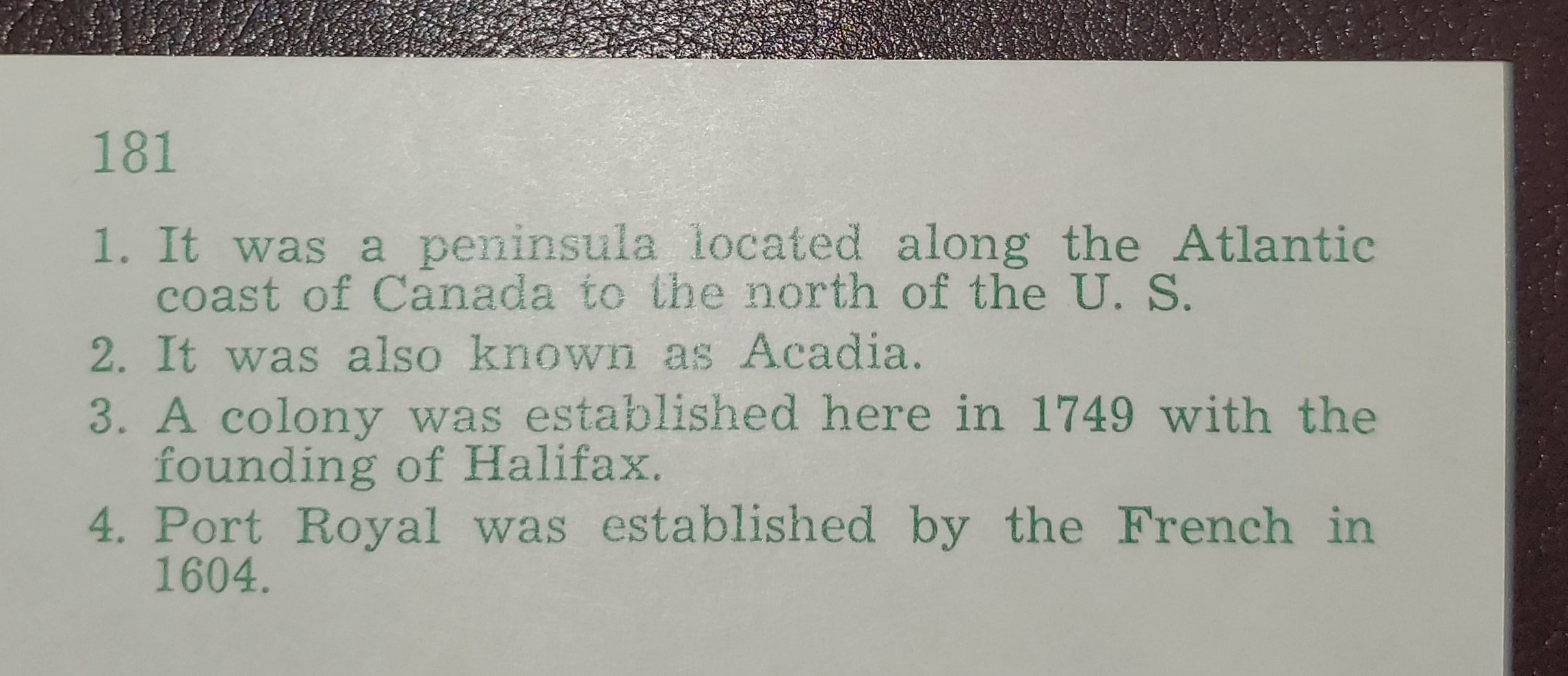
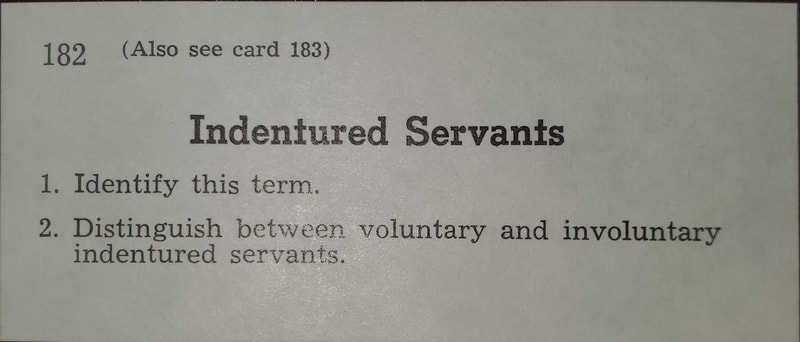
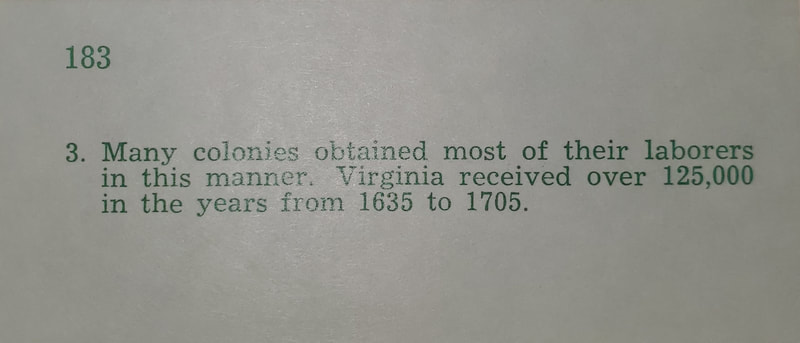
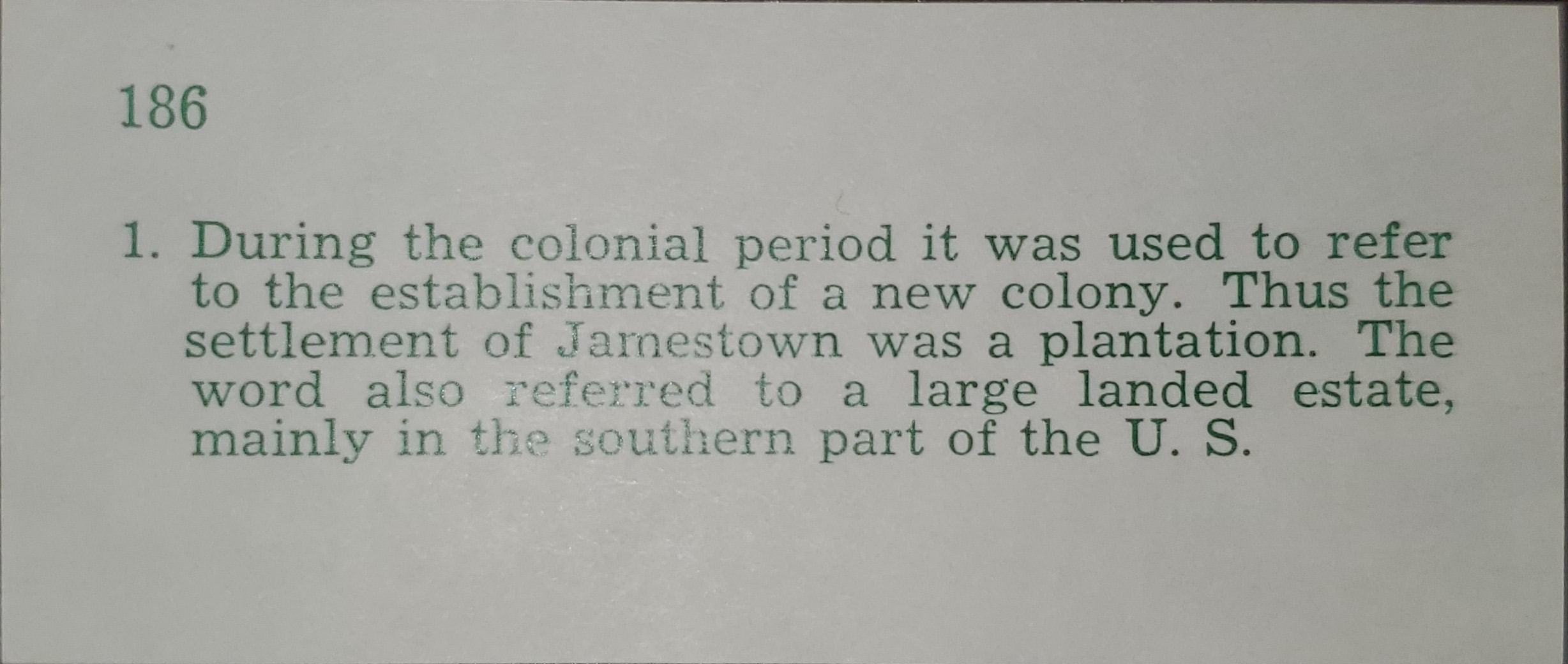
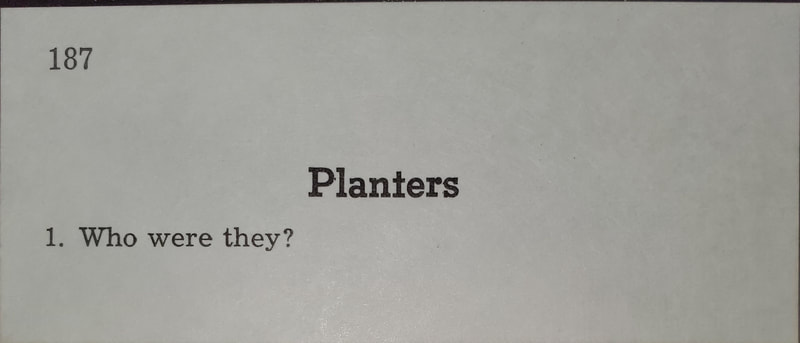
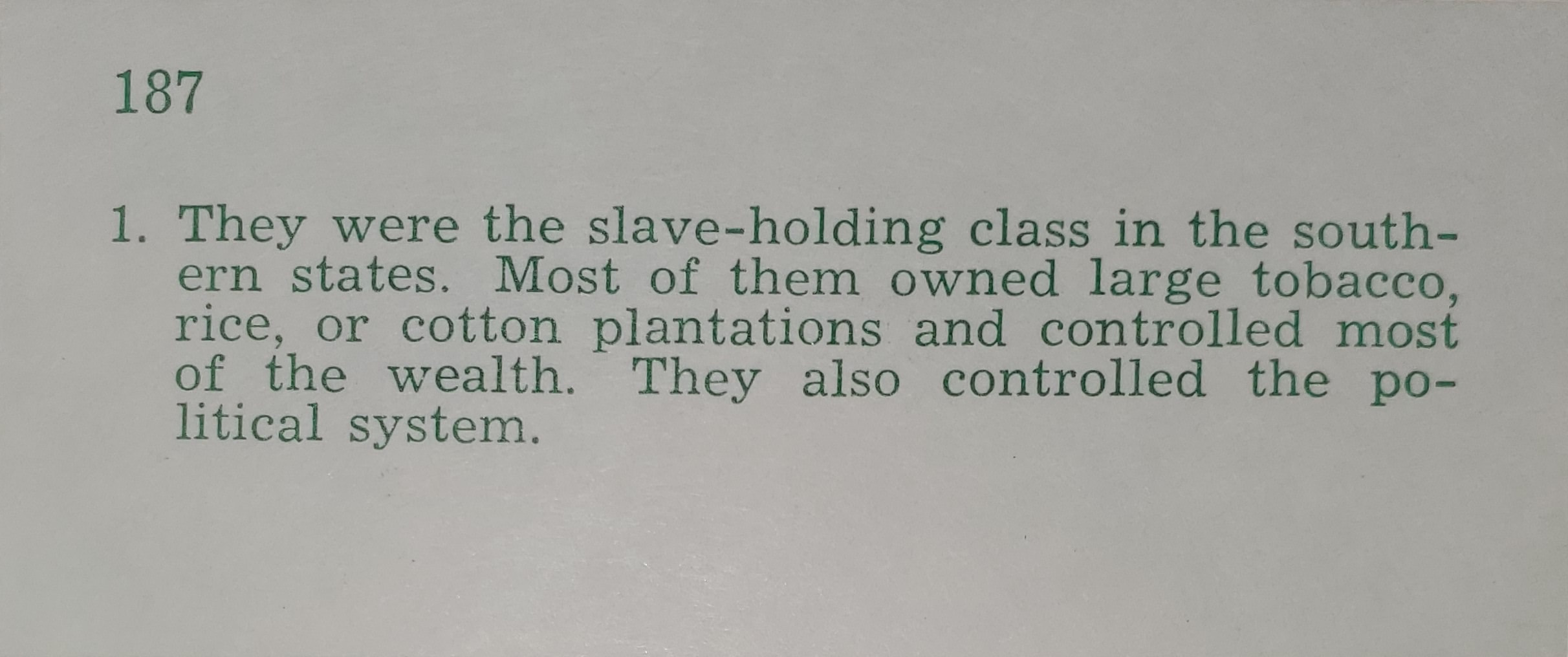
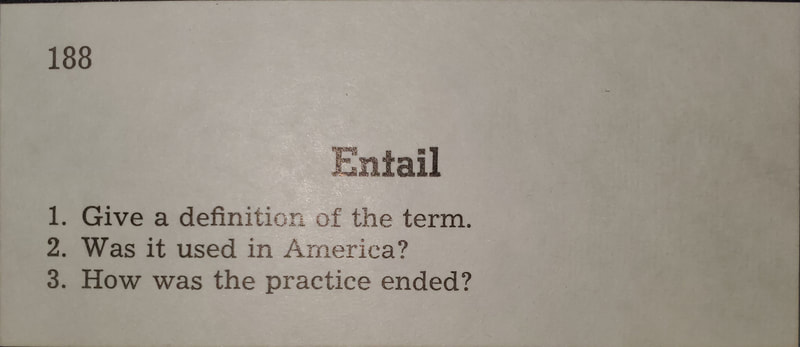
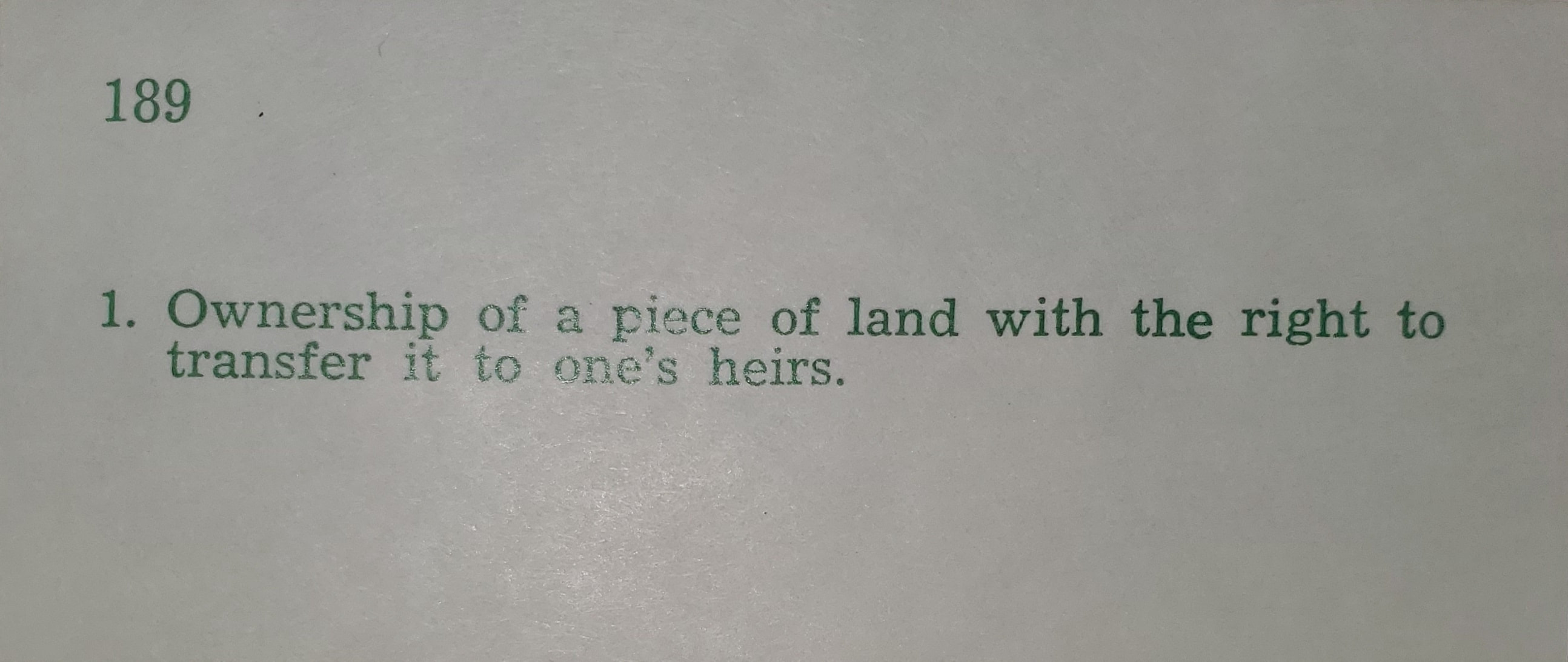
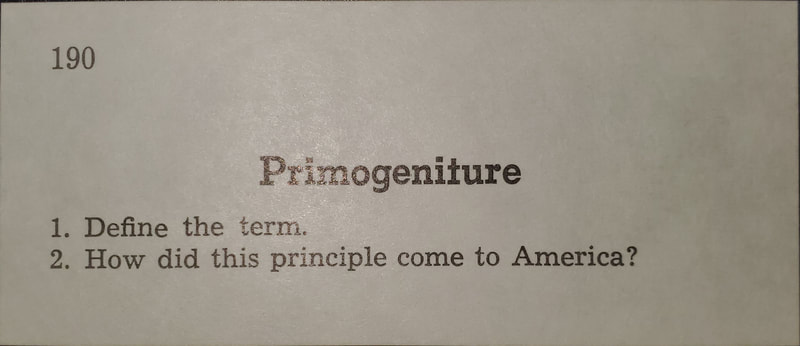
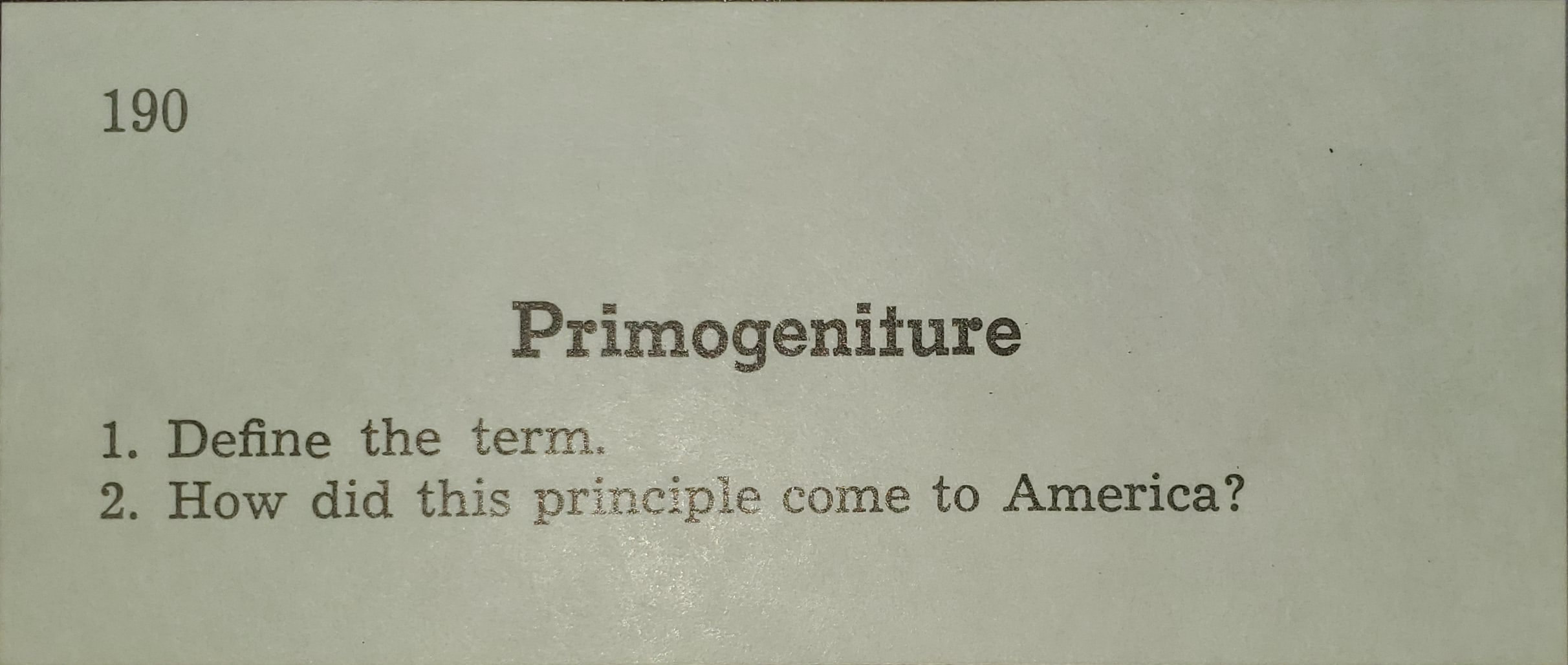
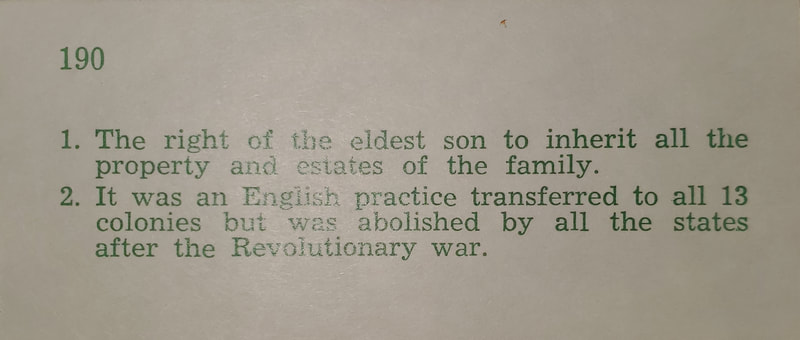
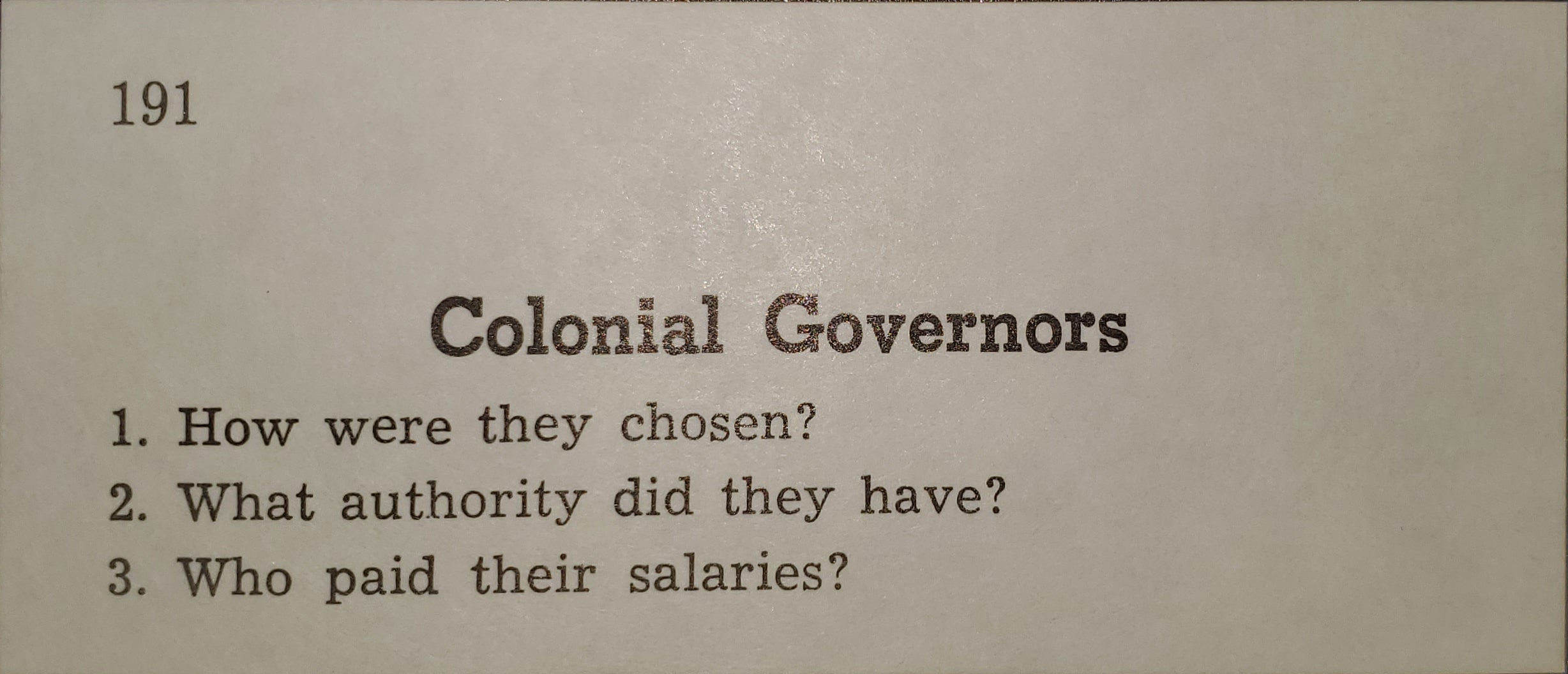
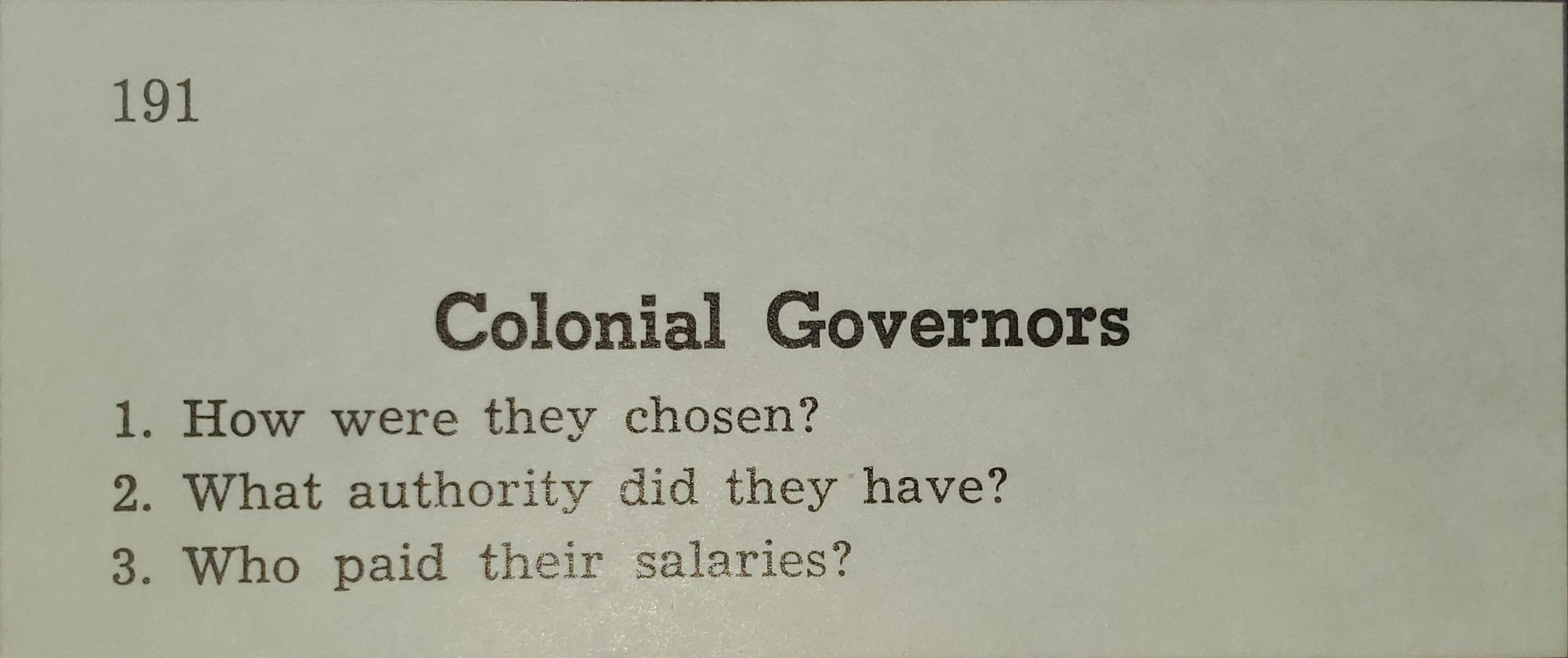
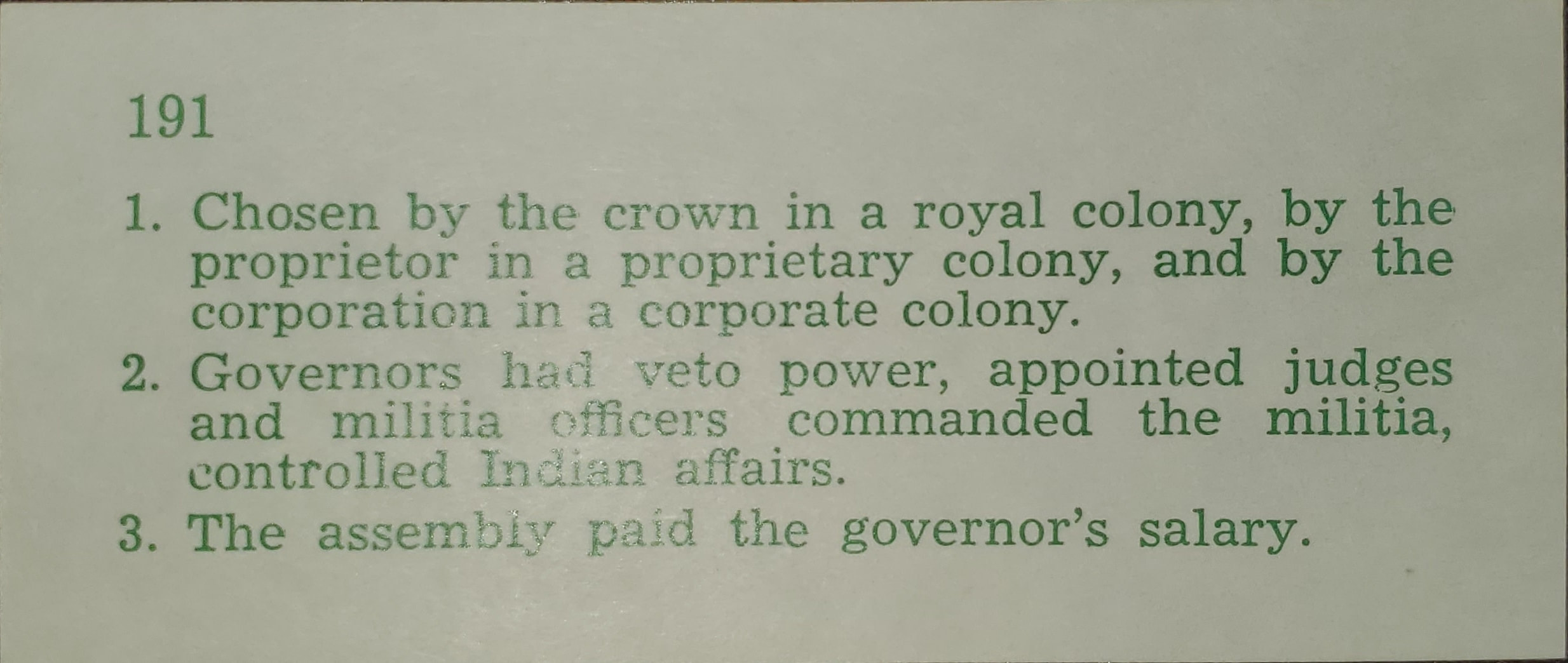
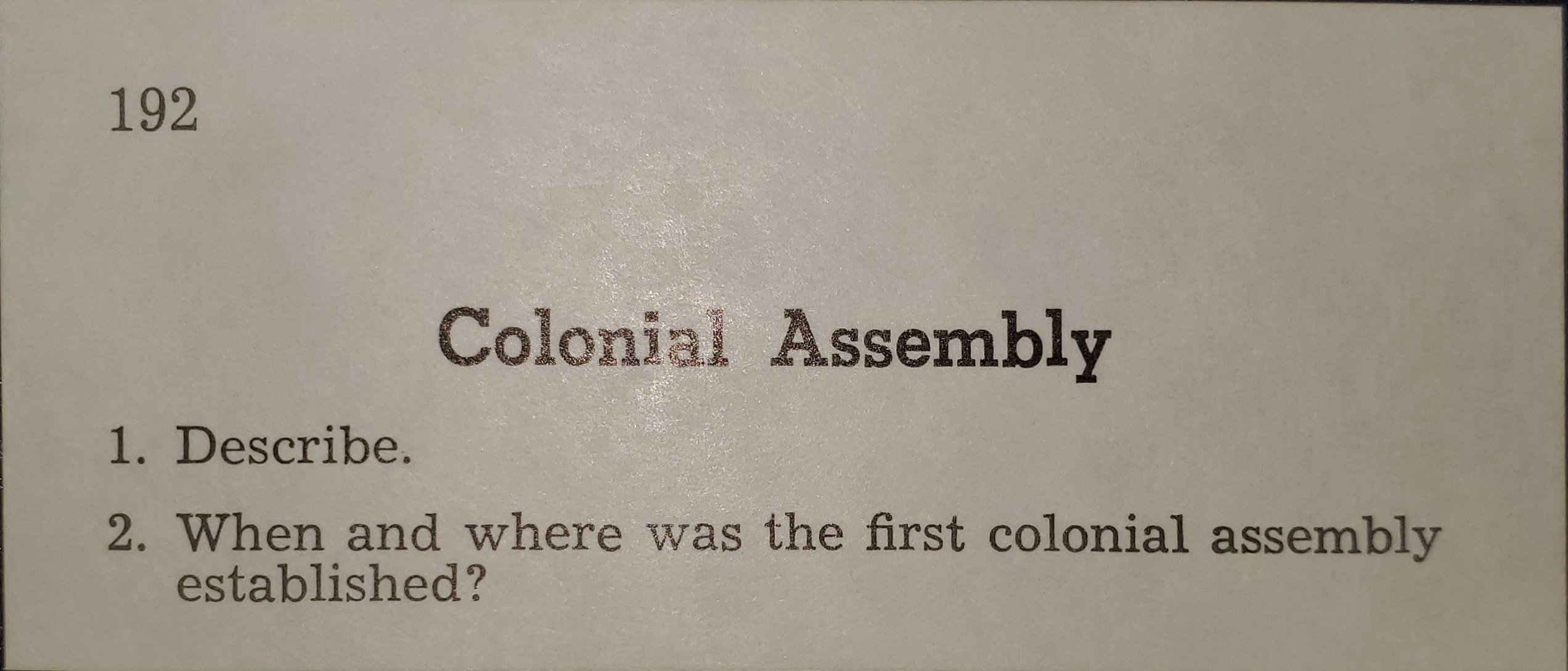
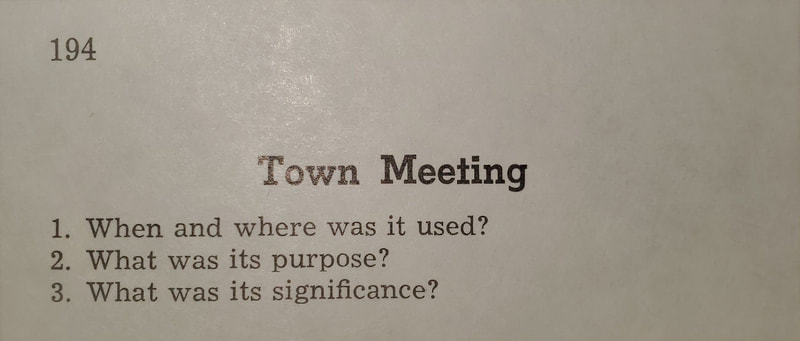
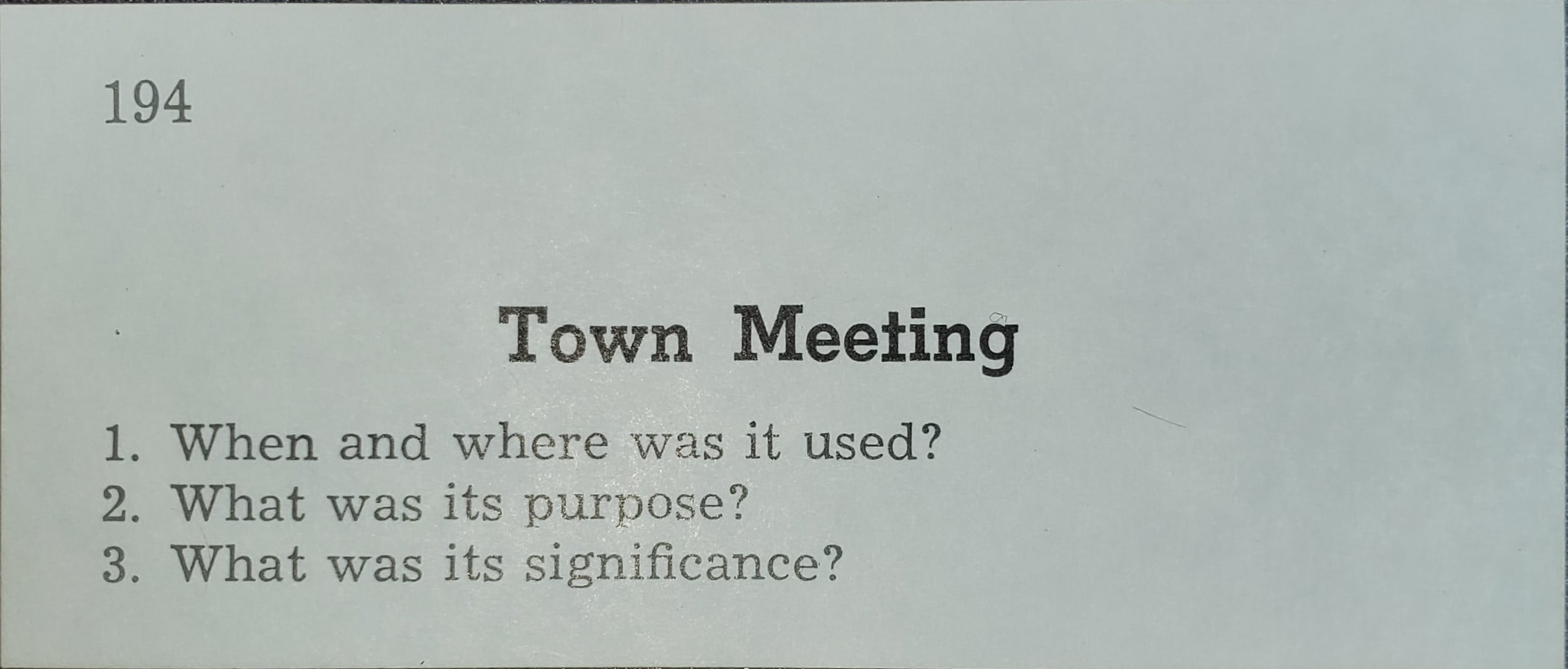
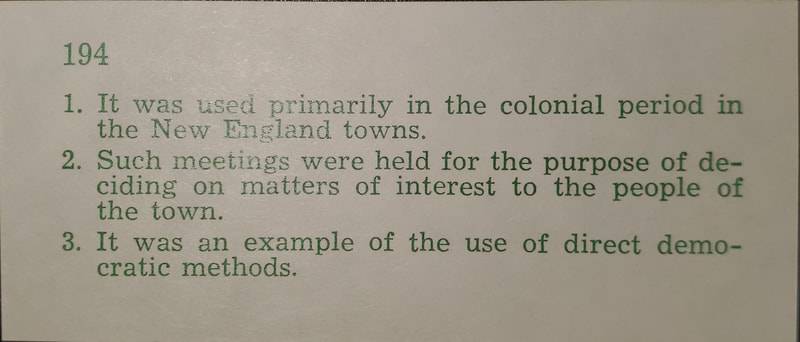
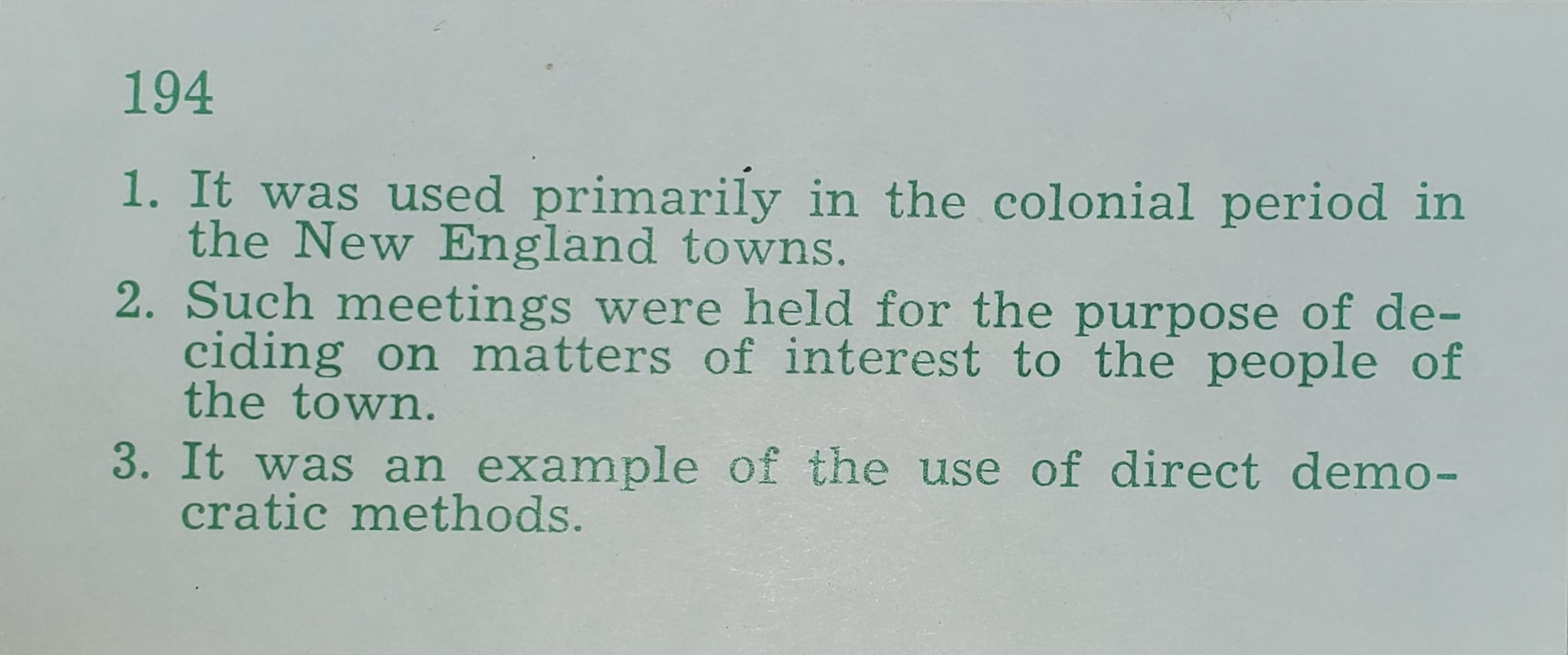
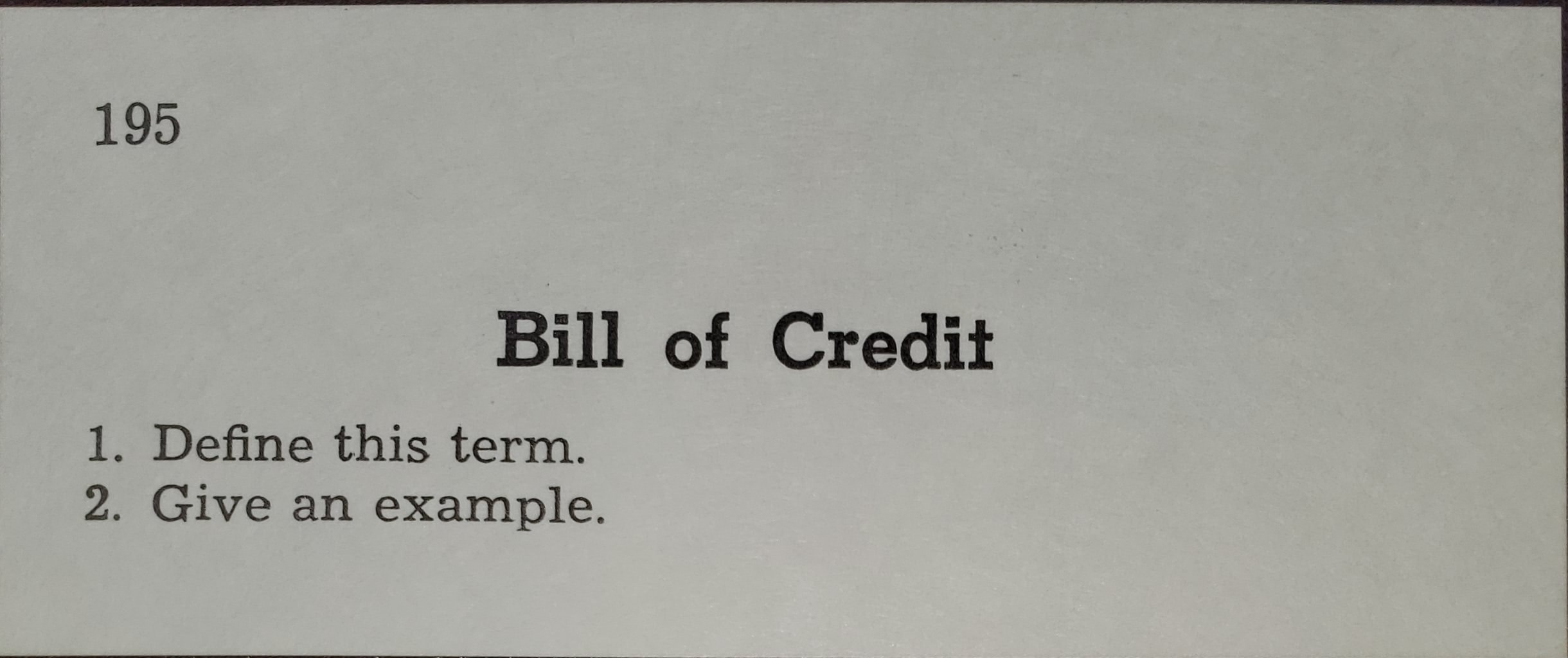
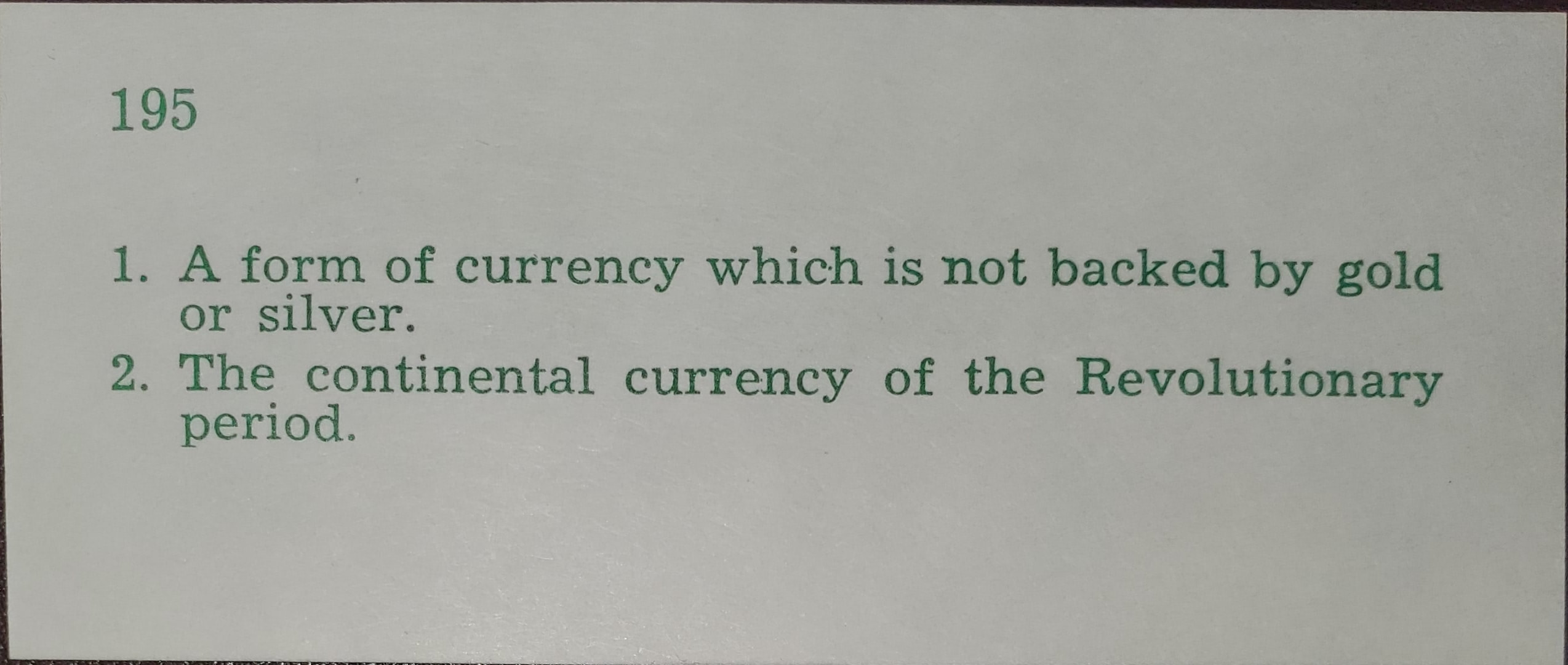
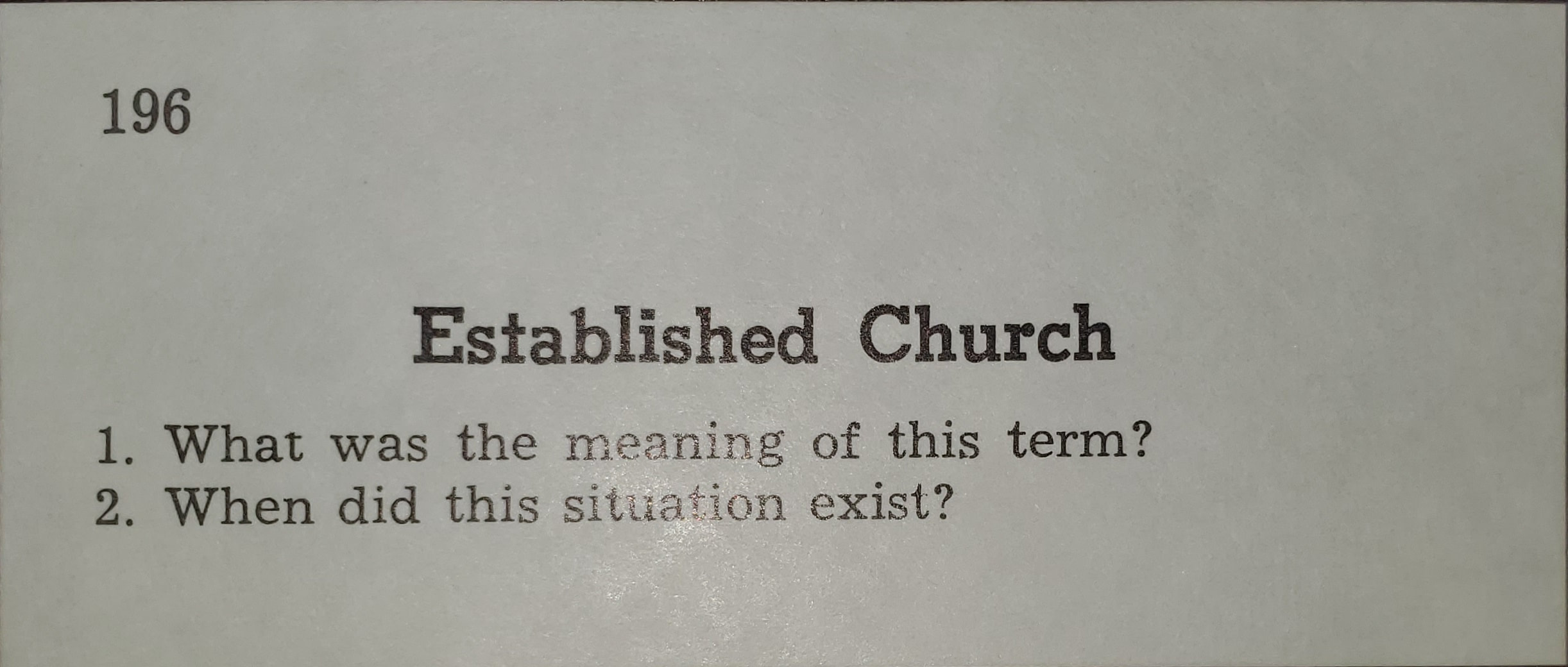
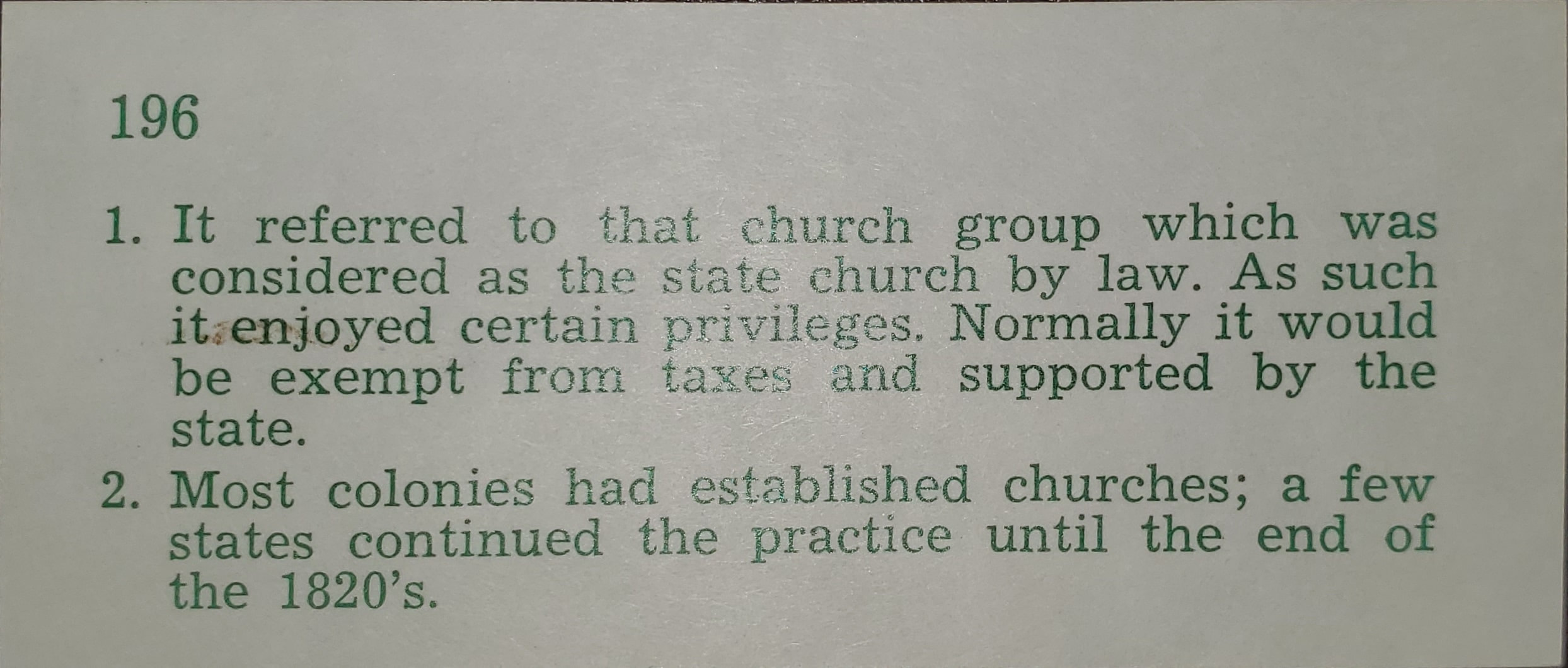
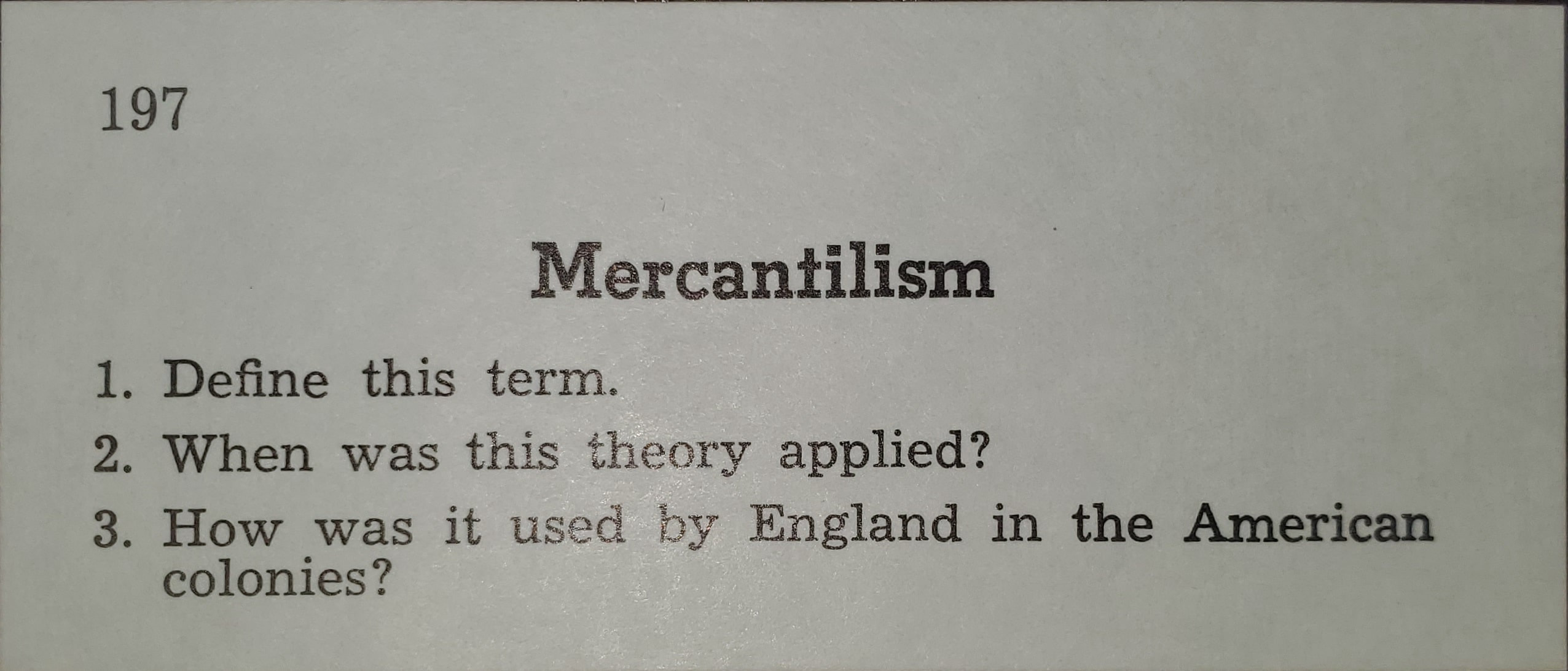
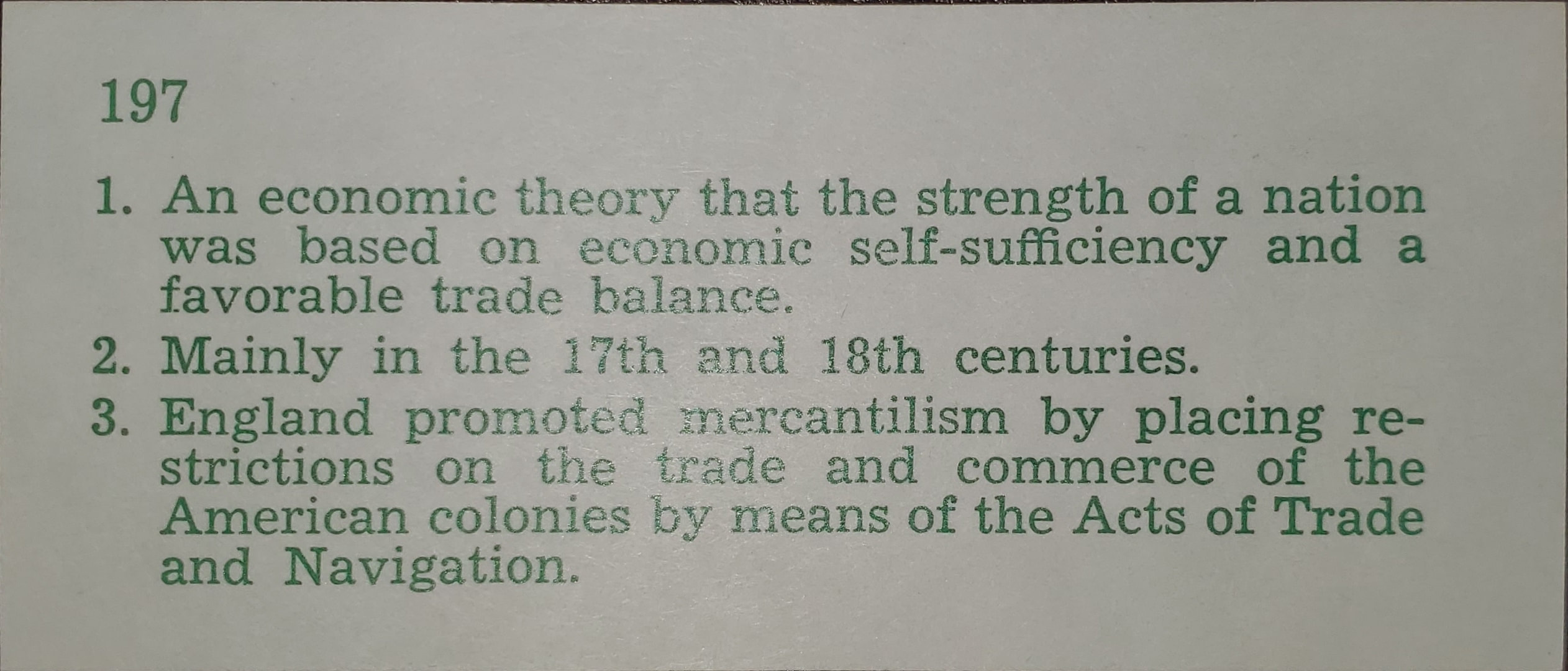
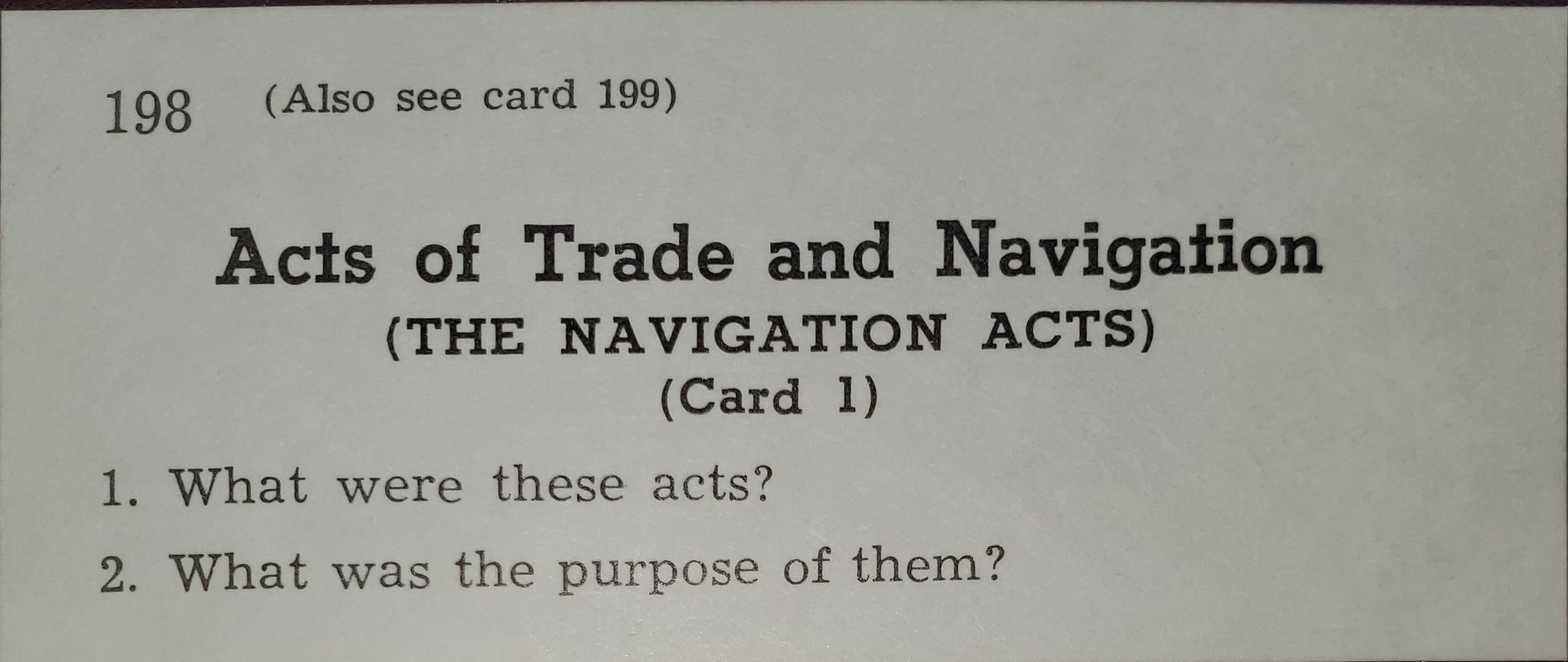
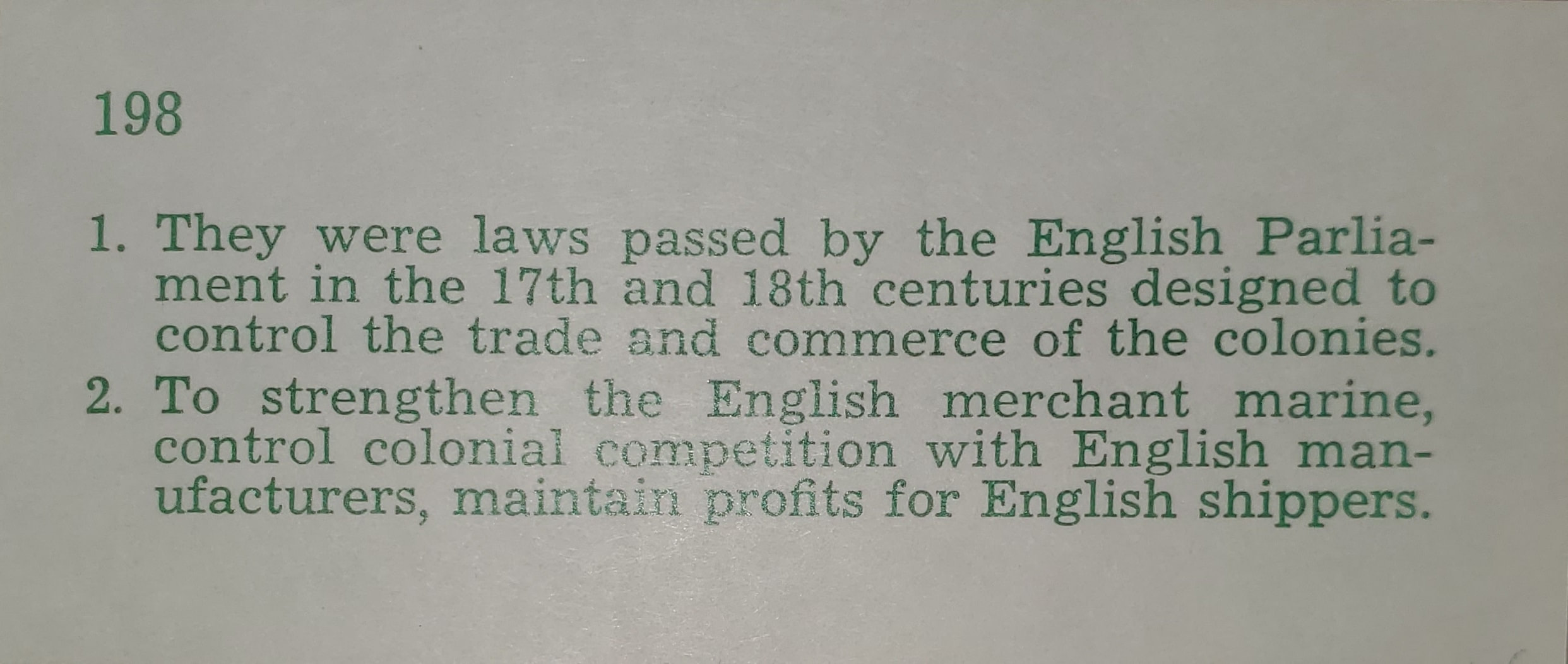
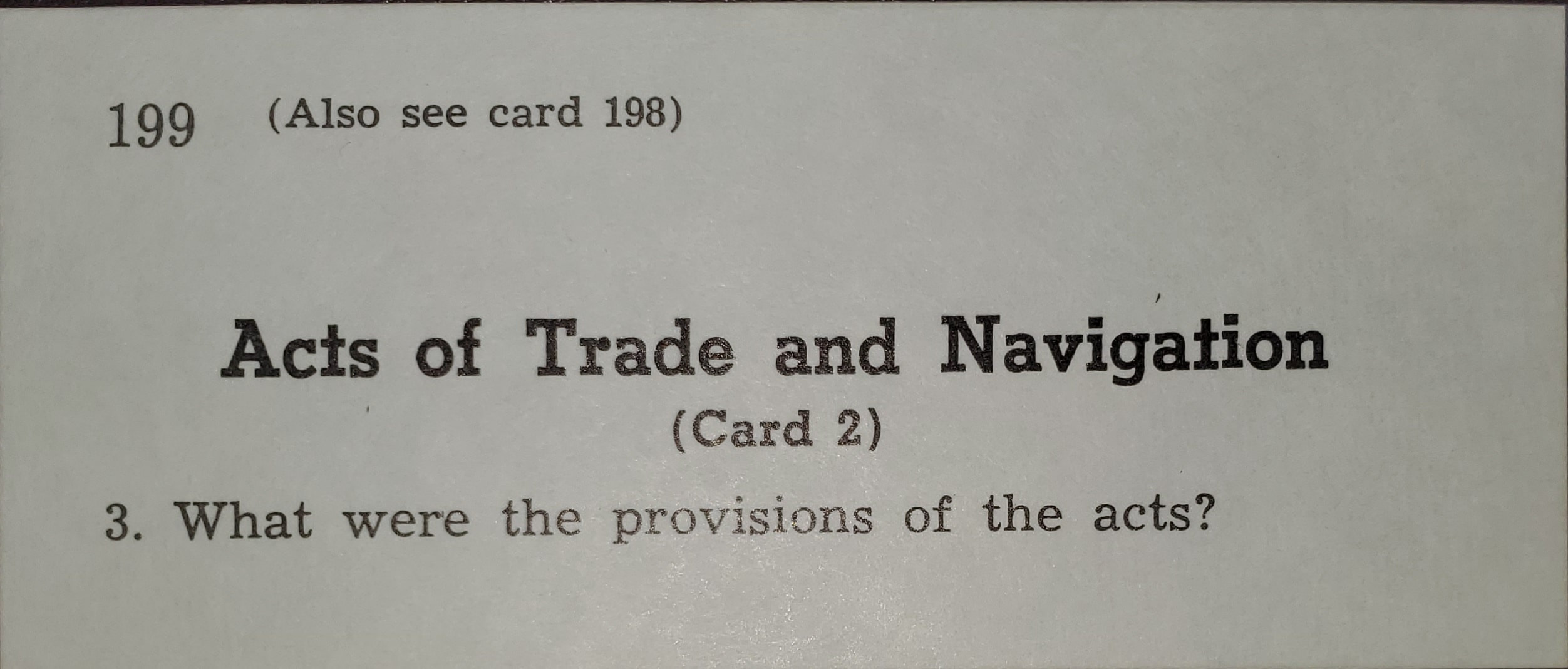
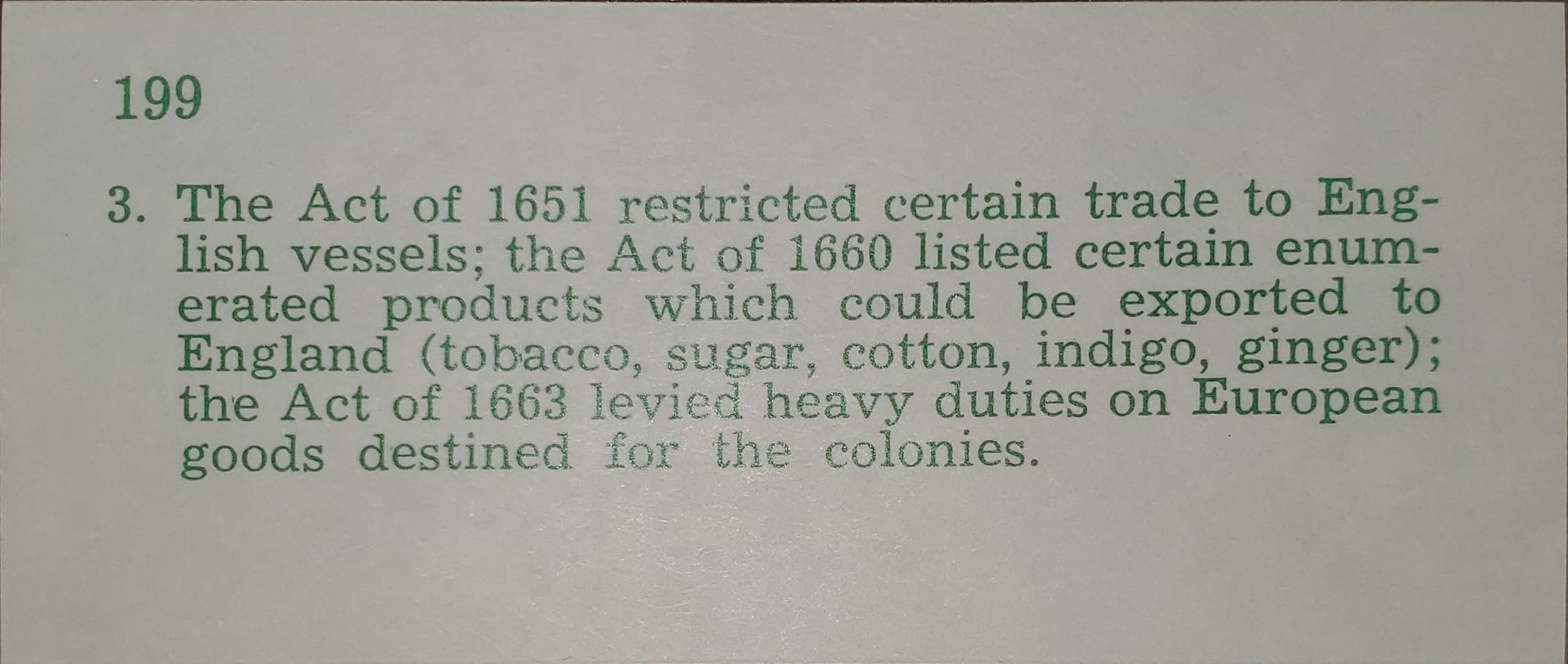
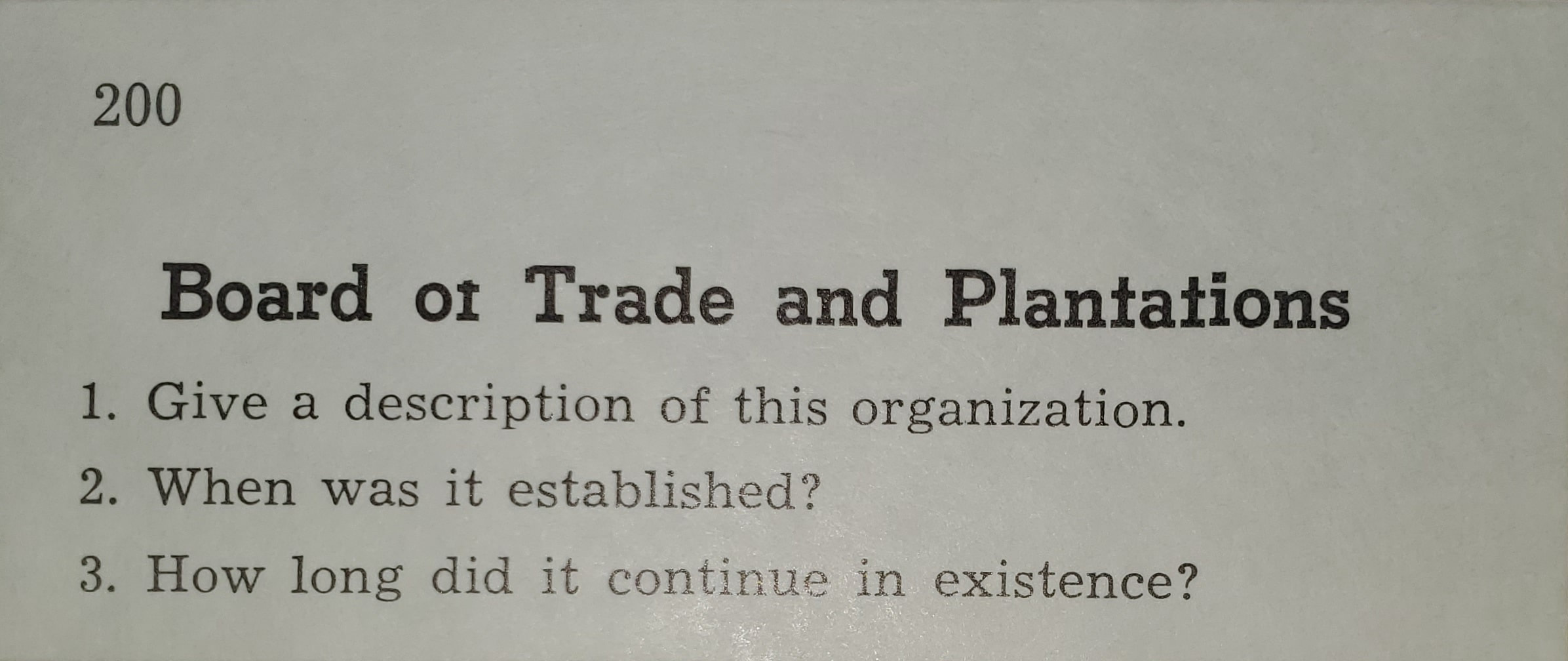
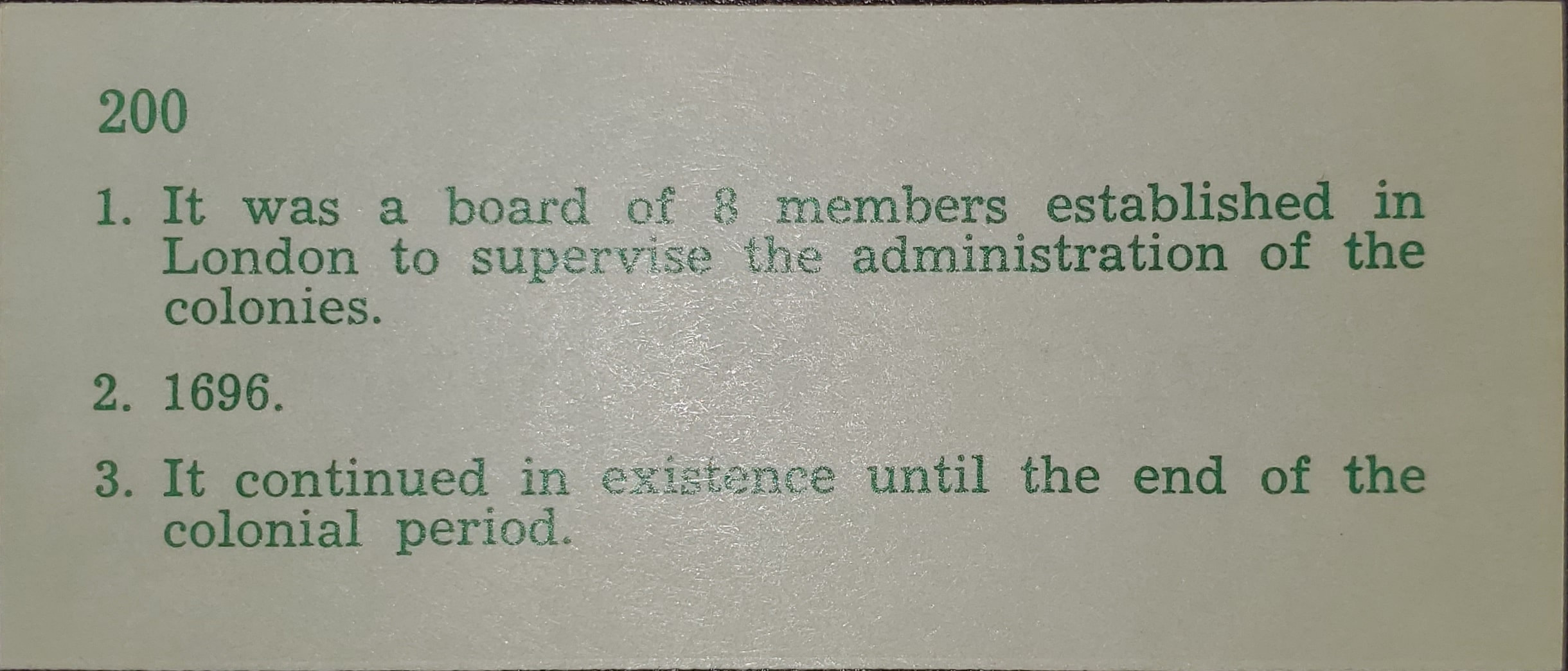
Here, we use repetition to build up our mental US History muscle, providing the strength of knowledge to lift our arguments to new levels of mastery.
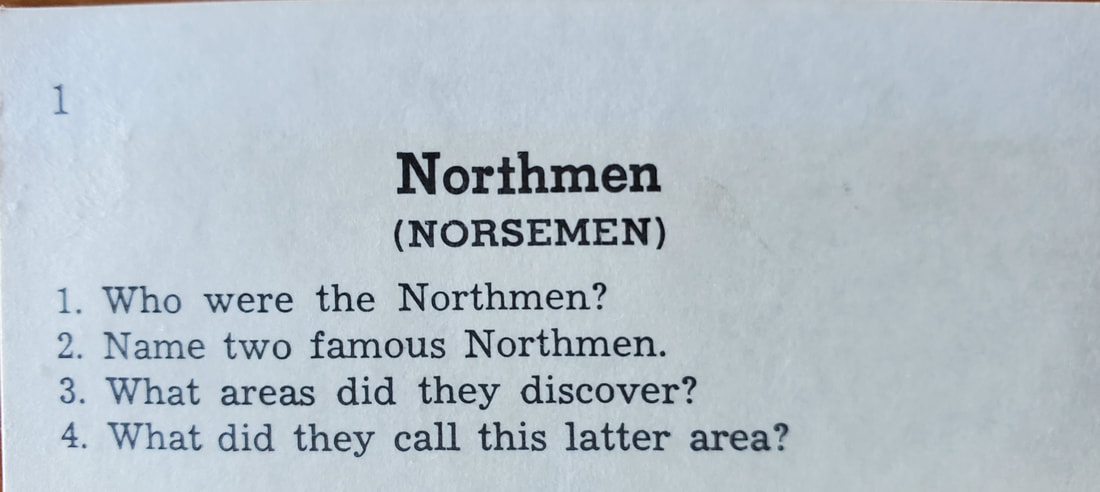
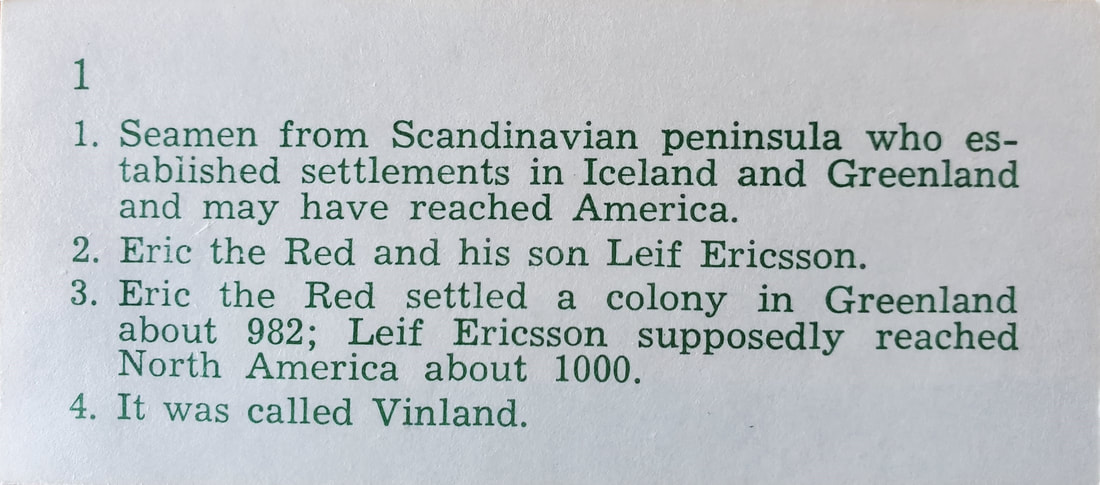
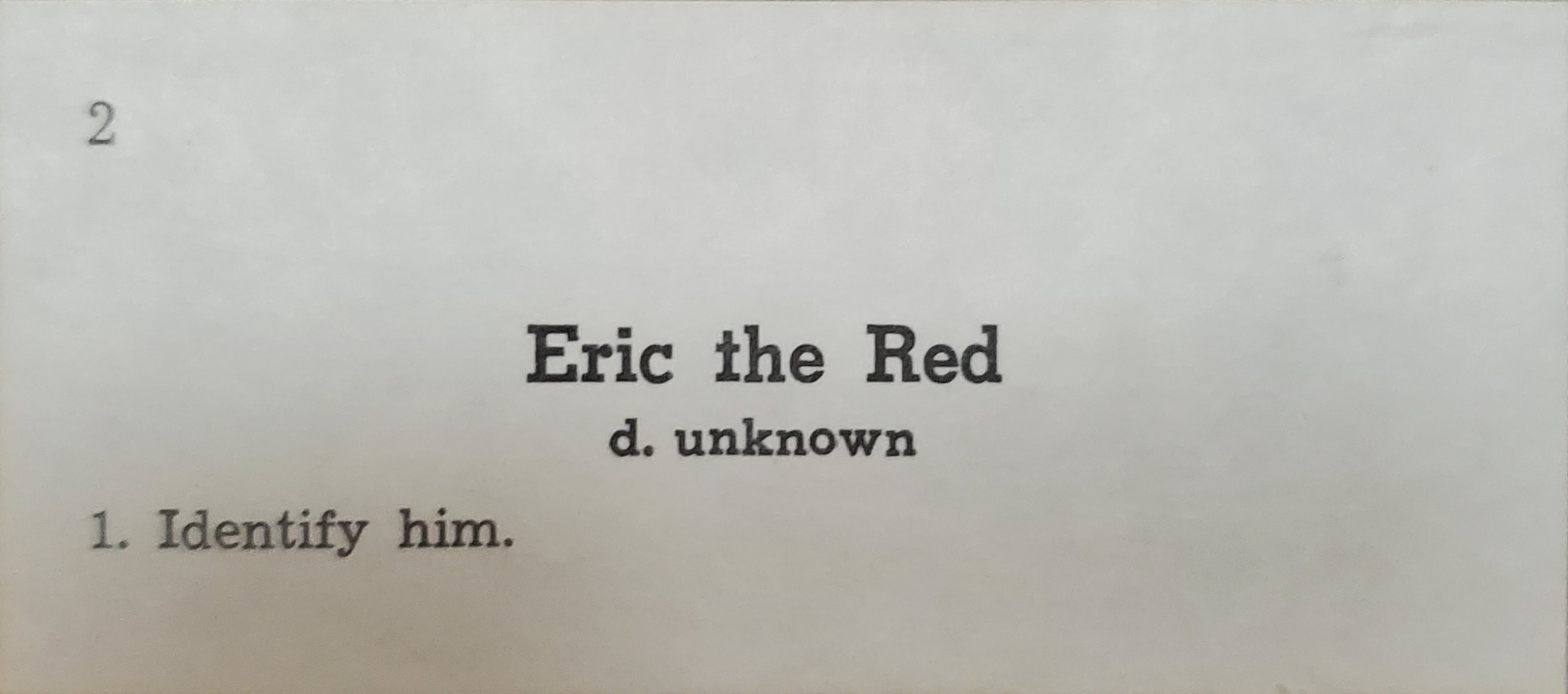
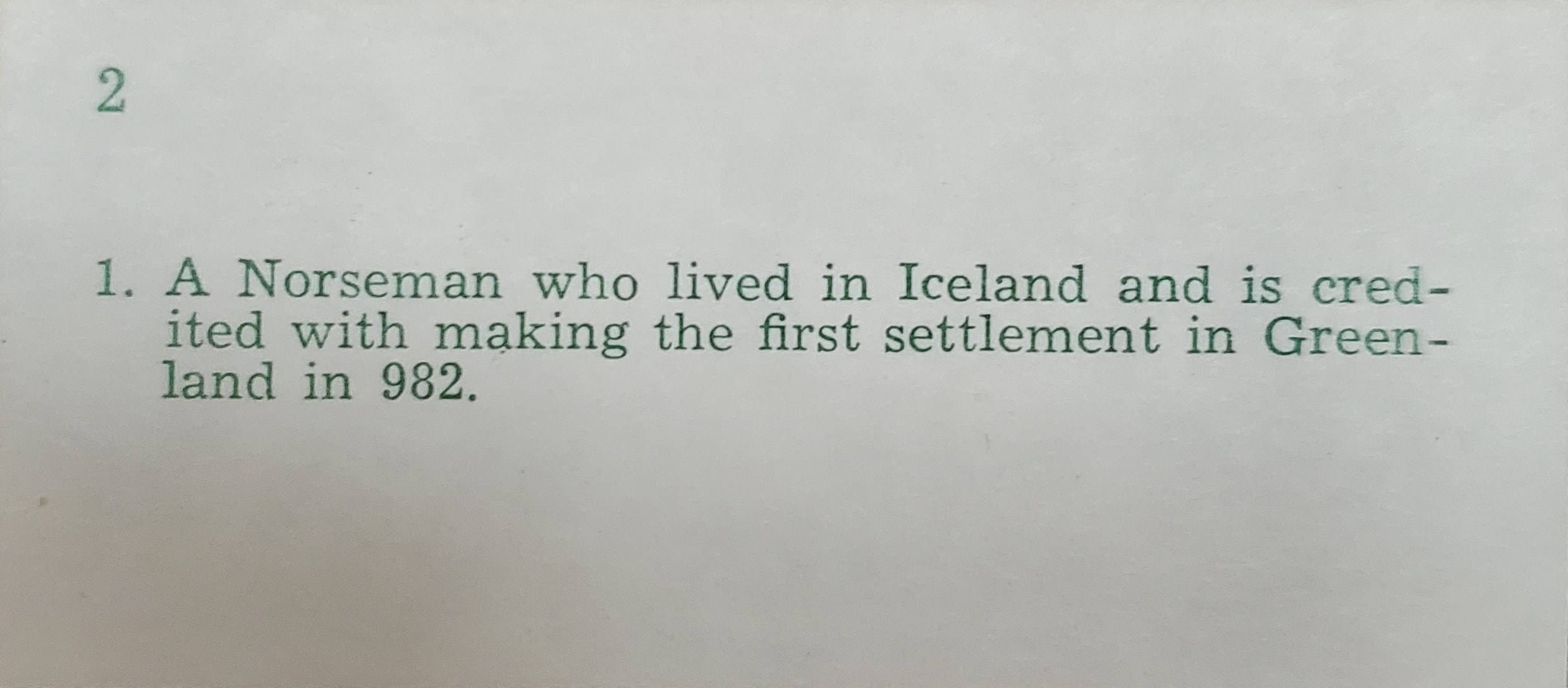
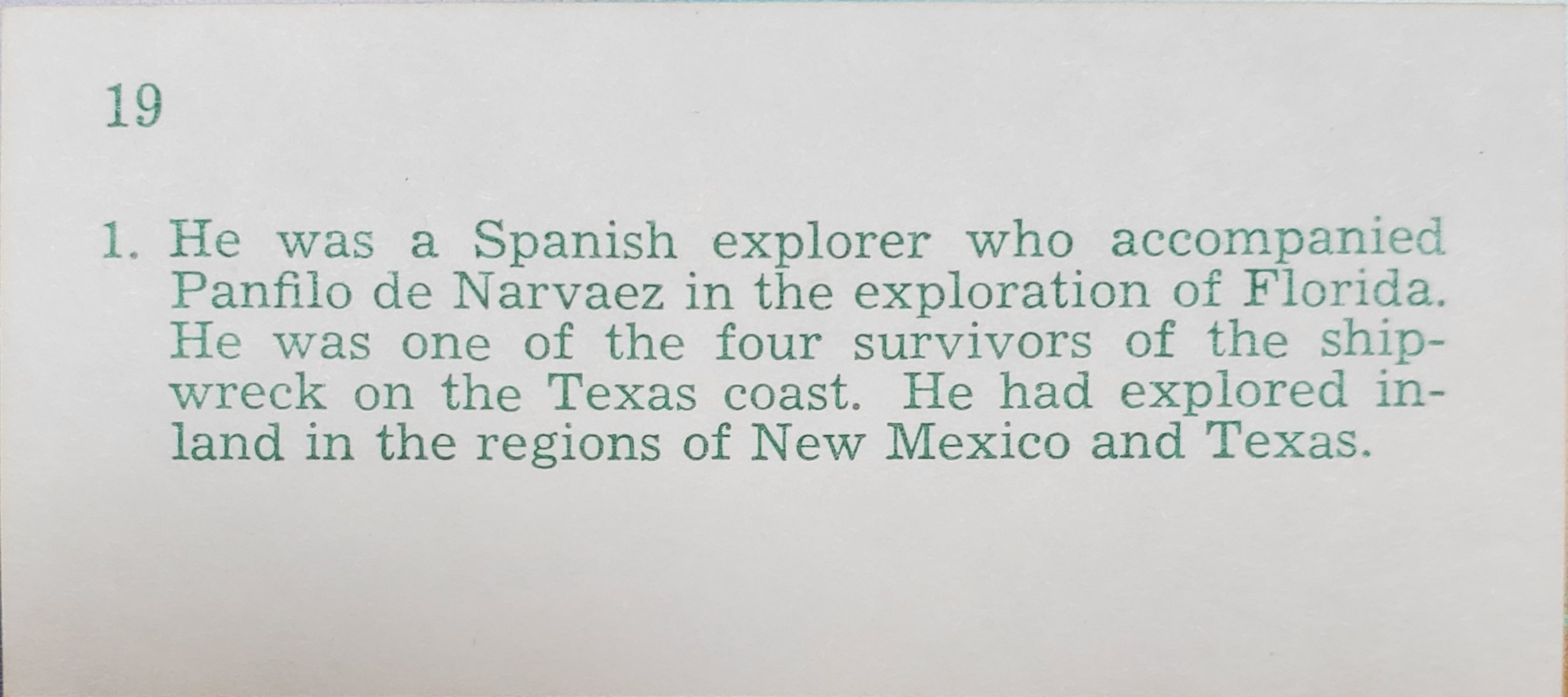
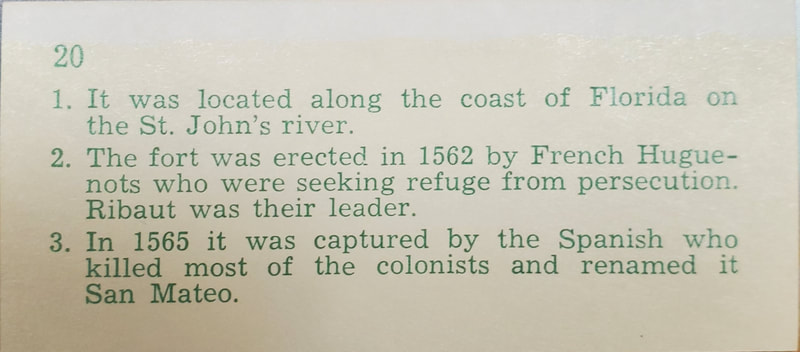
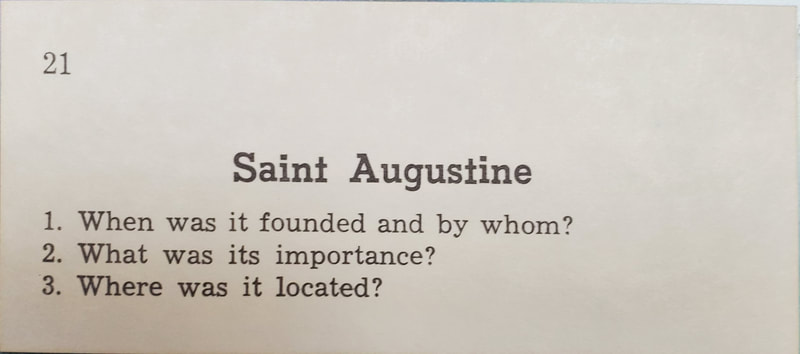
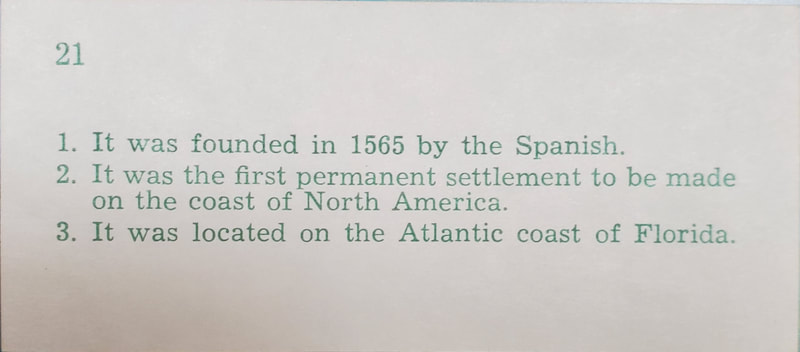
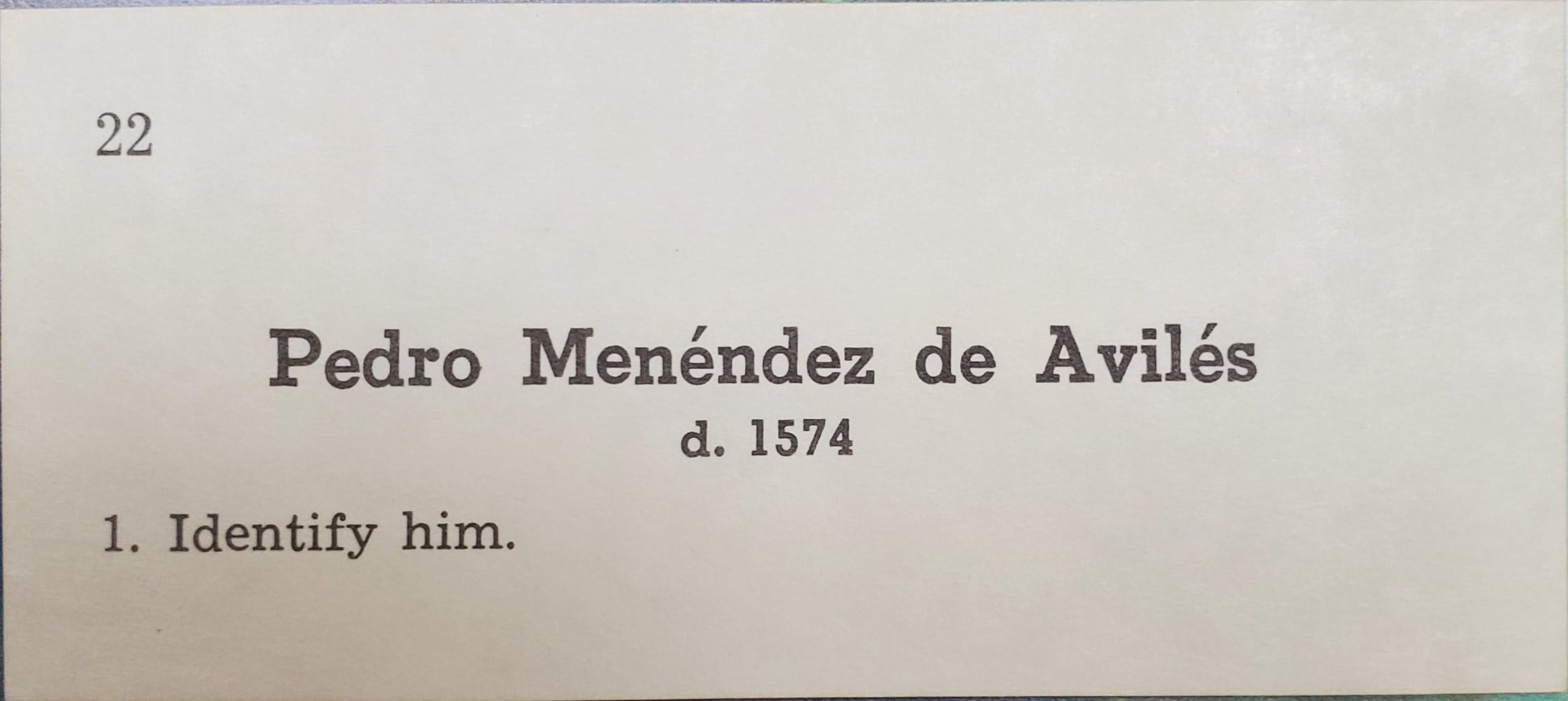
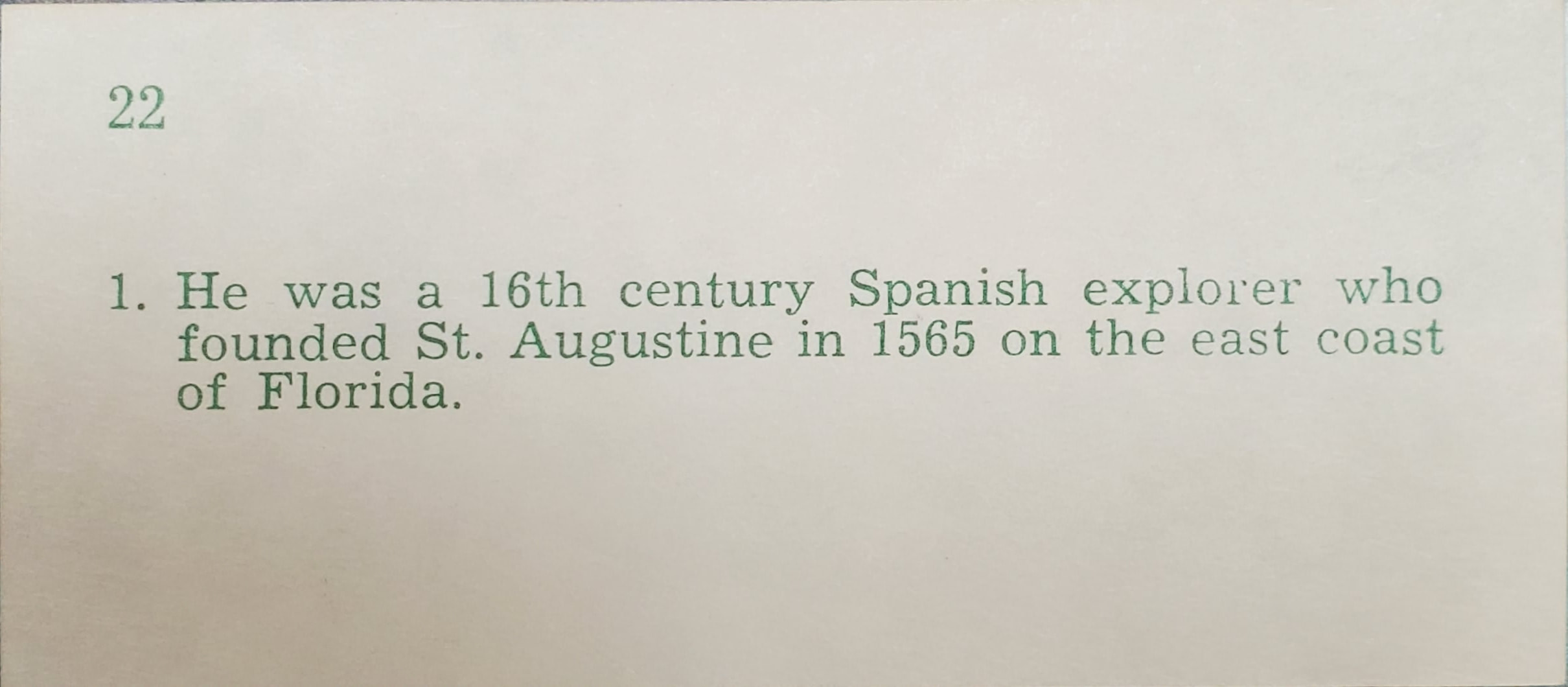
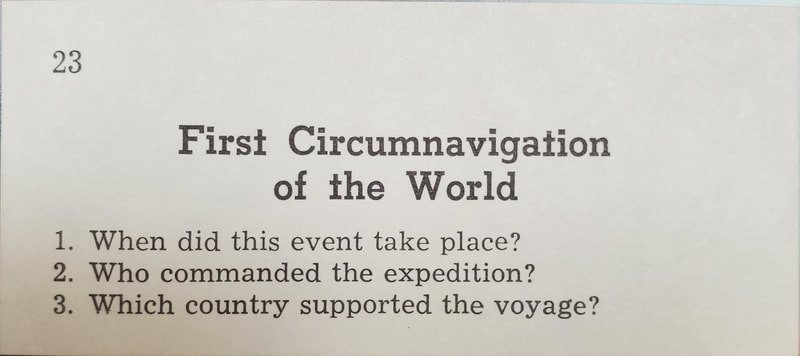
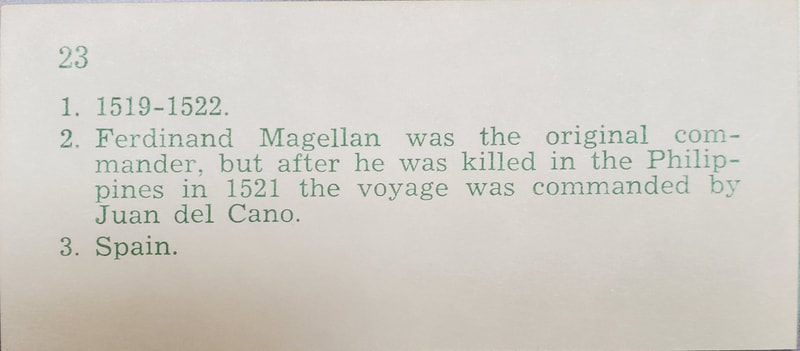
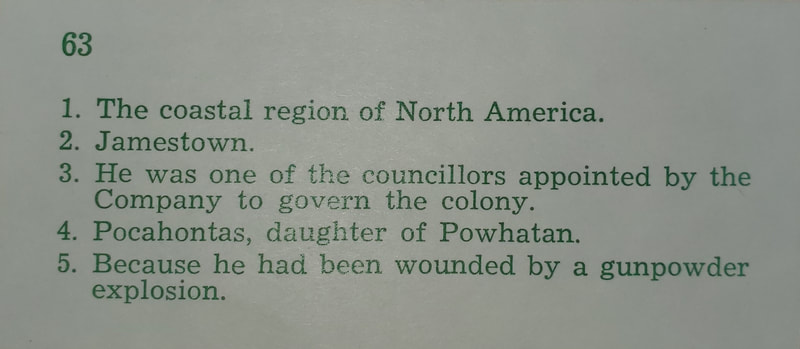
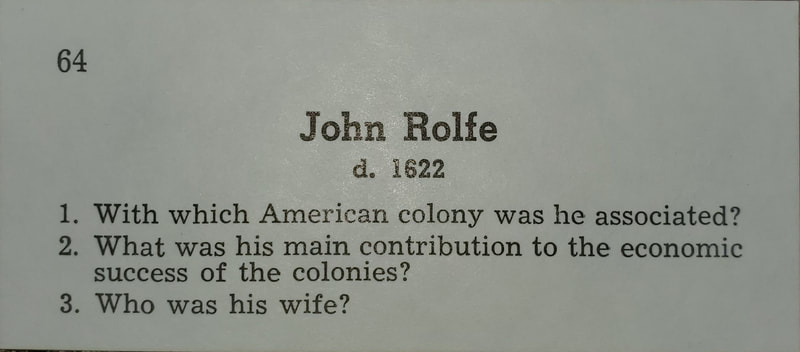
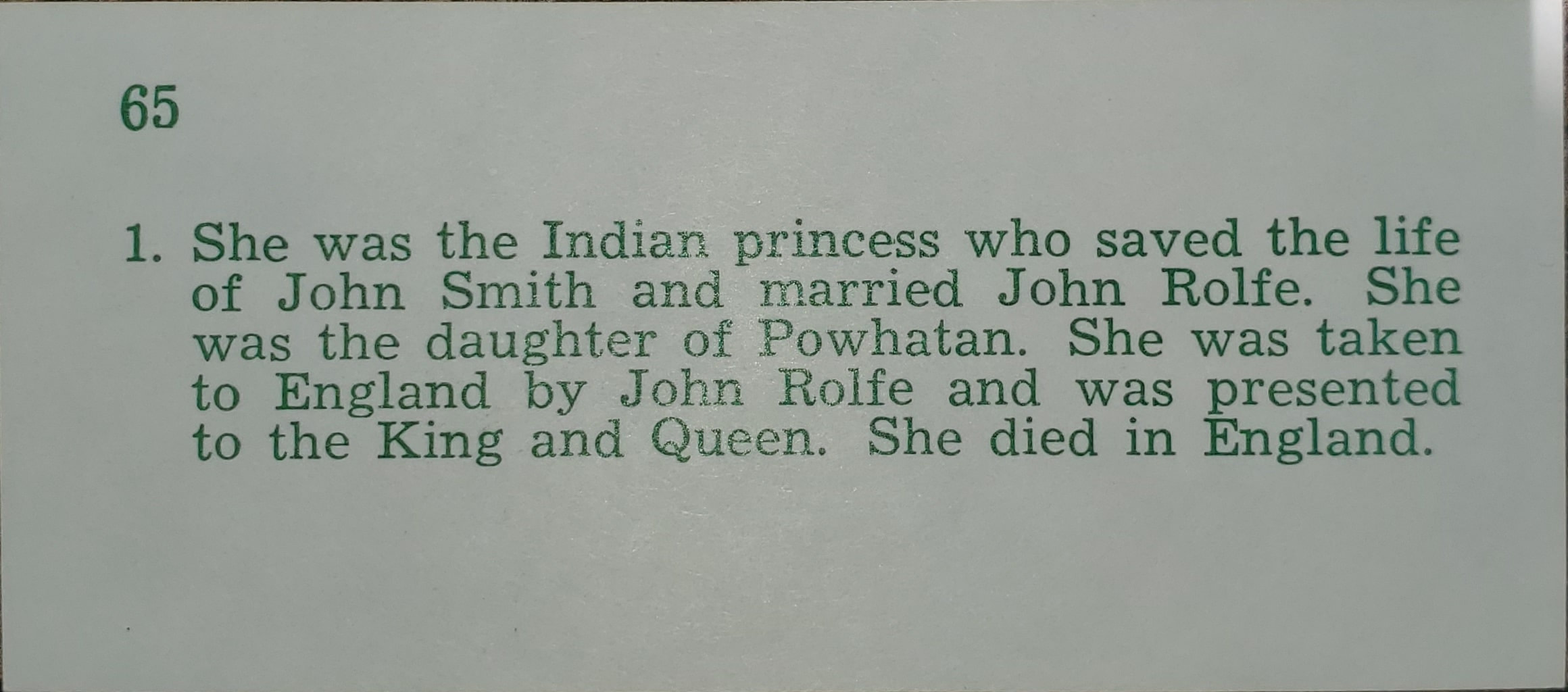
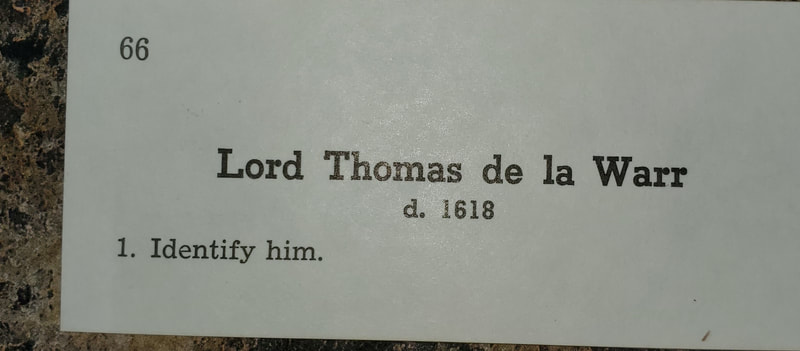
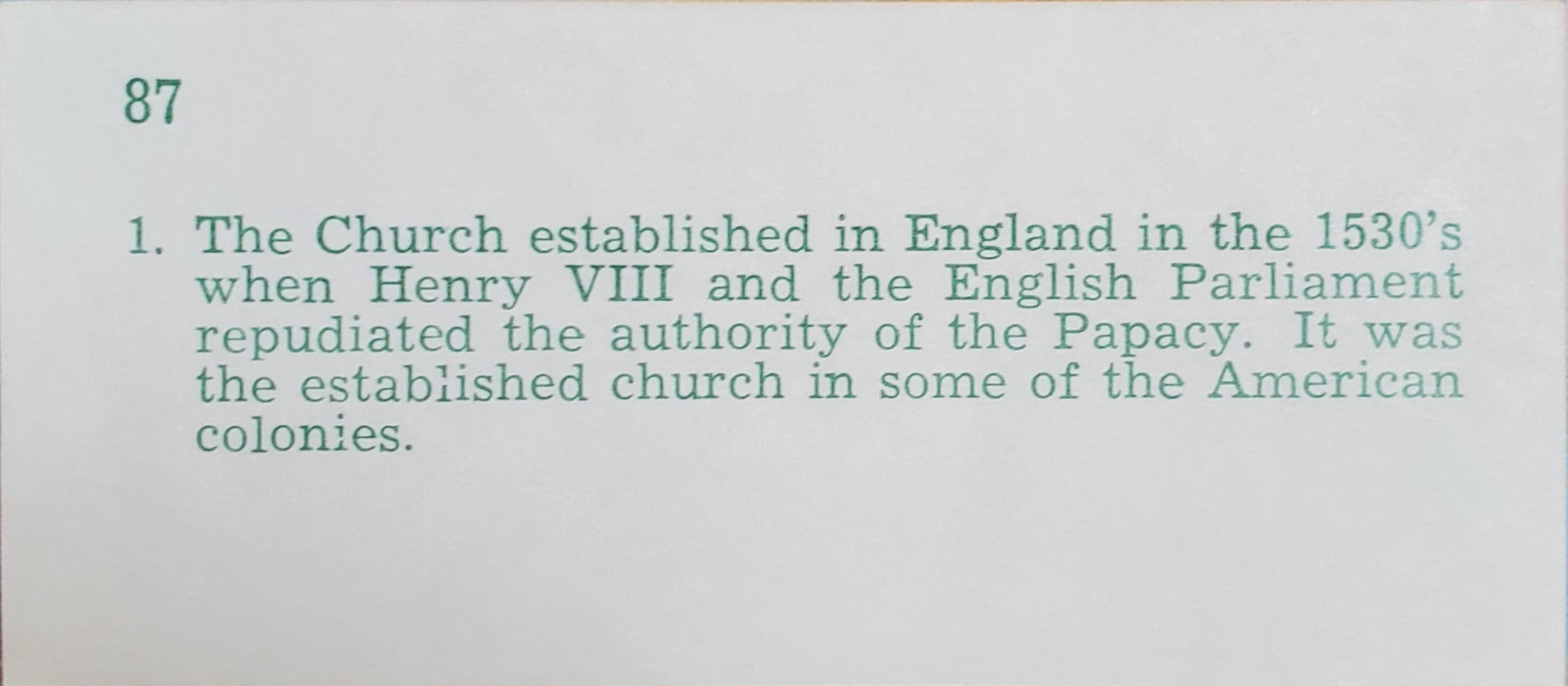
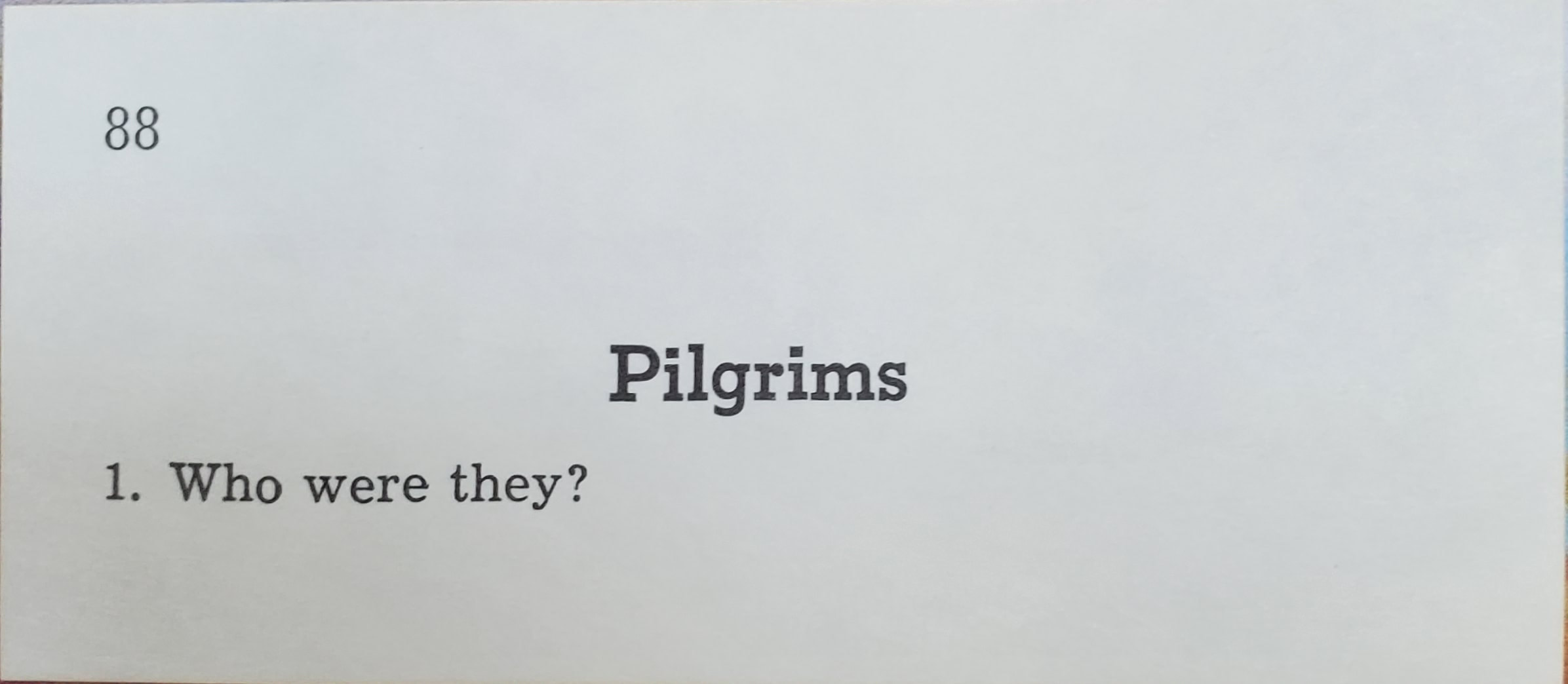
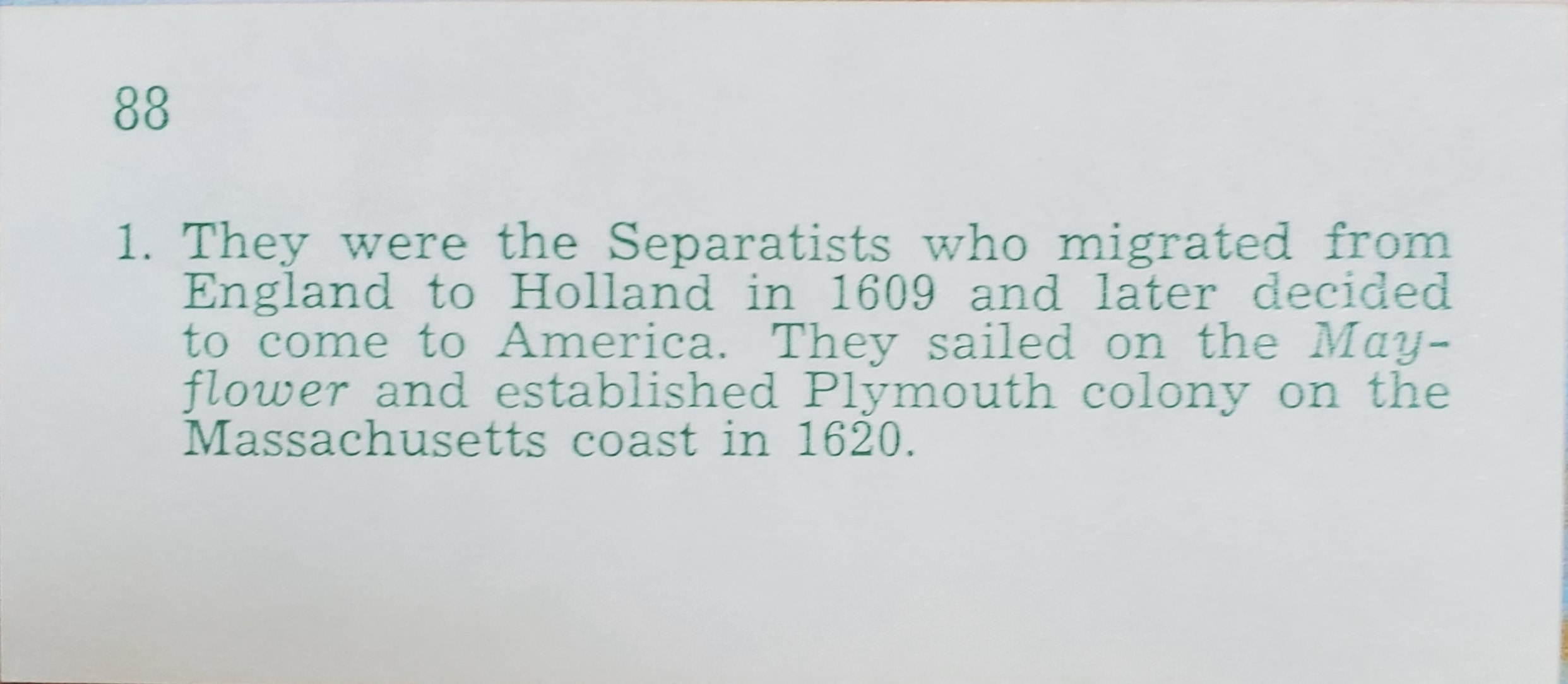
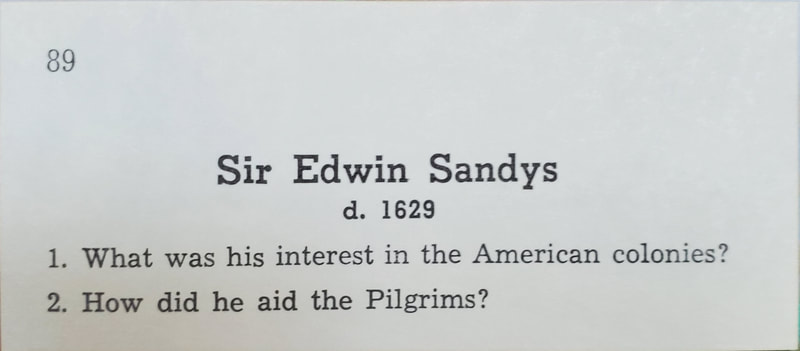
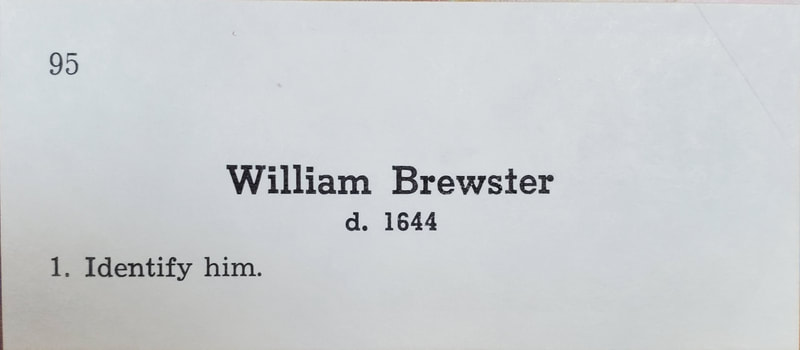
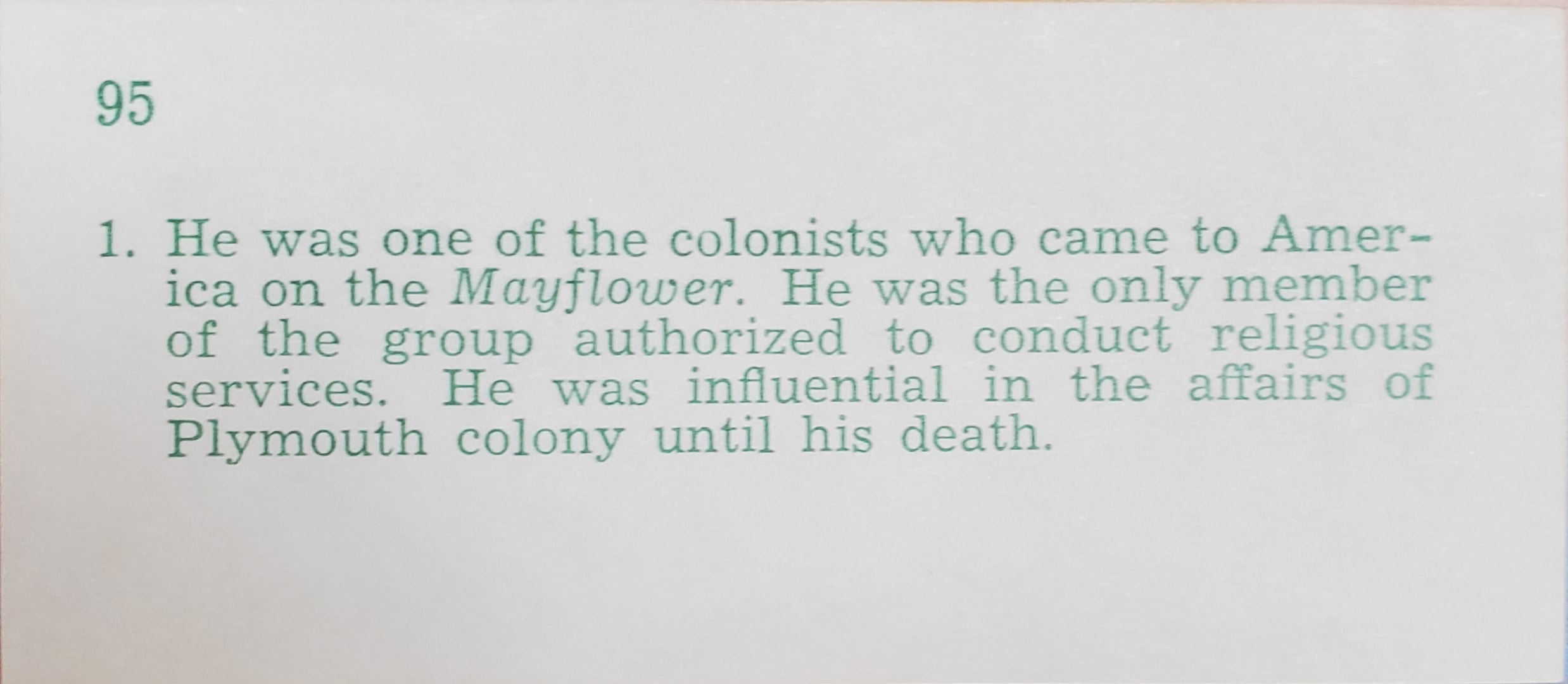
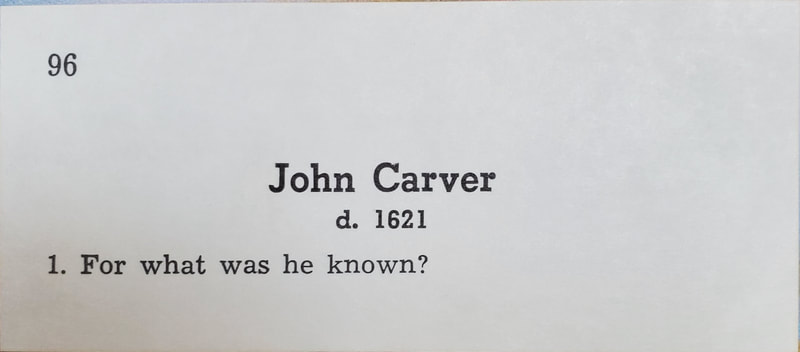
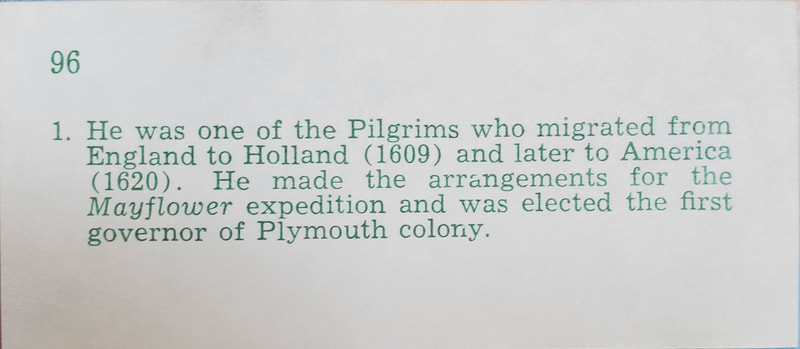
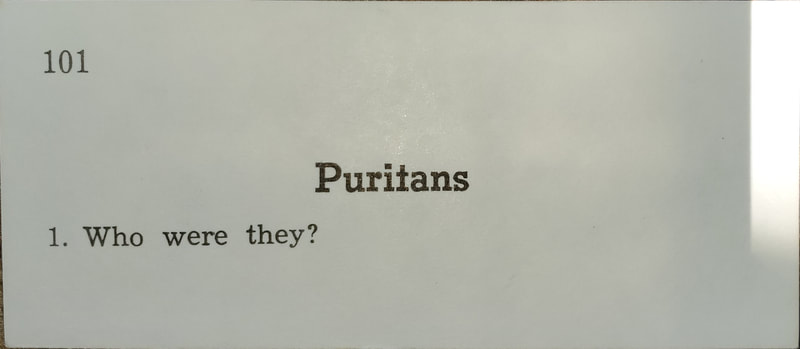
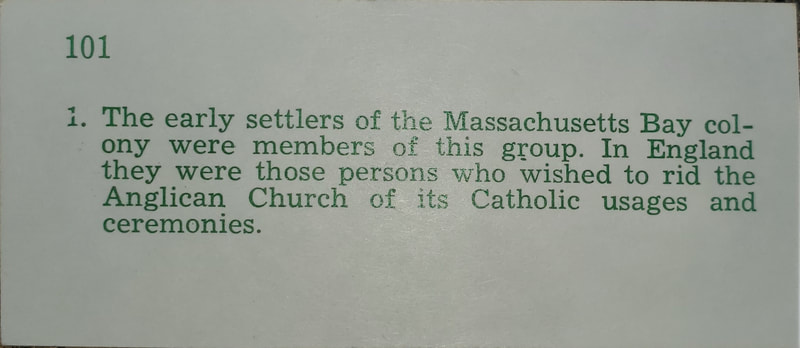
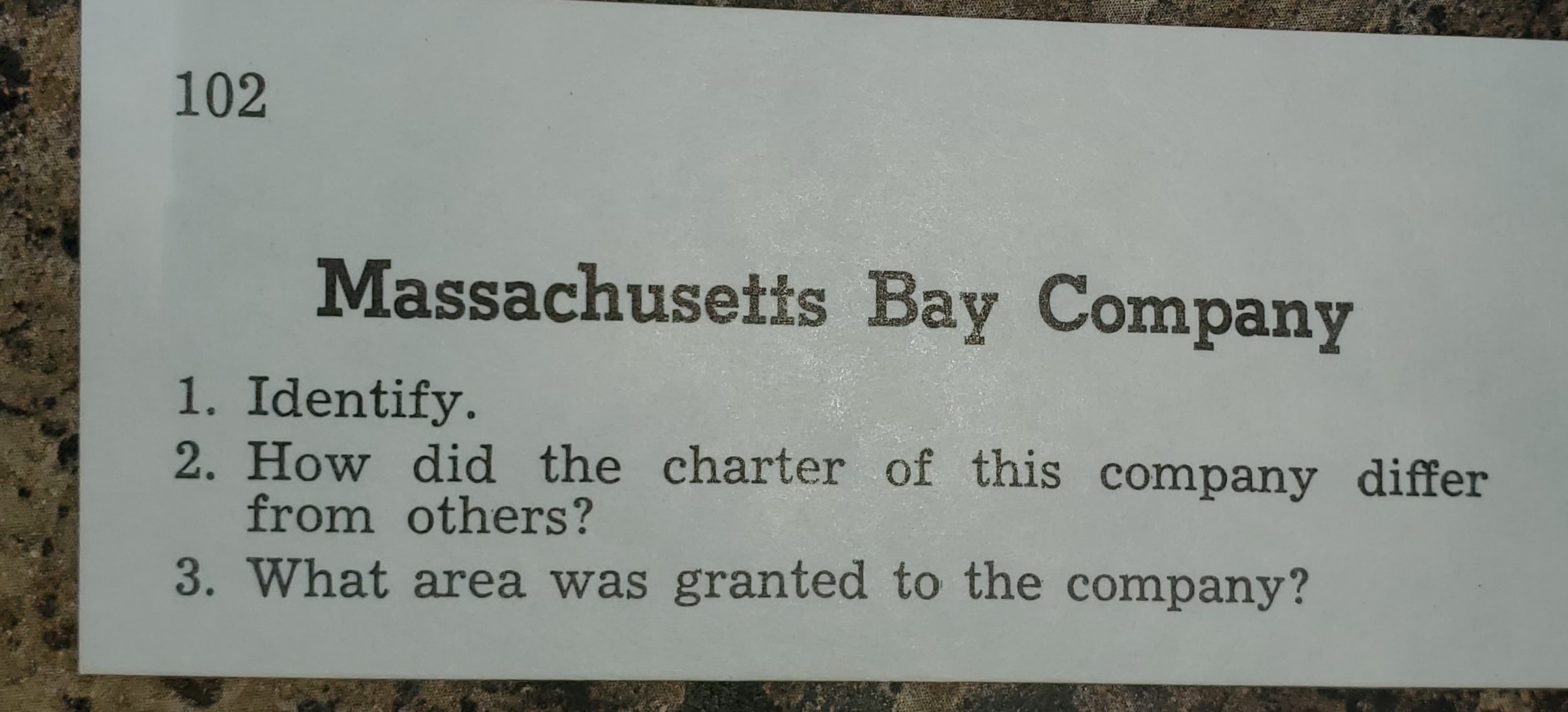
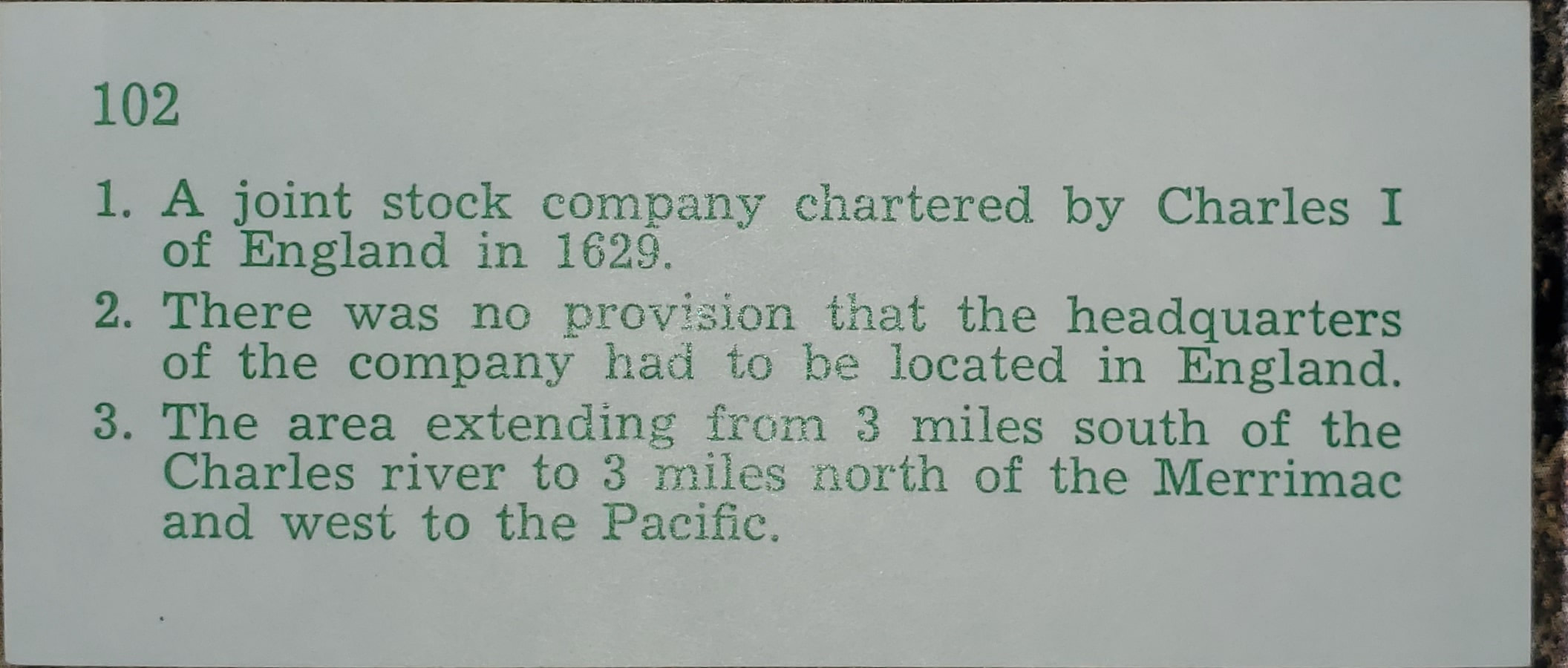
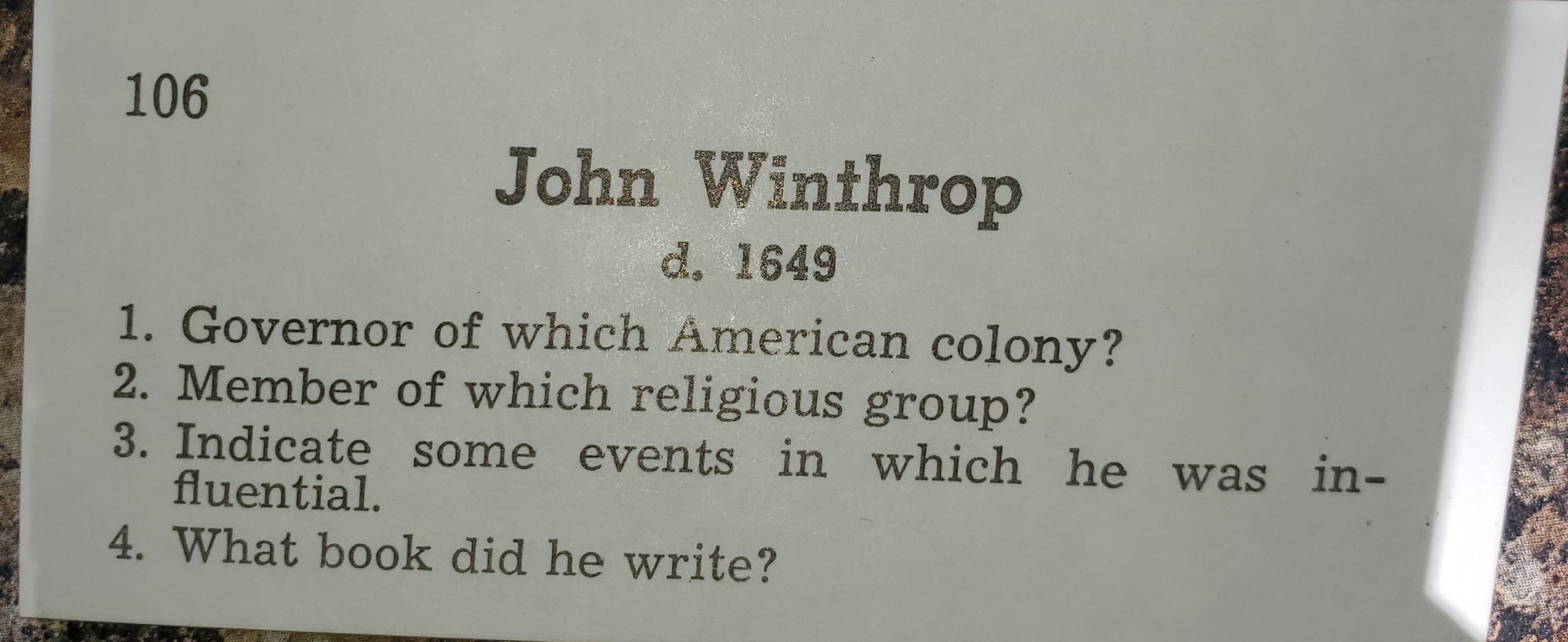
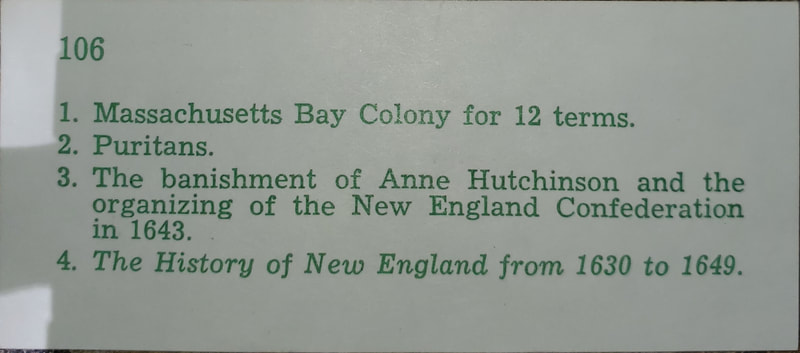
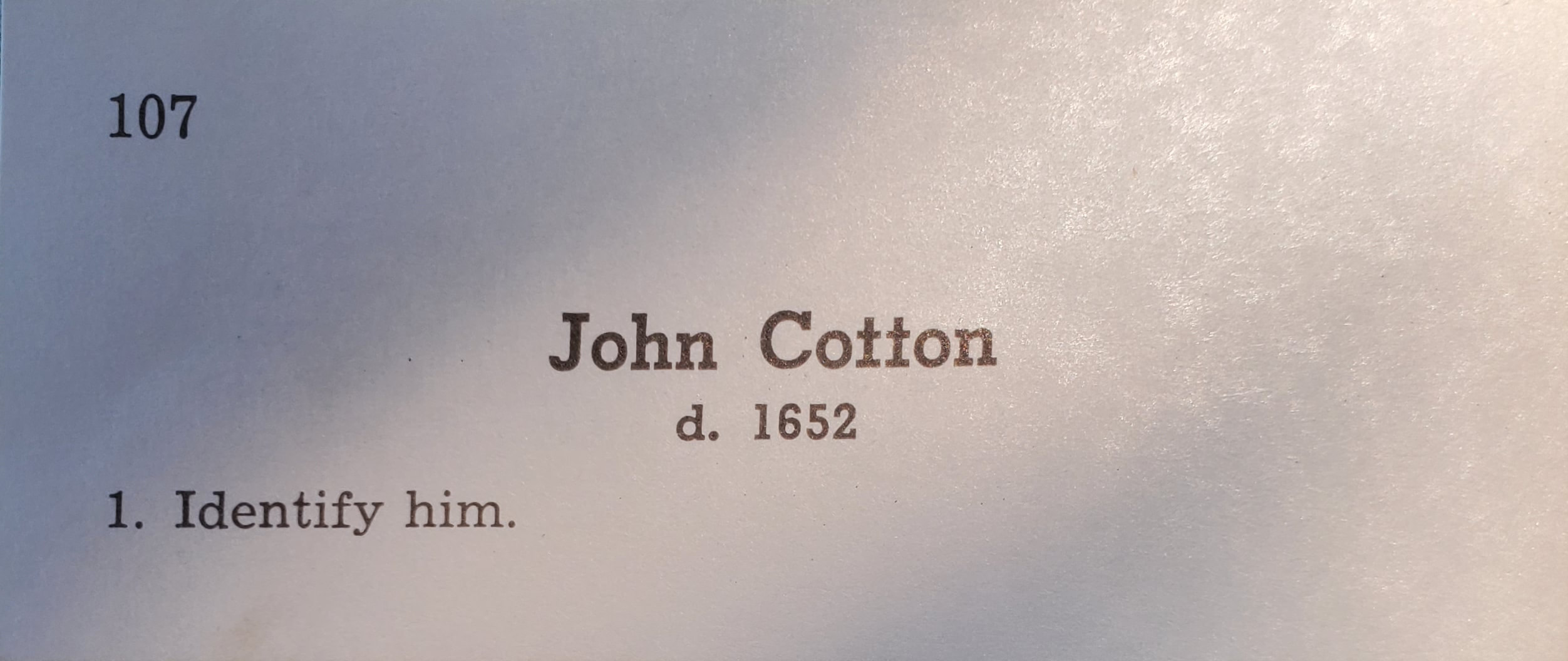
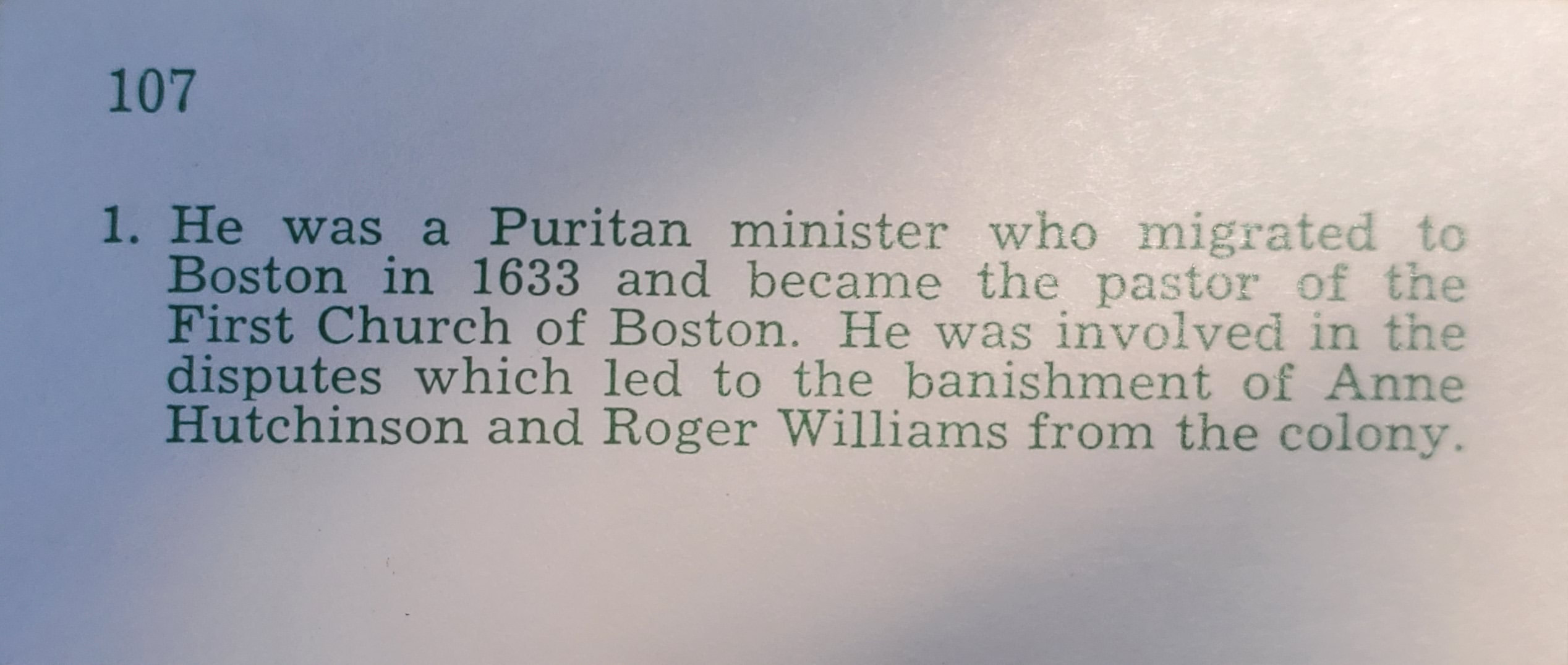
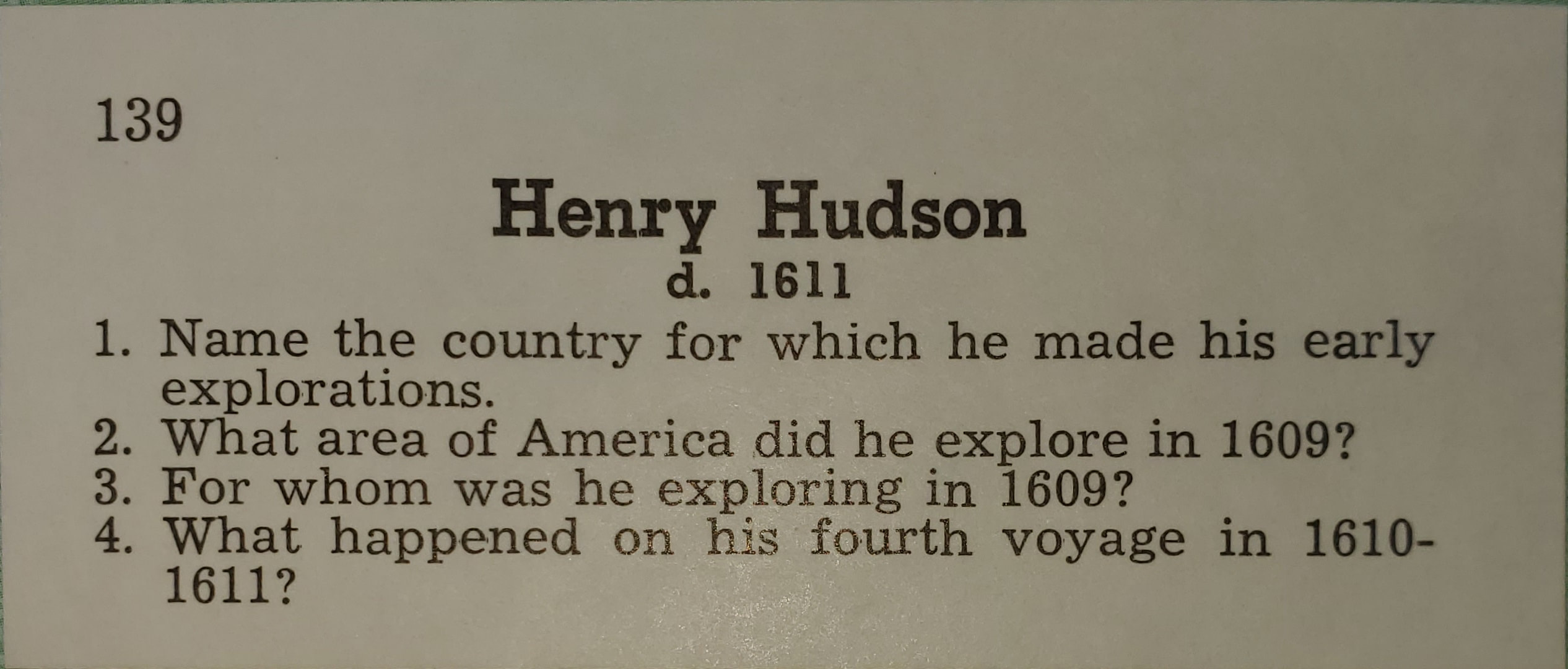
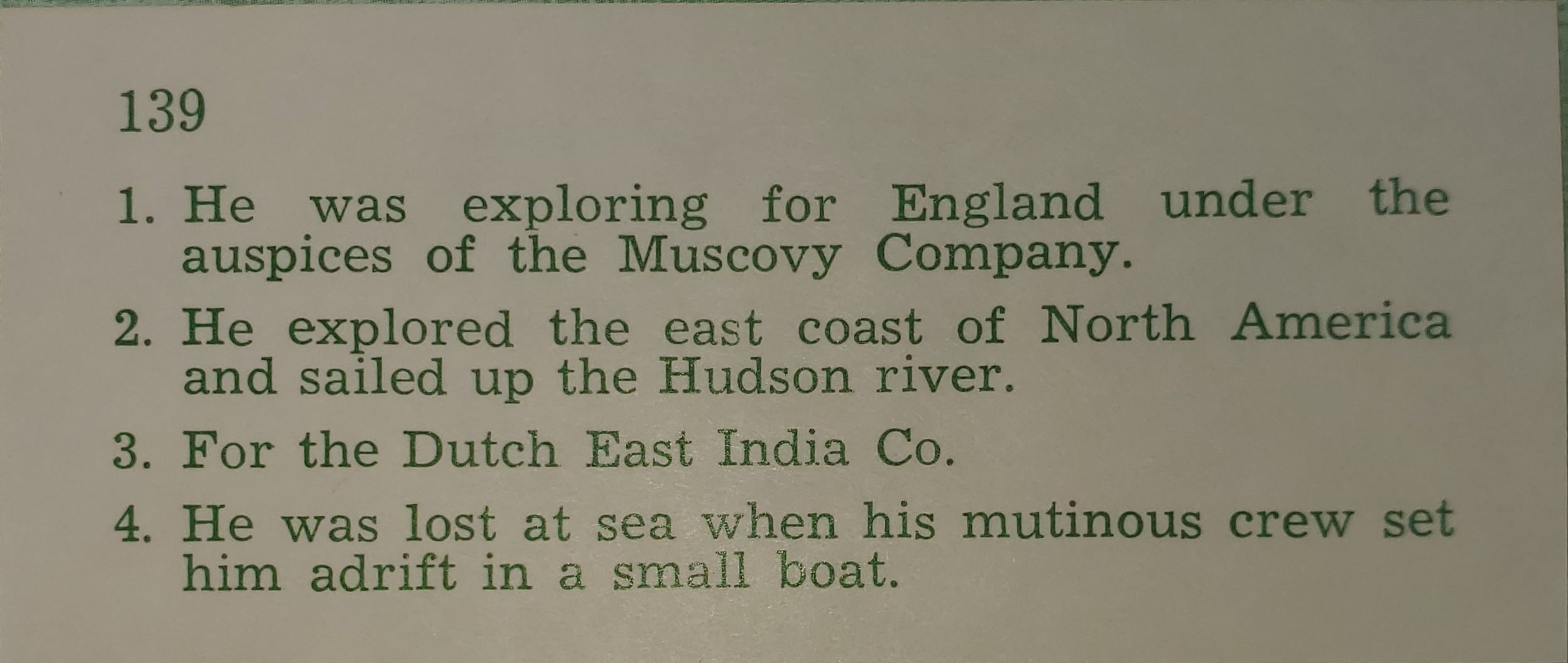
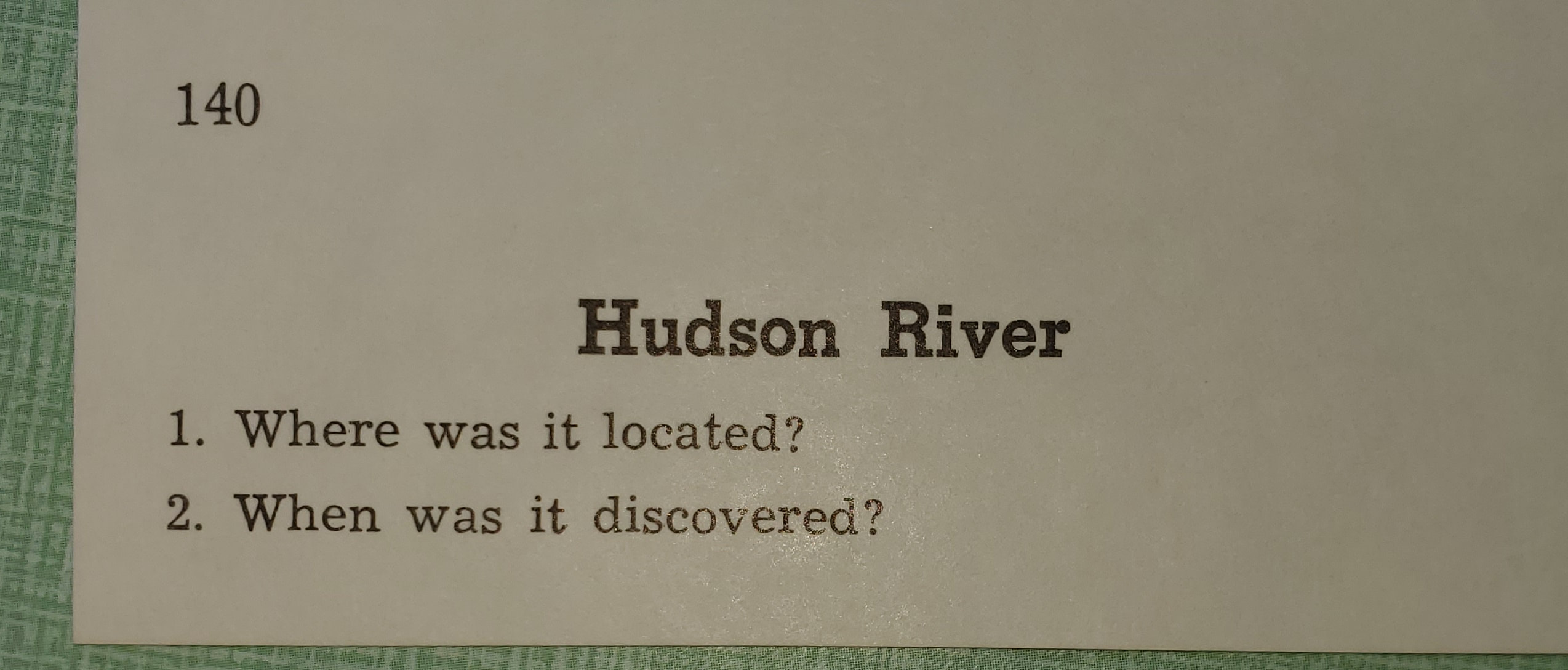
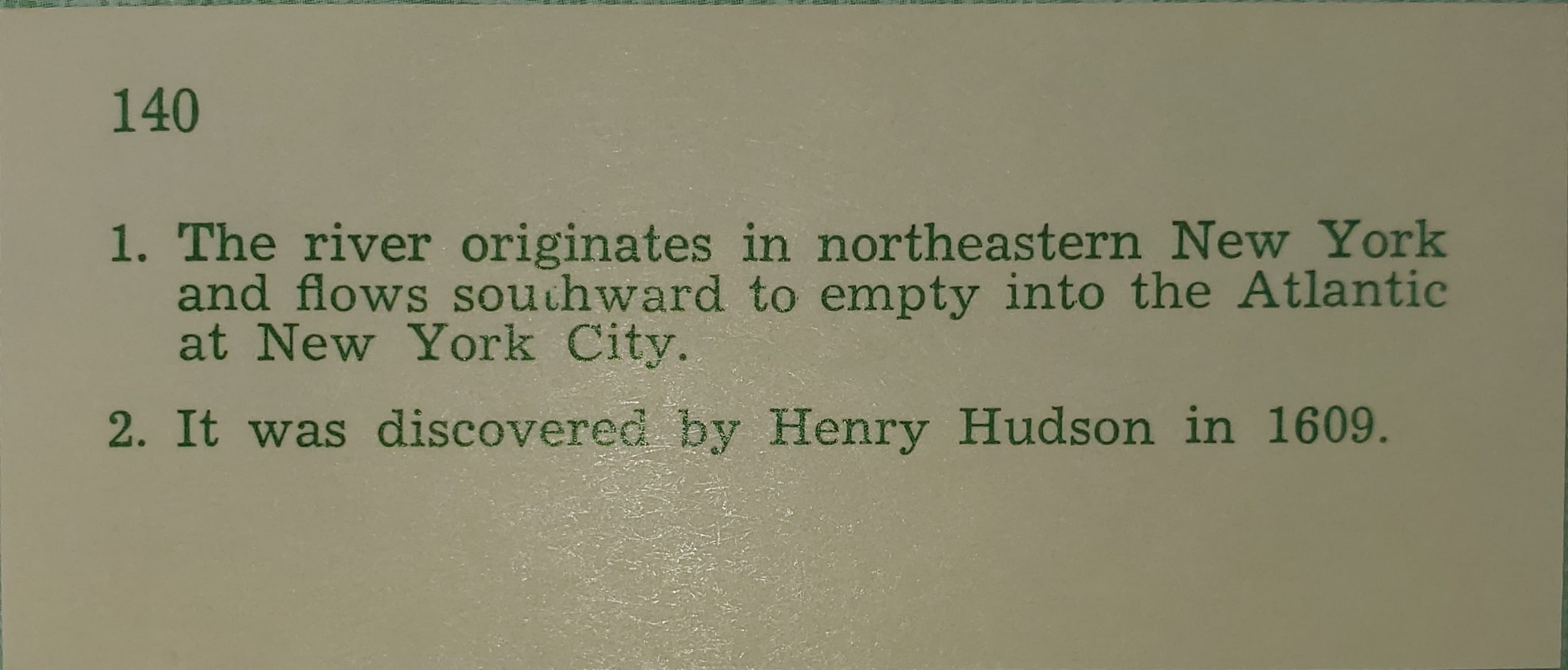
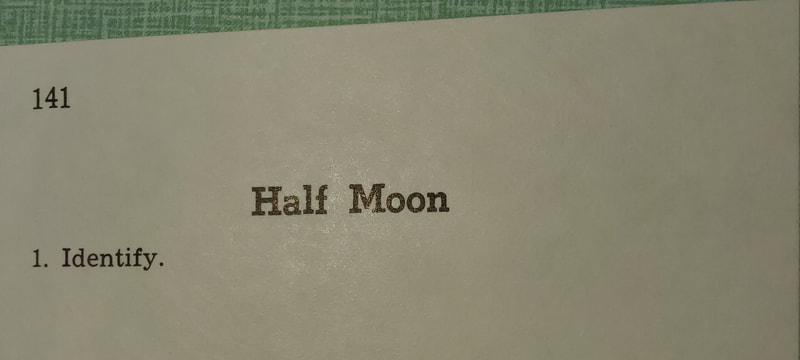
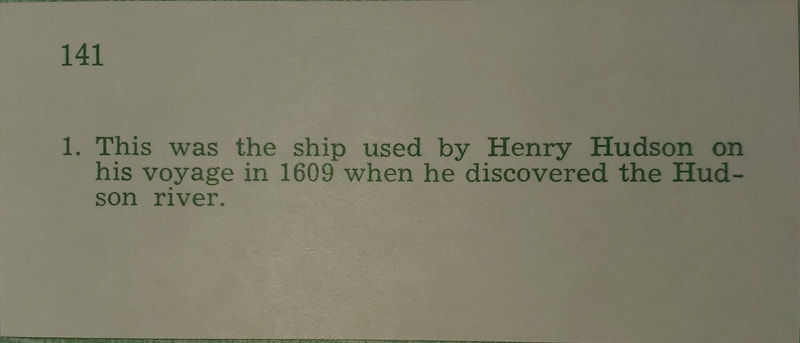
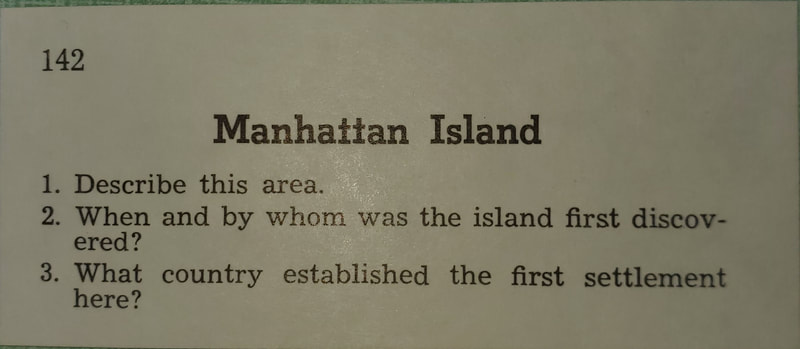
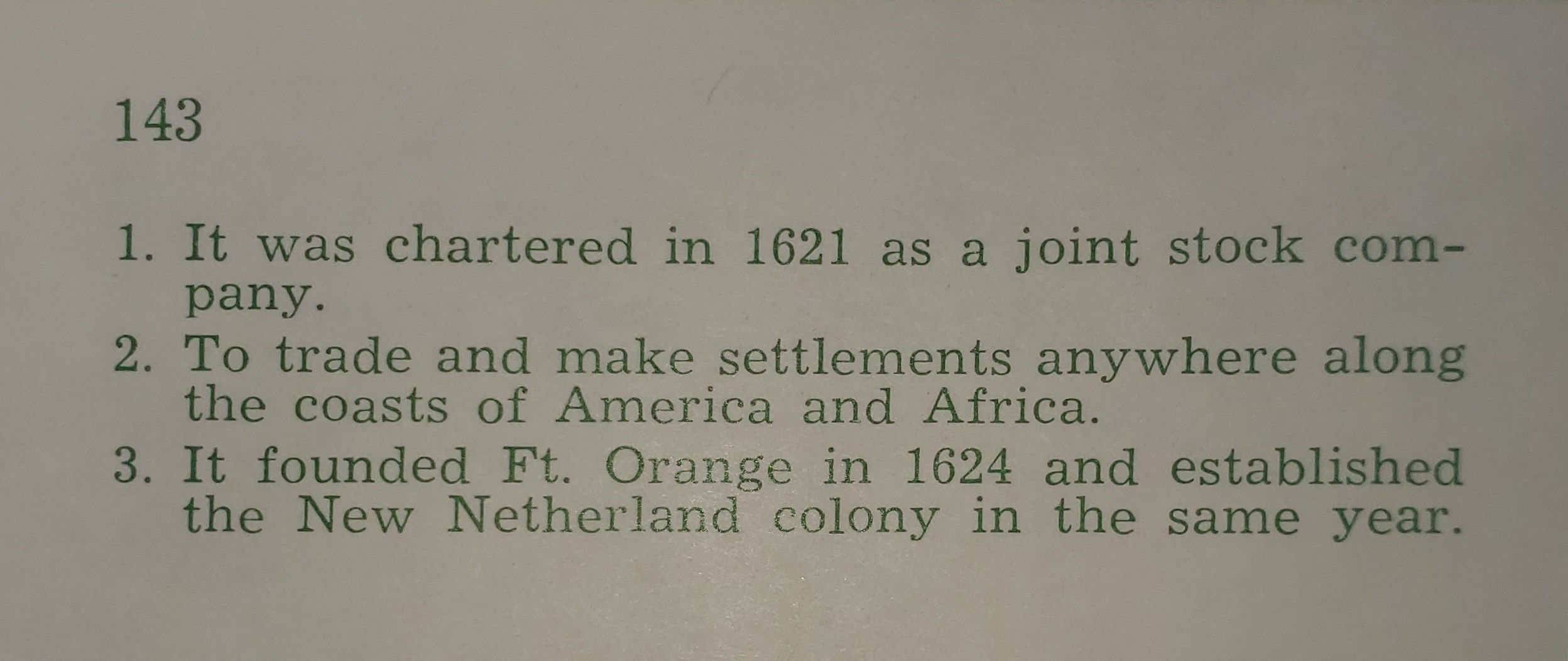
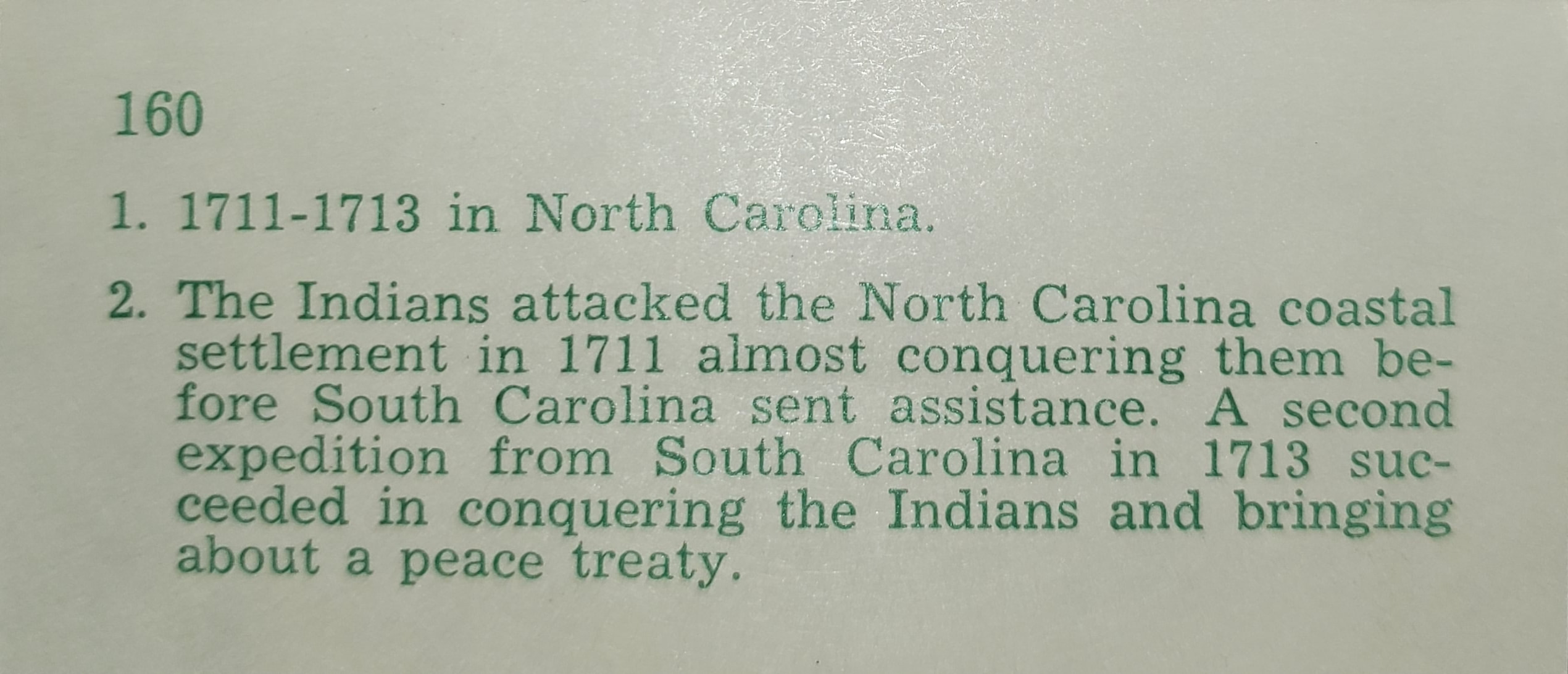
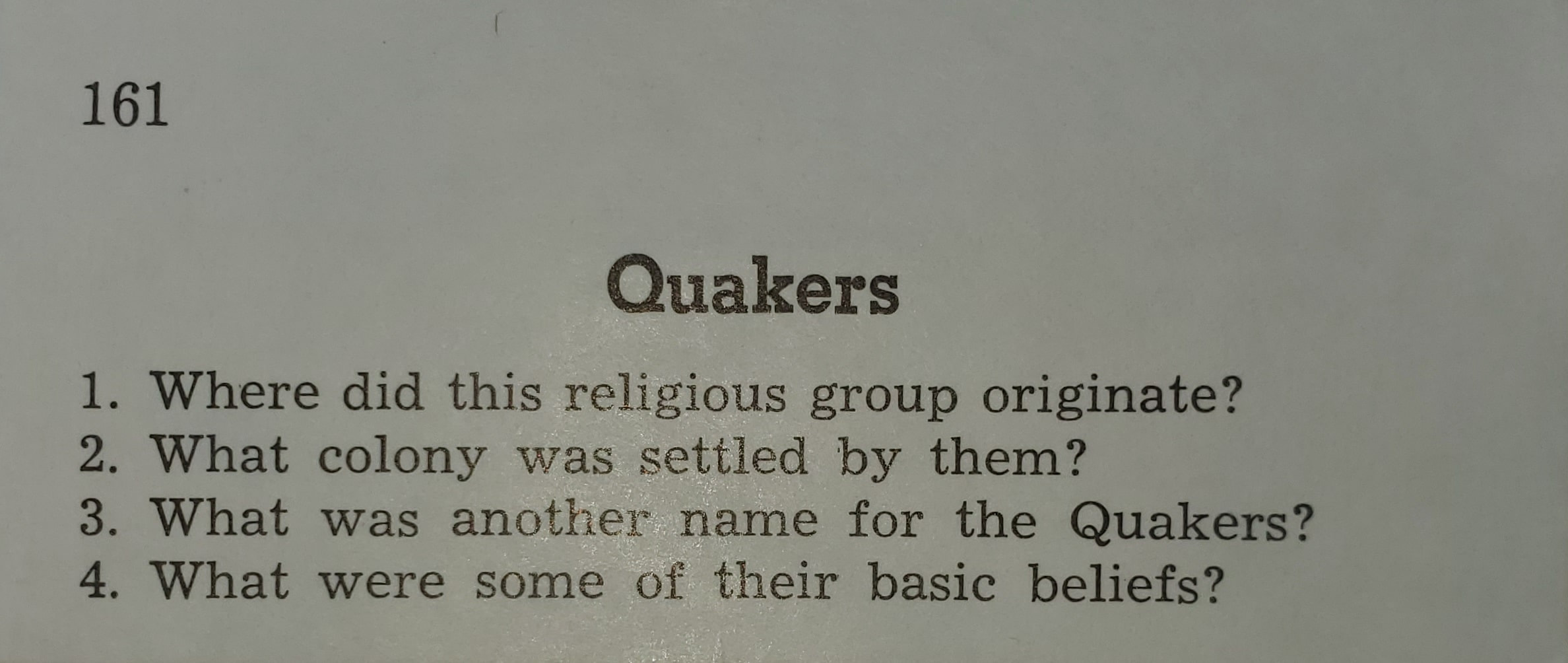
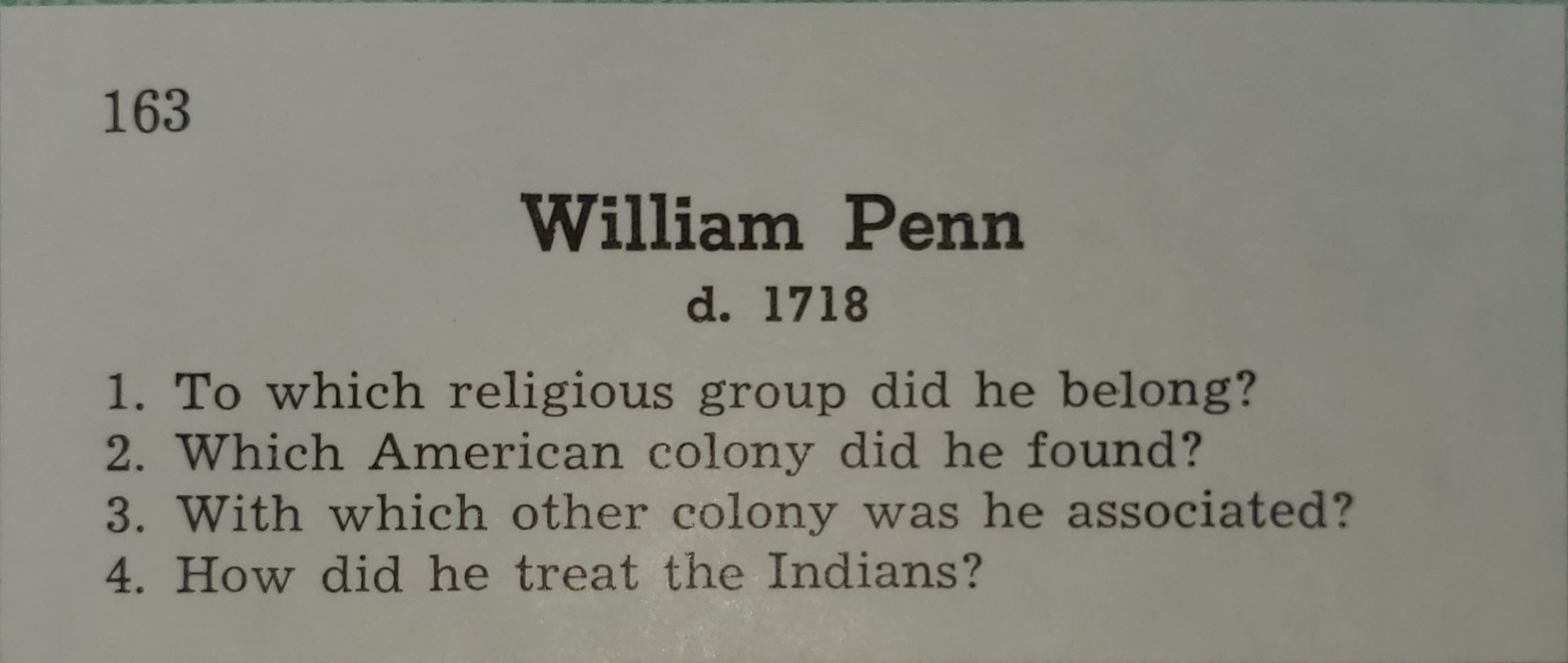
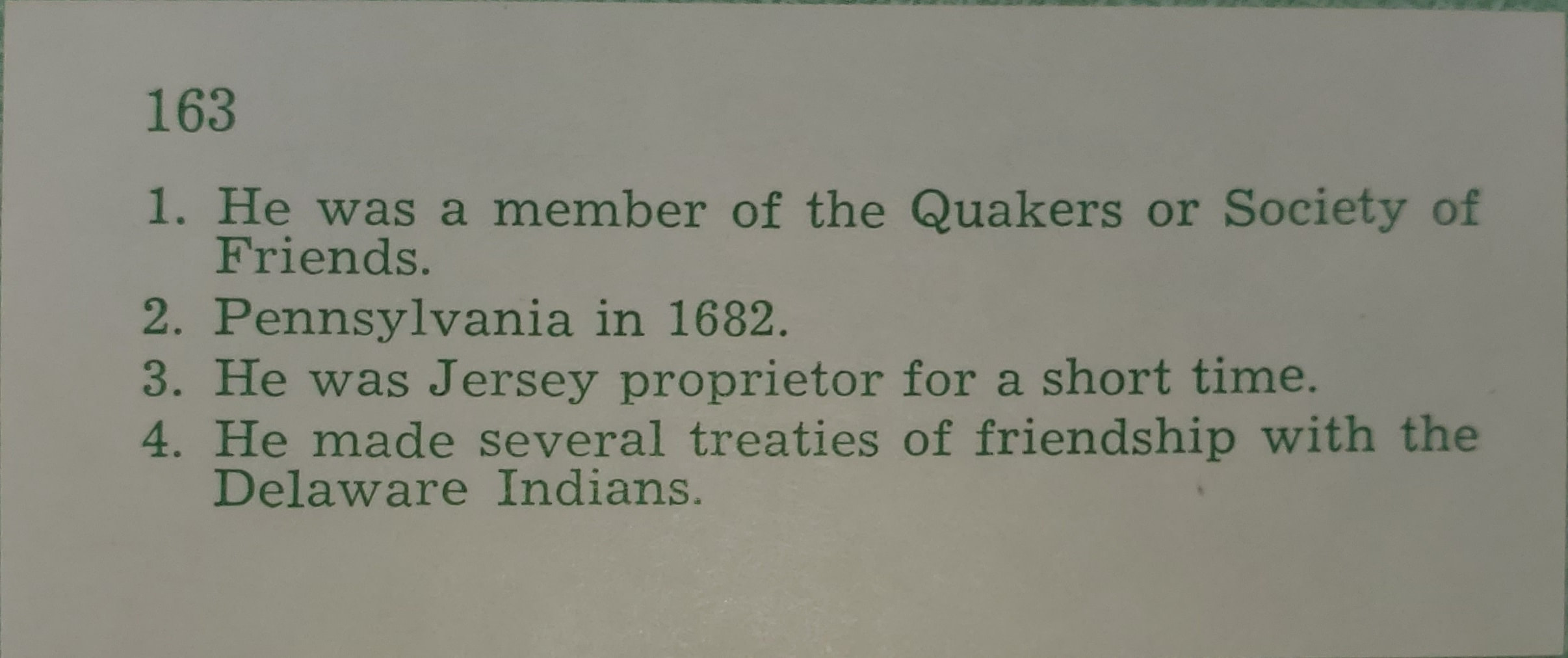
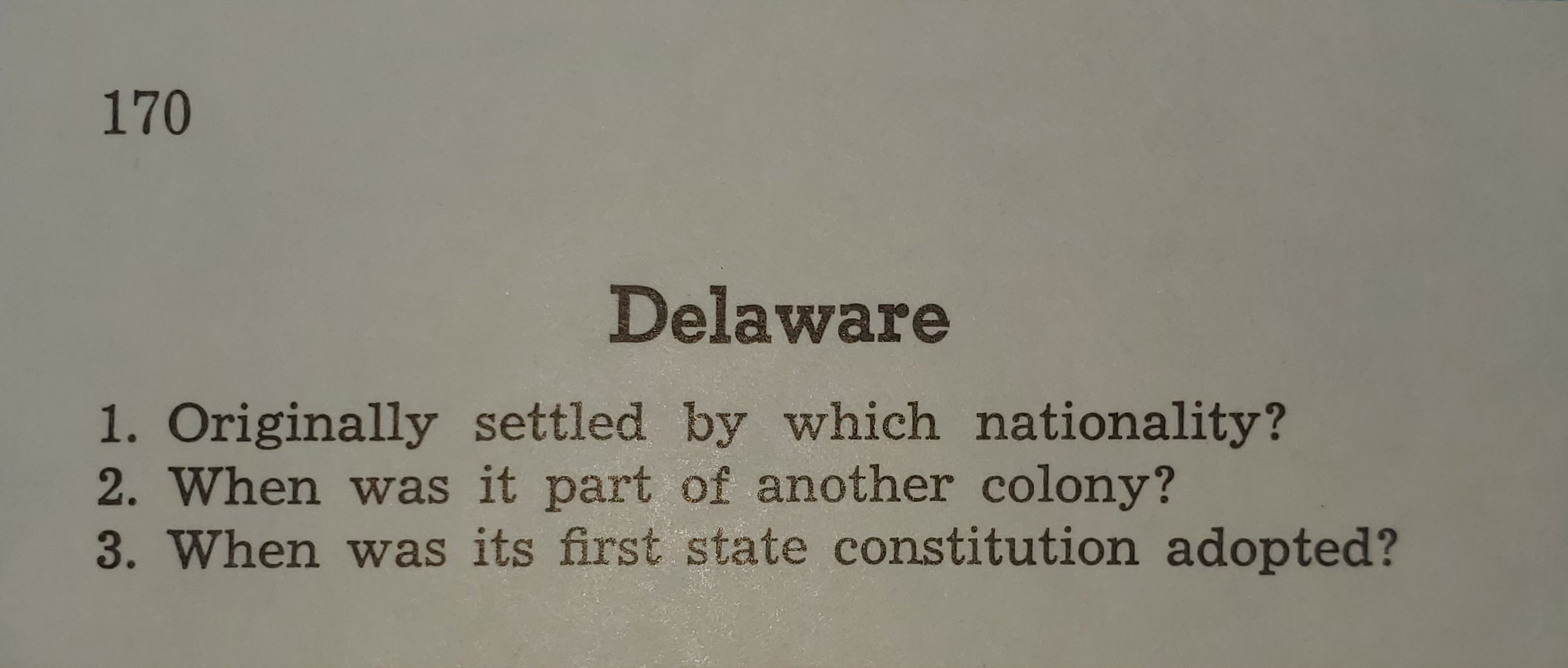
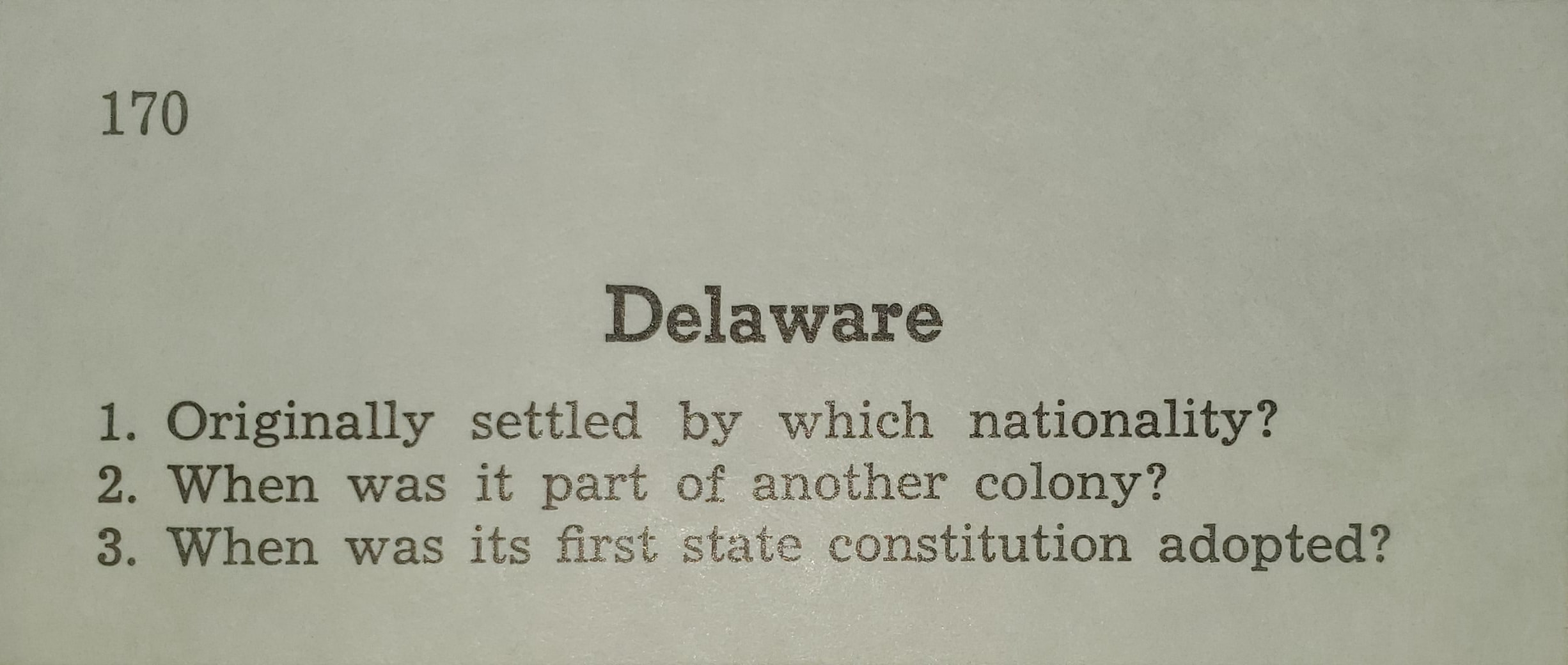
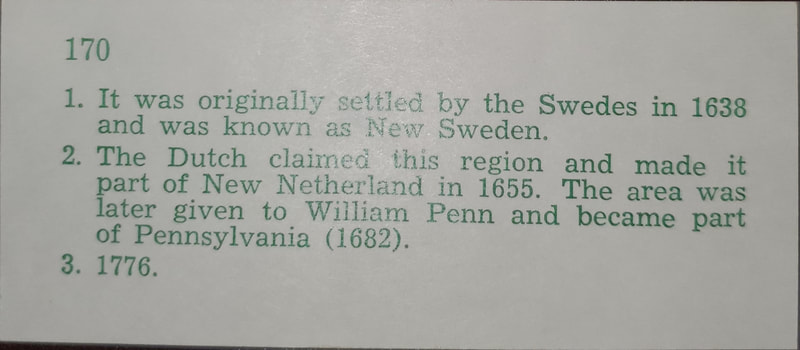
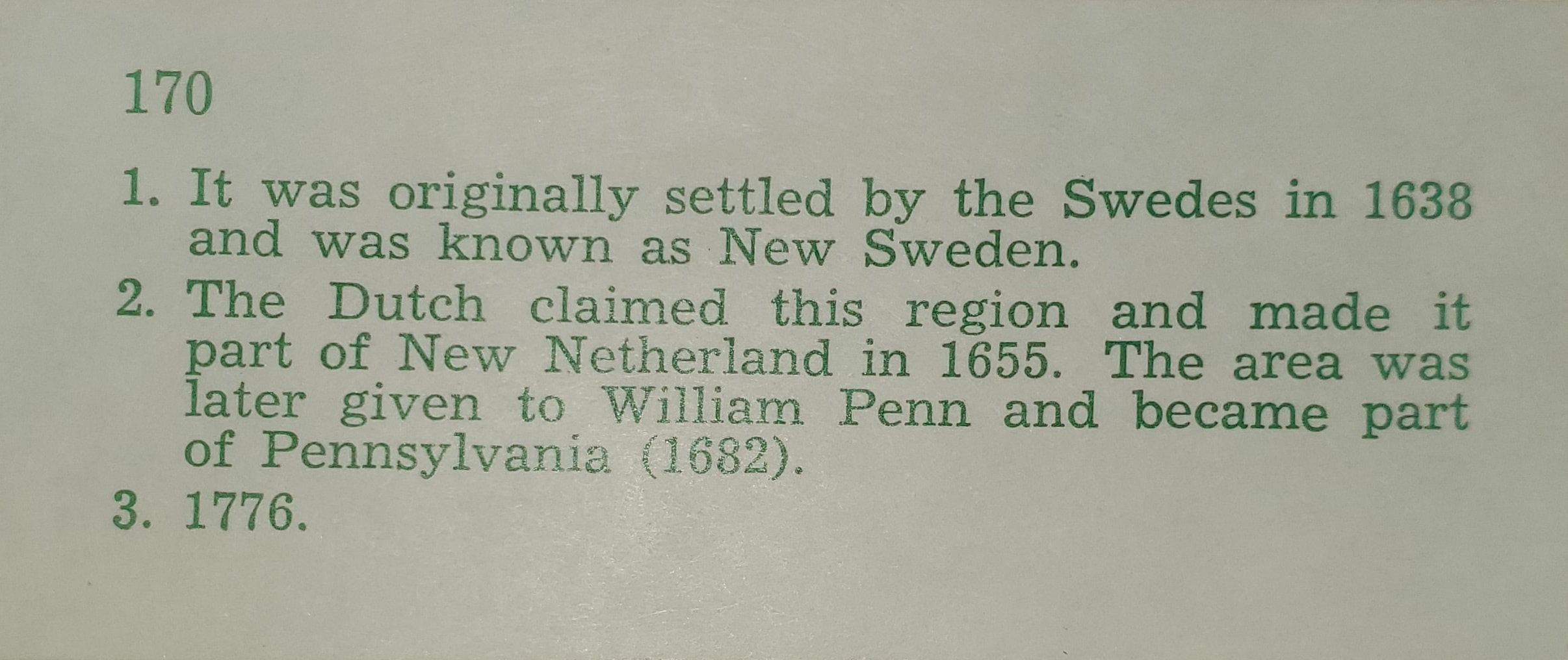
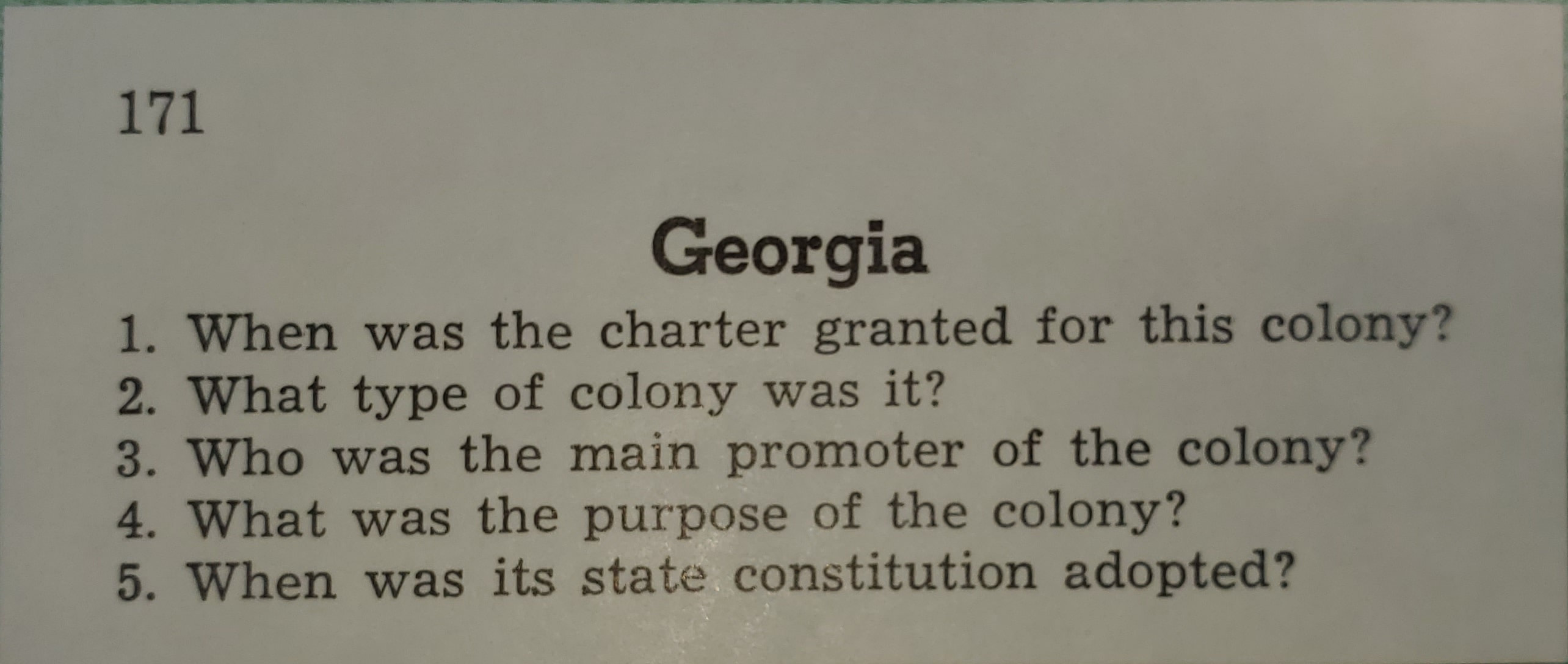
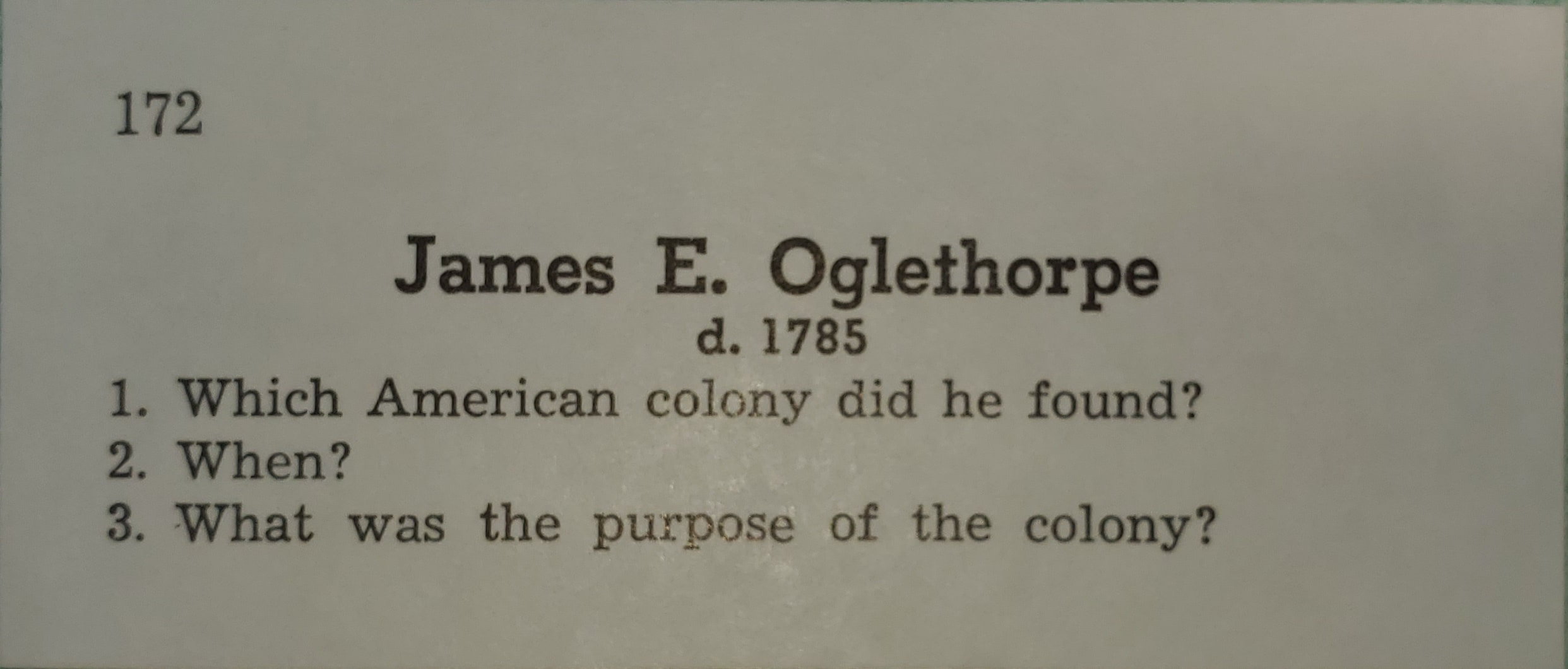
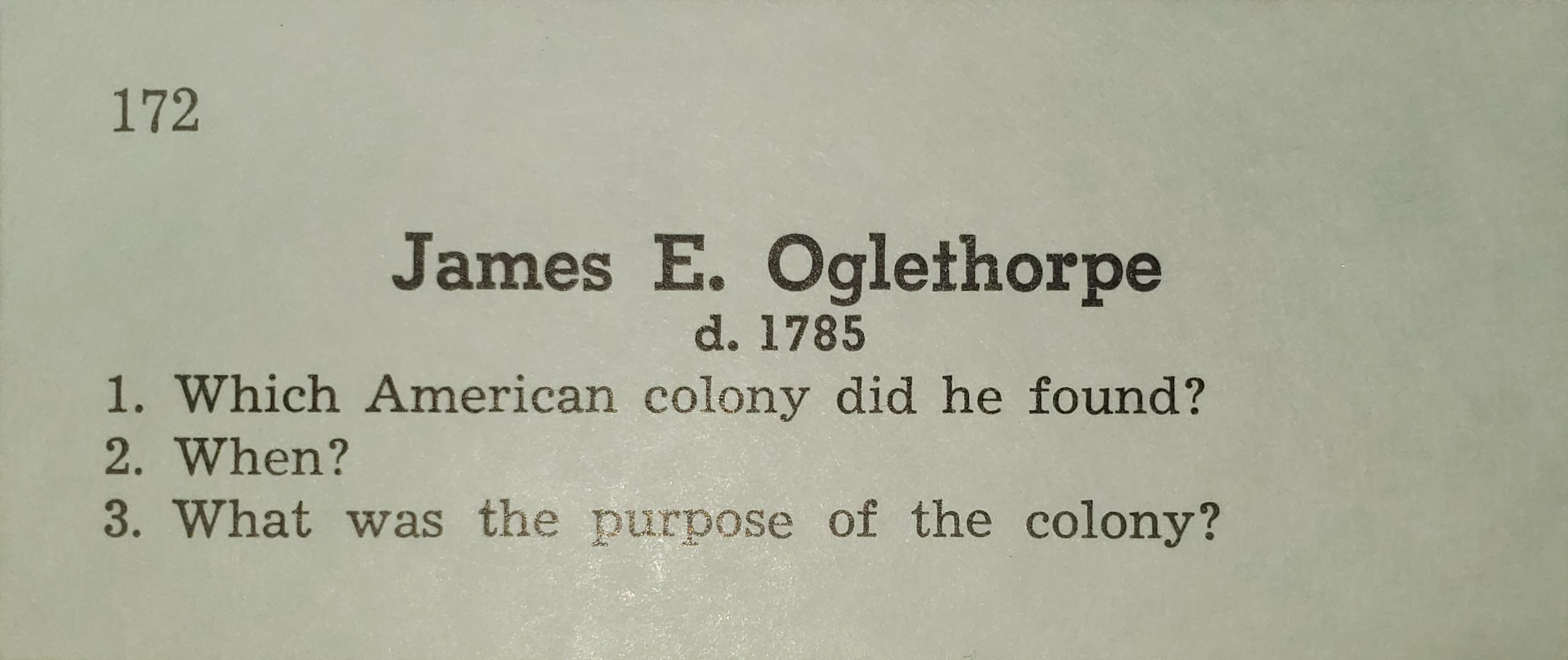
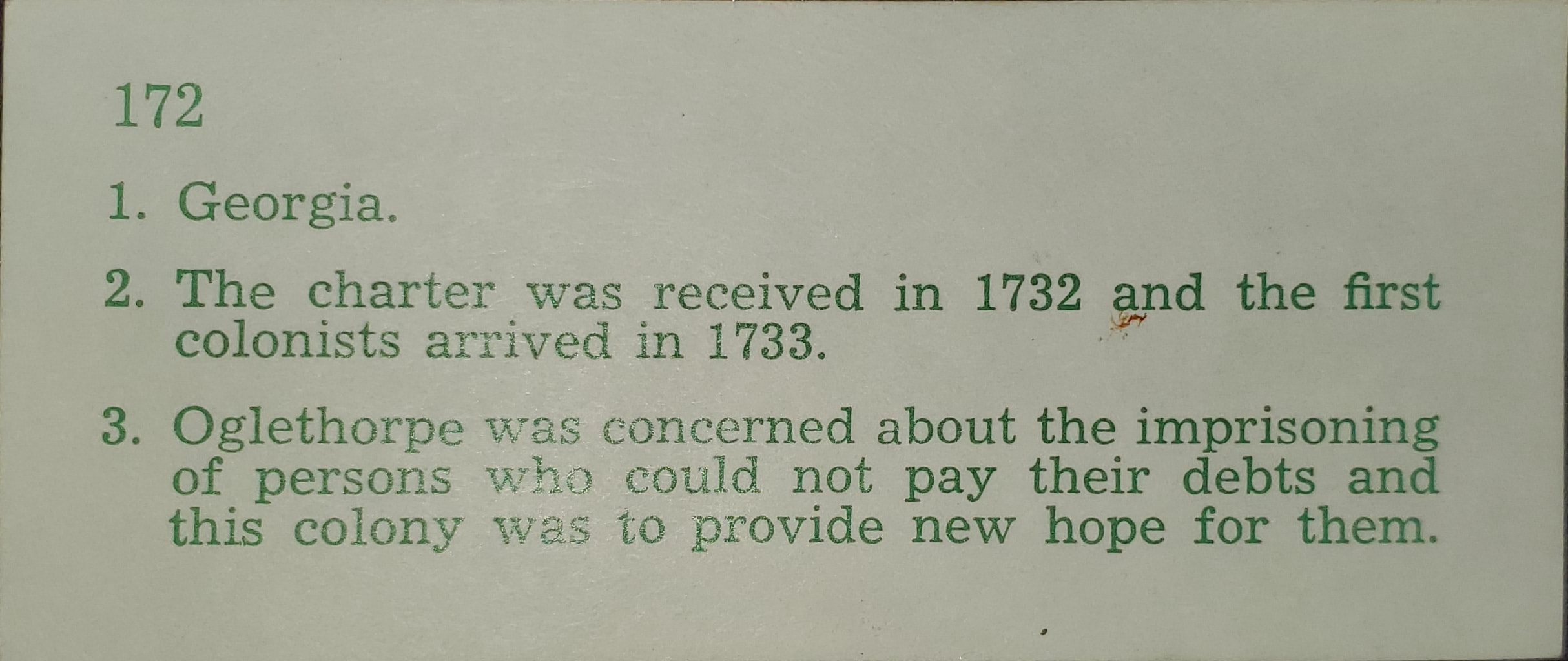
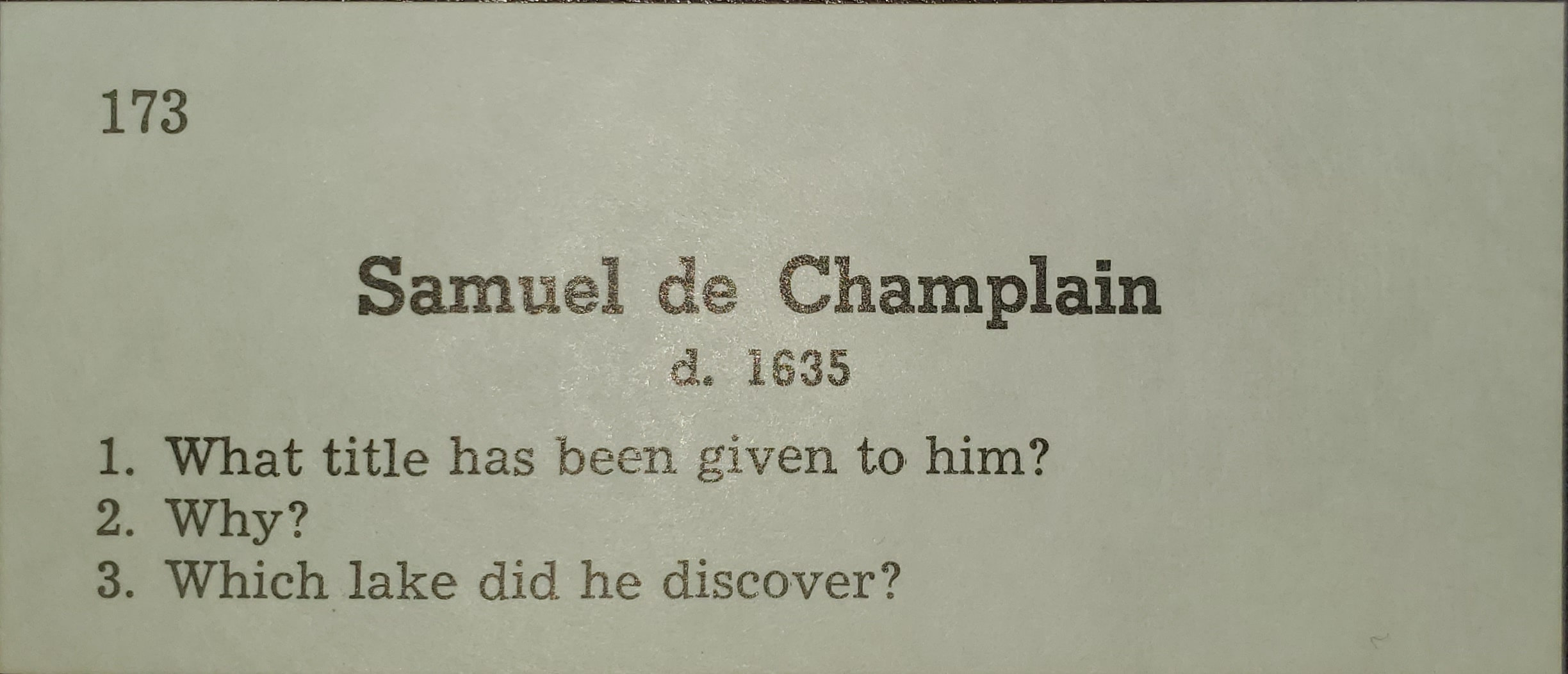
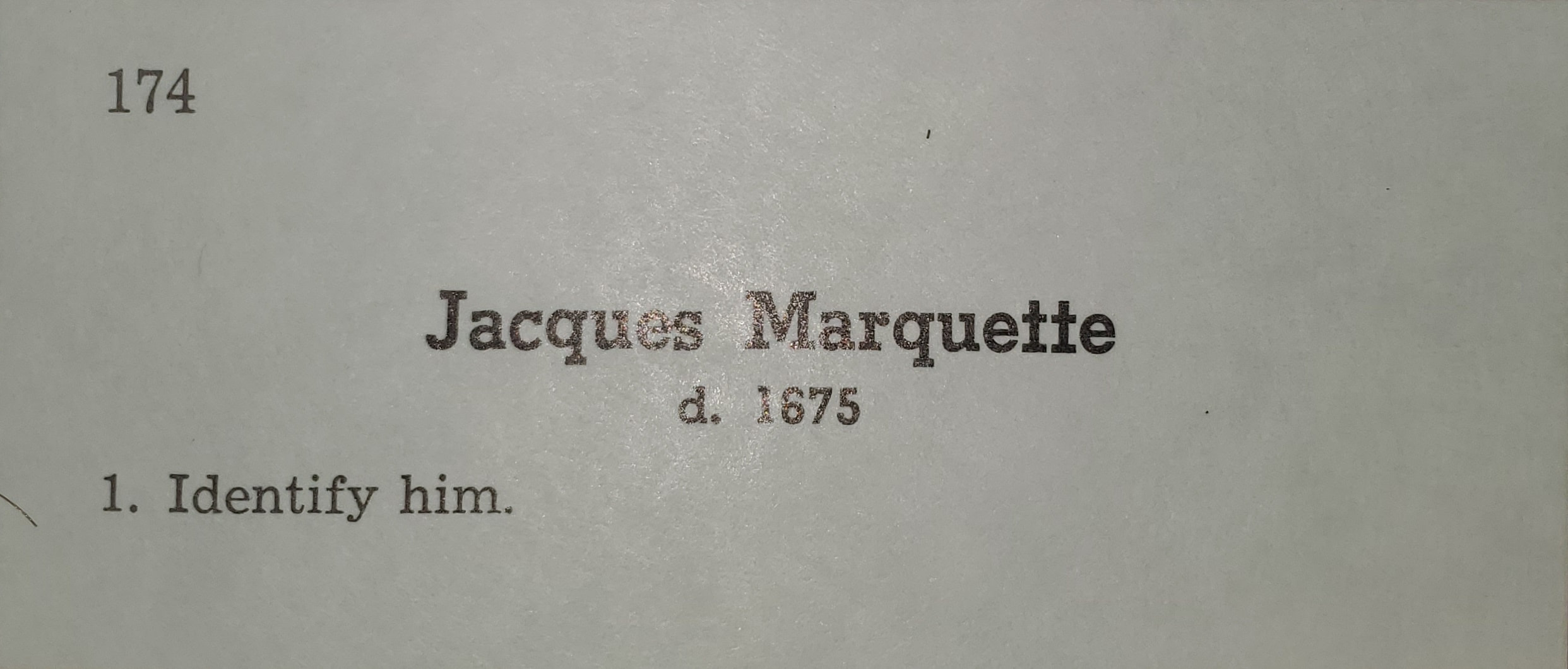
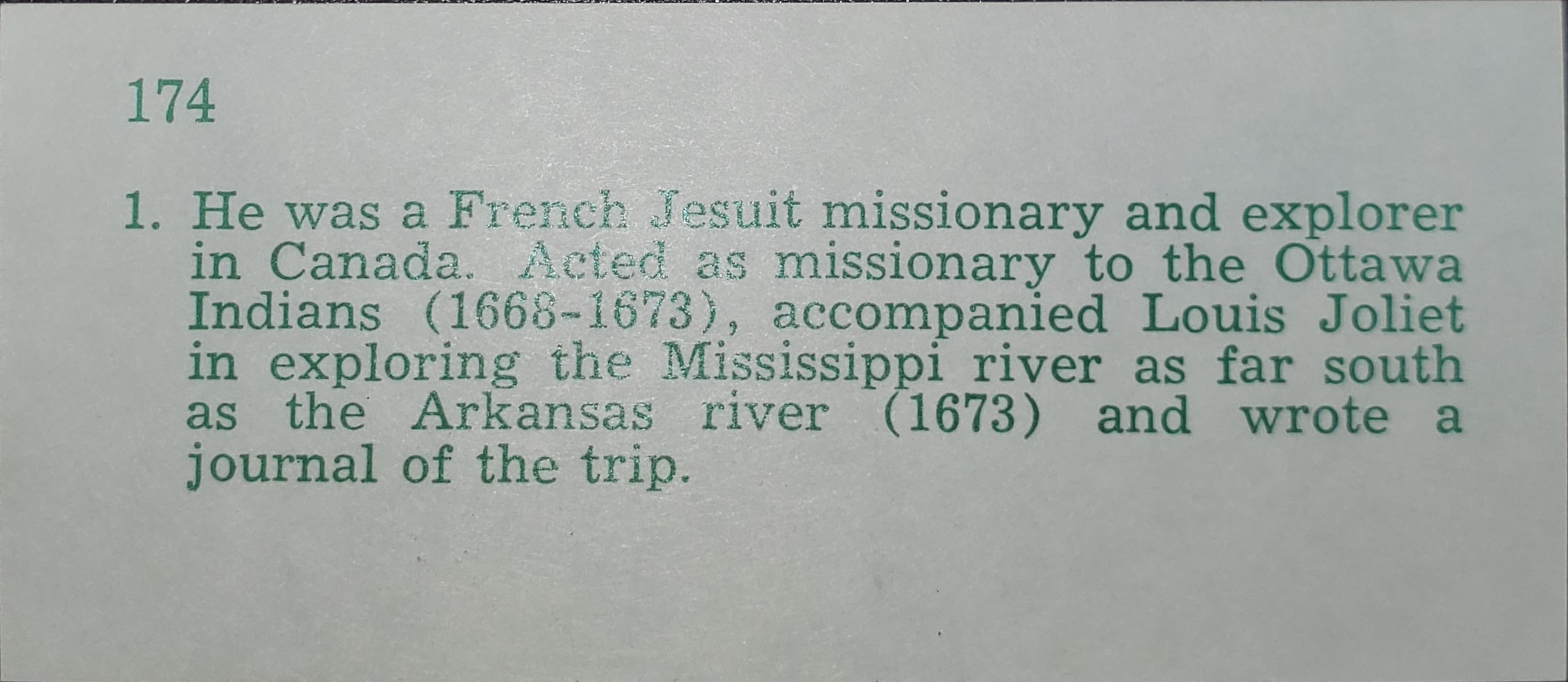
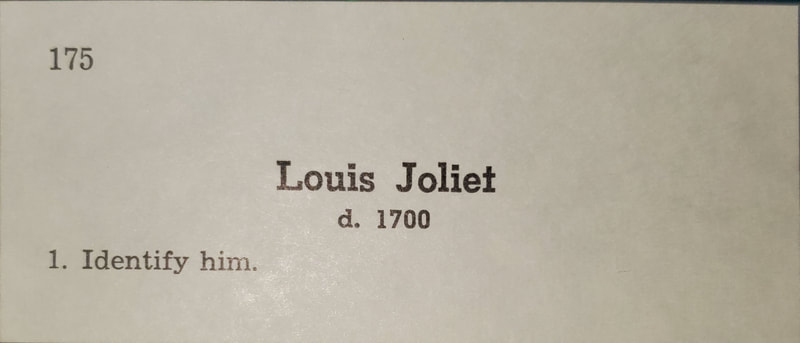
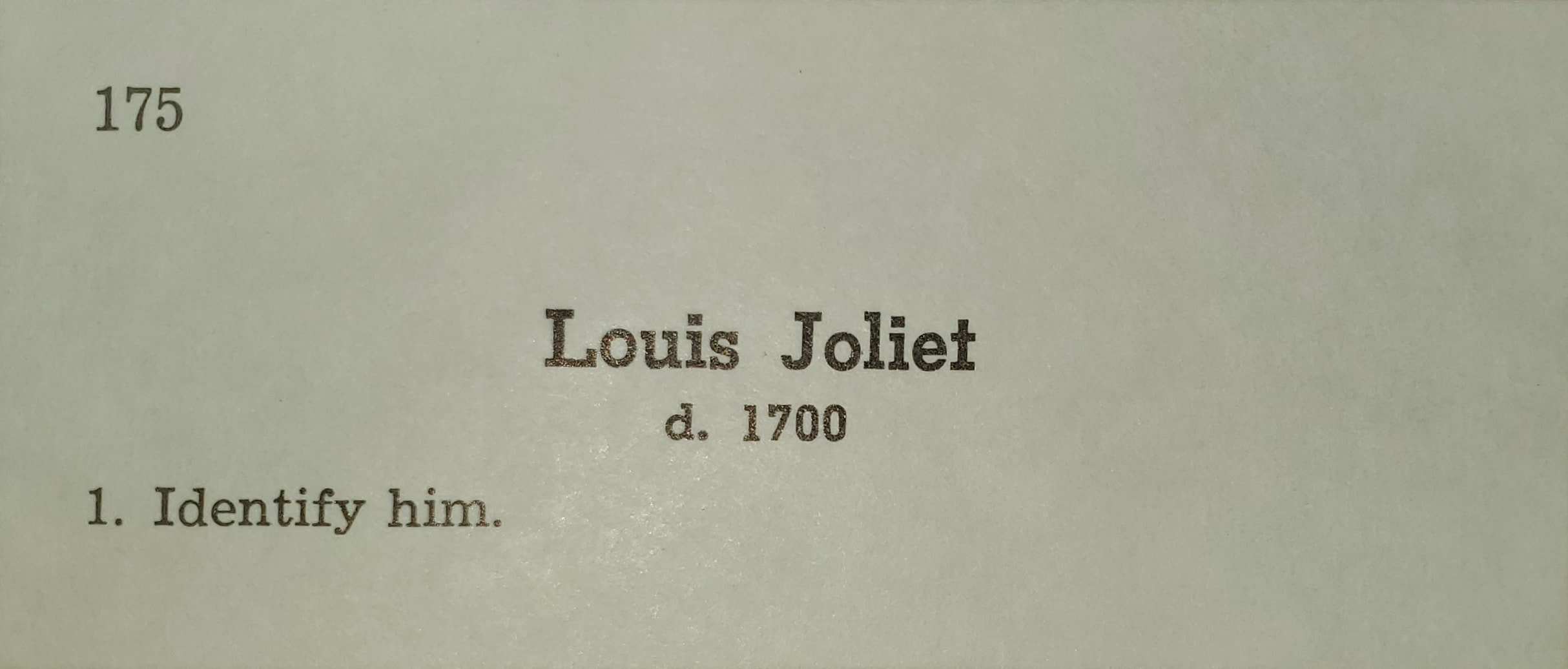
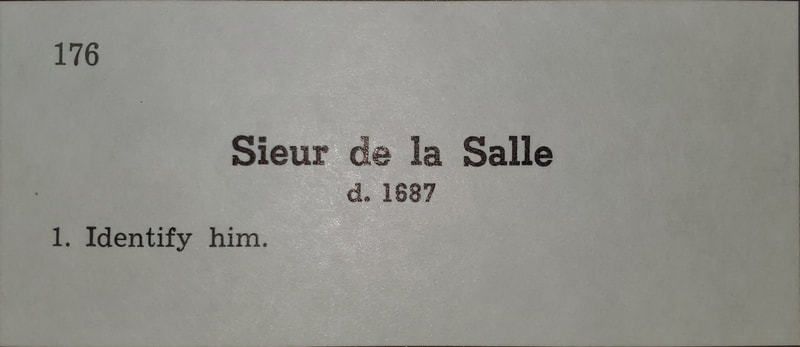
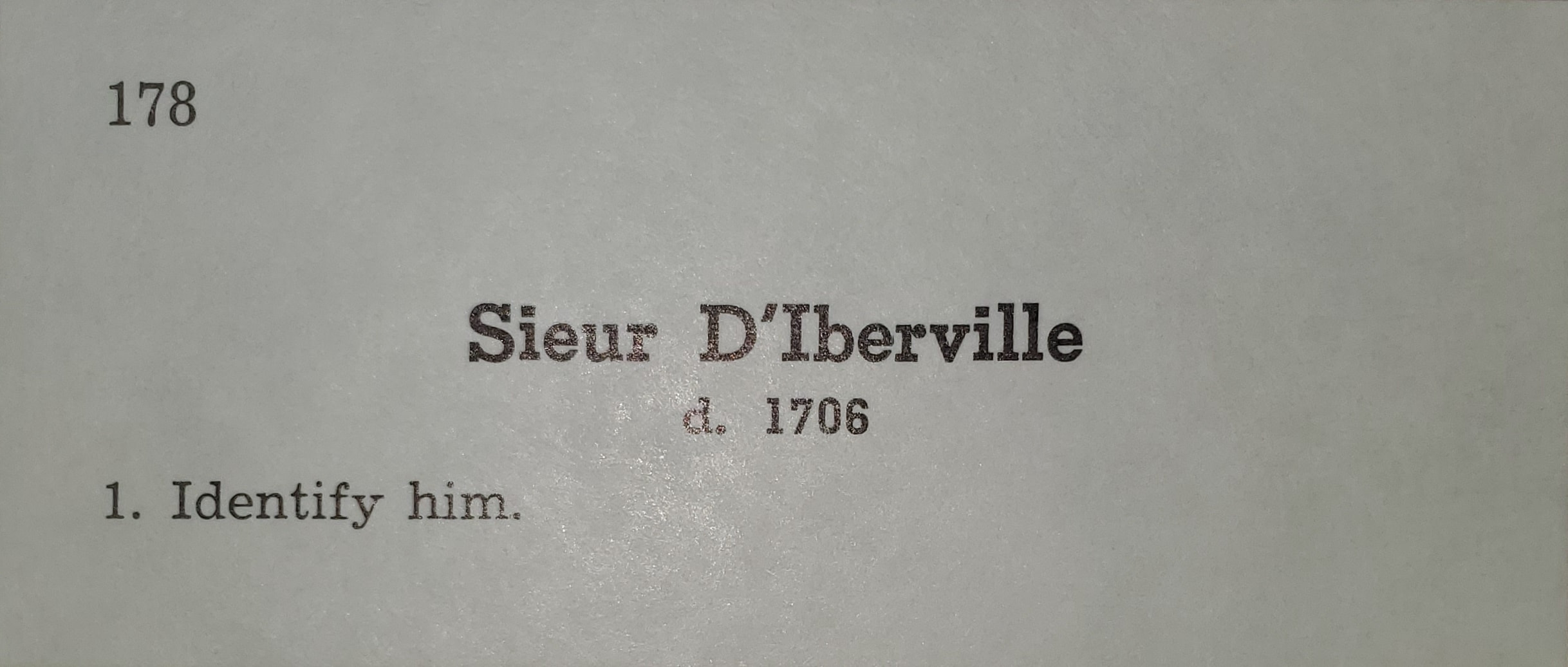
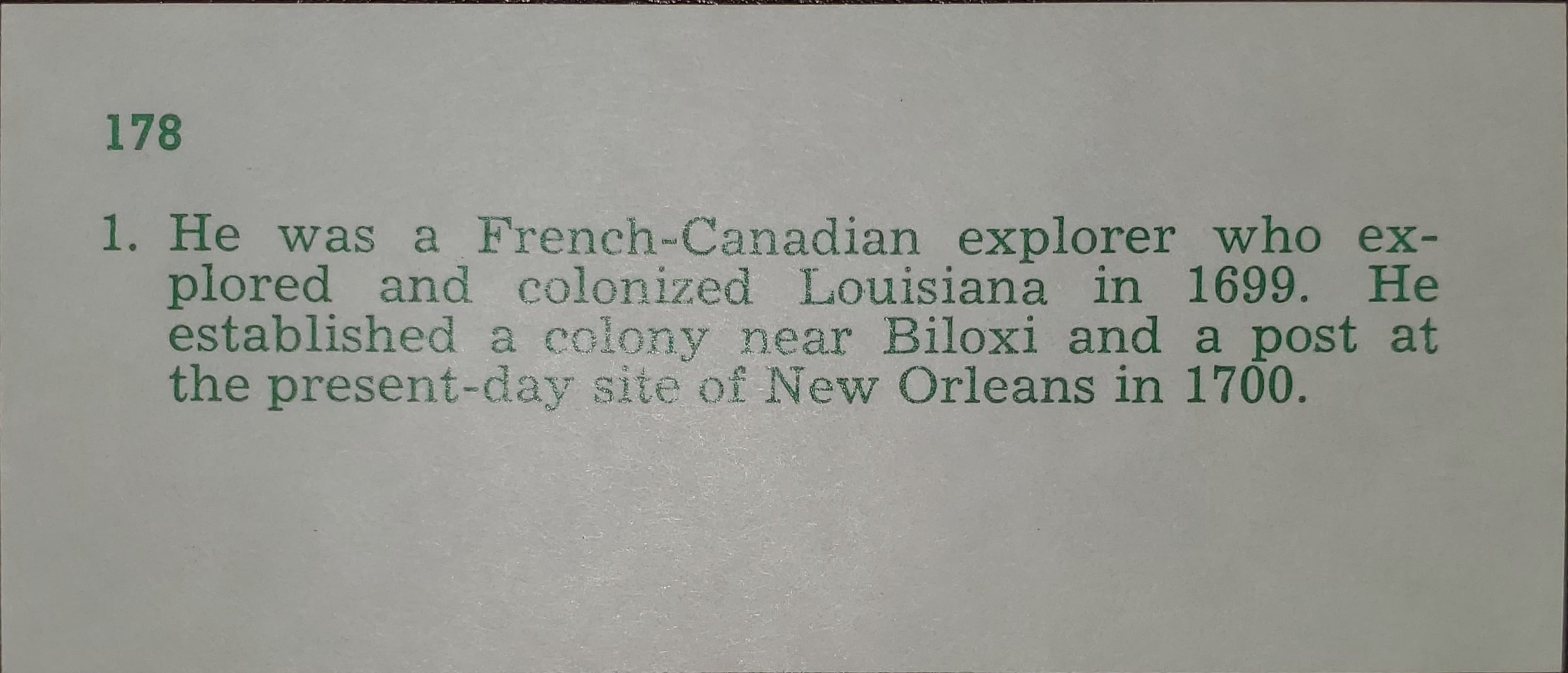
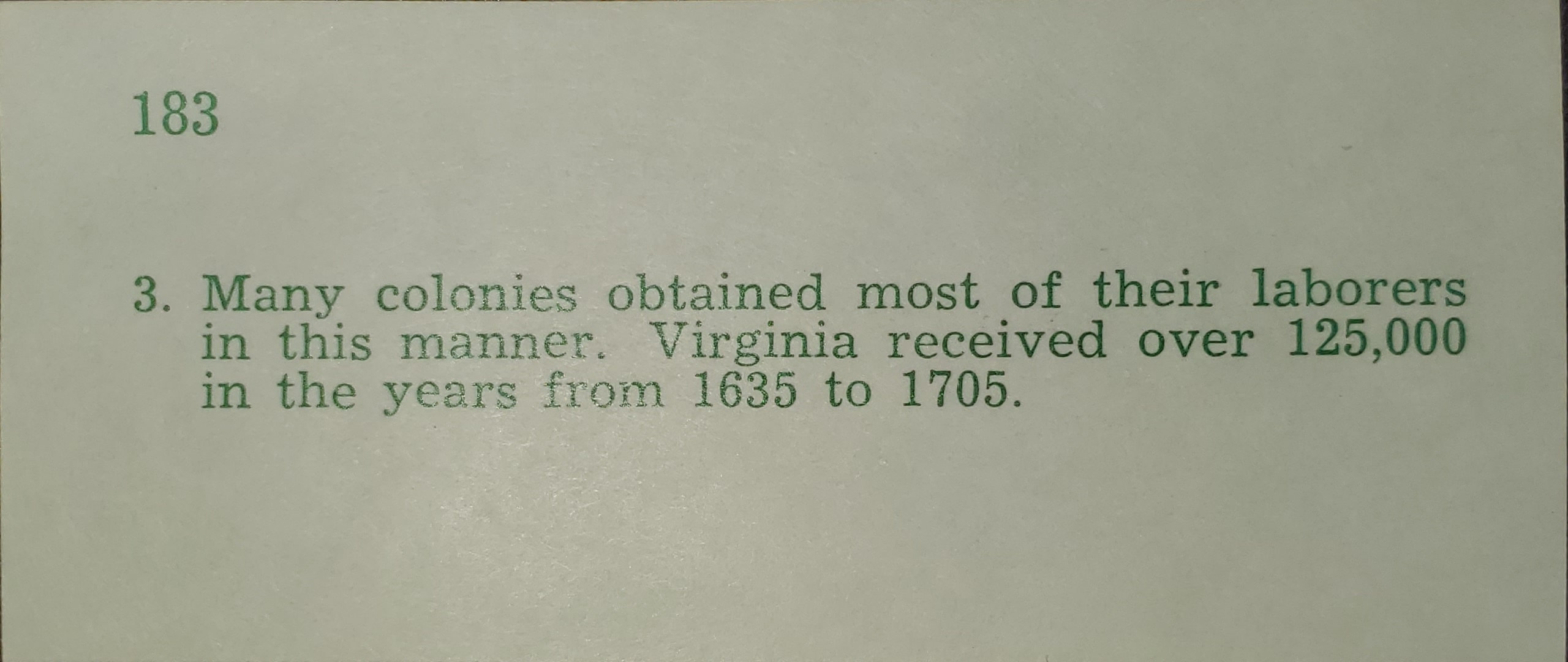
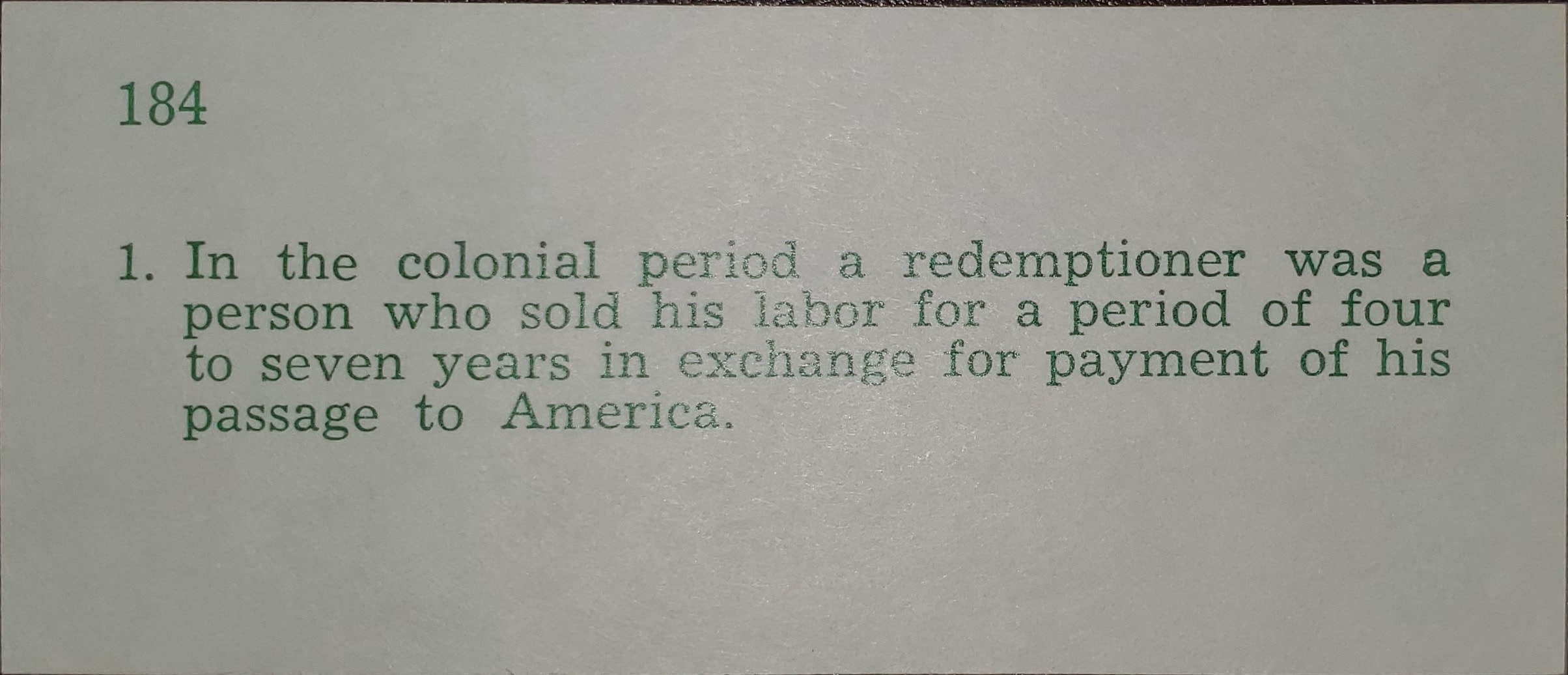
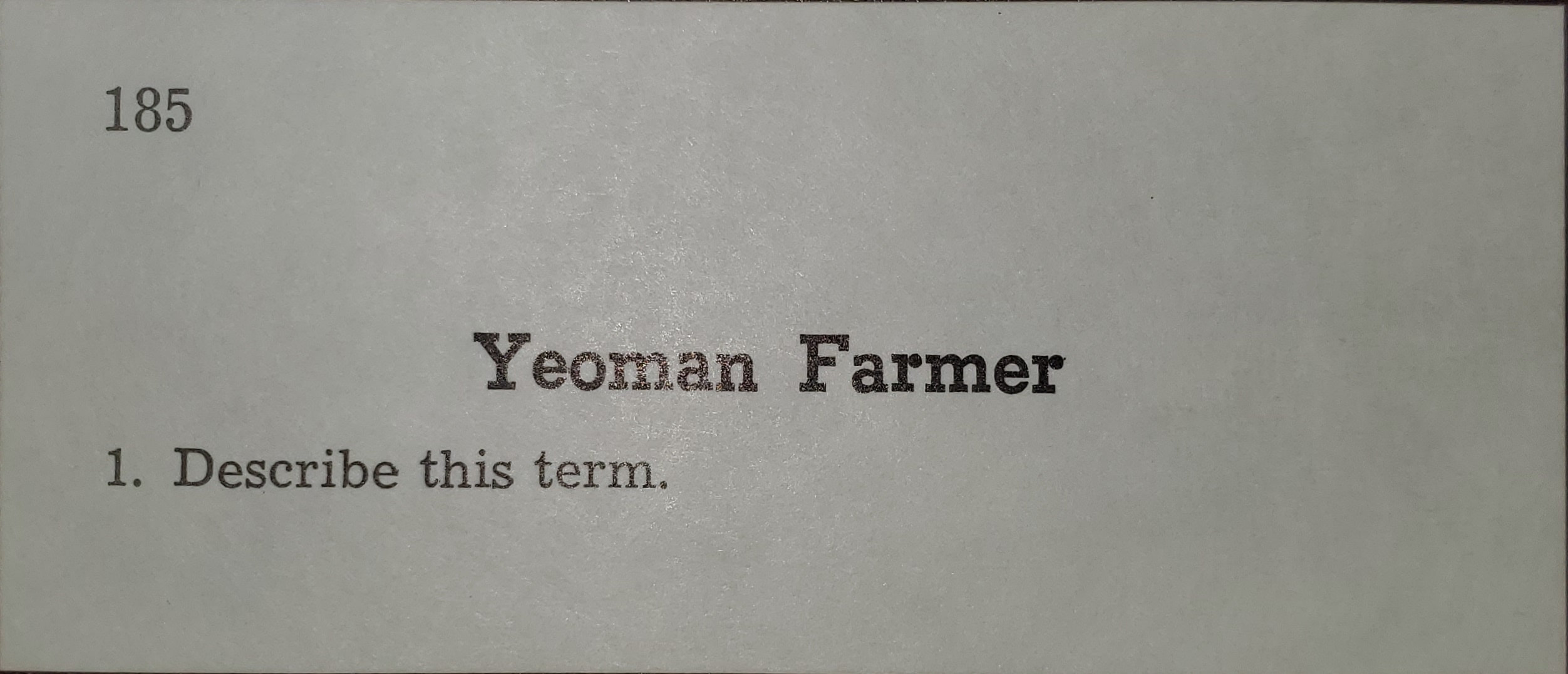
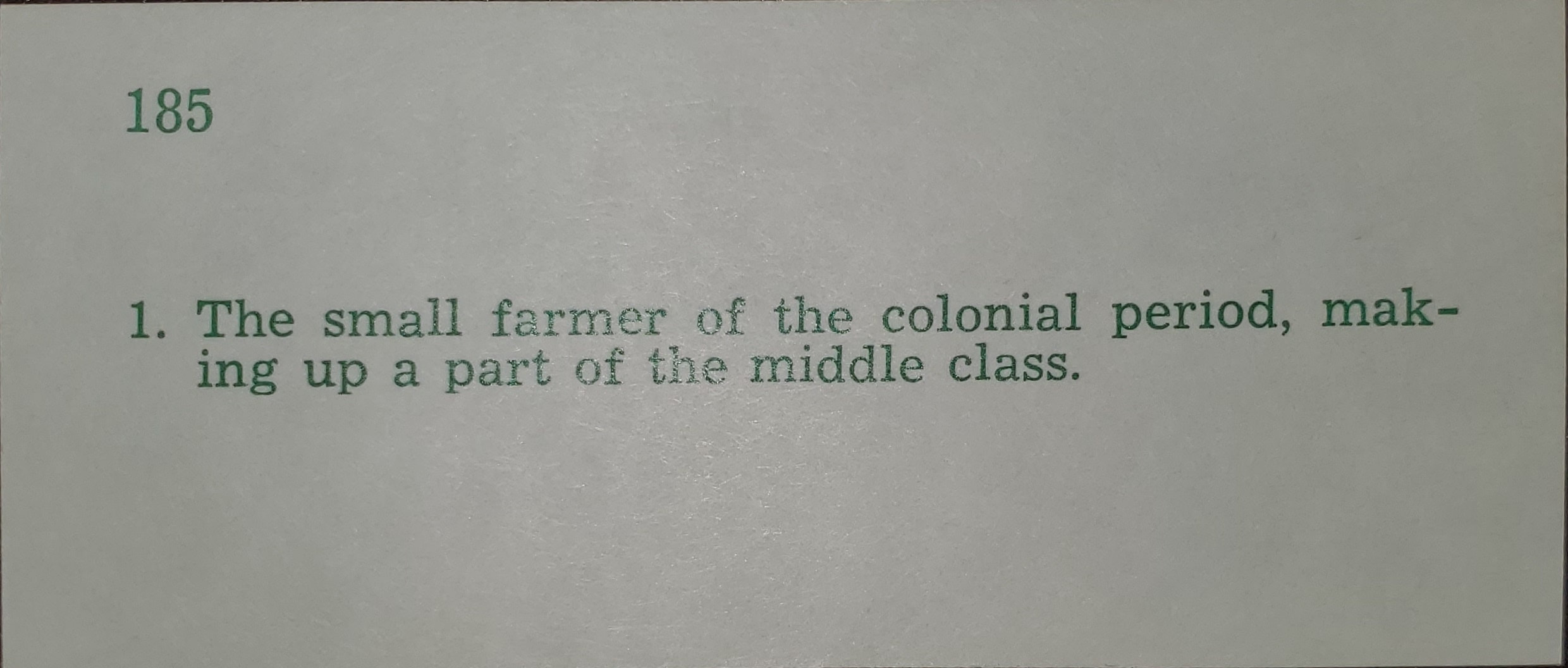
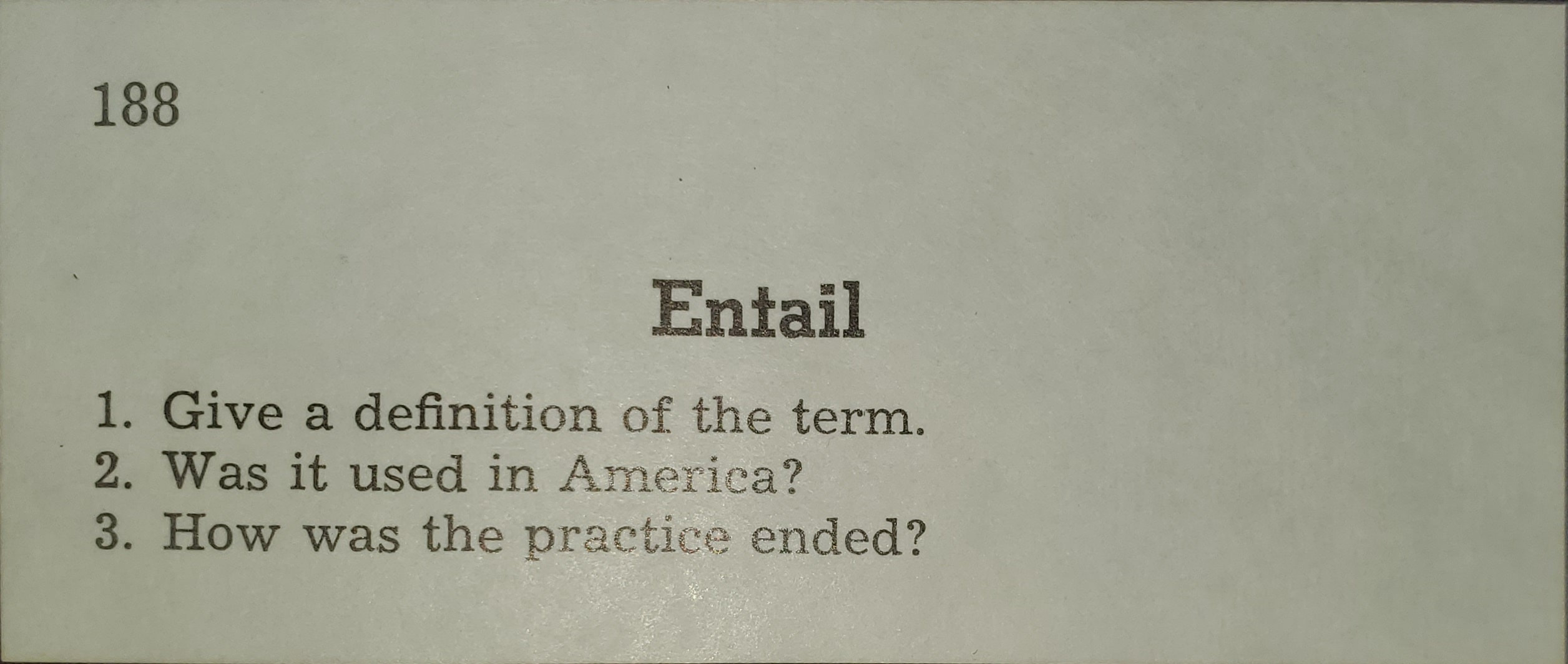
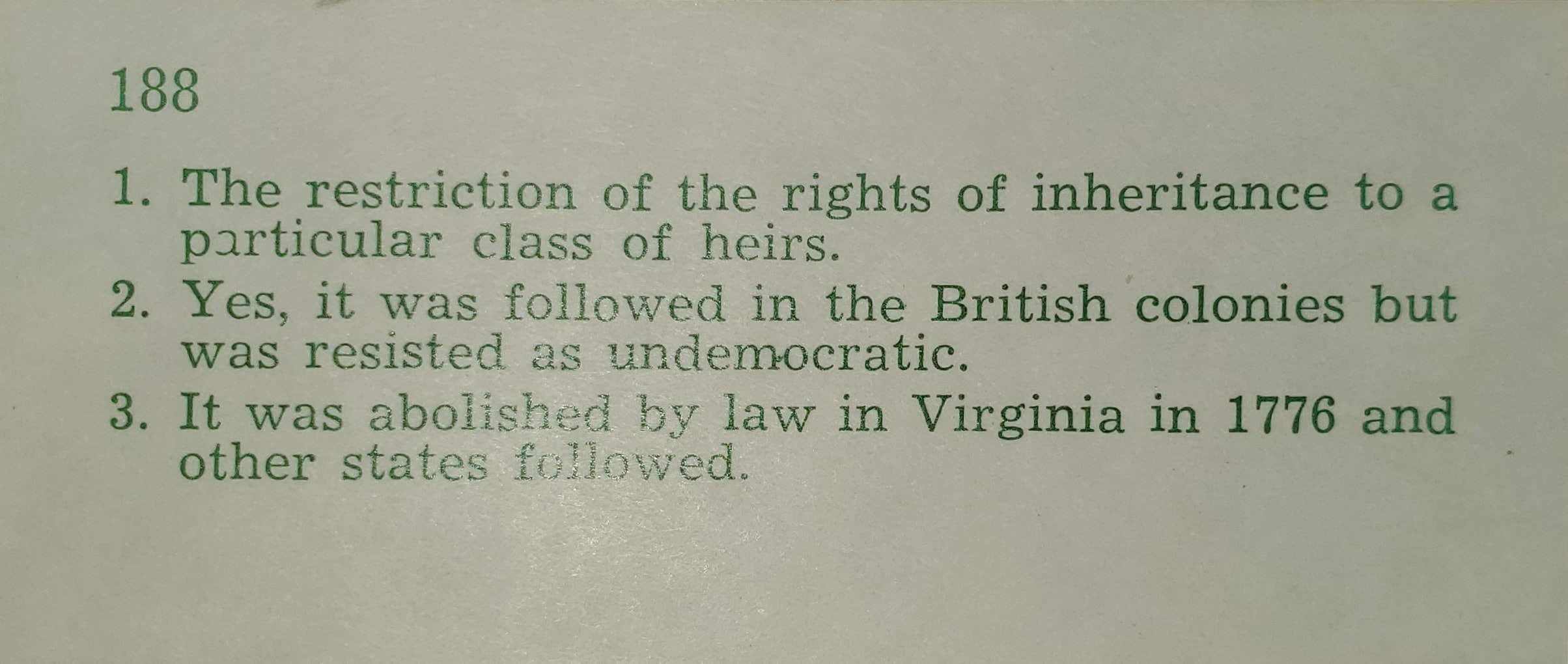
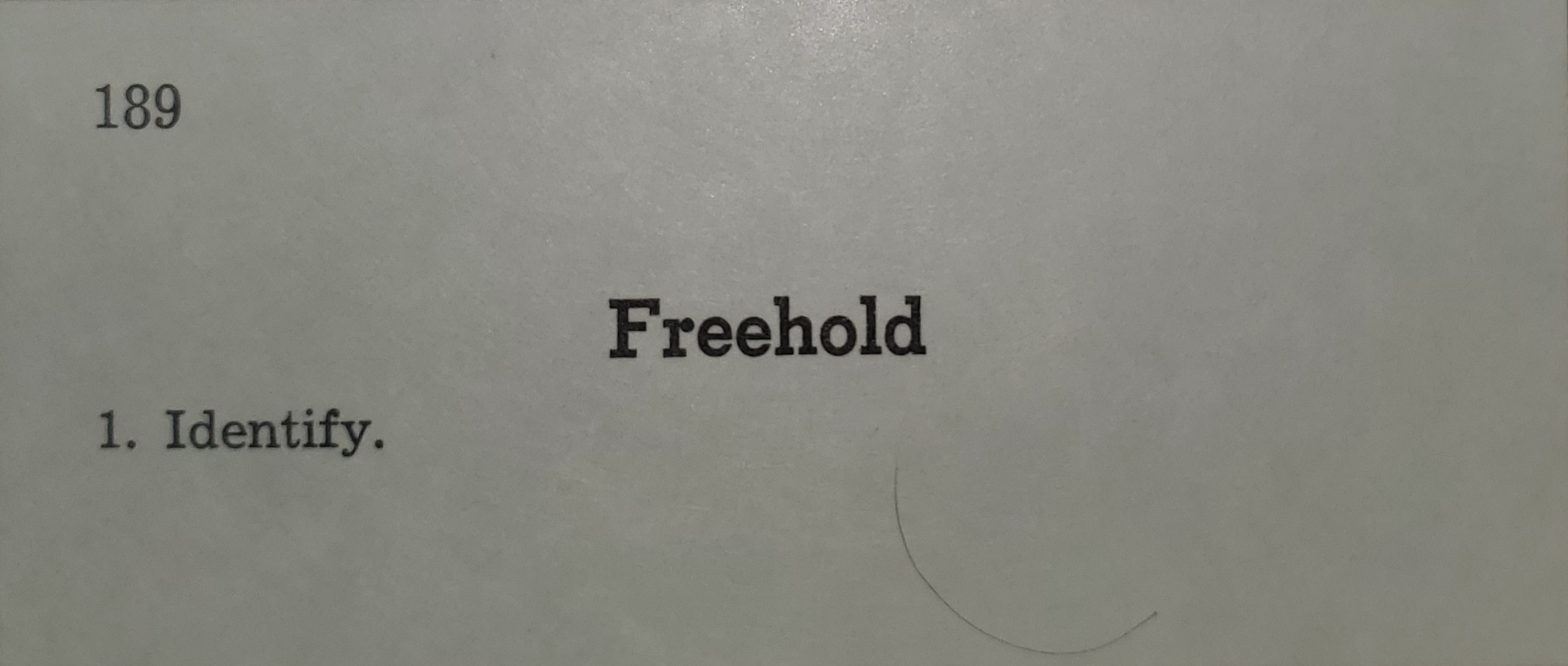
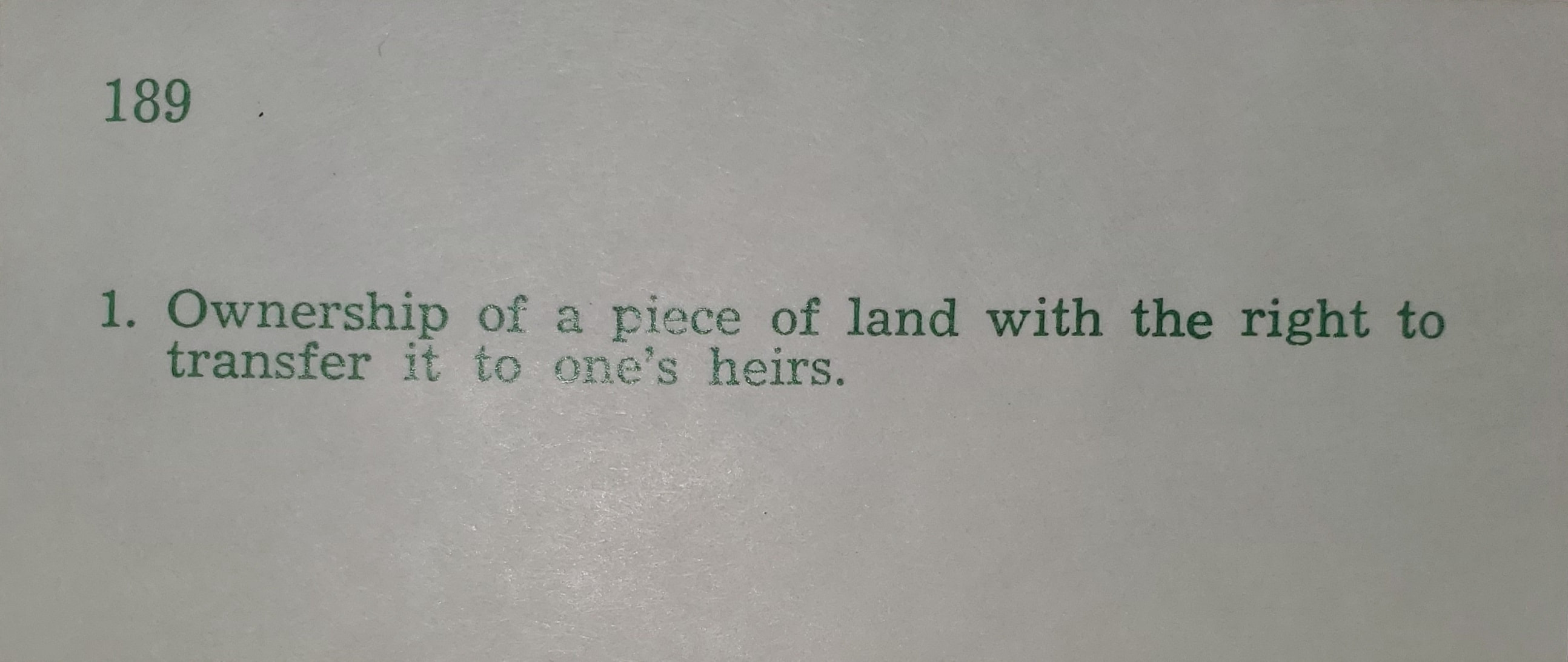
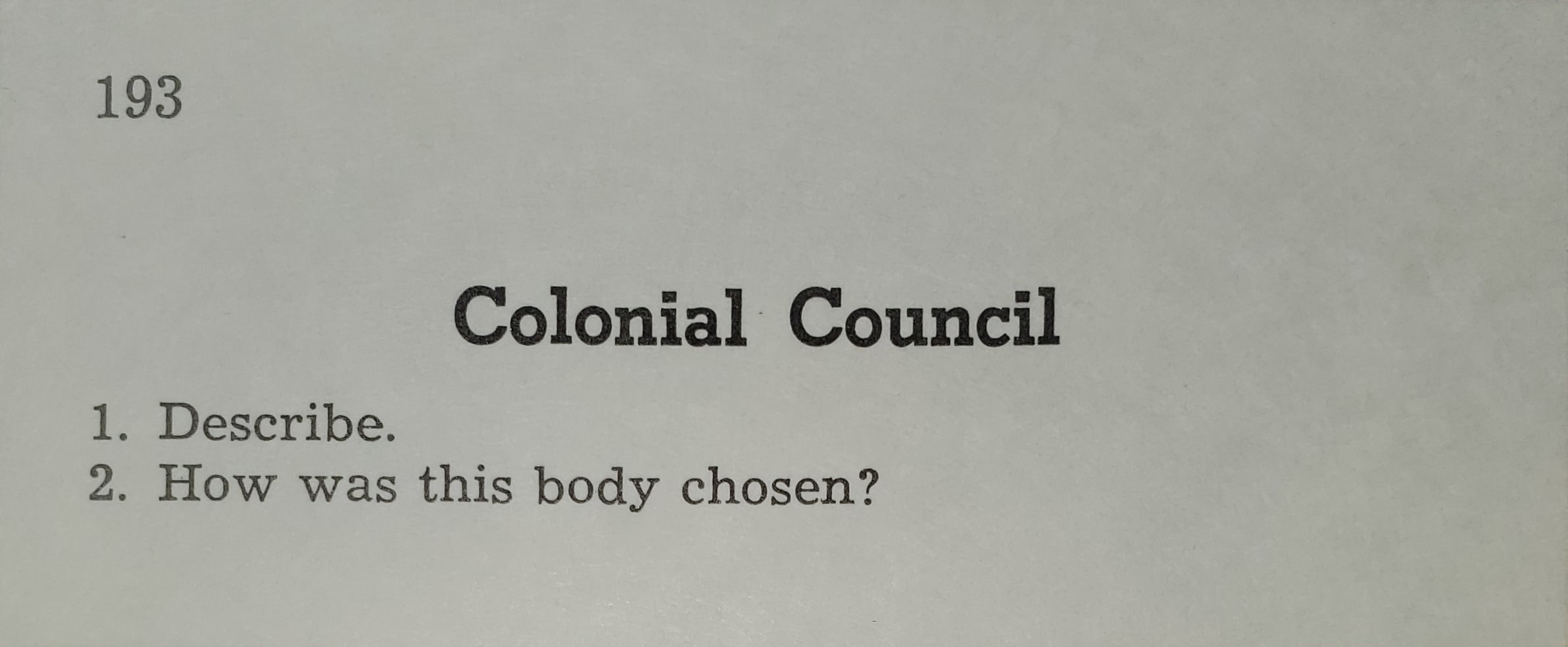
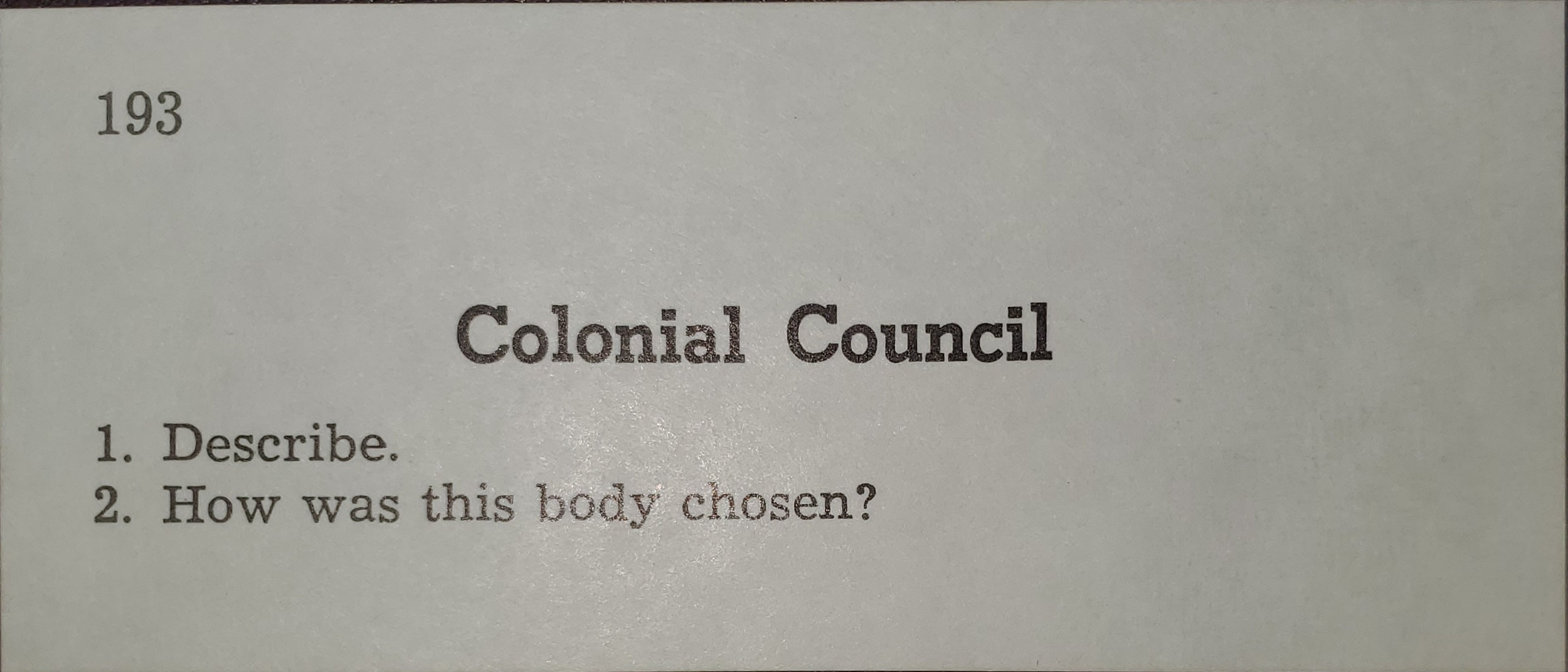
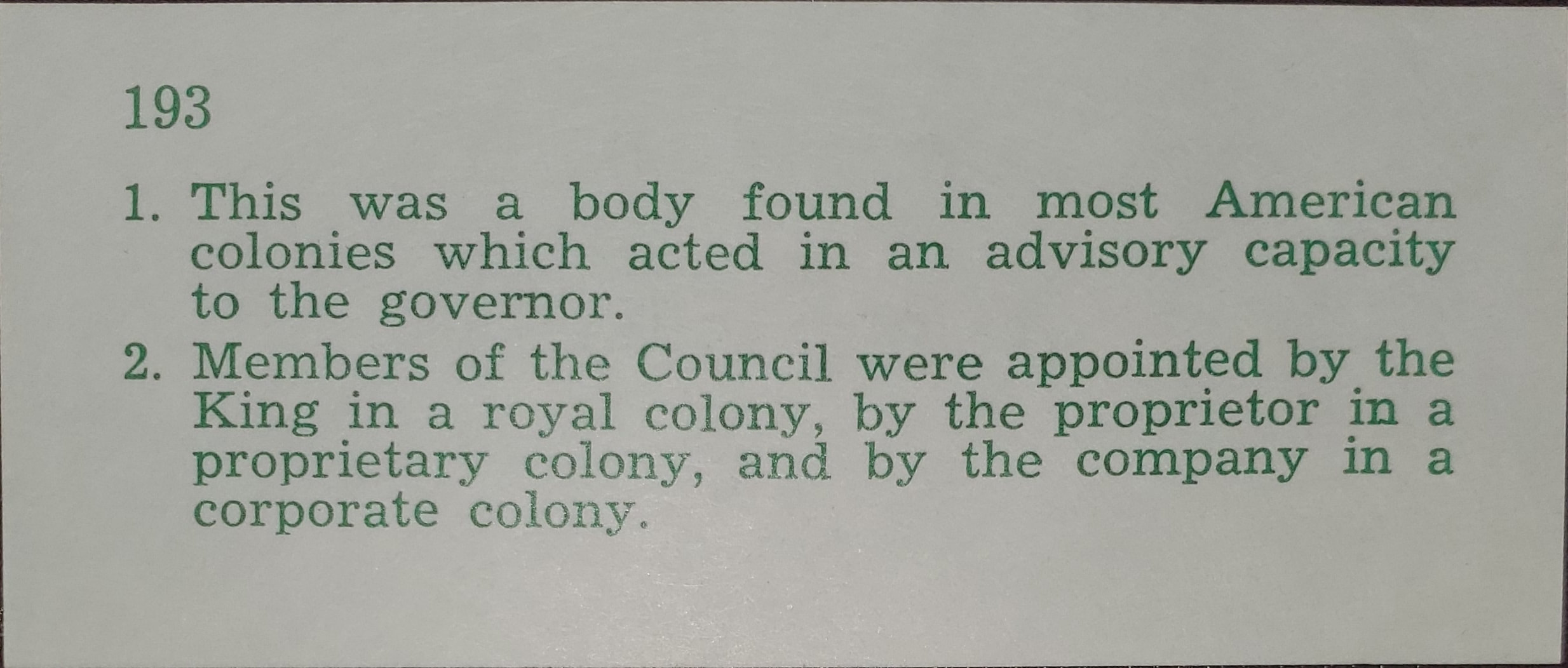
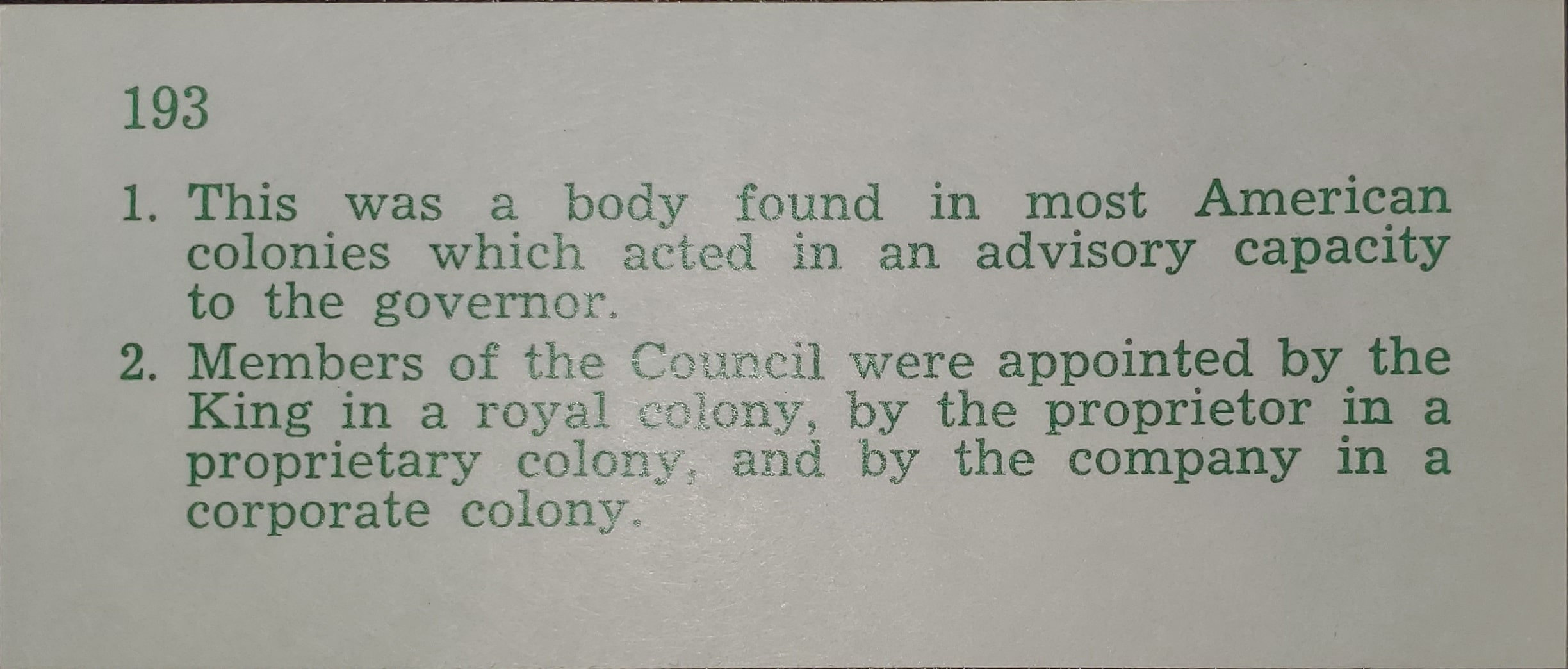
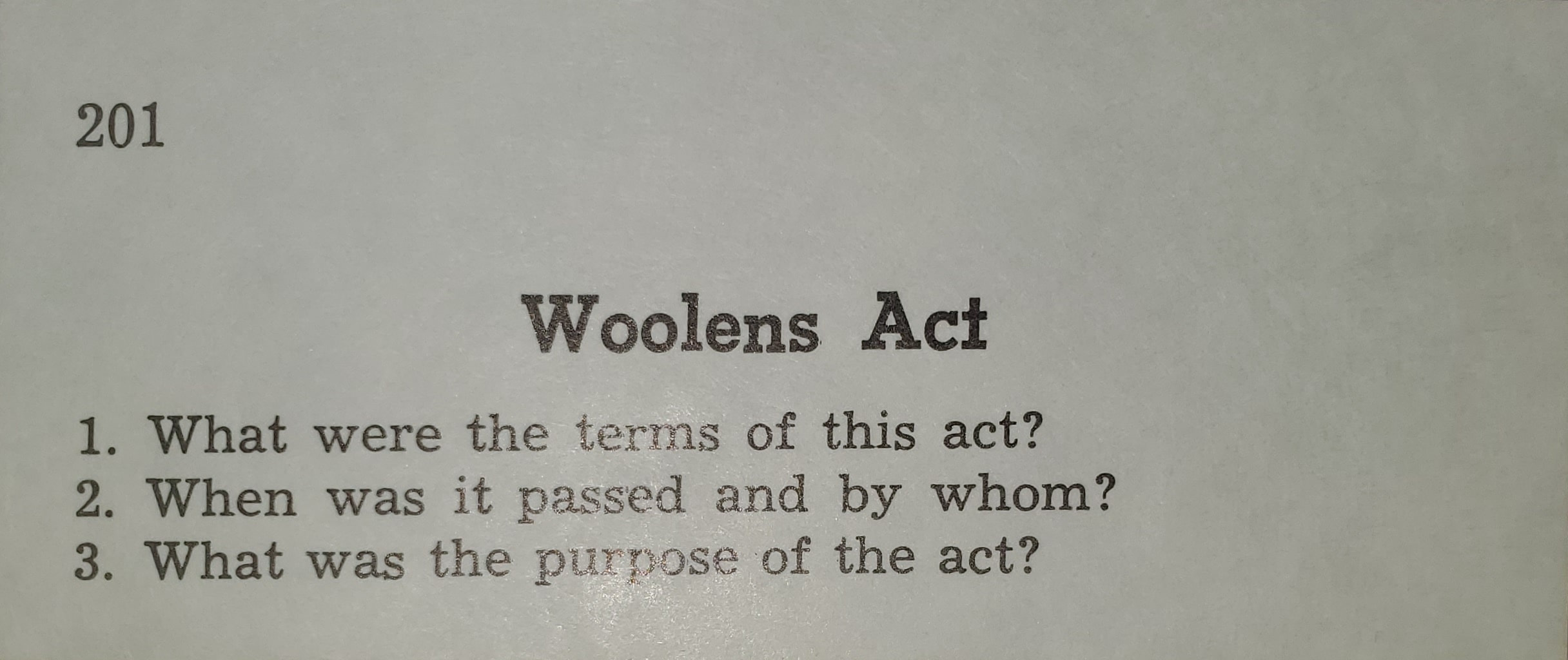
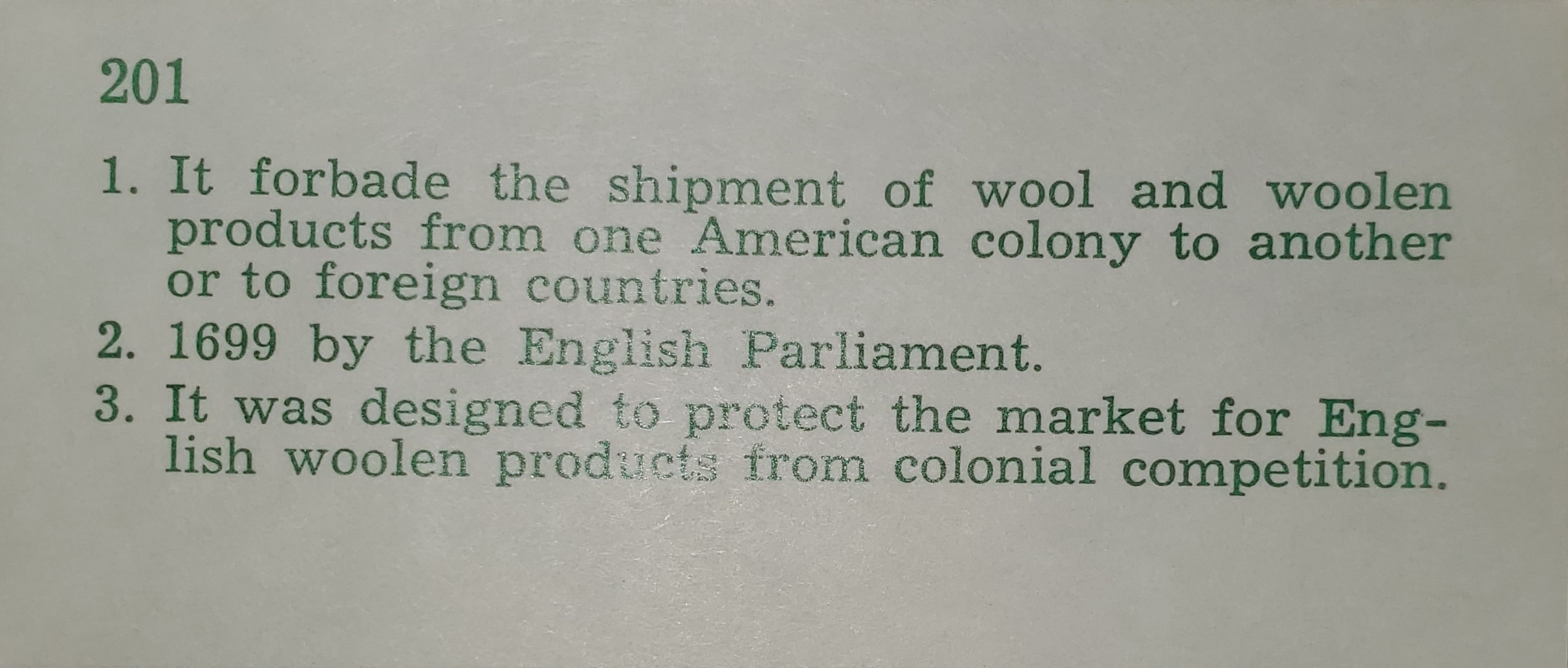
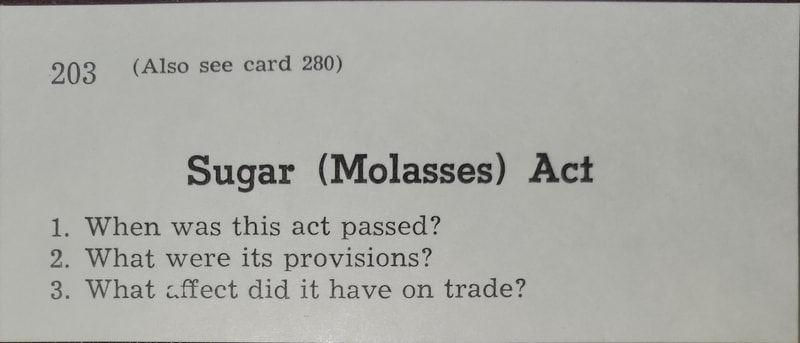
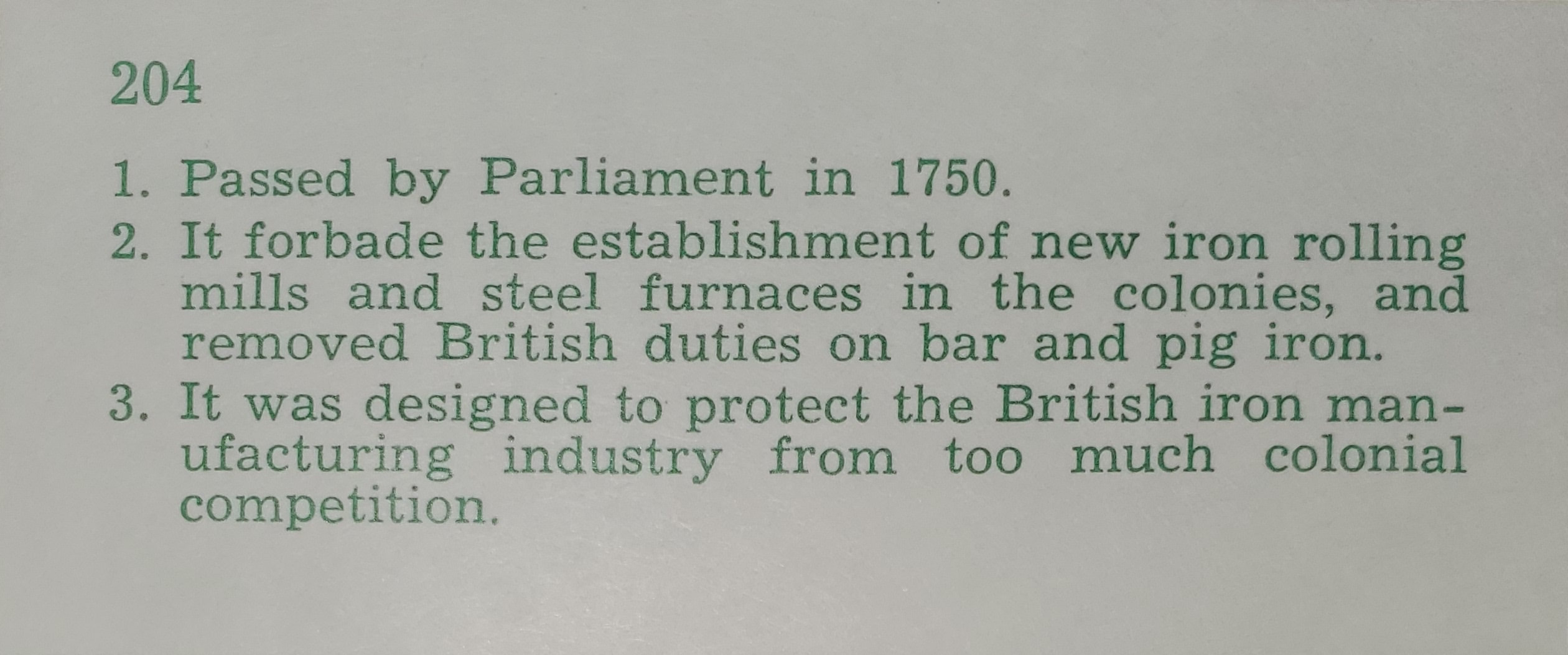
Workout at your own pace. Master as many of the flash cards as you can. Begin anywhere . . . (More to come!)
Workout I
Workout Vi
Workout II
Under Construction
Workout III
Under Construction
Workout IV
Under Construction
Workout V
Set A.
Set B.
Set C.
Return to top of page